
What You Need to Know Before Buying CBD Edibles for Pain
You have probably heard someone mention CBD edibles for pain management at a doctor visit, a family dinner, or in a Facebook group. The interest is not random. A 2023 Gallup poll found that roughly 1 in 7 American adults use CBD products, and adults over 50 are one of the fastest-growing segments. The reasons are straightforward. Prescription painkillers come with dependency risks, stomach problems, and side effects that compound with age. CBD edibles offer something different. They are discreet, easy to dose, and do not require a prescription in most states. But there is a problem. The market is flooded with low-quality products, exaggerated claims, and almost zero regulation from the FDA. This article breaks down everything — dosage, product types, drug interactions, real user experiences, and what to actually look for on a label. No hype. Just information you can use.
Tired of guessing which CBD actually works?
Find What Works for Your Body
A less-than 60 second wellness match for adults exploring plant-based relief
What’s bothering you most right now?
Select the one that impacts your day the most
How long have you been dealing with this?
There's no wrong answer — this helps us tailor your match
How much does it affect your daily routine?
Be honest — this shapes your recommendation
What have you tried so far?
Knowing what hasn't worked helps us find what will
How familiar are you with CBD?
No judgment — everyone starts somewhere
What sounds easiest to add to your routine?
Think about what fits your lifestyle, not what sounds fancy
What matters most to you in a product?
Pick the one that would seal the deal for you
YOUR MATCH IS READY
We'll include your personalized match plus a first-timer's guide based on your answers.
Where should we send your recommendation?
🔒 No spam, ever. Your info is kept 100% secure.
If you'd rather not wait — based on your answers about your symptoms, we'd point you straight to our trusted partner.
Skip to My Match →What Are CBD Edibles and Why Do They Matter for Pain
CBD stands for cannabidiol. It is one of over 100 cannabinoids found in the hemp plant. Unlike THC, CBD does not get you high. The 2018 Farm Bill legalized hemp-derived CBD products containing less than 0.3% THC at the federal level. That is the legal baseline in the United States.
CBD edibles are any food product infused with CBD. Gummies are the most common. You will also find chocolates, mints, capsules, honey sticks, and even beverages. The key difference between edibles and other CBD formats like oils or topicals is how your body processes them.
When you eat a CBD edible, it passes through your digestive system and liver before entering your bloodstream. This is called first-pass metabolism. It means the onset is slower — typically 30 minutes to 2 hours — but the effects tend to last longer, usually 4 to 8 hours. Compare that to sublingual oils, which kick in faster (15 to 45 minutes) but wear off sooner (2 to 4 hours).
The tradeoff matters for chronic pain. If you are dealing with all-day joint stiffness or nighttime nerve pain, a longer duration can mean fewer doses throughout the day. That appeals to a lot of adults over 55 who do not want to keep re-dosing every couple of hours.
One thing to understand right away: oral bioavailability of CBD is low. Research published in the journal Frontiers in Pharmacology estimates it at roughly 6% to 20%. That means if you eat a 25mg gummy, your body might only absorb 1.5mg to 5mg of actual CBD. This is why dosage matters so much, and why cheap products with low CBD content often disappoint people.
Full-Spectrum, Broad-Spectrum, and Isolate: Which Type Works for Pain
Every CBD edible falls into one of three categories. Understanding the difference will save you money and frustration.
Full-Spectrum CBD
Contains CBD plus other cannabinoids (including trace amounts of THC under 0.3%), terpenes, and flavonoids from the hemp plant. The theory behind full-spectrum is called the “entourage effect.” A 2011 review in the British Journal of Pharmacology suggested that cannabinoids and terpenes may work better together than CBD alone. For pain specifically, full-spectrum products tend to get the most positive user feedback. The small amount of THC is not enough to cause intoxication, but it may contribute to pain relief.
Broad-Spectrum CBD
Same as full-spectrum but with THC completely removed. This is a solid middle ground if you are subject to drug testing or simply do not want any THC in your system. You still get the benefit of multiple cannabinoids and terpenes working together.
CBD Isolate
Pure CBD with nothing else. No other cannabinoids, no terpenes. It is the most processed form. Some people prefer isolate because it is predictable and carries zero risk of THC showing up on a test. However, a 2015 study from the Lautenberg Center for Immunology and Cancer Research in Jerusalem found that isolate had a bell-shaped dose-response curve, meaning its effectiveness plateaued and then decreased at higher doses. Full-spectrum did not show this limitation.
For adults 55 and older managing chronic pain, full-spectrum tends to be the most commonly recommended option by CBD-knowledgeable practitioners. But if you take medications metabolized by the liver or face workplace drug testing, broad-spectrum or isolate may be the smarter choice.
CBD Gummies for Pain Management: What the Research Says
Let us be clear about something. The FDA has only approved one CBD-based medication: Epidiolex, and that is for certain types of epilepsy. CBD gummies for pain management are not FDA-approved treatments. That said, there is a growing body of research and a massive amount of anecdotal evidence worth examining.
Arthritis and Joint Pain
A 2022 study published in the journal Pain found that CBD demonstrated anti-inflammatory properties in animal models of arthritis. The Arthritis Foundation conducted a survey of over 2,600 people and reported that 79% were either using CBD, had used it, or were considering it. Among those who used it, 67% said they experienced improvement in physical function, and 71% reported improvement in sleep quality.
These are self-reported numbers, not clinical trial data. But they line up with what many older adults describe when they start using CBD edibles consistently for joint-related chronic pain.
Neuropathic Pain
Nerve pain — from conditions like diabetic neuropathy or post-surgical complications — is notoriously difficult to treat with conventional medications. A 2020 review in the Journal of Pain Research analyzed multiple studies and found that cannabinoids (including CBD) showed moderate evidence for reducing neuropathic pain. The mechanisms are not fully understood yet, but CBD appears to interact with TRPV1 receptors, which play a role in how the body perceives pain signals.
Fibromyalgia
Fibromyalgia affects an estimated 4 million adults in the U.S., according to the CDC. A 2019 survey published in the Journal of Clinical Medicine found that among fibromyalgia patients using cannabis-based products, over 70% reported a decrease in opioid use. CBD-specific research for fibromyalgia is still limited, but early indicators suggest it may help with both pain intensity and the sleep disruption that often accompanies the condition.
Using CBD for Pain Management: A Dosage Guide for Adults 55 and Older
Dosing CBD edibles is not like dosing ibuprofen. There is no universally agreed-upon amount. Your ideal dose depends on your body weight, metabolism, the severity of your pain, and whether you are taking other medications. But there are general starting points that most practitioners and informed users follow.
Start Low and Go Slow
This phrase gets repeated constantly in CBD communities because it works. For adults over 55, most experts suggest starting at 5mg to 10mg of CBD per day. Take it at the same time each day. Stay at that dose for at least one full week before increasing. The goal is to find the minimum effective dose — the lowest amount that gives you noticeable relief.
Common Dosage Ranges by Condition
Mild to moderate chronic pain: 15mg to 30mg per day. Severe chronic pain or neuropathy: 30mg to 50mg per day. Anxiety combined with pain: 25mg to 50mg per day. Sleep issues related to pain: 25mg to 75mg taken 1 to 2 hours before bed.
These are ranges reported across clinical observations and user surveys, not rigid prescriptions. A 2019 case series published in The Permanente Journal found that 25mg per day improved sleep scores in 66.7% of patients within the first month. Pain scores also improved, though results were more variable.
Drug Interactions You Cannot Ignore
This is critical for adults 55 and older because polypharmacy — taking multiple medications — is common in this age group. CBD is metabolized by the cytochrome P450 enzyme system in the liver, specifically CYP3A4 and CYP2D6. This means CBD can interfere with how your body processes other drugs.
Medications that interact with CBD include warfarin (blood thinner), certain statins, some blood pressure medications, benzodiazepines, and certain antidepressants like SSRIs. A general rule: if your medication carries a grapefruit warning on the label, CBD likely interacts with it through the same enzymatic pathway.
Talk to your doctor or pharmacist before starting CBD edibles if you take any prescription medications. This is not optional advice. It is a safety issue.
Looking For Something Pure & Potent?
If your current CBD isn't full-spectrum and U.S.-sourced, you're wasting money
Check Out This Full-Spectrum, American Made CBDReal User Experiences With CBD Edibles for Chronic Pain
Research data matters, but so do the stories of people who have actually tried these products. Here are three composite accounts based on commonly reported experiences across verified review platforms, CBD forums, and survey data.
Margaret, 62 — Knee Osteoarthritis
Margaret had been dealing with bilateral knee osteoarthritis for eight years. She was taking naproxen twice daily and receiving cortisone injections every four months. The naproxen was causing stomach ulcers. Her gastroenterologist told her to stop. She started with a 10mg full-spectrum CBD gummy once per day. After two weeks, she noticed she was sleeping better but pain relief was minimal. She increased to 25mg per day — split into a 10mg dose in the morning and a 15mg dose before bed. After six weeks at that level, she reported a noticeable reduction in morning stiffness and fewer flare-ups during the day. She still uses a topical NSAID cream occasionally but has not returned to daily oral naproxen.
Richard, 71 — Diabetic Neuropathy
Richard was prescribed gabapentin for diabetic nerve pain in his feet. It helped, but made him drowsy and foggy during the day. His daughter suggested CBD. He was skeptical. He started with a 15mg broad-spectrum CBD capsule once per day. After three weeks, he added a second 15mg dose in the evening. He told his daughter the burning sensation in his feet had decreased from what he described as a 7 out of 10 to a 4 out of 10. He still takes a lower dose of gabapentin but was able to reduce it with his doctor’s guidance. He was clear that CBD did not eliminate the pain entirely, but it made it more manageable.
Diane, 58 — Fibromyalgia and Insomnia
Diane had tried nearly everything for her fibromyalgia — Lyrica, Cymbalta, acupuncture, physical therapy. She found some relief with Cymbalta but the side effects were affecting her quality of life. She began taking a 25mg full-spectrum CBD gummy one hour before bed. Within ten days, her sleep quality improved significantly. She was falling asleep faster and waking up fewer times during the night. The pain was still present during the day, but she described feeling less overwhelmed by it. She eventually added a 10mg dose in the morning and reported that the combination helped her function through daily tasks with less difficulty.
Honest Product Comparisons: What to Look For Before You Buy
The CBD market generated over $5 billion in U.S. sales in 2023. That kind of money attracts both legitimate companies and ones that cut every corner possible. Knowing what separates a quality product from a bad one is essential.
Third-Party Lab Testing (COA)
A Certificate of Analysis, or COA, is a lab report from an independent testing facility. It confirms the actual CBD content in a product, checks for THC levels, and screens for contaminants like heavy metals, pesticides, and residual solvents. If a brand does not provide a COA for every batch, do not buy from them. There is no exception to this. A 2020 study published in the Journal of the American Medical Association found that nearly 70% of CBD products sold online were mislabeled — either containing more or less CBD than stated on the label.
Ingredient Transparency
Read the ingredient list. A quality CBD gummy should have a short, readable list. Look for the CBD extract type (full-spectrum, broad-spectrum, or isolate), the carrier ingredients (usually pectin or gelatin for gummies), natural flavorings, and sweeteners. Avoid products with long lists of artificial additives. If the label says “hemp extract” without specifying the milligram amount of CBD per serving, that is a red flag. Hemp seed oil and CBD are not the same thing. Hemp seed oil contains zero cannabinoids.
Price Per Milligram
Do not compare CBD products by the price on the bottle. Compare them by the cost per milligram of CBD. To calculate this, divide the total price by the total milligrams of CBD in the container. For example, a $60 bottle with 750mg of CBD costs $0.08 per milligram. A $45 bottle with 300mg costs $0.15 per milligram. The cheaper bottle is actually more expensive dose-for-dose. In 2026, the average price range for quality CBD gummies is roughly $0.05 to $0.12 per milligram. Anything significantly above or below that range deserves scrutiny.
Hemp Source and Extraction Method
U.S.-grown hemp is subject to USDA regulations, including testing requirements. Imported hemp may not be held to the same standards. CO2 extraction is considered the cleanest method for producing CBD oil. Ethanol extraction is also acceptable but may leave trace solvents if not done carefully. Avoid products that do not disclose their extraction method at all.
Common Mistakes People Make With CBD Edibles for Pain Management
Mistake number one: giving up too soon. CBD is not acetaminophen. It does not work in 30 minutes and shut off the pain. Many people take a gummy for three days, feel nothing dramatic, and conclude it does not work. Most consistent users report that meaningful effects took two to four weeks of daily use. Cannabidiol appears to build up in the body over time, and the endocannabinoid system needs consistent input to respond.
Mistake number two: buying based on brand recognition alone. The most heavily marketed CBD brands are not always the best. Marketing budgets and product quality are completely unrelated metrics. Always check the COA. Always compare price per milligram. Always read the actual ingredient list.
Mistake number three: ignoring drug interactions. This was covered above, but it bears repeating. Adults over 55 are statistically more likely to take multiple daily medications. CBD’s interaction with liver enzymes can increase or decrease the concentration of those medications in your blood. This is a real pharmacological effect, not a theoretical concern.
Mistake number four: confusing hemp seed oil with CBD. This still happens constantly. Hemp seed oil is a nutritional product pressed from hemp seeds. It contains omega fatty acids but zero CBD. If a product at a grocery store says “hemp oil” and costs $12 for a large bottle, it almost certainly contains no cannabidiol.
Mistake number five: not tracking your results. Keep a simple log. Write down your dose, the time you took it, your pain level before and a few hours after, and any side effects. After two weeks, you will have real data to work with instead of vague impressions. This is especially helpful when adjusting your dose or switching products.
CBD for Sleep and Anxiety When Chronic Pain Is Involved
Chronic pain rarely exists in isolation. It disrupts sleep. It fuels anxiety. And poor sleep and elevated anxiety make pain feel worse. This is a well-documented feedback loop in pain medicine.
CBD edibles for pain management often address more than just the pain itself. The Permanente Journal study mentioned earlier showed that 79.2% of patients in the trial experienced decreased anxiety scores in the first month of CBD use, alongside the sleep improvements. Other research, including a 2019 retrospective study at a psychiatric clinic in Fort Collins, Colorado, found that CBD reduced anxiety scores in 57 out of 72 patients (79.2%) and maintained those improvements over the study period.
For older adults, this overlap matters enormously. If a single CBD gummy taken before bed reduces pain enough to improve sleep, and reduces anxiety enough to prevent the 3 a.m. spiral of worry about health and medications, the compound benefit is significant. It does not replace therapy or medical treatment for clinical anxiety disorders. But for the situational anxiety that chronic pain generates, users consistently report that CBD helps take the edge off.
A practical note: CBD edibles for sleep should be taken 60 to 90 minutes before your intended bedtime. The delayed onset of edibles actually works in your favor here. The CBD peaks in your system right around the time you want to be falling asleep.
How to Talk to Your Doctor About CBD for Pain Management
Many adults over 55 hesitate to bring up CBD with their physicians. Some worry about being judged. Others assume their doctor will dismiss it. Both concerns are increasingly outdated. A 2020 survey published in the Journal of General Internal Medicine found that 62% of physicians believed CBD could be a legitimate part of pain management, though many felt they lacked adequate training on the topic.
Here is a practical approach. Bring the product you are considering or already using. Show your doctor the COA. Tell them the exact milligram dose you are taking or plan to take. Ask specifically whether it interacts with any of your current medications. Frame it as a conversation, not a request for permission. Most doctors will respect the fact that you did your homework.
If your doctor is unfamiliar with CBD, ask for a referral to a pharmacist who specializes in cannabis therapeutics. These specialists are becoming more common, particularly in states with well-established medical cannabis programs.
Frequently Asked Questions About CBD Edibles for Pain Management
How long do CBD edibles take to work for pain relief?
Most people feel the effects within 30 minutes to 2 hours after eating a CBD edible. The exact timing depends on your metabolism, whether you took it on an empty or full stomach, and the dosage. Taking CBD with a meal that contains healthy fats (like avocado or nuts) can improve absorption because CBD is fat-soluble.
What is the best CBD dosage for pain management in seniors?
There is no single best dose. Most adults over 55 start at 5mg to 10mg per day and gradually increase over several weeks. Common effective ranges for chronic pain are 15mg to 50mg per day, depending on the severity. Always start low, increase slowly, and track your results in a simple journal.
Are CBD gummies safe to take with prescription medications?
CBD can interact with medications processed by the CYP3A4 and CYP2D6 liver enzymes. This includes warfarin, certain statins, some blood pressure drugs, and several antidepressants. Consult your doctor or pharmacist before combining CBD with any prescription medication. This is especially important for adults managing multiple conditions.
Do CBD edibles show up on a drug test?
Standard drug tests look for THC, not CBD. However, full-spectrum CBD products contain trace amounts of THC (up to 0.3%). In rare cases, consistent use of high-dose full-spectrum products could trigger a positive result. If drug testing is a concern, use broad-spectrum or isolate products that contain zero THC, and verify with the COA.
What type of CBD edible works best for chronic pain?
Full-spectrum CBD gummies are the most commonly recommended for chronic pain because of the entourage effect — multiple cannabinoids and terpenes working together. For people who cannot use THC at all, broad-spectrum is the next best option. CBD isolate is the least effective for pain based on available research but remains a viable option for those with specific restrictions.
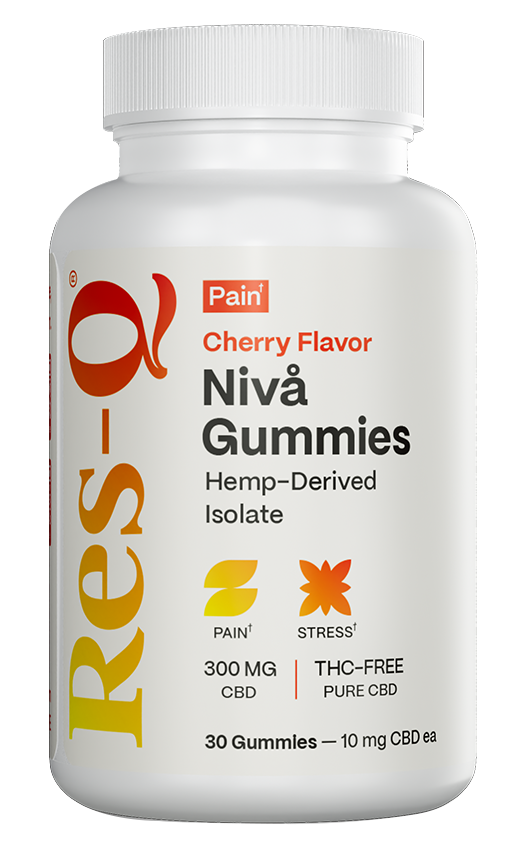
The CBD Your Body ACTUALLY ABSORBS
Most CBD passes right through you. This one doesn't — 440% better absorption, zero THC, made in the U.S.
See Why People Are SwitchingMoving Forward With CBD Edibles for Pain Management
CBD edibles for pain management are not a miracle solution. They are a tool. For many adults 55 and older, they have become a meaningful part of managing chronic pain, improving sleep, and reducing the anxiety that pain creates. The evidence is still catching up to the demand, but what exists — combined with millions of user experiences — paints a consistent picture. CBD works for a lot of people when used correctly, dosed carefully, and sourced from reputable companies.
The most important steps are simple. Start with a low dose. Choose a product with a verified COA. Talk to your doctor about interactions. Give it at least three to four weeks. Track what you feel. And do not settle for a product just because it has nice packaging or a celebrity endorsement.
Your experience with cbd for pain management will be your own. No article or review can replace the data you collect from your own body over a few weeks of consistent use. But going in informed — knowing what to look for, what to avoid, and what realistic expectations look like — puts you ahead of most first-time buyers.
Read the rest of our articles and more useful info down below for deeper comparisons, brand-specific reviews, and updated dosage research as new studies are published throughout 2026.