

What Does CBD Oil Taste Like — The Honest Answer
So, what does cbd oil taste like? The short version: most unflavored CBD oil tastes earthy, slightly bitter, and a little grassy. Some people compare it to olive oil mixed with freshly cut lawn clippings. Others say it reminds them of raw hemp seeds or the smell of a health food store. It is not sweet. It is not pleasant for most first-time users. And depending on the type of CBD you buy, the flavor can range from almost nothing to genuinely difficult to swallow.
That might sound harsh. But being upfront matters more than sugarcoating it. CBD oil is a wellness product derived from the hemp plant, and plants have flavor profiles tied to their chemical makeup. The taste you experience depends on the spectrum type, the carrier oil, the extraction method, and whether the manufacturer added any flavoring. Each one of those variables shifts the cbd taste in a noticeable way.
Tired of guessing which CBD actually works?
Find What Works for Your Body
A less-than 60 second wellness match for adults exploring plant-based relief
What’s bothering you most right now?
Select the one that impacts your day the most
How long have you been dealing with this?
There's no wrong answer — this helps us tailor your match
How much does it affect your daily routine?
Be honest — this shapes your recommendation
What have you tried so far?
Knowing what hasn't worked helps us find what will
How familiar are you with CBD?
No judgment — everyone starts somewhere
What sounds easiest to add to your routine?
Think about what fits your lifestyle, not what sounds fancy
What matters most to you in a product?
Pick the one that would seal the deal for you
YOUR MATCH IS READY
We'll include your personalized match plus a first-timer's guide based on your answers.
Where should we send your recommendation?
🔒 No spam, ever. Your info is kept 100% secure.
If you'd rather not wait — based on your answers about your symptoms, we'd point you straight to our trusted partner.
Skip to My Match →This article breaks down every factor that affects how CBD oil tastes. We will cover each spectrum type, compare CBD oil to hemp seed oil, explain why some brands taste worse than others, and give you practical ways to deal with the flavor if you cannot stand it. No vague generalizations. Just real descriptions based on what the products actually deliver.
The Baseline Flavor of CBD Oil
Earthy, Grassy, and Sometimes Nutty
Raw, unflavored CBD oil has a dominant earthy flavor. This comes from the naturally occurring terpenes in the hemp plant. Terpenes are aromatic compounds found in all plants. In hemp, the most common ones include myrcene, pinene, and linalool. Myrcene tends to produce a musky, herbal note. Pinene adds a faint pine-like sharpness. Linalool brings a subtle floral edge. Together, they create a layered botanical profile that sits heavy on the tongue.
There is also a grassiness that catches most people off guard. It is similar to chewing on a wheat grass shot but thicker. Some users describe a faint nuttiness underneath, especially when the carrier oil is hemp seed oil or MCT oil. That nutty undercurrent can make the overall taste more tolerable for some. For others, it amplifies the plant-forward flavor in a way they find overwhelming.
Why Some CBD Oils Taste Bitter
Bitterness in CBD oil typically comes from two sources: chlorophyll and flavonoids. Chlorophyll is the green pigment in plant material. If the extraction process pulls in more chlorophyll than necessary, the oil will have a noticeably bitter, almost medicinal quality. You can usually spot these oils by their dark green color.
Flavonoids contribute too. Hemp contains over 20 identified flavonoids, including cannflavin A and cannflavin B. These are unique to cannabis plants. They serve biological functions in the plant, but they also add a layer of sharpness to the cbd taste that a lot of people describe as unpleasant. Higher-quality extraction methods tend to minimize the harshness without stripping out the beneficial compounds.
Full-Spectrum vs. Broad-Spectrum vs. Isolate — How the Taste Changes
The type of CBD extract used in your oil is the single biggest factor in how it tastes. There are three main types, and each one has a distinct flavor profile. Understanding the differences helps you pick a product that matches your tolerance.
Full-Spectrum CBD Oil Taste
Full-spectrum CBD oil contains the complete range of cannabinoids, terpenes, and flavonoids from the hemp plant, including trace amounts of THC (under 0.3%). This makes it the strongest-tasting option. The flavor is deeply earthy, slightly spicy, and can lean toward peppery depending on the terpene content. There is usually a lingering aftertaste that sticks around for a few minutes after you swallow.
A friend of mine tried full-spectrum CBD oil for the first time last year and texted me: “It tastes like licking a forest floor.” Dramatic, but not entirely wrong. Full-spectrum products carry the most complex flavor because nothing has been filtered out. That is also why many people believe they are the most effective — the entourage effect theory suggests that all those compounds work better together than in isolation.
Broad-Spectrum CBD Oil Taste
Broad-spectrum CBD oil goes through additional processing to remove the THC while keeping other cannabinoids and terpenes intact. The result is a slightly milder version of the full-spectrum taste. It still has that earthy, herbal quality, but the sharpness is dialed back. The bitterness is usually less intense too.
Many users who cannot tolerate full-spectrum flavor find broad-spectrum to be a reasonable middle ground. You still get a grassy, botanical cbd taste. It just does not punch you in the mouth quite as hard.
CBD Isolate Taste
CBD isolate is pure cannabidiol — 99% or higher — with all other plant compounds removed. This is the mildest-tasting option by a significant margin. In its raw crystalline form, CBD isolate is nearly tasteless. When dissolved into a carrier oil, it picks up the flavor of that oil more than anything else. So if the carrier is MCT oil, the overall taste leans slightly coconut. If the carrier is olive oil, it tastes like olive oil. The CBD itself contributes almost nothing to the flavor.
For people who genuinely hate the taste of hemp-derived products, isolate-based oils are the easiest to tolerate. The trade-off is that you lose the potential benefits of the entourage effect. Whether that matters depends on why you are using CBD in the first place.
Looking For Something Pure & Potent?
If your current CBD isn't full-spectrum and U.S.-sourced, you're wasting money
Check Out This Full-Spectrum, American Made CBDWhat Does Hemp Oil Taste Like Compared to CBD Oil
This is a question that comes up constantly, and the confusion is understandable. “Hemp oil” and “CBD oil” are not the same product, even though they come from the same plant species. Hemp seed oil — which is what most people mean when they ask what does hemp oil taste like — is cold-pressed from hemp seeds. It contains little to no CBD. CBD oil is extracted from the flowers, leaves, and stalks of the hemp plant, where cannabinoids are concentrated.
Hemp seed oil has a distinctly nutty flavor. Think sunflower seeds or walnuts, but with a greener, grassier edge. It is much milder than CBD oil. There is no bitterness to speak of, no heavy herbal aftertaste, and the texture is lighter. It tastes like what it is — a seed-based cooking oil.
CBD oil, on the other hand, is heavier, more botanical, and has that signature earthy bitterness. If you have tried both side by side, the difference is immediately obvious. Hemp seed oil is closer to flaxseed oil in terms of flavor. CBD oil is closer to a concentrated herbal tincture. The two products serve completely different purposes, and their taste reflects that.
Why CBD Taste Varies Between Brands
Not all CBD oils taste the same, even within the same spectrum category. Three main variables explain the inconsistency: extraction method, carrier oil, and added flavoring.
Extraction Method Makes a Real Difference
The two most common extraction methods are CO2 extraction and ethanol extraction. CO2 extraction uses pressurized carbon dioxide to pull cannabinoids from the plant. It is considered the gold standard because it produces a cleaner, more refined product. The resulting oil tends to taste smoother, with a milder bitterness and fewer off-notes.
Ethanol extraction uses food-grade alcohol as a solvent. It is effective and cost-efficient, but it tends to pull in more chlorophyll and plant waxes. That means the final product often has a stronger, more bitter cbd taste and a darker color. Some brands use additional winterization and filtration steps to clean up the extract, which helps. Others skip those steps to save on production costs, and you can taste the difference.
There are also cheaper methods like hydrocarbon extraction using butane or propane. These can leave residual solvents in the oil if not purged properly. A chemical or metallic taste in CBD oil is a red flag — it could indicate poor post-processing.
Carrier Oil Changes the Flavor Profile
CBD extract on its own is too concentrated to use directly. Manufacturers dilute it into a carrier oil, and that carrier contributes its own flavor. The most common carrier oils include:
MCT oil (medium-chain triglyceride oil): Derived from coconut oil. Adds a faint, slightly sweet coconut flavor. Very neutral overall. This is the most popular carrier because it does not overpower the CBD and absorbs quickly.
Hemp seed oil: Adds a nutty, grassy dimension. Can amplify the earthy notes already present in the CBD extract. Some people enjoy this because it feels more “natural.” Others find it too strong.
Olive oil: Adds a fruity, peppery flavor that can either complement or clash with the CBD, depending on the olive oil quality. Less common but used by some European brands.
Sunflower oil: Very mild. Adds almost no additional flavor. A good option for people who want the CBD taste to come through without interference.
Flavoring and Sweeteners
A large segment of the CBD market now offers flavored oils. Common flavors include mint, citrus, berry, vanilla, and chocolate. Some brands use natural flavoring derived from essential oils or fruit extracts. Others use artificial flavoring agents. The quality of flavoring varies wildly.
Some flavored CBD oils genuinely taste good — the mint varieties from reputable brands can almost completely mask the hemp taste. Others add a thin layer of synthetic sweetness over the top that does not actually cover the bitterness underneath. You end up tasting both the fake flavor and the earthy hemp, which is arguably worse than just tasting the hemp alone.
If you are going the flavored route, reading user reviews specifically about taste is worth your time. Price is not always an indicator. Some mid-range brands nail the flavoring better than premium ones.
Common Flavored CBD Oils and What They Actually Taste Like
Here is a practical rundown of the most popular flavor categories and what to realistically expect:
Peppermint or spearmint: The most effective at covering hemp flavor. The menthol creates a cooling sensation that distracts from bitterness. Aftertaste is usually minty rather than earthy. Probably the best starting point if you hate the natural cbd taste.
Citrus (orange, lemon, lime): Hit or miss. Good citrus-flavored CBD oils have a bright, tangy opening that fades into a mild hemp finish. Bad ones taste like orange-scented cleaner mixed with grass.
Berry (strawberry, blueberry, mixed berry): Tends to be sweeter. Works well for people who prefer a dessert-like flavor profile. The hemp undertone is still there but softened.
Vanilla: Smooth and creamy when done well. Can feel a little cloying if over-sweetened. Pairs decently with the nuttier notes of hemp seed oil carriers.
Natural or unflavored: What we have been describing throughout this article. Earthy, grassy, bitter, with terpene-driven complexity. Some people grow to appreciate it over time. Many do not.
How to Make CBD Oil Taste Better
If the natural taste is a dealbreaker for you, there are practical ways to work around it without switching products entirely.
Mix It Into Food or Drinks
Adding CBD oil to strong-flavored foods or beverages is the most common workaround. Coffee works well — the bitterness of the coffee and the bitterness of the CBD actually harmonize rather than clash. Smoothies are another solid option because fruit flavors and yogurt mask the earthiness effectively. Some people stir it into peanut butter or drizzle it over dark chocolate.
One thing to be aware of: heat can degrade CBD potency over time. Adding CBD oil to a hot drink immediately before consuming it is fine. Cooking it into food at high temperatures (over 320°F / 160°C) for extended periods may reduce effectiveness. Baking brownies with CBD oil at 350°F for 25 minutes, for instance, will likely cause some potency loss.
Chase It With Something Strong-Flavored
If you take CBD oil sublingually — under the tongue — hold it there for 60 to 90 seconds, then swallow and immediately eat or drink something with a strong flavor. A piece of dark chocolate, a sip of juice, a bite of a citrus fruit. This does not change the initial taste, but it clears the aftertaste quickly.
Switch to Capsules, Gummies, or Softgels
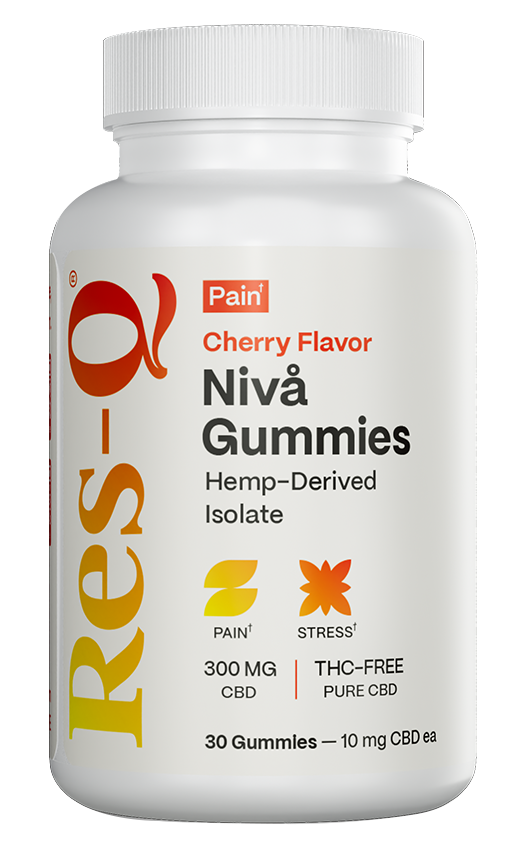
If taste is your primary barrier, you do not have to use oil at all. CBD capsules and softgels bypass your taste buds entirely. You swallow them like any other supplement. Gummies come in fruit flavors that fully mask the CBD. The downside is slightly slower absorption compared to sublingual oil, and gummies often contain added sugar. But if the alternative is not taking CBD at all because you hate the taste, a format switch is the practical move.
Does the Taste Tell You Anything About Quality
To some degree, yes. There are a few taste-based red flags worth knowing about.
A strong chemical or solvent-like taste suggests poor extraction or insufficient purging of residual solvents. This is a quality control issue. Any reputable brand provides third-party lab results (Certificates of Analysis) showing solvent residual testing. If your oil tastes like chemicals and the brand cannot produce those lab results, stop using it.
An extremely bitter, almost burnt taste can indicate over-processed or oxidized oil. CBD oil does degrade over time, especially when exposed to light, heat, or air. If your oil tastes significantly worse than when you first opened it, check the expiration date. Most CBD oils have a shelf life of 12 to 24 months when stored properly — in a cool, dark place with the cap tightly sealed.
A completely tasteless full-spectrum oil is also suspicious. Full-spectrum products should have at least some earthy, terpene-driven flavor. If it tastes like pure carrier oil with nothing else, the CBD concentration may be lower than advertised. Again, third-party lab results are your verification tool.
On the positive side, a clean, earthy, slightly bitter taste with herbal complexity is generally a sign that the oil is well-made and contains the expected range of plant compounds.
The CBD Your Body ACTUALLY ABSORBS
Most CBD passes right through you. This one doesn't — 440% better absorption, zero THC, made in the U.S.
See Why People Are SwitchingWhat First-Time Users Commonly Report
First-time CBD oil users tend to fall into three camps when it comes to taste reactions.
The first group finds the flavor tolerable from the start. These are often people who already consume herbal supplements, green juices, or health foods with strong natural flavors. The earthiness of CBD oil does not shock them because their palate is already adjusted to botanical products.
The second group dislikes the taste initially but adjusts within a week or two of daily use. This is the most common experience reported in user surveys and product reviews. The taste does not objectively change, but your brain stops flagging it as unusual after repeated exposure. One Reddit user described it as “the same thing that happened when I started drinking black coffee — awful at first, then fine, then almost enjoyable.”
The third group never adjusts. The cbd taste remains unpleasant no matter how many times they try. For this group, flavored oils, capsules, or edibles are the practical solution. There is no benefit to forcing yourself through a taste you genuinely hate every single day.
Does CBD Oil Taste Like Marijuana
This is one of the most common questions around cbd taste, and the answer is: sort of, but not really. CBD oil and marijuana both come from the cannabis plant family. They share many of the same terpenes, which means there is an overlapping earthy, herbal quality. If you have ever smelled fresh cannabis, some of that aromatic profile carries into full-spectrum CBD oil.
However, CBD oil does not taste like smoking marijuana. There is no smoky, burnt quality. There is no harshness in the throat. And because CBD oil contains minimal THC (under 0.3% in legal products), the specific sharp, skunky flavor associated with high-THC strains is either absent or barely detectable.
The overlap is mostly in the terpene department. If myrcene-heavy strains remind you of mangoes and musk, you might pick up similar notes in a full-spectrum CBD oil. But the overall experience is closer to taking an herbal tincture than anything related to recreational cannabis use.
How Temperature Affects CBD Oil Flavor
Cold CBD oil tends to taste milder. The viscosity increases when chilled, which means it coats your tongue differently and releases fewer volatile aromatic compounds. Some users store their CBD oil in the refrigerator specifically to reduce the flavor intensity. The trade-off is that cold oil is thicker and harder to dose accurately with a dropper.
Room temperature oil gives you the fullest taste experience. All the terpenes and flavonoids are active and detectable. This is the standard recommended storage and dosing condition.
Warm CBD oil releases more aromatic compounds and can taste stronger. Adding it to hot coffee or tea will temporarily intensify the flavor before the beverage’s own taste takes over. Warming the bottle in your hands for a minute before dosing can also make the oil flow more smoothly from the dropper.
Frequently Asked Questions About CBD Oil Taste
Does CBD oil taste like weed?
There is a mild similarity due to shared terpenes, but CBD oil does not taste like smoking or consuming marijuana. Full-spectrum CBD oil has an earthy, herbal profile that overlaps with raw cannabis aromatics, but it lacks the smoky, skunky sharpness associated with high-THC products.
Why does my CBD oil taste so bad?
The bitter, grassy taste comes from natural plant compounds including chlorophyll, flavonoids, and terpenes. Full-spectrum oils taste the strongest. If the taste is chemical or metallic, that could indicate a low-quality extraction process. Check for third-party lab results from your brand.
What is the best-tasting CBD oil flavor?
Peppermint and spearmint flavored CBD oils consistently receive the highest taste ratings across consumer reviews. The menthol effectively masks the natural bitterness. Citrus flavors are a close second for most users.
Does CBD oil taste different under the tongue?
Yes. Sublingual dosing puts the oil in direct contact with your taste buds for 60 to 90 seconds, which intensifies the flavor compared to swallowing it immediately or mixing it into food. The earthy bitterness is more pronounced with sublingual use.
Can I add CBD oil to coffee to hide the taste?
Absolutely. Coffee is one of the most popular vehicles for CBD oil because both are bitter, and the coffee flavor dominates. Add your dose to a freshly brewed cup and stir well. The CBD taste becomes nearly undetectable in medium to dark roast coffee.
What does hemp oil taste like versus CBD oil?
Hemp seed oil tastes nutty and mildly grassy, similar to sunflower or walnut oil. It is significantly milder and less bitter than CBD oil. The two are different products — hemp seed oil comes from seeds and contains negligible cannabinoids, while CBD oil is extracted from flowers and stalks.
Finding a CBD Oil That Works for Your Palate
What does cbd oil taste like is not a question with one fixed answer. The flavor shifts depending on spectrum type, extraction quality, carrier oil, and added flavoring. Full-spectrum oils deliver the most intense earthy, bitter, herbal experience. Isolate-based oils are nearly neutral. Flavored options cover a wide range of effectiveness. Your best approach is to start with a small bottle, test your tolerance, and adjust from there. If sublingual oil is unbearable, capsules and gummies eliminate the taste issue entirely without sacrificing the benefits.
Read the rest of our articles and more useful info down below for deeper dives into CBD product comparisons, dosing guides, and brand-specific reviews that help you find exactly what fits.