

Flavored CBD Oil — What It Is, How It Works, and Whether It’s Worth It
Most CBD oil tastes like dirt. That’s not an exaggeration. Raw hemp extract carries an earthy, bitter, almost grassy flavor that makes a lot of people gag on their first dropper. Flavored CBD oil exists because of that exact problem. Brands started adding natural flavors — mint, citrus, berry, vanilla — to make the sublingual experience tolerable. And in a lot of cases, actually pleasant.
This article covers what flavored CBD oil is, how it’s made, what flavors are worth your money, and how to flavor CBD oil yourself if you’d rather go the DIY route. We’ll also break down mint flavored CBD oil specifically, because it continues to dominate sales numbers year after year. Along with that — buying tips, dosing facts, common mistakes, and the stuff most articles leave out.
Tired of guessing which CBD actually works?
Find What Works for Your Body
A less-than 60 second wellness match for adults exploring plant-based relief
What’s bothering you most right now?
Select the one that impacts your day the most
How long have you been dealing with this?
There's no wrong answer — this helps us tailor your match
How much does it affect your daily routine?
Be honest — this shapes your recommendation
What have you tried so far?
Knowing what hasn't worked helps us find what will
How familiar are you with CBD?
No judgment — everyone starts somewhere
What sounds easiest to add to your routine?
Think about what fits your lifestyle, not what sounds fancy
What matters most to you in a product?
Pick the one that would seal the deal for you
YOUR MATCH IS READY
We'll include your personalized match plus a first-timer's guide based on your answers.
Where should we send your recommendation?
🔒 No spam, ever. Your info is kept 100% secure.
If you'd rather not wait — based on your answers about your symptoms, we'd point you straight to our trusted partner.
Skip to My Match →What Flavored CBD Oil Actually Is
Flavored CBD oil is hemp-derived cannabidiol dissolved in a carrier oil — usually MCT oil — with added natural or artificial flavoring. The CBD itself doesn’t change. The cannabinoid profile stays the same. The only difference is taste.
Most reputable brands use natural flavorings: steam-distilled essential oils, food-grade terpenes, or organic flavor extracts. Some cheaper products use artificial flavoring agents. Both approaches work for taste. But natural options tend to carry fewer additives and show better compatibility with oil-based formulas over time.
Why Plain CBD Oil Tastes the Way It Does
Hemp plants contain over 100 cannabinoids, dozens of terpenes, and a range of flavonoids. When you extract all of that into an oil — especially through full-spectrum methods — you get a concentrate that tastes intensely vegetal. Think lawn clippings mixed with black pepper and something vaguely metallic. Some people genuinely don’t mind it. Most do.
The bitterness comes largely from chlorophyll and certain terpenes like myrcene and humulene. These compounds carry real therapeutic value, but they also make the oil taste harsh when held under the tongue for 60 to 90 seconds. That’s the core trade-off with full-spectrum products. You get the entourage effect. You also get the flavor that comes with it.
Common Flavor Types on the Market
The flavored CBD oil market has expanded considerably since 2020. Here’s what shows up most often across major retailers and direct-to-consumer brands:
Mint varieties — peppermint, spearmint, wintergreen — hold the top spot. Citrus options like lemon, orange, and grapefruit come second. Berry flavors (strawberry, blueberry, mixed berry) tend to pull newer users who want something sweet. Vanilla and chocolate or mocha round out the selection. And then there’s always the “natural” or unflavored option for people who’ve made peace with the hemp taste.
Mint remains the single highest-selling flavor across nearly every major CBD brand operating in 2026. Citrus holds second. Berry flavors fluctuate seasonally but maintain a steady following.
How to Flavor CBD Oil at Home
This comes up a lot. People buy unflavored CBD oil — maybe because it was cheaper, maybe because they assumed they could handle the taste — and then they want to fix it. The good news is that learning how to flavor CBD oil is straightforward. It doesn’t require special equipment or chemistry knowledge. But there are a few things that will wreck your batch if you’re careless.
Terpenes, Essential Oils, and Flavor Extracts — What’s the Difference
Food-grade terpenes are isolated compounds pulled from plants. Limonene from citrus peels. Linalool from lavender. Beta-caryophyllene from black pepper. They’re concentrated, so you need very small amounts — usually 1 to 3 drops per 30mL bottle of CBD oil. They blend easily with oil-based products because terpenes are lipophilic by nature.
Essential oils are more complex mixtures. They contain multiple terpenes alongside other volatile compounds. Peppermint essential oil, for example, includes menthol, menthone, limonene, and several other constituents. They can work for flavoring CBD oil, but quality matters enormously. Only use essential oils labeled as food-grade or GRAS (Generally Recognized As Safe) by the FDA. Therapeutic-grade essential oils are not always the same thing and are not universally safe for ingestion.
Flavor extracts — like vanilla extract or lemon extract — are typically alcohol-based. You can add them to CBD oil, but the alcohol doesn’t mix perfectly with oil. You’ll get some separation in the bottle. Shaking before use solves it mostly, but it creates a less clean sublingual experience compared to terpenes.
Step by Step: How to Flavor CBD Oil
Start with your unflavored CBD oil. Know the total volume — most bottles are 30mL. Choose your flavoring agent. Terpenes are the easiest to work with and produce the most consistent results.
Add 1 to 2 drops of terpene isolate per 30mL of oil. Cap the bottle. Shake it gently for about 30 seconds. Let it sit for an hour at room temperature. Then taste a small drop on the back of your hand or directly under your tongue. If the flavor is too subtle, add one more drop. If it’s overpowering, you’ve already gone too far — dilute with more plain CBD oil if you have it.
Store in a cool, dark place. Same rules as any CBD oil — heat, light, and oxygen degrade cannabinoids over time.
Mistakes That Ruin Your Batch
The number one mistake is adding too much flavoring. Two drops of limonene per 30mL bottle is plenty. Five drops will make it taste chemical and sharp. Terpenes exist in parts per million in nature. They’re designed to function at low concentrations. A little goes unreasonably far.
Second mistake: using water-based flavorings. Kool-Aid powder, water-based food coloring drops, fruit juice — none of these mix with oil. You’ll end up with a separated, unusable mess at the bottom of your bottle.
Third: using essential oils that aren’t cleared for ingestion. Tea tree oil, eucalyptus oil, camphor oil, and several others are toxic when swallowed. Always verify the specific essential oil you’re using is labeled food-safe before putting it in anything you plan to consume.
Mint Flavored CBD Oil and Why It Outsells Everything Else
Mint flavored CBD oil has held the top sales position in the U.S. CBD market for years running. According to industry data from Brightfield Group, mint and peppermint flavors account for roughly 35 to 40 percent of all flavored CBD oil sales. That’s more than citrus and berry combined.
There are practical reasons for this dominance beyond simple taste preference. Menthol — the primary active compound in peppermint oil — produces a cooling, slightly numbing effect on the tongue and soft palate. This directly counteracts the burning, bitter sensation that raw hemp extract causes when held sublingually. Mint flavoring isn’t just covering the taste. It’s actively altering the sensory experience in a way that makes the whole process more comfortable.
Peppermint also carries its own documented health properties. A 2019 study published in Phytotherapy Research found that peppermint oil can reduce nausea and support digestion. Combined with CBD — which has its own established anti-nausea effects — mint flavored CBD oil functions as a practical pairing, not merely a taste choice.
Peppermint vs. Spearmint — They’re Not the Same
Peppermint contains 35 to 45 percent menthol. Spearmint contains less than 1 percent. That gap means peppermint delivers a much stronger cooling sensation on the tongue and throat, while spearmint reads sweeter and milder. Both get used in commercial flavored CBD oil, but they create measurably different user experiences.
Most brands lean toward peppermint because the menthol content does a better job overriding hemp flavor. Spearmint-based products appeal to people who find peppermint too aggressive or who want something closer to a mild herbal tea taste. If you’re learning how to flavor CBD oil at home and want a mint profile, peppermint essential oil — confirmed food-grade — will give you more effective coverage per drop.
Looking For Something Pure & Potent?
If your current CBD isn't full-spectrum and U.S.-sourced, you're wasting money
Check Out This Full-Spectrum, American Made CBDWhat to Look for When Buying Flavored CBD Oil
Not all flavored CBD oil carries the same quality. Price differences between brands can stretch past 300 percent for identical CBD concentrations. Some of that markup is branding. Some of it reflects real differences in sourcing, extraction, and testing. Here’s how to tell which is which.
The Carrier Oil Matters More Than You Think
MCT oil — medium-chain triglyceride oil, most commonly derived from coconut — is the industry standard carrier for CBD tinctures. It’s nearly tasteless, absorbs through mucous membranes quickly, and has strong bioavailability. A 2012 study published in the American Journal of Clinical Nutrition found that MCT oil increased absorption of fat-soluble compounds by up to three times compared to long-chain fatty acids like those found in olive oil.
Hemp seed oil is another common carrier option. It contributes omega-3 and omega-6 fatty acids, which have their own nutritional value. But hemp seed oil also adds a nutty, sometimes bitter taste of its own that can compete with added flavoring and create a muddled flavor profile. For a product where taste is the whole point, that works against the goal.
Olive oil shows up occasionally in CBD formulations. It functions as a carrier, but it’s thick and carries a distinctly savory flavor. For flavored CBD oil specifically, MCT is the strongest base. Cleaner taste, better absorption, more neutral.
Third-Party Lab Testing Is Non-Negotiable
Every legitimate CBD company provides a Certificate of Analysis — called a COA — from an independent, ISO 17025-accredited laboratory. This document verifies exact cannabinoid concentrations (CBD, THC, CBG, CBN, and others), heavy metal testing results, pesticide screening, residual solvent analysis, and microbial contamination checks.
If a brand doesn’t have current COAs available on their website or upon request, walk away. The FDA has repeatedly found CBD products that contain far less CBD than what the label claims. In 2020, the FDA tested 147 products and found that nearly half were significantly mislabeled for cannabinoid content — some containing as little as 10 percent of the stated CBD amount.
Flavored products deserve extra scrutiny on this front. A strong mint or citrus flavor can effectively mask off-tastes caused by poor extraction, old hemp, or contaminated source material. The COA is the only way to verify what’s actually in the bottle beyond the flavoring.
Spectrum Type — Full, Broad, or Isolate
This distinction affects both the way flavored CBD oil works and the way it tastes.
Full-spectrum CBD oil contains every cannabinoid naturally present in the hemp plant, including up to 0.3 percent THC — the federal legal limit established by the 2018 Farm Bill. It also retains terpenes and flavonoids. This makes full-spectrum the strongest-tasting option. The upside is the entourage effect — the theory, supported by research from the Lautenberg Center for Immunology in 2015, that cannabinoids produce greater therapeutic effects when working together than any single compound does in isolation.
Broad-spectrum extracts remove the THC while preserving other cannabinoids and terpenes. The taste sits close to full-spectrum, slightly milder. It’s a middle ground for people who want some entourage benefit without any THC exposure.
CBD isolate is pure cannabidiol — 99 percent purity or higher, with no other cannabinoids, no terpenes, no flavonoids. On its own, isolate is nearly tasteless. Flavored CBD oil made from isolate delivers the cleanest, most consistent flavor experience because there’s virtually no hemp taste competing with the added mint, citrus, or berry. The trade-off is a less complex cannabinoid profile.
For people who care most about taste, isolate-based flavored CBD oil is the clear winner. For people chasing maximum therapeutic effect, full-spectrum with well-executed flavoring is the better path.
How Flavored CBD Oil Gets Made at Scale
Commercial production follows a more controlled pipeline than what happens in a kitchen. Industrial hemp is cultivated, harvested, and dried. CBD is extracted — most commonly through supercritical CO2 extraction, a method that uses pressurized carbon dioxide at specific temperatures and pressures to pull cannabinoids and terpenes from plant material. CO2 extraction is the preferred method for premium brands because it leaves no residual solvents and allows granular control over which compounds end up in the final extract.
The raw extract, called crude oil, goes through winterization — a refinement step that removes fats, waxes, and lipids by dissolving the crude in ethanol and freezing it. The solution is then filtered, and the ethanol is evaporated off. After winterization, the extract is distilled to increase CBD concentration. For isolate products, an additional chromatography purification step brings purity above 99 percent.
Once the CBD distillate or isolate is prepared, it’s blended with carrier oil at precise ratios to reach the target concentration — 500mg, 1000mg, 1500mg, or 3000mg per 30mL bottle are common options.
Flavoring is added as the final step. Commercial facilities measure flavoring agents by weight rather than volume for consistency across batches. They also run accelerated stability testing — storing samples at elevated temperatures to simulate months of shelf life — to confirm the flavor holds up over time. Most properly manufactured flavored CBD oil maintains its quality for 12 to 18 months when stored according to label instructions.
Does Flavor Change How You Dose CBD Oil
No. Added flavoring doesn’t alter CBD concentration in any practical way. A 30mL bottle labeled at 1500mg contains approximately 50mg of CBD per milliliter — one full dropper — regardless of whether it’s mint flavored, citrus flavored, or completely unflavored. The flavoring compounds occupy such a small percentage of total volume, usually well under 1 percent, that the dilution effect on CBD content is negligible.
What flavor does change is compliance. Research on medication adherence consistently shows that taste ranks among the most powerful factors in whether someone sticks with an oral regimen. A 2017 review in the European Journal of Pharmaceutics and Biopharmaceutics identified unpleasant taste as one of the top three reasons patients discontinued prescribed oral medications voluntarily. The same principle applies to CBD oil. If the taste makes you dread taking it, you skip days. Flavored CBD oil removes that barrier.
Standard dosing guidance remains consistent across flavored and unflavored products. Most practitioners recommend starting between 10 and 25mg per day and adjusting based on individual response over two to four weeks. Factors like body weight, metabolism, the specific condition being addressed, and the spectrum type all influence the optimal dose. Flavor does not.
One thing worth mentioning: some users report that mint flavored CBD oil seems to absorb faster during sublingual administration. The theory is that menthol’s vasodilating and permeation-enhancing properties increase absorption across oral mucous membranes. Formal research on this specific application is limited, but menthol has been well-documented as a permeation enhancer in transdermal drug delivery studies. Whether that mechanism translates directly to sublingual CBD absorption hasn’t been conclusively established, but the anecdotal reports are consistent enough across user communities to note.
Frequently Asked Questions About Flavored CBD Oil
Is flavored CBD oil safe to use daily?
When manufactured with food-grade flavorings and properly extracted CBD from compliant hemp, flavored CBD oil is considered as safe as unflavored products for daily use. Always verify the product’s COA for contaminant testing before committing to regular use.
Can I add flavor to CBD oil I already own?
Yes. This is one of the most common entry points for learning how to flavor CBD oil at home. Use food-grade terpene isolates or GRAS-certified essential oils. Start with 1 to 2 drops per 30mL bottle, shake, and taste after an hour.
Does flavored CBD oil work as well as unflavored?
The CBD content and therapeutic efficacy remain identical between flavored and unflavored versions at the same concentration. Flavoring agents don’t interact with or diminish cannabinoid function.
What is the most popular flavor of CBD oil?
Mint flavored CBD oil — peppermint specifically — holds the top sales position and consistently receives the highest user ratings for effective taste masking. Citrus runs second across most brands. Personal preference varies, but peppermint appeals to the widest demographic.
Does flavored CBD oil expire faster than unflavored?
Not by a significant margin. Added flavoring agents can introduce their own minor shelf life considerations, but properly formulated commercial products maintain quality for 12 to 18 months. Keep the bottle in a cool, dark location with the cap sealed tight.
Can flavored CBD oil be used in food and drinks?
It can, with a caveat. Heating CBD above 320 degrees Fahrenheit (160 degrees Celsius) causes cannabinoid degradation. Low-heat or no-heat applications work best — adding drops to smoothies, salad dressings, yogurt, or cooled coffee. The flavor will carry through into whatever you mix it with.
Bringing It Together
Flavored CBD oil solves a real and persistent problem for people who want the benefits of cannabidiol but can’t tolerate the natural hemp taste that comes with quality extracts. Whether you buy a mint flavored CBD oil from a tested brand or learn how to flavor CBD oil at home using food-grade terpenes, the underlying product remains unchanged. The cannabinoids do what they do. The flavor just removes the grimace from the routine.
Focus on the COA. Pay attention to the carrier oil. Know whether you’re buying full-spectrum, broad-spectrum, or isolate — and why that choice matters for both effect and taste. Those three factors carry more weight than any flavor name printed on a label.
Read the rest of our articles and more useful info down below for deeper breakdowns on CBD products, dosing guides, and brand comparisons.
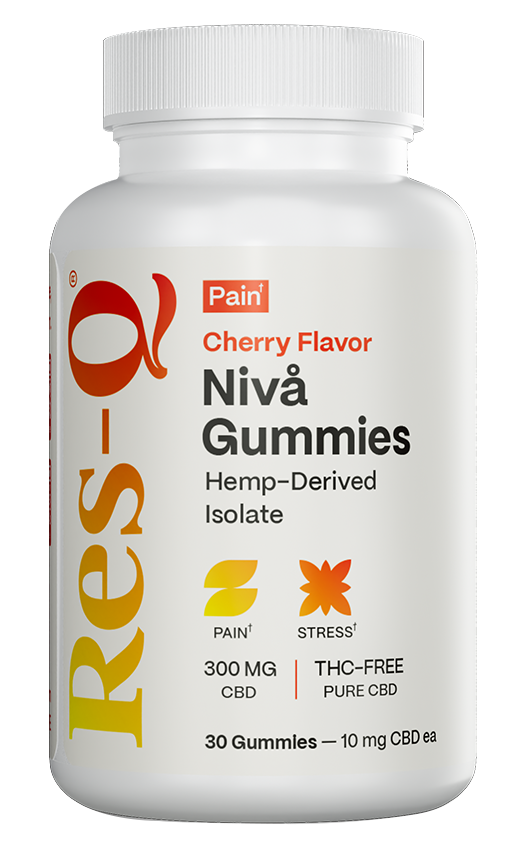
The CBD Your Body ACTUALLY ABSORBS
Most CBD passes right through you. This one doesn't — 440% better absorption, zero THC, made in the U.S.
See Why People Are Switching