

CBD Oil vs Tincture — The Difference Actually Matters
If you’ve ever stood in a store staring at two nearly identical bottles — one labeled “CBD oil” and the other “CBD tincture” — you’re not alone. The cbd oil vs tincture debate trips up almost everyone, including people who’ve been buying CBD for years. Most brands don’t help. They use the terms interchangeably. Some slap both words on the same label. It’s a mess.
Here’s the thing. These are two different products. They’re made differently, they absorb differently, they taste different, and depending on what you’re using CBD for, one might work noticeably better for you than the other. This article breaks down every meaningful difference so you can stop guessing and start buying the right thing.
Tired of guessing which CBD actually works?
Find What Works for Your Body
A less-than 60 second wellness match for adults exploring plant-based relief
What’s bothering you most right now?
Select the one that impacts your day the most
How long have you been dealing with this?
There's no wrong answer — this helps us tailor your match
How much does it affect your daily routine?
Be honest — this shapes your recommendation
What have you tried so far?
Knowing what hasn't worked helps us find what will
How familiar are you with CBD?
No judgment — everyone starts somewhere
What sounds easiest to add to your routine?
Think about what fits your lifestyle, not what sounds fancy
What matters most to you in a product?
Pick the one that would seal the deal for you
YOUR MATCH IS READY
We'll include your personalized match plus a first-timer's guide based on your answers.
Where should we send your recommendation?
🔒 No spam, ever. Your info is kept 100% secure.
If you'd rather not wait — based on your answers about your symptoms, we'd point you straight to our trusted partner.
Skip to My Match →What Is CBD Oil, Exactly?
CBD oil is cannabidiol that’s been extracted from hemp and then suspended in a carrier oil. That carrier oil is usually MCT oil (derived from coconut), hemp seed oil, or sometimes olive oil. The extraction method matters. Most reputable companies use CO2 extraction, which pulls cannabinoids out of the plant material using pressurized carbon dioxide. No solvents involved. The result is a thick, oily liquid that you take sublingually — meaning you drop it under your tongue and hold it there for 30 to 60 seconds before swallowing.
CO2 extraction tends to preserve a broader range of cannabinoids and terpenes. That’s relevant if you’re looking for what the industry calls a “full-spectrum” product. Full-spectrum means you’re getting CBD plus trace amounts of THC (under 0.3%), CBG, CBN, and various terpenes like myrcene and linalool. These compounds work together in what researchers call the entourage effect — the idea that cannabinoids are more effective when they’re consumed together rather than in isolation.
A standard CBD oil bottle holds 30 mL. Concentrations range from 300 mg on the low end to 3000 mg or more on the high end. A single dropper usually delivers about 1 mL, so if you have a 1500 mg bottle, each full dropper gives you roughly 50 mg of CBD. That math matters when you’re dialing in a dose.
How CBD Oil Absorbs
When you hold CBD oil under your tongue, it absorbs through the sublingual membrane directly into your bloodstream. This bypasses your digestive system and liver, which means more of the CBD actually reaches your system. Bioavailability for sublingual CBD oil sits around 13–35%, depending on the study you read. Compare that to edibles, which clock in around 6–15%. Not amazing either way, but sublingual is measurably better.
Onset time is usually 15 to 45 minutes. Effects tend to last 4 to 6 hours. These numbers shift based on your body weight, metabolism, whether you’ve eaten recently, and the concentration of the product.
What Is a CBD Tincture?
A CBD tincture uses alcohol as the solvent — both for extraction and as the final base liquid. Historically, tinctures are one of the oldest forms of herbal medicine. You soak plant material in high-proof alcohol (usually 60–70% ethanol), which strips out the active compounds. The leftover liquid is the tincture. It’s thinner than oil, often has a sharper taste, and sometimes includes additional ingredients like sweeteners, flavoring agents, or herbal extracts.
The alcohol base changes a few things. First, shelf life. Alcohol is a natural preservative. A properly made CBD tincture can last 3 to 5 years without degrading, while CBD oil typically stays potent for 1 to 2 years if stored correctly — cool, dark, sealed. Second, taste. Tinctures have a noticeable alcohol bite. Some people don’t mind it. Others hate it. That’s partly why many modern “tinctures” have shifted to oil bases, which just adds to the confusion between tincture vs oil.
Alcohol-Based vs Oil-Based: Why the Labels Are Wrong
Here’s where the market gets genuinely misleading. About 80% of products labeled as “tinctures” in 2026 are actually oil-based. They’re CBD oils. The word “tincture” has become a marketing term rather than a technical one. If you flip the bottle around and read the ingredients, you’ll usually see MCT oil or hemp seed oil listed as the base — not alcohol. A true tincture will list alcohol or ethanol on the label.
This mislabeling isn’t illegal, but it’s sloppy. And it’s the main reason the question “is cbd oil the same as cbd tincture” comes up so often. Technically, no. Practically, because of how companies label things, the bottle you’re holding could be either one regardless of what the front says. Always read the ingredients panel. Always.
CBD Oil vs Tincture: A Direct Comparison
Extraction and Base Liquid
CBD oil uses CO2 or solventless extraction and sits in a carrier oil. CBD tinctures use alcohol extraction and sit in an alcohol base. The extraction method affects what compounds survive the process. CO2 extraction is better at preserving heat-sensitive terpenes. Alcohol extraction is efficient and cost-effective but can degrade some volatile compounds if temperatures aren’t carefully controlled.
Bioavailability and Absorption Speed
Both products can be taken sublingually. But alcohol-based tinctures may absorb slightly faster because alcohol is a vasodilator — it temporarily widens blood vessels under the tongue, which can speed up the transfer of CBD into the bloodstream. The difference is minor in practice. We’re talking minutes, not hours. If you’re chasing maximum absorption, the sublingual method matters more than whether your base is oil or alcohol.
One real-world observation: people who mix CBD into food or drinks tend to prefer oil-based products because oil blends more easily into smoothies, coffee, or salad dressings. Tinctures can leave a harsh alcohol taste that doesn’t mix well with most foods.
Taste and Palatability
CBD oil tastes earthy, grassy, sometimes nutty depending on the carrier oil. Full-spectrum oils have a stronger plant flavor because of the additional cannabinoids and terpenes. Broad-spectrum and isolate-based oils are milder. Many brands add natural flavorings — peppermint, citrus, vanilla — to make the taste more tolerable.
True alcohol-based CBD tinctures taste sharp. There’s no way around it. The ethanol hits your palate before anything else. Some manufacturers add sweeteners like stevia or vegetable glycerin to soften the blow. Flavored tinctures exist, but the alcohol base still comes through.
Shelf Life and Storage
Alcohol-based tinctures win on longevity. Three to five years when stored properly in a dark glass bottle away from heat and light. CBD oils last 12 to 24 months under the same conditions. After that, the cannabinoids start to degrade. The oil can go rancid. You’ll notice a change in taste and color — the oil gets darker and tastes off. If your CBD oil smells funky, it’s expired. Throw it out.
Price
Alcohol-based tinctures are generally cheaper to produce because ethanol extraction costs less than CO2 extraction. That said, the retail price difference is often negligible because most companies price based on CBD concentration per bottle rather than extraction method. A 1000 mg bottle will cost roughly the same whether it’s oil or tincture. Expect to pay between $40 and $120 for a quality 30 mL bottle in that concentration range, depending on the brand and whether it’s full-spectrum.
Looking For Something Pure & Potent?
If your current CBD isn't full-spectrum and U.S.-sourced, you're wasting money
Check Out This Full-Spectrum, American Made CBDWhich One Should You Actually Use?
This depends on what you care about. There’s no universal answer, but here are some practical guidelines based on real usage patterns.
Choose CBD Oil If:
You can’t stand the taste of alcohol. You want to cook with it or add it to drinks. You prefer full-spectrum products with a wide range of cannabinoids. You don’t mind replacing the bottle every year or so. You want the widest selection of brands and concentrations — the oil market is significantly larger than the true tincture market.
Choose a CBD Tincture If:
You want a product with a longer shelf life. You’re comfortable with an alcohol taste. You’re looking for slightly faster sublingual absorption. You use other herbal tinctures and want to keep your routine consistent. You’ve found a trusted brand that actually makes real alcohol-based tinctures (they’re harder to find, but they exist).
A Personal Note
I spent three months switching back and forth between a true alcohol-based CBD tincture from a small Vermont company and a CO2-extracted full-spectrum CBD oil from a larger brand. Both were 1500 mg, 30 mL bottles. The tincture hit faster — I could feel the calming effect within about 10 minutes versus closer to 25 with the oil. But the taste was rough. By week six, I was dreading the dropper. The oil tasted like slightly bitter olive oil, which was fine. I ended up sticking with the oil purely because compliance matters. The best CBD product is the one you’ll actually take every day.
Common Mistakes People Make
Assuming the Label Is Accurate
Already covered this, but it’s worth repeating. Most products called “tinctures” are oils. Read the ingredients. If it says MCT oil, coconut oil, or hemp seed oil, you’re holding an oil. Period. A real tincture lists alcohol or ethanol. Don’t let marketing language make your decisions for you.
Ignoring Third-Party Lab Results
Any company worth buying from publishes a Certificate of Analysis (COA) from an independent lab. This tells you exactly how much CBD is in the bottle, whether there’s THC present, and whether the product contains contaminants like heavy metals, pesticides, or residual solvents. A 2023 study published in the Journal of the American Medical Association found that nearly 70% of CBD products sold online were mislabeled — some containing significantly more or less CBD than advertised. That number has improved since stricter state regulations rolled out in 2025, but it’s still not where it should be. Check the COA. Every time.
Taking Too Much Too Fast
CBD is well-tolerated in most people. The World Health Organization confirmed this in their 2017 report. But “well-tolerated” doesn’t mean “zero side effects.” High doses — typically above 150 mg per day for someone who’s never taken CBD — can cause drowsiness, dry mouth, diarrhea, or reduced appetite. Start with 10 to 25 mg once or twice daily. Hold it there for a week. Increase gradually. This applies whether you’re using oil or tincture.
Storing It Wrong
Heat, light, and oxygen degrade CBD. Don’t leave your bottle on the kitchen counter next to the stove. Don’t store it in your car. A cool, dark cabinet works. The refrigerator works too, though oil-based products may thicken up. Let them sit at room temperature for a few minutes before dosing if that happens.
Does It Matter for Specific Conditions?
Sleep
For sleep, timing matters more than the format. Take your dose 30 to 60 minutes before bed. Some people find that full-spectrum CBD oil works better for sleep because the additional cannabinoids — particularly CBN, which has mild sedative properties — contribute to the overall effect. A tincture vs oil comparison here comes down to spectrum, not base liquid. If both products are full-spectrum at the same concentration, the difference in sleep outcomes is likely negligible.
Anxiety
A 2019 study in The Permanente Journal gave 72 adults with anxiety 25 mg of CBD daily. Within the first month, 79.2% reported decreased anxiety scores. The study used CBD capsules, not sublingual products, but the findings are relevant because they confirm effective dosing ranges. For acute anxiety — like before a flight or a presentation — sublingual administration is better than capsules because it works faster. In that scenario, a true alcohol-based tincture might give you a slight edge on speed. But again, we’re talking a difference of minutes.
Pain and Inflammation
Chronic pain is one of the most common reasons people use CBD. A 2020 review in the Journal of Clinical Medicine found evidence supporting CBD’s anti-inflammatory properties, though the authors noted that large-scale clinical trials are still needed. For pain, consistent daily dosing matters more than the delivery format. Pick whichever product — oil or tincture — you’ll use reliably every day.
Legal Status in 2026
The 2018 Farm Bill federally legalized hemp-derived CBD products containing less than 0.3% THC by dry weight. That hasn’t changed. However, individual states have their own regulations. Idaho, for example, only allows CBD products with zero THC — not even trace amounts. Iowa requires a prescription for CBD products. Several states have enacted labeling laws since 2024 that require QR codes linking to COAs directly on product packaging.
The FDA still hasn’t issued comprehensive regulations for CBD in food and supplements, though an updated guidance framework is expected by late 2026. For now, the market operates in a regulatory gray zone where state laws fill the gaps. Know your state’s rules before buying.
How to Read a CBD Label Properly
Five things to look for. Every time.
First: total CBD in milligrams per bottle. Not per serving — per bottle. Then divide by the number of servings (usually 30 for a 30 mL bottle) to get your per-dose amount.
Second: the type of CBD. Full-spectrum means all cannabinoids including trace THC. Broad-spectrum means all cannabinoids minus THC. Isolate means pure CBD only, no other cannabinoids or terpenes.
Third: the base liquid. Oil or alcohol. This is the tincture vs oil distinction that actually matters, and it’s right there on the ingredients list.
Fourth: other ingredients. Flavorings, sweeteners, additional herbal extracts. Know what you’re putting in your body.
Fifth: a batch number or QR code linking to the COA. If it’s not there, find a different brand.
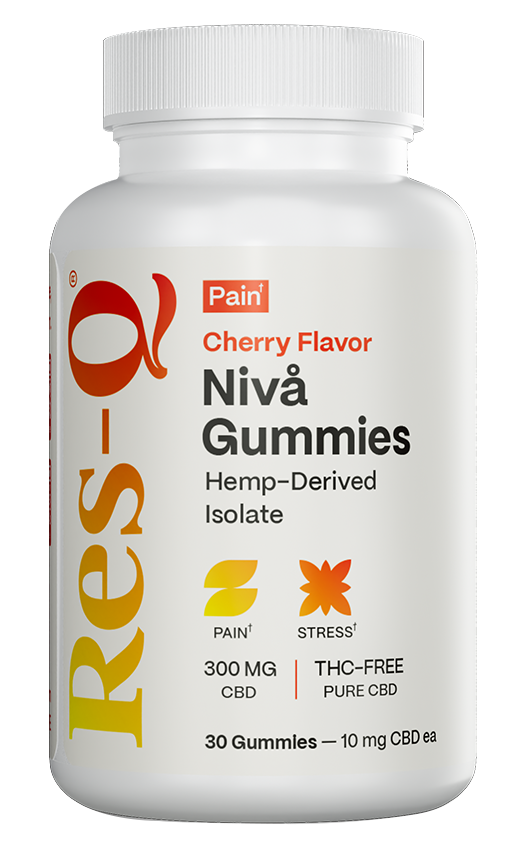
The CBD Your Body ACTUALLY ABSORBS
Most CBD passes right through you. This one doesn't — 440% better absorption, zero THC, made in the U.S.
See Why People Are SwitchingFrequently Asked Questions
Is CBD Oil the Same as CBD Tincture?
No. CBD oil uses a carrier oil as its base — usually MCT or hemp seed oil. A true CBD tincture uses alcohol. They contain the same active ingredient (cannabidiol) but differ in extraction method, base liquid, taste, shelf life, and absorption characteristics. The confusion exists because most companies label oil-based products as tinctures.
Can You Use CBD Oil and CBD Tincture Together?
You can, but there’s no practical reason to. Both deliver CBD. Using both just makes it harder to track your dosage. Pick one and stick with it.
Does CBD Oil Work Faster Than a Tincture?
A true alcohol-based tincture may absorb marginally faster sublingually because alcohol dilates blood vessels under the tongue. In practice, the difference is small — roughly 5 to 15 minutes. Both take effect within 15 to 45 minutes when taken sublingually.
Which Has Fewer Side Effects?
Side effects come from the CBD itself, not the base liquid. However, some people experience stomach irritation from alcohol-based tinctures, especially at higher doses or on an empty stomach. If you have a sensitive stomach or avoid alcohol for personal reasons, oil-based products are the better choice.
How Do I Know If My “Tincture” Is Actually an Oil?
Read the ingredients. If the base is MCT oil, coconut oil, hemp seed oil, or olive oil, it’s an oil regardless of what the front label says. A genuine tincture lists alcohol or ethanol as the primary base ingredient.
What’s the Best Way to Store CBD Products?
Keep them in a cool, dark place with the cap sealed tight. A pantry or medicine cabinet works well. Refrigeration is fine but may cause oil-based products to thicken. Avoid heat, direct sunlight, and leaving the bottle open for extended periods.
Final Thoughts on CBD Oil vs Tincture
The cbd oil vs tincture question has a straightforward answer once you cut through the marketing noise. They’re different products with the same active compound. Oil uses a fat-based carrier. Tincture uses alcohol. Everything else — absorption speed, taste, shelf life, price — flows from that single distinction. Most of what’s sold today is oil, even when the label says tincture. Read the ingredients. Check the COA. Start with a low dose. Be consistent.
Read the rest of our articles and more useful info down below for deeper guides on CBD dosing, product reviews, and the latest regulatory updates that affect what you can buy and where.