

What a CBD Sleep Aid Actually Does
If you’re over 55 and staring at the ceiling at 2 a.m., you already know the drill. You’ve tried the warm milk. The melatonin gummies. Maybe even a prescription that left you groggy until noon. A cbd sleep aid works differently than most of those options, and it’s worth understanding why before you spend a dime.
CBD — short for cannabidiol — interacts with your body’s endocannabinoid system. That system helps regulate sleep, pain response, mood, and inflammation. It doesn’t knock you out the way a sedative does. Instead, it addresses some of the root causes that keep you awake: chronic pain flaring up at night, anxiety that won’t quiet down, restless legs, tension you carry in your shoulders without realizing it.
For adults dealing with overlapping issues — say, arthritis pain and racing thoughts — a single CBD product can potentially help on multiple fronts. That’s a big part of the appeal. You’re not stacking three different pills with three different side-effect profiles.
Tired of guessing which CBD actually works?
Find What Works for Your Body
A less-than 60 second wellness match for adults exploring plant-based relief
What’s bothering you most right now?
Select the one that impacts your day the most
How long have you been dealing with this?
There's no wrong answer — this helps us tailor your match
How much does it affect your daily routine?
Be honest — this shapes your recommendation
What have you tried so far?
Knowing what hasn't worked helps us find what will
How familiar are you with CBD?
No judgment — everyone starts somewhere
What sounds easiest to add to your routine?
Think about what fits your lifestyle, not what sounds fancy
What matters most to you in a product?
Pick the one that would seal the deal for you
YOUR MATCH IS READY
We'll include your personalized match plus a first-timer's guide based on your answers.
Where should we send your recommendation?
🔒 No spam, ever. Your info is kept 100% secure.
If you'd rather not wait — based on your answers about your symptoms, we'd point you straight to our trusted partner.
Skip to My Match →CBD Oil Sleep Aid vs. Other CBD Formats: Which One Works Best
There’s no single “best” format. But there are real differences that matter, especially for older adults.
CBD Oil Tinctures
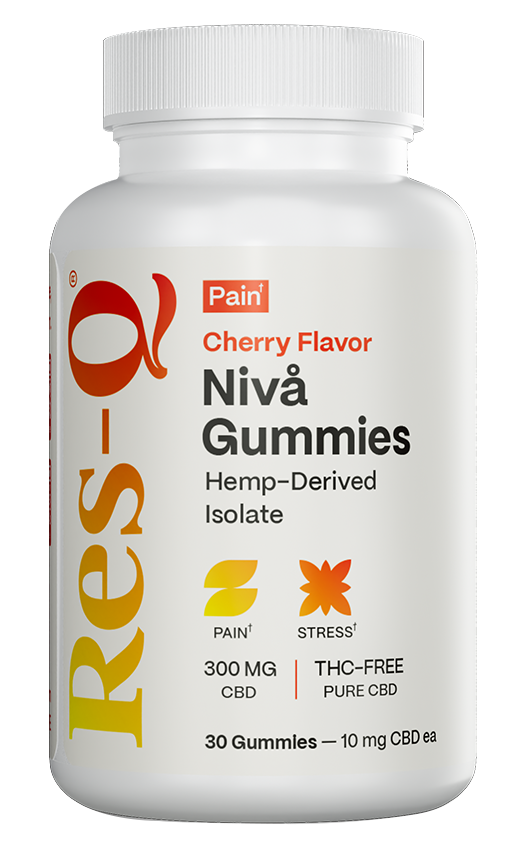
A cbd oil sleep aid taken sublingually — meaning under the tongue — absorbs faster than capsules or edibles. Most people feel effects within 15 to 30 minutes. You hold it under your tongue for about 60 seconds, then swallow. The bioavailability sits around 13–19%, according to a 2018 review published in Frontiers in Pharmacology. That means roughly 13–19% of the CBD you take actually reaches your bloodstream.
Tinctures also give you precise dosage control. You can go up or down by a single milligram if you need to. For someone who’s 57 and weighs 140 pounds, the right dose is going to be different than someone who’s 68 and weighs 210 pounds. Tinctures let you dial it in.
CBD Capsules and Softgels
Capsules are convenient. Pre-measured. No taste. But they pass through your digestive system first, which means slower onset — usually 45 minutes to 2 hours — and lower bioavailability (around 6–13%). If you’re taking them for sleep, you need to plan ahead. Taking a capsule right as you get into bed won’t do much.
CBD Gummies
Gummies are the most popular format on the market right now. They taste better than oil. But many contain added sugar, artificial colors, or melatonin blends. If you’re diabetic or watching your sugar intake, read labels carefully. Some brands pack 3–5 grams of sugar per gummy.
CBD Topicals
Topical creams and balms don’t enter your bloodstream in meaningful amounts. They’re useful for localized pain — sore knees, stiff hands — but they won’t help with sleep directly. Some people use a topical on their joints plus a tincture for sleep. That combination approach is common among adults managing both chronic pain and insomnia.
CBD Sleep Aid Without Melatonin: Why Some People Prefer It
Melatonin is everywhere. It’s in sleep gummies, teas, capsules, even some CBD products. And for a lot of adults over 55, it causes problems.
A 2022 study from the Journal of Clinical Sleep Medicine found that many over-the-counter melatonin products contain up to 347% more melatonin than what the label states. That’s not a typo. The dosing inconsistency is a real issue. Beyond that, melatonin can cause vivid nightmares, morning grogginess, headaches, and in some cases, it interferes with blood pressure medications and blood thinners — medications that adults 55+ are more likely to be taking.
A cbd sleep aid without melatonin avoids all of that. Pure CBD isolate or broad-spectrum CBD products give you the calming, sleep-supporting effects without melatonin’s unpredictability. If you’ve tried melatonin and it made you feel worse, this is the category to explore.
Brands like Charlotte’s Web, Lazarus Naturals, and CBDistillery all offer melatonin-free CBD sleep products. Some use complementary botanicals instead — things like L-theanine, passionflower, or chamomile extract — which tend to be gentler and better tolerated by older adults.
Dosage Guidance: How Much CBD Should You Actually Take for Sleep
This is where it gets personal. There’s no universal dose. But there are starting points backed by clinical data and practitioner recommendations.
Start Low, Go Slow
The most repeated advice in the CBD space — and it’s repeated because it’s correct. Start with 10–15 mg of CBD about 45 minutes before bed. Stay at that dose for 5–7 days. If you’re not noticing improvement, increase by 5 mg. Repeat that cycle until you find your effective dose.
Most adults 55+ land somewhere between 15 mg and 50 mg for sleep. A smaller number need 60–80 mg, especially if chronic pain is part of the equation. A 2019 study published in The Permanente Journal looked at 72 adults with anxiety and poor sleep. Within the first month, 66.7% reported improved sleep scores at 25 mg per day. Anxiety scores improved in 79.2% of participants.
Timing Matters
Take your CBD 30–60 minutes before you want to be asleep. If you’re using a capsule or gummy, push that to 60–90 minutes. Consistency matters more than most people realize. Taking CBD at roughly the same time every night helps your body build a predictable response cycle.
Body Weight and Metabolism
Heavier individuals generally need higher doses. Slower metabolisms — common as we age — mean CBD stays in your system longer. That can be a benefit: you may need less to maintain effects through the night. But it also means you should be cautious about stacking doses if you wake up at 3 a.m. and want to take more. Give your first dose at least 4–5 hours before redosing.
Medication Interactions
CBD is processed by the liver through the cytochrome P450 enzyme system. So are many common medications: statins, certain blood pressure drugs, blood thinners like warfarin, some antidepressants. If you’re on any prescription medication, talk to your doctor or pharmacist before adding a cbd sleep aid. This isn’t a scare tactic. It’s a practical step that takes five minutes and can prevent real problems.
Looking For Something Pure & Potent?
If your current CBD isn't full-spectrum and U.S.-sourced, you're wasting money
Check Out This Full-Spectrum, American Made CBDReal User Experiences: What Adults 55+ Are Saying
Online reviews and forums give a clearer picture than marketing copy ever will. Here’s what patterns actually look like when you sift through hundreds of verified reviews across platforms like Trustpilot, Reddit’s r/CBD community, and brand-specific review sections.
The Positive Patterns
Margaret, 62, from Ohio, posted on a CBD forum in early 2026: “I was taking Ambien for four years. My doctor wanted me off it. I started with 20 mg of CBD oil at night. First week, nothing dramatic. Second week, I started falling asleep within 30 minutes instead of lying there for two hours. By week three, I was sleeping five to six hours straight. That hadn’t happened in years.”
Another user, a 58-year-old man managing lower back pain from a disc injury, wrote: “The pain doesn’t vanish. But it drops from a 7 to a 3 or 4. Enough that I can actually relax and fall asleep. I use 40 mg of full-spectrum oil. The THC trace amount doesn’t bother me — I don’t feel high at all.”
Common themes in positive reviews: better sleep onset (falling asleep faster), fewer nighttime wake-ups, reduced morning stiffness, and — this one comes up a lot — less anxiety in the hours before bed.
The Negative Patterns
Not everyone has a good experience. Some users report no effect at all, even at higher doses. Others experience dry mouth, mild digestive upset, or drowsiness that extends into the morning.
A 67-year-old woman wrote: “I tried three different brands over two months. Spent about $180 total. Didn’t notice any change in my sleep. My doctor thinks I may metabolize it too quickly.” That’s a real outcome. CBD doesn’t work for everyone, and honest product comparisons should say that plainly.
A smaller subset of users report vivid dreams — not nightmares, but unusually detailed dreams. Researchers don’t fully understand why this happens yet, though it may relate to CBD’s effect on REM sleep architecture.
How to Compare CBD Sleep Products Without Getting Misled
The CBD market is still loosely regulated. That means quality varies wildly. Here’s what to actually check.
Third-Party Lab Testing (COAs)
Every reputable brand publishes Certificates of Analysis from independent labs. These confirm the actual CBD content matches the label, and they screen for contaminants: heavy metals, pesticides, residual solvents, mold. If a brand doesn’t have COAs available on their website, skip them. Full stop.
Full-Spectrum vs. Broad-Spectrum vs. Isolate
Full-spectrum contains all cannabinoids from the hemp plant, including up to 0.3% THC. Research suggests the “entourage effect” — where cannabinoids work better together — makes full-spectrum more effective for sleep and pain. A 2020 review in Frontiers in Plant Science supported this theory with preclinical evidence.
Broad-spectrum removes THC but keeps other cannabinoids and terpenes. Good option if you’re subject to drug testing or simply don’t want any THC.
Isolate is pure CBD — nothing else. It tends to be less effective for sleep specifically, but some users prefer the simplicity and predictability.
Hemp Source and Extraction Method
U.S.-grown hemp is subject to USDA regulations under the 2018 Farm Bill. CO2 extraction is the cleanest method — no chemical solvents involved. Ethanol extraction is also acceptable and often less expensive. Avoid products that don’t disclose their extraction method.
Price Per Milligram
This is the only honest way to compare cost. A $30 bottle with 250 mg of CBD costs $0.12 per mg. A $60 bottle with 1500 mg costs $0.04 per mg. The cheaper-looking product is actually four times more expensive per dose. Always do this math before buying.
CBD and Chronic Pain: The Sleep Connection
For adults 55 and older, sleep problems and chronic pain are often the same problem. You can’t sleep because your hip aches. Your hip aches worse because you can’t sleep. It’s a cycle that feeds itself.
CBD’s anti-inflammatory properties are documented in peer-reviewed research. A 2015 study in the European Journal of Pain (animal model) showed that topical CBD reduced joint swelling and pain markers without side effects. Human studies are catching up. A 2022 observational study in the Journal of Cannabis Research followed 253 adults with chronic pain conditions over 8 weeks. Participants using full-spectrum CBD reported a 35% average reduction in pain scores and a 22% improvement in sleep quality.
When pain drops, sleep improves. When sleep improves, pain perception drops further. A cbd sleep aid that also addresses inflammation can interrupt that cycle in a way that a simple sedative never will.
CBD and Anxiety at Night: What the Research Shows
Nighttime anxiety is different from daytime anxiety. During the day, you can distract yourself. At night, there’s nothing between you and your thoughts. Your body’s cortisol levels, which should be dropping in the evening, sometimes spike instead — especially in adults dealing with chronic stress, grief, health concerns, or caregiving responsibilities.
CBD appears to modulate cortisol release. A small but frequently cited 1993 study in the Brazilian Journal of Medical and Biological Research found that 300–600 mg of CBD significantly reduced cortisol levels in participants. More recent work, including a 2019 retrospective case series at a psychiatric clinic, showed that 25 mg of CBD per day decreased anxiety scores in 79.2% of patients within the first month.
That’s not a cure. It’s a tool. And for many adults over 55 who don’t want to start a benzodiazepine or an SSRI — medications with significant side-effect profiles — CBD offers a middle path that’s worth trying under medical guidance.
What to Watch Out For: Red Flags in CBD Sleep Products
A few things should make you close the browser tab immediately:
Claims that CBD “cures” insomnia or any disease. Under FDA regulations, CBD cannot legally be marketed as a cure for anything. Companies that make these claims are either ignorant of the law or willing to mislead you. Neither is good.
No dosage information on the label. You need to know exactly how many milligrams of CBD are in each serving. “Proprietary blend” language is a red flag — it means they’re hiding something, usually a low CBD content padded with cheaper ingredients.
Unrealistically low prices. Quality CBD costs money to produce. If a 1000 mg tincture costs $15, something is wrong. It may contain synthetic cannabinoids, contaminants, or far less CBD than advertised. A 2020 FDA sampling found that nearly half of tested products contained significantly less CBD than claimed.
Celebrity endorsements with no substance. A famous face doesn’t make a product effective. Look for brands endorsed by healthcare practitioners, backed by published research, or recommended by organizations like the Arthritis Foundation (which released CBD guidance in 2019).
The CBD Your Body ACTUALLY ABSORBS
Most CBD passes right through you. This one doesn't — 440% better absorption, zero THC, made in the U.S.
See Why People Are SwitchingBuilding a Nighttime Routine Around CBD
A cbd sleep aid works better when it’s part of a consistent routine. CBD isn’t magic. It’s a supplement. And supplements perform best inside a system.
Here’s what a practical nighttime routine might look like for someone 55+:
8:00 p.m. — Dim overhead lights. Switch to lamps or warm-toned lighting. Bright light suppresses melatonin production (your body’s own melatonin, not the supplement kind).
8:30 p.m. — Take your CBD. If using a tincture, hold under the tongue for 60 seconds. If using a capsule or gummy, account for the longer onset time and take it earlier.
8:30–9:30 p.m. — Low-stimulation activity. Reading (physical books are better than screens), gentle stretching, listening to music, a warm bath. The warm bath isn’t just relaxing — it raises your core body temperature slightly, and the subsequent cool-down signals your brain that it’s time to sleep.
9:30 p.m. — Bed. Same time every night, including weekends. Sleep researchers consistently identify irregular sleep schedules as one of the top contributors to chronic insomnia in older adults.
This kind of structure gives CBD the best chance to work. Taking 25 mg of CBD and then scrolling your phone in bed with all the lights on will produce disappointing results no matter how good the product is.
Frequently Asked Questions About CBD Sleep Aids
Is CBD legal for adults over 55 to buy and use?
Yes. Hemp-derived CBD containing 0.3% THC or less is federally legal in the United States under the 2018 Farm Bill. Individual state laws vary slightly, but the vast majority of states allow sale and possession of hemp-derived CBD products without a prescription.
Will a CBD sleep aid make me feel high?
No. CBD is non-intoxicating. Full-spectrum products contain trace amounts of THC (under 0.3%), which is far below the threshold needed to produce any psychoactive effect. If you’re concerned, choose broad-spectrum or isolate products with zero THC.
How long does it take for CBD to work for sleep?
Most people notice initial effects within the first week, though meaningful, consistent improvement often takes 2–4 weeks of daily use. Individual factors — metabolism, body weight, severity of sleep disruption, concurrent medications — all influence the timeline.
Can I take CBD with my current medications?
CBD can interact with medications processed through the liver’s cytochrome P450 enzyme pathway. This includes statins, warfarin, certain blood pressure medications, and some antidepressants. Always consult your doctor or pharmacist before combining CBD with prescription drugs.
What’s the difference between CBD oil and hemp seed oil?
Hemp seed oil is pressed from hemp seeds and contains no CBD. It’s a nutritional oil rich in omega fatty acids. CBD oil is extracted from the flowers, leaves, and stalks of the hemp plant and contains cannabidiol. Some products use misleading labeling — if the ingredient list says “hemp seed oil” and doesn’t specify CBD content in milligrams, it’s not a CBD product.
Are there side effects of using CBD for sleep?
Reported side effects are generally mild: dry mouth, slight drowsiness the next morning (especially at higher doses), occasional digestive discomfort. These effects tend to diminish as your body adjusts. Serious adverse effects are rare at standard doses (10–80 mg per day).
Moving Forward With Better Sleep
Finding the right cbd sleep aid takes some patience. The first product you try might not be the one that works best. The dose you start with almost certainly won’t be your final dose. That’s normal. The adults 55+ who get the best results are the ones who approach this methodically: start low, track their sleep, adjust gradually, and give each change at least a week before judging it.
Natural alternatives to pharmaceuticals aren’t about rejecting modern medicine. They’re about having more options. And for chronic pain, anxiety, and sleep issues that overlap — which they almost always do in this age group — CBD offers a single-product approach that many people find genuinely helpful.
Read the rest of our articles and more useful info down below for deeper dives into specific product comparisons, brand reviews, and guides tailored to your needs.