

CBD Sleep Products Are Everywhere — Here Is What Actually Works for Adults Over 55
If you are over 55 and struggling with sleep, you have probably already tried the usual advice. Warm milk. Melatonin. Maybe even a prescription that left you groggy the next morning. CBD sleep products have become one of the fastest-growing natural alternatives for older adults dealing with restless nights, chronic pain, and anxiety that keeps the brain running at 2 a.m. But the market is flooded. Not everything on the shelf is worth your money, and some of it is barely worth the bottle it comes in.
This article breaks down what actually matters. We cover dosage guidance specific to adults 55 and older, honest product comparisons, the science behind how CBD affects sleep, and real experiences from people who have tried these products. No hype. No vague promises. Just practical information so you can make a decision that makes sense for your body and your budget.
Tired of guessing which CBD actually works?
Find What Works for Your Body
A less-than 60 second wellness match for adults exploring plant-based relief
What’s bothering you most right now?
Select the one that impacts your day the most
How long have you been dealing with this?
There's no wrong answer — this helps us tailor your match
How much does it affect your daily routine?
Be honest — this shapes your recommendation
What have you tried so far?
Knowing what hasn't worked helps us find what will
How familiar are you with CBD?
No judgment — everyone starts somewhere
What sounds easiest to add to your routine?
Think about what fits your lifestyle, not what sounds fancy
What matters most to you in a product?
Pick the one that would seal the deal for you
YOUR MATCH IS READY
We'll include your personalized match plus a first-timer's guide based on your answers.
Where should we send your recommendation?
🔒 No spam, ever. Your info is kept 100% secure.
If you'd rather not wait — based on your answers about your symptoms, we'd point you straight to our trusted partner.
Skip to My Match →What CBD Sleep Products Actually Are
CBD stands for cannabidiol. It is one of over 100 compounds found in the cannabis plant. Unlike THC, CBD does not get you high. That distinction matters, especially for older adults who may have concerns about impairment or legality.
Hemp-derived CBD is federally legal in the United States under the 2018 Farm Bill, as long as the product contains less than 0.3% THC. Most cbd sleep products on the market today fall into this category. They are made from industrial hemp, not marijuana.
CBD sleep products come in several forms. The most common ones include:
Oils and tinctures. These are liquid drops you place under your tongue. They absorb faster than most other forms — usually within 15 to 45 minutes. Dosing is flexible because you control how many drops you take.
Gummies. Chewable, pre-dosed, and easy to use. Many sleep-focused gummies combine CBD with melatonin or other botanicals like chamomile and L-theanine. The downside is they take longer to kick in — roughly 45 minutes to 2 hours — because they pass through your digestive system first.
Capsules and softgels. Similar to gummies in terms of absorption time but without the sugar or flavoring. Good option if you already take supplements in pill form.
Topicals. Creams and balms applied to the skin. These are more useful for localized pain relief than for sleep directly, but some adults 55+ find that reducing nighttime pain helps them fall asleep more easily.
How CBD Affects Sleep — The Actual Science
CBD interacts with your body’s endocannabinoid system, which is a network of receptors (CB1 and CB2) involved in regulating mood, pain, inflammation, and sleep cycles. CBD does not bind directly to these receptors the way THC does. Instead, it influences them indirectly, which is part of why the effects tend to be subtler.
A 2019 study published in The Permanente Journal followed 72 adults with anxiety and poor sleep. Within the first month, 66.7% of participants reported improved sleep scores. Anxiety scores also dropped in 79.2% of patients. The researchers noted that CBD appeared to have a calming effect on the central nervous system.
Another review published in Sleep Medicine Reviews in 2022 found that CBD’s anxiolytic (anxiety-reducing) properties may be the primary mechanism through which it improves sleep. In other words, CBD might not knock you out directly. It may reduce the mental noise that keeps you awake.
That is an important distinction. If your sleep problems are rooted in anxiety — racing thoughts, restlessness, a sense of dread that shows up right when you turn the lights off — CBD may address that root cause rather than just sedating you.
What About Chronic Pain and Sleep
For adults over 55, chronic pain is one of the most common reasons for poor sleep. Arthritis, neuropathy, lower back issues — these conditions make it hard to find a comfortable position, and the pain can wake you up multiple times a night.
A 2020 review in the Journal of Clinical Medicine examined CBD’s role in pain management and found that it showed promise for reducing inflammation-related pain. The anti-inflammatory properties of CBD may help reduce joint swelling and nerve irritation, which in turn allows for longer stretches of uninterrupted sleep.
This is where cbd sleep products with full-spectrum formulas may have an edge. Full-spectrum CBD contains trace amounts of THC (below 0.3%), along with other cannabinoids like CBN and CBG, plus terpenes. These compounds work together in what researchers call the “entourage effect,” potentially amplifying each other’s benefits.
Full-Spectrum vs. Broad-Spectrum vs. Isolate — Which One for Sleep
This is one of the most confusing parts of shopping for CBD. Here is the breakdown, kept simple.
Full-Spectrum CBD
Contains CBD plus all other naturally occurring cannabinoids, terpenes, and flavonoids from the hemp plant. Includes trace THC (under 0.3%). Many sleep-focused products use full-spectrum because of the entourage effect. The small amount of THC is not enough to cause any psychoactive effect, but it may show up on a drug test in rare cases.
Broad-Spectrum CBD
Same as full-spectrum but with the THC removed entirely. You still get the benefit of multiple cannabinoids working together. This is a good middle ground if you want the entourage effect but are concerned about THC for any reason — drug testing, personal preference, or medication interactions.
CBD Isolate
Pure CBD, nothing else. No other cannabinoids, no terpenes. It is the most processed form. Some people prefer it because they know exactly what they are getting. But for sleep, most evidence suggests that full-spectrum or broad-spectrum formulas tend to work better because of the combined effect of multiple compounds.
If you are looking for the best sleep CBD option, a full-spectrum or broad-spectrum product is generally the stronger recommendation based on current research. Isolate is not bad. It is just less likely to give you the full range of benefits.
Dosage Guidance for Adults 55 and Older
This is where things get personal. There is no single dose that works for everyone. But there are guidelines that can help you start smart and adjust from there.
Start Low, Go Slow
Most experts recommend that older adults begin with 10 to 15 mg of CBD taken about 30 to 60 minutes before bed. This is lower than the typical starting dose suggested for younger adults (which is often 20 to 25 mg) for a good reason. Adults over 55 tend to metabolize compounds more slowly. Liver function and kidney function change with age, and those changes affect how quickly your body processes CBD.
After one week at your starting dose, assess how you feel. Are you falling asleep faster? Staying asleep longer? Waking up less groggy? If the effect is minimal, increase by 5 mg and hold there for another week. Some adults find their sweet spot at 25 mg. Others need 40 mg or more. The range varies widely.
Timing Matters
For tinctures, take your dose 20 to 40 minutes before bed. Hold the oil under your tongue for 60 to 90 seconds before swallowing. This allows for sublingual absorption, which bypasses the digestive system and gets CBD into your bloodstream faster.
For gummies or capsules, take them 60 to 90 minutes before bed. They need more time to work through your stomach and liver before the CBD reaches your system.
A Note on Drug Interactions
This part is not optional. CBD is processed by the liver using the same enzyme system (cytochrome P450) that metabolizes many common medications. If you take blood thinners like warfarin, statins for cholesterol, certain blood pressure medications, or benzodiazepines, CBD can affect how those drugs are absorbed. It can either increase or decrease the concentration of those medications in your blood.
Talk to your doctor before starting any CBD product. That is not a disclaimer thrown in to cover legal bases. It is a genuine safety issue. A pharmacist can also check for interactions if you bring in your medication list.
Looking For Something Pure & Potent?
If your current CBD isn't full-spectrum and U.S.-sourced, you're wasting money
Check Out This Full-Spectrum, American Made CBDBest Sleep CBD: What to Look for Before You Buy
The CBD market is not well regulated by the FDA. The only FDA-approved CBD product is Epidiolex, a prescription medication for certain types of epilepsy. Everything else — every gummy, every tincture, every capsule marketed for sleep — is sold as a supplement. That means quality varies wildly from brand to brand.
Here is what to check before handing over your money.
Third-Party Lab Testing
This is non-negotiable. A Certificate of Analysis (COA) from an independent lab confirms that the product contains what the label says it contains. It also checks for contaminants — heavy metals, pesticides, residual solvents, and mold. If a company does not make their COA easily accessible on their website, do not buy from them. Period.
A 2020 study from Johns Hopkins Medicine tested 105 CBD products purchased online and found that nearly half were mislabeled. Some contained significantly more or less CBD than advertised. A few contained more THC than the legal limit. Third-party testing is the only way to verify what you are actually putting into your body.
Source of Hemp
Look for products made from organically grown hemp, ideally from the United States. U.S.-grown hemp is subject to more consistent agricultural regulations than hemp imported from overseas. Colorado, Oregon, and Kentucky are among the top hemp-producing states with established farming practices.
Added Sleep Ingredients
Many of the best sleep cbd products include complementary ingredients. Common ones are:
Melatonin (0.5 to 3 mg). A hormone your body naturally produces to signal sleep. Low doses are more effective than high doses for older adults. Taking too much melatonin can actually disrupt your sleep cycle.
CBN (cannabinol). Another cannabinoid that is mildly sedating. It occurs naturally in aged cannabis and is increasingly added to sleep formulas. Early research suggests it may enhance CBD’s sleep-promoting effects, though more studies are needed.
L-theanine. An amino acid found in green tea. It promotes relaxation without drowsiness. Doses of 100 to 200 mg have been shown to improve sleep quality in clinical studies.
Chamomile and passionflower. Herbal extracts with a long history of use for sleep. Their effects are mild, but they can complement CBD well.
Price Per Milligram
Do not compare products by the price on the bottle. Compare by the cost per milligram of CBD. A 30 mL bottle of tincture containing 1,000 mg of CBD at $60 costs $0.06 per mg. A 30 mL bottle with 500 mg at $50 costs $0.10 per mg. The first option is a better value even though the bottle costs more. This simple calculation helps you cut through marketing and compare apples to apples.
Real User Experiences from Adults 55 and Over
Controlled studies are important. But hearing from people who are actually using these products tells a different kind of story — the messy, real-world kind that clinical trials do not always capture.
Margaret, 62, Retired Teacher — Tucson, Arizona
Margaret dealt with knee pain from osteoarthritis and anxiety that ramped up every evening. She tried melatonin alone for months and said it helped her fall asleep but did nothing for staying asleep. She switched to a full-spectrum CBD tincture at 20 mg nightly. Within two weeks, she noticed she was waking up less often. After a month, she added a low-dose CBN gummy (5 mg) on particularly bad nights. Her current routine has held steady for about six months. She reports sleeping 6 to 7 hours consistently, up from a broken 4 to 5.
David, 58, Warehouse Supervisor — Columbus, Ohio
David was skeptical. He had never used any cannabis-related product and assumed CBD was “basically weed.” His wife bought him a pack of broad-spectrum CBD gummies with 25 mg per piece after reading about cbd sleep benefits online. He tried one before bed, felt nothing the first night. Tried again the second night, same dose. By the fourth night, he noticed he was not lying awake replaying work problems. He did not describe it as sedation. He described it as his brain finally being quiet enough to let him sleep. He has used them nightly since January and says the effect has been consistent.
Linda, 67, Retired Nurse — Portland, Oregon
Linda has neuropathy in both feet from diabetes. The burning and tingling woke her up multiple times a night. Her neurologist had prescribed gabapentin, which helped the pain but left her foggy during the day. She added a CBD topical cream (applied to her feet) along with a 15 mg CBD capsule at night and, with her doctor’s guidance, gradually reduced her gabapentin dose. She reports that the combination does not eliminate the pain entirely, but it reduces it enough that she sleeps through the night most nights. She was clear that she did not stop her medication — she adjusted it in partnership with her doctor.
Common Mistakes People Make with CBD Sleep Products
Buying cbd sleep products without knowing what to avoid is a fast way to waste money and get discouraged. Here are the most frequent errors.
Starting with Too High a Dose
More is not always better. Taking 50 mg on your first night because you want fast results can actually backfire. Some people report feeling more alert or jittery at high doses. The calming effects of CBD seem to work best at low to moderate doses for sleep. Higher doses (above 150 mg) have been studied more for anxiety in specific clinical settings, not for nightly sleep support.
Giving Up After Two Nights
CBD is not a sleeping pill. It does not knock you out within an hour like Ambien. For many people, the effects build over days or even weeks. The endocannabinoid system takes time to respond to consistent supplementation. Most healthcare practitioners who work with CBD recommend giving it at least two to four weeks at a consistent dose before deciding whether it works for you.
Buying Based on Packaging or Brand Name Alone
A nice label does not mean quality ingredients. Some of the most heavily marketed CBD brands have failed third-party testing. Look at the COA. Check the ingredient list. Read the fine print. The brand that spends the most on advertising is not necessarily the one putting the most care into their formula.
Ignoring the THC Content
Even trace amounts of THC can accumulate in your system over time if you use full-spectrum products daily. For most people, this is not an issue. But if you are subject to drug testing for any reason — some employers, certain medical programs — you need to know this. Broad-spectrum or isolate products are safer choices in those situations.
CBD Sleep vs. Prescription Sleep Aids — An Honest Look
Prescription sleep medications like zolpidem (Ambien), eszopiclone (Lunesta), and benzodiazepines work. They induce sleep effectively. But they come with trade-offs that older adults need to weigh carefully.
The American Geriatrics Society has listed benzodiazepines and certain sedative-hypnotics on the Beers Criteria — a list of medications that are potentially inappropriate for adults 65 and older. The risks include increased fall risk, cognitive impairment, daytime drowsiness, and dependence. Falls in older adults are not minor. A hip fracture at 70 can change the trajectory of someone’s life.
CBD does not carry the same level of risk. Side effects reported in studies include dry mouth, mild drowsiness, diarrhea (usually at high doses), and changes in appetite. There is no evidence of physical dependence or withdrawal symptoms with CBD use.
That said, CBD is not a guaranteed replacement for prescription medication. For severe insomnia driven by conditions like sleep apnea or restless leg syndrome, CBD alone may not be enough. It is best understood as a tool — one that works well for certain types of sleep problems and less well for others.
The adults who tend to get the most benefit from cbd sleep products are those whose poor sleep is linked to anxiety, mild to moderate pain, or general restlessness. If your sleep issues are rooted in a diagnosable sleep disorder, CBD might help at the margins but probably should not be your only intervention.
Frequently Asked Questions About CBD Sleep Products
How long does it take for CBD to help with sleep?
Most people notice subtle changes within the first week. Meaningful improvements in sleep quality often take two to four weeks of consistent nightly use. Tinctures act faster on any given night (15 to 45 minutes) while gummies and capsules take 45 minutes to 2 hours.
Can I take CBD with melatonin?
Yes. Many cbd sleep products already combine CBD with low-dose melatonin (typically 1 to 3 mg). The two work through different mechanisms — melatonin signals your circadian rhythm to initiate sleep while CBD reduces anxiety and pain that interfere with staying asleep. Together, they can be more effective than either one alone.
Will CBD show up on a drug test?
Full-spectrum CBD products contain trace amounts of THC (under 0.3%) which could potentially trigger a positive result on a drug test, especially with daily use over time. Broad-spectrum and isolate products have the THC removed and are much less likely to cause a positive test. If drug testing is a concern, choose broad-spectrum or isolate.
Is CBD safe for adults over 65?
CBD is generally well tolerated by older adults. The most commonly reported side effects are mild — dry mouth, slight drowsiness, and digestive changes. The primary safety concern is drug interactions. CBD affects liver enzymes that process many common medications. Always consult your doctor or pharmacist before starting CBD if you take prescription medications.
What is the best CBD dosage for sleep in older adults?
Start with 10 to 15 mg about 30 to 60 minutes before bed. After one week, increase by 5 mg if needed. Most older adults find their effective dose between 15 and 40 mg. Going higher is possible but should be done gradually and ideally with guidance from a healthcare provider familiar with CBD.
What is the difference between CBD oil and CBD gummies for sleep?
CBD oil (tincture) is absorbed under the tongue and works faster, usually within 15 to 45 minutes. CBD gummies are processed through the digestive system and take 45 minutes to 2 hours but may provide a longer-lasting effect through the night. Both can be effective. The choice comes down to personal preference and how quickly you need the product to work.
Making Your Decision About CBD Sleep Products
Choosing the right cbd sleep products is not about finding a miracle cure. It is about finding something that reduces the barriers between you and a decent night of rest. For adults 55 and older dealing with chronic pain, anxiety, or restless nights, CBD represents a practical option that carries fewer risks than many prescription alternatives.
Look for full-spectrum or broad-spectrum formulas with third-party lab verification. Start at a low dose and increase gradually. Pay attention to how your body responds over weeks, not days. Talk to your doctor about interactions with your current medications. And read the COA — every single time.
The best sleep cbd option is the one that fits your specific needs, your health profile, and your budget. No single product is right for everyone. But with the right information, you can narrow down your choices and find something that actually works.
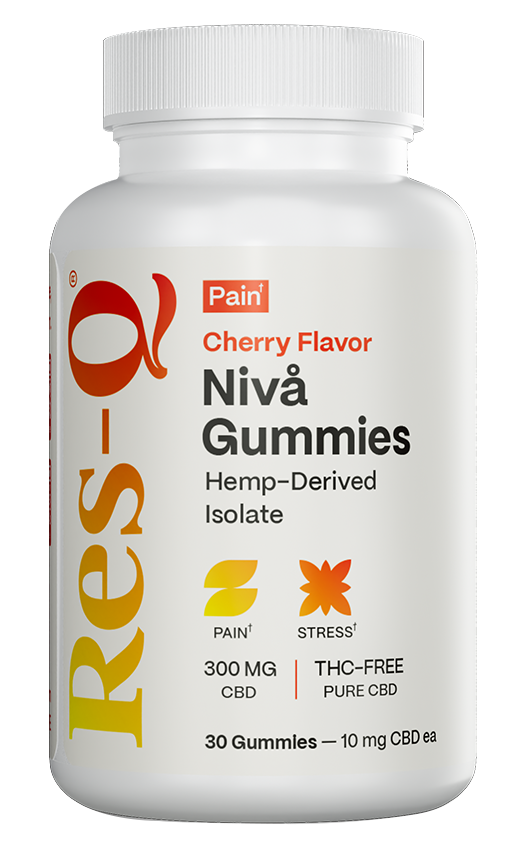
The CBD Your Body ACTUALLY ABSORBS
Most CBD passes right through you. This one doesn't — 440% better absorption, zero THC, made in the U.S.
See Why People Are SwitchingRead the rest of our articles and more useful info down below for deeper dives into cbd sleep topics, product-specific reviews, and updated dosage research for older adults.