

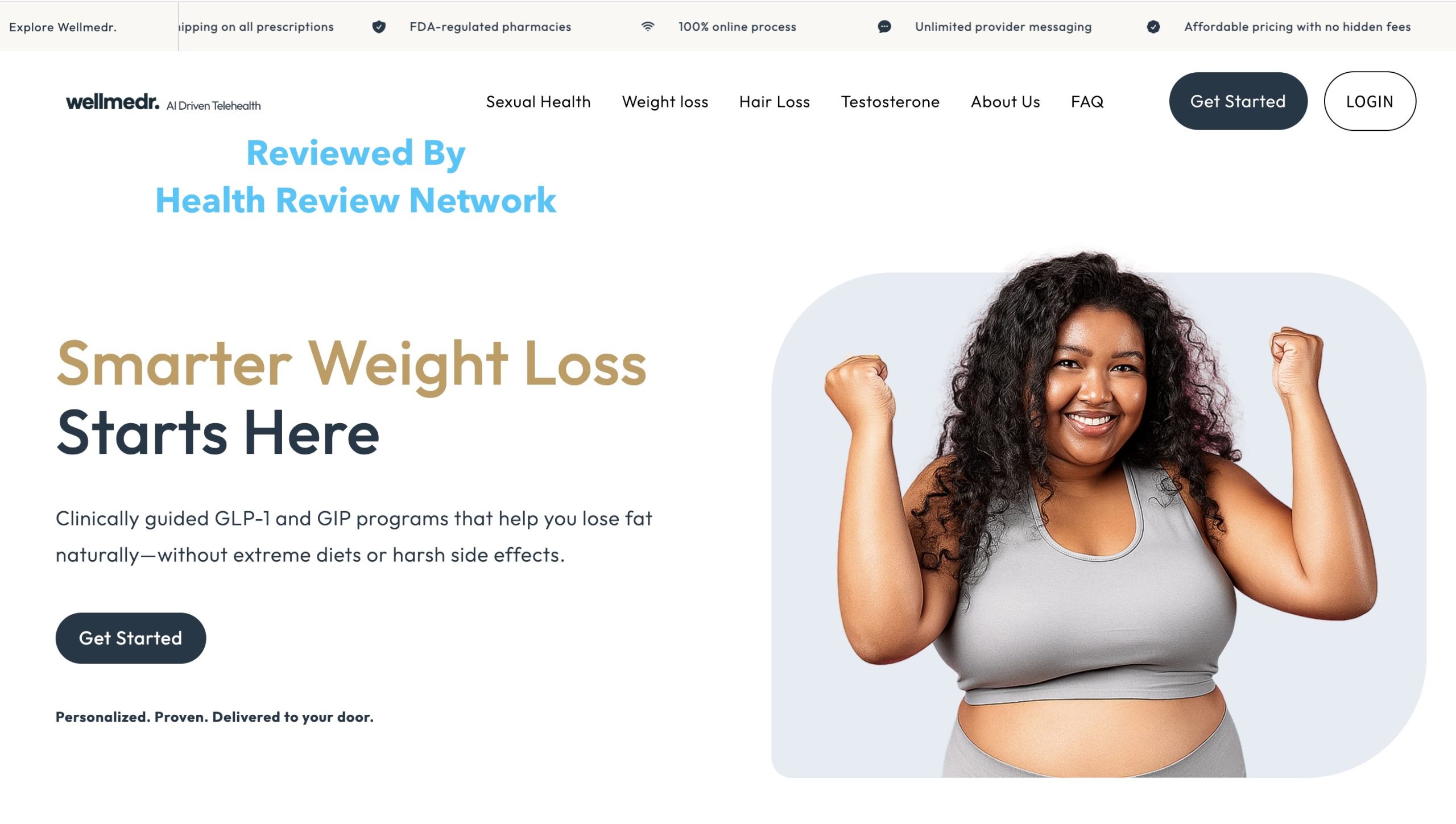
Wellmedr GLP-1 Reviews — What People Are Actually Saying
Wellmedr GLP-1 reviews have been circulating across forums, social media groups, and health communities for months now. The platform positions itself as a telehealth provider offering access to GLP-1 receptor agonist medications — the same class of drugs behind the massive weight loss movement that started with Ozempic and Wegovy. But Wellmedr takes a slightly different route. They focus on compounded versions, which changes the pricing, the accessibility, and the overall experience compared to going through a traditional doctor or one of the bigger name-brand telehealth companies.
People want to know if it works. If the medication is legit. If the doctors are real. If the shipping is fast. Those are the questions that keep showing up, and this article covers all of them based on what users have reported and what the platform actually offers.
What Is WELLMEDR?
WELLMEDR is an online telehealth platform that connects patients with licensed medical providers who can prescribe GLP-1 weight loss medications. The entire process happens remotely. You fill out a health questionnaire, a provider reviews it, and if you qualify, a prescription gets sent to a partnered compounding pharmacy. The medication ships directly to your door.
There is no in-person visit required. No waiting room. No scheduling weeks out for an appointment. That model has become standard across telehealth weight loss companies, but Wellmedr differentiates itself in a few ways — mainly through pricing and the specific formulations they offer.
The company operates in the United States and requires patients to be U.S. residents. Their medical providers hold active state licenses, and prescriptions are written on an individual basis after reviewing each patient’s medical history, current medications, BMI, and health goals. They are not a pharmacy themselves. They act as the bridge between patient and prescriber, with fulfillment handled by a licensed 503A or 503B compounding pharmacy.
One thing worth noting — Wellmedr does not sell brand-name Ozempic or Wegovy. Their focus is on compounded semaglutide, which is a legally distinct product. More on that below.
Can You Get Compounded Semaglutide At Wellmedr?
Yes. Compounded semaglutide is the core offering at Wellmedr. This is one of the most common questions that comes up in Wellmedr GLP-1 reviews, and the answer is straightforward. If a licensed provider determines you are a candidate based on your health profile, they will prescribe a compounded form of semaglutide that gets filled through a partnered compounding pharmacy.
Compounded semaglutide is not the same thing as brand-name Ozempic or Wegovy. Those are manufactured by Novo Nordisk and go through the standard FDA approval pipeline. Compounded semaglutide is made by compounding pharmacies using the same active ingredient — semaglutide — but mixed and dosed in-house. The FDA allows this under specific conditions, particularly during drug shortages, which semaglutide has experienced on and off since 2022.
There has been regulatory back-and-forth on this. The FDA removed semaglutide from its shortage list in early 2024, which created uncertainty for compounding pharmacies. Some telehealth platforms pulled their compounded semaglutide offerings entirely. Others continued under legal interpretations that allow patient-specific compounding through 503A pharmacies. Wellmedr appears to still offer compounded semaglutide as of 2026, but the regulatory landscape could shift again at any point.
The compounded version typically comes as a subcutaneous injection, same as the brand-name products. Patients receive vials along with syringes and alcohol swabs. Dosing starts low — usually 0.25 mg per week — and titrates up over several weeks depending on tolerance and response.
Compounded vs. Brand-Name — What Matters
The active ingredient is the same. Semaglutide is semaglutide. But compounded medications do not go through the same batch-level FDA testing that brand-name drugs do. That means quality control depends heavily on the compounding pharmacy. A reputable 503B outsourcing facility operates under stricter FDA oversight than a 503A pharmacy, which only compounds on a patient-specific basis.
Wellmedr partners with pharmacies that are licensed and inspected, according to their website. They do not publicly name the specific pharmacy, which is common practice in this space. Some users have reported receiving medication from different pharmacies across different refill cycles, which suggests Wellmedr may work with more than one fulfillment partner.
For most users, the practical difference between compounded and brand-name semaglutide comes down to cost. Brand-name Wegovy runs over $1,300 per month without insurance. Compounded semaglutide through platforms like Wellmedr typically falls between $199 and $499 per month depending on dosage and plan length.
How The Wellmedr Process Works — Step By Step
The signup process is quick. Most users report completing everything within 15 to 20 minutes. Here is what it looks like from start to finish.
Step One — Online Health Assessment
You visit the Wellmedr website and fill out a medical intake form. It asks about your current weight, height, medical history, allergies, existing prescriptions, and weight loss goals. There are questions about conditions like type 2 diabetes, thyroid disorders, pancreatitis history, and gallbladder issues — all relevant contraindications for GLP-1 medications.
Step Two — Provider Review
A licensed medical provider reviews your intake form. This is not a live video call in most cases. Wellmedr uses an asynchronous model where the provider evaluates your information and reaches out if they need clarification. Some users have reported being contacted for a brief phone call or video check-in, but this seems to depend on the complexity of the case.
Turnaround time varies. Some users say they received approval within a few hours. Others reported waiting one to two business days. Weekends and holidays slow things down.
Step Three — Prescription And Pharmacy Fulfillment
Once approved, the prescription goes to the compounding pharmacy. The pharmacy prepares the medication and ships it via cold chain packaging — insulated boxes with ice packs to keep the semaglutide at proper temperature during transit.
Shipping times range from three to seven business days based on user reports. Some users in major metro areas received theirs in three days. Others in more rural locations waited closer to a week. The medication arrives with dosing instructions, injection supplies, and storage guidelines.
Step Four — Ongoing Support And Refills
Wellmedr offers follow-up check-ins as part of their subscription model. Refills are typically processed automatically unless you cancel or pause your plan. Dosage adjustments happen through the platform — you message your provider, explain how you are responding, and they modify the prescription if needed.
What Users Say — Real Wellmedr GLP-1 Reviews From Patients
User feedback on Wellmedr skews positive overall, but it is not universal. The most common praise centers on affordability and ease of access. The most common complaints involve shipping delays and customer service response times.
Positive Feedback Patterns
Multiple users across Reddit threads and Trustpilot mention losing between 10 and 25 pounds within their first two to three months on the medication. One user described dropping from 218 to 193 pounds over 10 weeks while following a moderate calorie deficit alongside the injections. Another mentioned that appetite suppression kicked in within the first week — they went from eating three full meals plus snacks to struggling to finish a single plate at dinner.
The pricing comes up repeatedly as a deciding factor. Several users said they tried to get semaglutide through their primary care doctor first, got quoted prices above $1,000 per month with no insurance coverage, and then found Wellmedr as an alternative. One user in Texas reported paying $249 per month for the starter dose through Wellmedr, compared to a $1,349 quote from a local specialty pharmacy for brand-name Wegovy.
Convenience is another theme. People who work long hours or live in areas with limited access to obesity medicine specialists appreciate the fully remote model. No driving to appointments. No sitting in waiting rooms. Everything handled through the website and messaging.
Negative Feedback Patterns
Shipping delays are the number one complaint. Several users reported their first shipment taking longer than expected — sometimes 10 to 14 days from signup to delivery. For someone who just paid a few hundred dollars and is eager to start, that wait feels long. Refill shipments seem to be faster based on reports, but first orders are where the bottleneck hits.
Customer service response times are another sore spot. Some users said it took 48 hours or more to hear back from support about basic questions like tracking numbers or dosage clarification. A few mentioned that email was the only reliable way to reach anyone, with phone support being inconsistent.
One user flagged a billing issue where they were charged for a refill before receiving confirmation that their dosage adjustment had been approved. That type of experience erodes trust quickly, even if it gets resolved. Wellmedr reportedly issued a refund in that case, but the user still felt the process should have been smoother.
There are also a handful of reviews from users who did not respond well to the medication itself. Nausea, constipation, and fatigue are common side effects of semaglutide regardless of the provider. Those reviews are not really about Wellmedr as a platform — they reflect the medication’s known side effect profile. But they do show up in the review mix and are worth acknowledging.
Wellmedr Pricing Breakdown
Wellmedr’s pricing structure is subscription-based. You pay monthly, and the cost includes the consultation, prescription, medication, and shipping. There are no hidden fees listed on their site, though some users have mentioned small charges for expedited shipping if requested.
As of early 2026, reported pricing tiers look roughly like this:
Starter doses of compounded semaglutide (0.25 mg to 0.5 mg weekly) fall in the $199 to $299 per month range. Mid-range doses (1.0 mg to 1.7 mg weekly) sit between $299 and $399. Higher maintenance doses (2.4 mg weekly) can run up to $449 to $499 per month.
These numbers fluctuate. Wellmedr has run promotional pricing in the past — first-month discounts, bundled multi-month plans at reduced rates. Checking their website directly gives you the most current figures.
Compared to brand-name alternatives, the savings are significant. Compared to other compounded semaglutide telehealth platforms, Wellmedr’s pricing is competitive but not the cheapest on the market. Some competitors offer starter plans as low as $149 per month. The trade-off often comes down to pharmacy quality, provider attentiveness, and overall platform reliability.
Side Effects — What To Expect On GLP-1 Medication
Semaglutide side effects are well documented in clinical literature. They apply whether you get the medication through Wellmedr, a traditional doctor, or any other telehealth platform. The drug works the same way regardless of source.
Common Side Effects
Nausea is the most frequently reported side effect, particularly during the first few weeks and after each dose increase. It tends to be mild to moderate and usually improves as the body adjusts. Eating smaller meals, avoiding greasy or heavy foods, and staying hydrated help manage it.
Constipation affects a significant portion of users. GLP-1 medications slow gastric emptying — that is part of how they reduce appetite. But slower digestion also means slower bowel movements. Fiber supplements, adequate water intake, and light physical activity are the standard recommendations.
Fatigue, headache, and dizziness show up in the early weeks for some users. These tend to resolve on their own. Injection site reactions — redness, mild swelling, itching — occur occasionally but are usually minor.
Get Access To Wellmedr
Less Common But Serious Side Effects
Pancreatitis is a rare but serious risk associated with GLP-1 receptor agonists. Symptoms include severe abdominal pain that radiates to the back, nausea, and vomiting. Anyone experiencing these should stop the medication and seek medical attention immediately.
Gallbladder issues, including gallstones, have been reported at higher rates in clinical trials involving semaglutide. Rapid weight loss itself increases gallstone risk, so it is difficult to separate the drug’s effect from the weight loss effect.
Thyroid C-cell tumors have been observed in animal studies with GLP-1 medications. The relevance to humans is not fully established, but semaglutide carries a boxed warning about this risk. People with a personal or family history of medullary thyroid carcinoma or Multiple Endocrine Neoplasia syndrome type 2 should not take semaglutide.
Is Wellmedr Legitimate?
Based on available information, Wellmedr operates as a licensed telehealth platform with real medical providers writing prescriptions filled by licensed compounding pharmacies. They are not a fly-by-night operation selling unregulated pills from overseas.
That said, due diligence matters. The telehealth weight loss space has attracted its share of questionable operators. Here are a few things to verify with any platform, Wellmedr included:
Check that the prescribing provider holds an active medical license in your state. You can verify this through your state’s medical board website. Wellmedr should provide the name and credentials of your assigned provider.
Confirm the compounding pharmacy is licensed. Ask Wellmedr which pharmacy fills your prescription and look them up through your state’s Board of Pharmacy or the FDA’s registered outsourcing facility list if it is a 503B facility.
Review their refund and cancellation policy before signing up. Subscription models can be tricky if you decide to stop treatment or switch providers. Wellmedr’s terms of service outline their cancellation process, but reading it beforehand saves headaches later.
Wellmedr Compared To Other GLP-1 Telehealth Platforms
The telehealth GLP-1 market is crowded. Platforms like Hims, Ro, Calibrate, Found, and Henry Meds all compete for the same audience. Wellmedr sits in the mid-tier — more affordable than premium programs like Calibrate, which includes behavioral coaching and runs $150 to $400 per month on top of medication costs, but not as bare-bones as some budget options.
Where Wellmedr holds its ground is simplicity. The process is streamlined. You are not paying for a 12-month behavioral program or mandatory video calls every two weeks. You get a consultation, a prescription, and medication. If that is what you want — just the drug and basic medical oversight — Wellmedr delivers that without bundling in extras you might not use.
For people who want more structured support — meal planning, exercise programming, one-on-one coaching — Wellmedr may feel too hands-off. It depends on what kind of experience you are looking for and how much self-direction you bring to the process.
How do you contact Wellmedr?
According to their truspilot page, you can write to them via email at [email protected], visit their website, wellmedr.com, or call their number at 5618889179
Who Is A Good Candidate For Wellmedr?
GLP-1 medications are not intended for people looking to drop five vanity pounds. They are prescribed for individuals with a BMI of 30 or higher, or a BMI of 27 or higher with at least one weight-related health condition such as type 2 diabetes, high blood pressure, or high cholesterol. Wellmedr follows these clinical guidelines when evaluating patients.
People who have tried diet and exercise without sustained results and are looking for pharmaceutical support tend to be the primary users. The medication is meant to be used alongside lifestyle changes — not as a replacement for them. Clinical trials show the best outcomes happen when semaglutide is paired with reduced caloric intake and increased physical activity.
Anyone with a history of pancreatitis, medullary thyroid carcinoma, or MEN2 syndrome should not take semaglutide. Pregnant or breastfeeding individuals are also excluded. Wellmedr’s intake form screens for these contraindications, but being upfront about your full medical history is essential for your own safety.
Why Do People Choose Wellmedr GLP-1?
People choose Wellmedr for reasons that show up over and over in Wellmedr GLP-1 reviews — cost, speed, and simplicity. Brand-name semaglutide through a traditional doctor can run over $1,300 a month without insurance. Wellmedr offers compounded semaglutide starting around $199 per month. That price gap alone drives most signups.
But price is only part of it. A lot of users come to Wellmedr after hitting dead ends elsewhere. They called their insurance company and got denied coverage for Wegovy. They sat on a waitlist at an obesity medicine clinic for six weeks. They tried one of the bigger telehealth platforms and got locked into a program with mandatory coaching calls they did not want or need.
Wellmedr strips that down. You fill out the intake form, a provider reviews it, and medication shows up at your door. No bundled coaching packages. No 12-month commitments. For people who already know what GLP-1 medication does and just want access to it at a reasonable price, that directness is the selling point.
There is also the privacy factor. Weight loss is personal. Not everyone wants to sit in a waiting room at a bariatric clinic or explain their BMI to a receptionist over the phone. The fully remote model lets people handle everything from their couch, which matters more than some platforms seem to realize.
What Makes Wellmedr Different From Traditional Clinics?
Traditional weight loss clinics operate on a model built around in-person visits. You schedule an appointment weeks out, drive to the office, sit in a waiting room, get weighed by a nurse, spend 10 minutes with a doctor, and then pick up your prescription at a pharmacy — where you might wait another 30 minutes. If you need a dosage adjustment, you schedule another appointment. The whole cycle repeats monthly.
Wellmedr removes almost every step in that chain. The consultation is asynchronous. The prescription goes straight to a compounding pharmacy. The medication ships to your home. Dosage changes happen through a messaging portal. There is no office, no waiting room, no parking lot.
The clinical oversight is still there — a licensed provider reviews your medical history, writes the prescription, and monitors your progress. But the logistics are compressed. One Trustpilot reviewer put it plainly: they went from first clicking on the Wellmedr website to holding a vial of compounded semaglutide in under a week. That same process through their local endocrinologist would have taken a month minimum between scheduling, lab work, insurance pre-authorization, and pharmacy fulfillment.
The trade-off is hands-on attention. A traditional clinic gives you face time with a doctor who can physically examine you, run labs on-site, and adjust treatment in real time. Wellmedr relies on self-reported data and asynchronous communication. For straightforward cases — someone with a BMI over 30, no complex comorbidities, and a clear history — that works fine. For someone managing multiple chronic conditions alongside obesity, a local provider might offer a level of coordination that telehealth cannot match.
Does Wellmedr GLP-1 Help Reduce Food Cravings?
This is one of the most asked questions in Wellmedr GLP-1 reviews, and the answer comes down to how semaglutide works in the body — not anything specific to Wellmedr as a platform.
GLP-1 receptor agonists like semaglutide act on receptors in the brain that regulate hunger and satiety. Specifically, they target the hypothalamus, which controls appetite signals. When semaglutide binds to GLP-1 receptors in this region, it reduces the intensity of hunger cues. People describe it differently — some say food just stops occupying their thoughts. Others say they can walk past a kitchen full of snacks without feeling pulled toward them.
Clinical data backs this up. In the STEP 1 trial, participants on semaglutide 2.4 mg reported significant reductions in hunger scores and food cravings compared to placebo. The effect was not subtle. Participants described eating less not because they were forcing themselves to, but because the drive to eat had genuinely diminished.
User reports from Wellmedr patients mirror this. One Reddit user said the first thing they noticed — before any weight loss — was that the constant mental chatter about food went quiet. They stopped planning their next meal while still eating the current one. Another user described going from a nightly habit of eating an entire sleeve of crackers in front of the TV to forgetting the crackers were even in the pantry.
The cravings reduction is not total for everyone. Some users report that emotional eating patterns still surface, particularly under stress. The medication blunts physiological hunger more effectively than psychological triggers. That distinction matters. Semaglutide is not a willpower pill. It changes the biological signal, but habits built over decades may still need conscious effort to redirect.
Does Wellmedr GLP-1 Help Reduce Overeating?
Yes — and the mechanism ties directly into gastric emptying. Semaglutide slows the rate at which food leaves the stomach. That means you feel full faster and stay full longer. A meal that used to disappear in 10 minutes now sits comfortably for hours. Portion sizes shrink naturally because your body sends the “stop eating” signal much earlier than it used to.
In clinical settings, participants on semaglutide consumed roughly 24% fewer calories per day compared to baseline, according to data published in the journal Obesity. That reduction happened without prescribed meal plans or calorie counting — the medication itself shifted how much food people wanted to eat.
Wellmedr patients describe the same pattern. One user said they ordered their usual portion at a restaurant and could only finish half. Not because they felt nauseous — they just hit a wall of fullness that had never been there before. Another mentioned that binge eating episodes, which had been a weekly occurrence for years, dropped to almost zero within the first month on compounded semaglutide.
Overeating driven by boredom or routine can still happen, especially early on. The medication reduces capacity and desire, but if someone eats out of habit rather than hunger, those patterns take longer to break. Pairing the medication with even basic awareness of eating triggers — keeping a food journal, eating at a table instead of in front of a screen — tends to improve outcomes based on what users report.
Is WellMedr GLP-1 Safe To Use?
The safety profile of semaglutide is well established through large-scale clinical trials — STEP 1 through STEP 5 — involving thousands of participants over multi-year periods. The FDA approved brand-name semaglutide (Wegovy) for chronic weight management in 2021 based on that data. The active ingredient in Wellmedr’s compounded version is the same molecule.
Common side effects — nausea, constipation, diarrhea, headache — affect a meaningful percentage of users but are generally manageable and tend to decrease over time. Serious adverse events like pancreatitis and gallbladder complications occur at low rates. The boxed warning about thyroid C-cell tumors is based on rodent studies, and the human relevance remains under investigation.
Where the safety conversation gets more specific to Wellmedr is the compounding piece. Compounded medications do not undergo the same batch-level FDA testing as commercially manufactured drugs. Quality depends on the compounding pharmacy’s standards, equipment, and compliance with state and federal regulations. A 503B outsourcing facility operates under direct FDA oversight with regular inspections. A 503A pharmacy compounds on a patient-specific basis under state regulation.
Wellmedr states they partner with licensed compounding pharmacies. Users can request information about which pharmacy fills their prescription and verify its licensing status independently. That extra step — actually looking up the pharmacy — is worth doing. Most users skip it. The ones who do it tend to feel more confident about what they are injecting.
The prescribing providers at Wellmedr are licensed and review each patient’s medical history before writing a prescription. Contraindications like pregnancy, pancreatitis history, and medullary thyroid carcinoma are screened during the intake process. As with any telehealth platform, the accuracy of that screening depends partly on the patient providing honest and complete information.
Is Wellmedr GLP-1 Worth It?
Whether Wellmedr is worth it depends on what you are comparing it to and what you need from a weight loss program.
If the comparison is brand-name Wegovy at $1,300-plus per month without insurance, then yes — Wellmedr’s pricing between $199 and $499 per month for the same active ingredient makes financial sense for most people. The savings over a six-month treatment period can exceed $5,000. That is real money.
If the comparison is other compounded semaglutide telehealth platforms, the answer gets more nuanced. Some competitors offer lower starting prices. Others include more robust support — dietitian access, weekly check-ins, structured lifestyle programming. Wellmedr keeps things lean. You get the medication, basic provider oversight, and messaging support. For self-directed people who do not want or need hand-holding, that setup works well and keeps costs lower.
The value also depends on results. Users who respond well to semaglutide — losing 10 to 20 percent of their body weight over six to twelve months — tend to view the monthly cost as a worthwhile investment. Users who experience persistent side effects or minimal weight loss after several months may feel differently. GLP-1 medications do not work identically for everyone. About 10 to 15 percent of clinical trial participants did not achieve significant weight loss, and that non-response rate carries over to real-world use.
One practical way to evaluate it: try the starter dose for two to three months. That gives enough time to see how your body responds, whether the side effects are tolerable, and whether the platform’s logistics — shipping, communication, refills — meet your expectations. Wellmedr’s subscription model allows you to cancel if it is not working out, though reading the cancellation terms before signing up is always smart.
Why Is Wellmedr GLP-1 So Popular?
The popularity of Wellmedr tracks with a broader shift in how people access weight loss medication. GLP-1 drugs went from niche diabetes treatments to mainstream weight loss tools in under three years. Demand exploded. Supply did not keep up. Insurance companies dragged their feet on coverage. And brand-name prices stayed out of reach for most people paying out of pocket.
Compounded semaglutide filled that gap, and platforms like Wellmedr made it accessible without requiring an existing doctor relationship or insurance approval. That combination — lower cost, no gatekeeping, home delivery — hit at exactly the right time.
Social media amplified it. Weight loss results from GLP-1 medications are visible and dramatic in many cases. Users post before-and-after photos, share their dosing schedules, and name the platforms they use. Wellmedr gets mentioned in Reddit threads, TikTok comment sections, and Facebook weight loss groups regularly. That organic word-of-mouth drives signups more effectively than any ad campaign.
The platform’s simplicity also contributes. In a market where some competitors require video consultations, mandatory coaching sessions, and multi-month commitments, Wellmedr’s straightforward model appeals to people who just want the medication without the extras. That positioning — no-frills access to compounded semaglutide — resonates with a large segment of the market that feels over-programmed by other options.
Is WellMedr Suitable For Long-Term Weight Management?
GLP-1 medications were studied and approved for chronic use. The STEP clinical trials ran for 68 weeks, and extension studies have tracked participants even longer. Semaglutide is not designed as a short-term fix — the data supports ongoing use for sustained weight management.
That said, long-term use raises practical questions. Cost over 12, 24, or 36 months adds up. At $299 per month, a two-year course of treatment through Wellmedr would cost roughly $7,176. Insurance does not typically cover compounded medications, so that expense comes entirely out of pocket for most users.
There is also the question of what happens when you stop. Research published in the journal Diabetes, Obesity and Metabolism showed that participants who discontinued semaglutide regained approximately two-thirds of the weight they had lost within one year of stopping. Appetite returned to baseline. The biological signals that semaglutide had been suppressing came back.
This does not mean everyone regains weight after stopping — but it does mean the medication works best as an ongoing tool rather than a temporary intervention. Some users taper to a lower maintenance dose over time, which reduces cost while preserving some of the appetite-suppressing effect. Wellmedr’s providers can adjust dosing based on where a patient is in their weight loss journey, making that kind of long-term management possible through the platform.
Building sustainable habits alongside the medication — consistent meal patterns, regular physical activity, adequate sleep — improves the chances of maintaining results whether or not you stay on semaglutide indefinitely. The medication creates a window of reduced appetite and easier adherence. What you build during that window determines how much sticks.
Final Takeaway On Wellmedr
Wellmedr GLP-1 reviews paint a picture of a functional, affordable telehealth platform that does what it says — connects patients with providers and delivers compounded semaglutide to their door. The experience is not perfect. Shipping delays and customer service gaps come up enough in reviews to be a pattern rather than an anomaly. But the core product — access to GLP-1 medication at a fraction of brand-name cost — delivers for the majority of users who report their results.
The regulatory environment around compounded semaglutide remains fluid. What is available today through Wellmedr or any similar platform could change if the FDA tightens enforcement or if Novo Nordisk resolves supply issues permanently. Staying informed on those developments matters if you are planning long-term use.
If you have been researching what WELLMEDR is, whether you can get compounded semaglutide at Wellmedr, and what real patients think of the service — the information above covers the full picture. Read through the Wellmedr GLP-1 reviews linked throughout this page, compare pricing with other platforms, and make a decision based on your own health situation and budget. The consultation process is low-commitment enough that starting the intake form costs nothing but a few minutes of your time.