

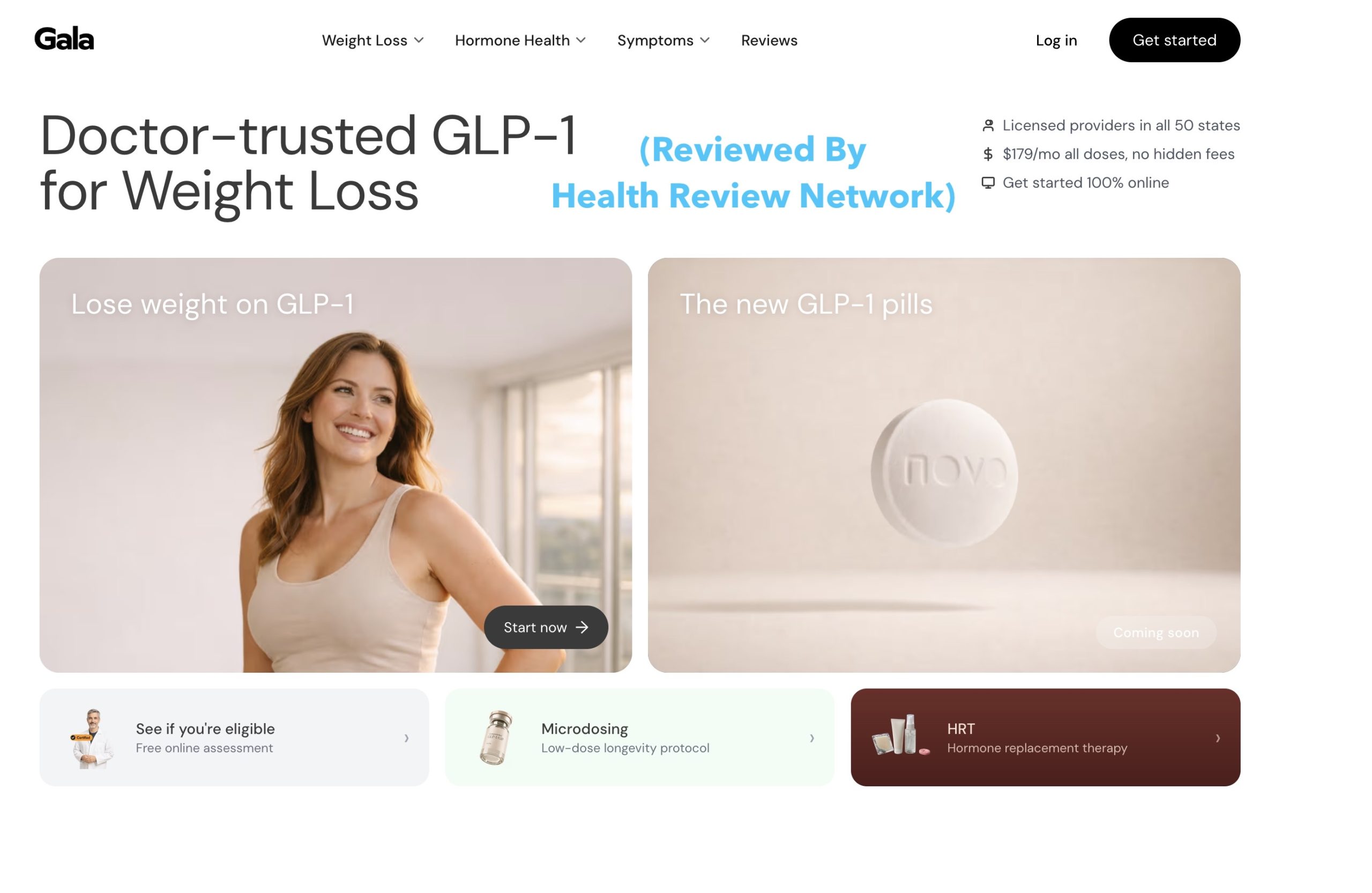
If you’ve been searching for a Gala GLP-1 review that actually breaks things down without dancing around the details, this is it. Gala GLP-1 is a telehealth-based weight loss program that pairs patients with licensed physicians and ships GLP-1/GIP medications directly to their door. The service costs $179 per month, includes doctor consultations, and claims users can lose 10 to 15 percent of their body weight within six months. Those are significant numbers. But what does the program actually involve? What medication do you get? And is the pricing straightforward or loaded with fine print? This article covers all of it — from the science behind GLP-1 receptor agonists to what your first month on Gala actually looks like.
What Is Gala GLP-1?
Gala GLP-1 is a direct-to-consumer weight loss service that connects users with doctors who prescribe GLP-1 and GIP receptor agonist medications. These are the same class of drugs that includes semaglutide (the active ingredient in Ozempic and Wegovy) and tirzepatide (the active ingredient in Mounjaro and Zepbound). As of early 2026, tirzepatide is widely regarded as the most effective GLP-1 drug for weight loss based on clinical trial data and real-world outcomes.
The platform operates entirely online. There is no in-person clinic visit. You complete a health intake form, get matched with a licensed physician, and — if medically appropriate — receive a prescription that ships to your home. The monthly cost is $179, which bundles the consultation, ongoing provider access, and the medication itself into one flat rate.
Gala markets itself as “doctor-trusted,” which in practice means the prescribing physicians are licensed and the medications dispensed are FDA-approved compounds. That distinction matters because some competitors in the telehealth weight loss space use compounded versions of these drugs, which do not carry the same regulatory oversight.
How Does Gala GLP-1 Work?
Understanding how Gala GLP-1 works requires a quick look at what GLP-1 receptor agonists do inside the body. GLP-1 stands for glucagon-like peptide-1. It is a hormone your gut produces naturally after you eat. It does three main things: it signals your pancreas to release insulin, it slows down how fast your stomach empties, and it communicates with your brain to reduce appetite.
When you take a GLP-1 medication, you are essentially amplifying that natural signal. The result is that you feel full faster, stay full longer, and experience fewer cravings throughout the day. For many people, this translates into a caloric deficit without the constant mental battle of restricting food.
The Role of GIP in Dual-Agonist Medications
Some plans through Gala include GIP receptor agonists alongside GLP-1. GIP stands for glucose-dependent insulinotropic polypeptide. Tirzepatide, which targets both GLP-1 and GIP receptors, has shown superior weight loss results compared to GLP-1-only drugs in head-to-head clinical trials. One major trial published in the New England Journal of Medicine found that participants on the highest dose of tirzepatide lost an average of 22.5 percent of their body weight over 72 weeks. That is a staggering figure for a pharmaceutical intervention.
Gala’s personalized GLP-1/GIP plan means the prescribing doctor evaluates your medical history, current medications, and weight loss goals before deciding which medication and dosage to start you on. Not everyone gets the same drug. Not everyone starts at the same dose. The titration schedule — meaning how quickly your dose increases — is adjusted based on how your body responds and what side effects you experience.
What Happens After You Sign Up
The process is straightforward. You visit Gala’s website, fill out a medical questionnaire, and submit it for review. A licensed physician reviews your information, typically within 24 to 48 hours. If approved, your medication ships directly to you. Most GLP-1 medications are injectable — administered via a small pen-style device once per week. The needles are thin, roughly 4 to 5 millimeters, and most users report minimal discomfort after the first couple of injections.
After your first shipment, you continue with monthly check-ins. The doctor can adjust your dosage, address side effects, or modify your treatment plan. All of this happens through the platform. No driving to a clinic. No sitting in a waiting room.
Gala GLP-1 Pricing: What You Actually Pay
Gala GLP-1 pricing is set at $179 per month. That is the advertised rate and it is meant to cover the physician consultation, medication, and ongoing support. For context, the retail price of brand-name tirzepatide (Zepbound) without insurance can run over $1,000 per month. Semaglutide (Wegovy) sits in a similar range. So $179 is a fraction of what you might pay at a traditional pharmacy without coverage.
There are a few things worth noting about this price point.
First, the $179 figure likely reflects the use of compounded or generic formulations rather than brand-name drugs in some cases. Compounded medications are mixed by specialty pharmacies and may contain the same active ingredient, but they are not manufactured by the original drug maker. The FDA has taken an evolving stance on compounded semaglutide and tirzepatide, so this is something to ask your Gala provider about directly.
Second, there does not appear to be an upfront enrollment fee based on current available information. Some competing telehealth platforms charge a separate consultation fee on top of the monthly medication cost. Gala bundles these together.
Third, insurance is generally not accepted for these types of telehealth weight loss programs. You pay out of pocket. Some users have reported success submitting receipts to their HSA or FSA accounts for reimbursement, but that depends on your specific plan.
Is $179 Per Month Worth It?
That depends on what you are comparing it to. A month of brand-name Wegovy without insurance costs roughly $1,300 to $1,400. Zepbound is comparable. If you have commercial insurance that covers these medications, your copay might be lower — sometimes as little as $25 per month with manufacturer coupons. But many insurance plans still do not cover GLP-1 drugs for weight loss, only for type 2 diabetes.
Compared to other telehealth weight loss services, $179 per month is competitive. Some platforms charge $200 to $400 per month depending on the medication and dosage tier. Gala’s flat-rate pricing removes some of the guesswork.
What Results Can You Realistically Expect?
Gala states that users can expect to lose 10 to 15 percent of their body weight within six months. For someone weighing 220 pounds, that translates to roughly 22 to 33 pounds. For someone at 180 pounds, it is closer to 18 to 27 pounds.
These numbers align broadly with clinical data on GLP-1 medications. Semaglutide trials showed average weight loss of about 15 percent of body weight over 68 weeks. Tirzepatide trials showed averages between 15 and 22.5 percent depending on the dose. Individual results vary based on starting weight, diet, physical activity, metabolic factors, and medication adherence.
A few patterns tend to show up across GLP-1 users regardless of the platform:
The first two to four weeks often involve minimal weight loss. Your body is adjusting to the medication. Side effects like nausea are most common during this period. Most providers start patients on a low dose and titrate upward every four weeks.
Weeks four through twelve is where most people see noticeable changes. Appetite suppression becomes more consistent. Cravings — particularly for high-sugar and high-fat foods — tend to decrease. Portion sizes naturally shrink because you feel full sooner.
After three months, the rate of loss may slow, but steady progress continues. The clinical trials that produced those 15 to 22 percent figures measured outcomes at 68 to 72 weeks, meaning the full effect takes over a year of consistent use.
What Happens When You Stop Taking GLP-1 Medication?
This is a question that does not get enough attention. Research published in the journal Diabetes, Obesity and Metabolism found that participants who stopped taking semaglutide regained approximately two-thirds of the weight they had lost within one year of discontinuation. Appetite returned to baseline. The hormonal signals that the drug was amplifying went quiet again.
This does not mean the medication is pointless. It means that GLP-1 drugs work best as part of a longer-term strategy. Some people use them for 12 to 18 months to reach a target weight and then transition to maintenance through diet and exercise. Others stay on a lower maintenance dose indefinitely. Your prescribing physician through Gala should discuss this with you, and it is worth raising the question early.
Potential Side Effects of GLP-1 Medications
Every GLP-1 review should cover side effects because they are real and common. The most frequently reported ones include:
Nausea. This is the big one. It affects a significant percentage of users, especially in the first few weeks or after a dose increase. It usually fades as your body adjusts. Eating smaller meals, avoiding greasy food, and staying hydrated can help.
Vomiting and diarrhea. Less common than nausea but still reported. These tend to be dose-dependent — meaning they are more likely at higher doses or when titration happens too quickly.
Constipation. Because GLP-1 drugs slow gastric emptying, some users experience sluggish digestion. Increasing fiber and water intake is the standard recommendation.
Injection site reactions. Redness, mild swelling, or itching at the injection site. Usually minor and temporary.
More serious but rare side effects include pancreatitis, gallbladder issues, and thyroid C-cell tumors (observed in animal studies with GLP-1 drugs, though not confirmed in humans). Anyone with a personal or family history of medullary thyroid carcinoma or multiple endocrine neoplasia syndrome type 2 should not use these medications. This is something the Gala physician should screen for during the intake process.
Gala GLP-1 Compared to Other Telehealth Weight Loss Programs
The telehealth weight loss market has expanded rapidly. Several platforms now offer GLP-1 prescriptions online. Here is how Gala stacks up against a few well-known alternatives.
Gala vs. Ro Body
Ro Body offers GLP-1 medications starting at around $99 per month for compounded semaglutide, with brand-name options costing significantly more. Ro also provides metabolic testing kits and a dedicated care team. The lower entry price is appealing, but the brand-name medication path gets expensive quickly. Gala’s $179 flat rate is simpler to budget for.
Gala vs. Calibrate
Calibrate positions itself as a “metabolic reset” program. It includes GLP-1 medication, a year-long curriculum covering food, sleep, exercise, and emotional health, plus a dedicated coach. The cost is substantially higher — often $1,500 or more for a full year, plus the cost of medication. If you want a comprehensive lifestyle program, Calibrate offers more structure. If you want medication access with doctor oversight at a lower cost, Gala is the leaner option.
Gala vs. Found
Found offers a range of weight loss medications, not just GLP-1 drugs. Their pricing varies widely depending on the prescribed medication. GLP-1 options through Found can run $200 to $500 per month. Found’s approach includes health coaching and community support. Gala’s more focused model — medication plus physician access — keeps things streamlined and more affordable for users who primarily want the prescription component.
Pros and Cons of Gala GLP-1
What Works Well
The flat-rate pricing removes ambiguity. You know what you are paying each month. There are no surprise fees for consultations or dose adjustments based on currently available information.
The sign-up process is fast. Most users report going from intake form to shipped medication within a few days. For people who have struggled to get GLP-1 prescriptions through traditional healthcare channels — either because of insurance denials or long wait times — this speed is a meaningful advantage.
The personalized GLP-1/GIP approach means your treatment is not one-size-fits-all. The prescribing physician can select the medication and dose that fits your profile rather than defaulting to whatever is cheapest or most available.
What Could Be Better
There is limited publicly available information about the specific physicians on the Gala platform. Some telehealth services list their medical advisory board or provider credentials prominently. More transparency here would strengthen trust.
The program does not appear to include structured lifestyle coaching, meal planning, or exercise guidance. For users who need support beyond the medication itself, this could be a gap. GLP-1 drugs are most effective when combined with dietary changes and physical activity.
Long-term support after you reach your goal weight is unclear. What happens when you want to taper off? Is there a maintenance protocol? These are questions worth asking during your initial consultation.
Who Is Gala GLP-1 Best Suited For?
GLP-1 medications are generally prescribed for adults with a BMI of 30 or higher, or a BMI of 27 or higher with at least one weight-related health condition such as type 2 diabetes, high blood pressure, or high cholesterol. These are standard clinical guidelines, not specific to Gala.
The Gala platform tends to appeal to people who want a no-frills path to a GLP-1 prescription. You are not looking for a six-month lifestyle overhaul program. You want the medication, a qualified doctor to oversee it, and the convenience of home delivery. That is the core value proposition.
It also appeals to people who have been priced out of brand-name medications. Paying $1,000-plus per month for Wegovy or Zepbound is not realistic for most households. A $179 monthly cost brings these drugs into reach for a much wider group of people.
Common Questions About Gala GLP-1
Do You Need a Prescription to Use Gala GLP-1?
Yes. GLP-1 medications are prescription drugs. Gala connects you with a licensed physician who evaluates your health information and determines whether you are a candidate. You cannot purchase the medication without a doctor’s approval through the platform.
How Long Does It Take to Get Your Medication?
Most users report receiving their medication within three to seven business days after physician approval. The intake form review typically takes 24 to 48 hours. Shipping times vary by location.
Can You Cancel Your Gala GLP-1 Subscription?
Gala operates on a monthly subscription model. Cancellation policies should be reviewed on their website or confirmed with their support team before signing up. It is always worth understanding the terms before committing.
Is Gala GLP-1 Available in All States?
Telehealth prescribing laws vary by state. Some states have specific regulations around prescribing controlled or specialty medications via telehealth. Check Gala’s website to confirm availability in your state before starting the intake process.
What Medication Will You Be Prescribed Through Gala?
The specific medication depends on your medical history, current health conditions, and the physician’s clinical judgment. Options may include semaglutide-based or tirzepatide-based formulations. The doctor determines which medication and starting dose is appropriate for you during the consultation.
Are There Any Foods You Should Avoid While on GLP-1 Medication?
There are no strictly prohibited foods, but most providers recommend avoiding high-fat, greasy, and overly sugary meals — especially in the early weeks. These foods are more likely to trigger nausea when your stomach is emptying more slowly due to the medication. Smaller, protein-rich meals tend to be better tolerated.
Final Thoughts on This Gala GLP-1 Review
This Gala GLP-1 review covered the core elements: how the program works, what the medication does in your body, what you will pay, and what kind of results are backed by clinical data. Gala offers a streamlined, affordable entry point into GLP-1-based weight loss at $179 per month. The personalized GLP-1/GIP plan, licensed physician oversight, and home delivery model make it a competitive option in a crowded telehealth market.
No program is perfect. Gala could improve on transparency around its provider network and add more robust lifestyle support for users who need it. But for the price point and the convenience, it fills a real gap — particularly for people who want access to medications like tirzepatide or semaglutide without navigating insurance hurdles or paying retail pharmacy prices.
If you are considering GLP-1 medication for weight loss, talk to a healthcare provider about whether it is appropriate for your situation. And if Gala’s model fits what you are looking for, the sign-up process takes minutes.
Read the rest of our articles and more useful info down below!