
The Difference Between CBD Gummies and Weed Gummies Is Not Just About Getting High
If you’ve ever stood in a dispensary or scrolled an online shop staring at two nearly identical gummy packages — one labeled CBD, the other THC — you already know the confusion. The difference between CBD gummies and weed gummies comes down to one molecule. But that one molecule changes everything about what happens in your brain, your body, and your daily routine. This matters especially if you’re dealing with chronic pain, anxiety, or sleep problems and you’d rather not reach for a prescription bottle.
One type will alter your mental state. The other won’t. One shows up on a drug test. The other probably won’t. One is federally legal across all 50 states. The other depends on where you live. And the dosing? Completely different ballpark.
This article breaks all of it down — not with marketing language, but with actual information you can use before you spend money.
Tired of guessing which CBD actually works?
Find What Works for Your Body
A less-than 60 second wellness match for adults exploring plant-based relief
What’s bothering you most right now?
Select the one that impacts your day the most
How long have you been dealing with this?
There's no wrong answer — this helps us tailor your match
How much does it affect your daily routine?
Be honest — this shapes your recommendation
What have you tried so far?
Knowing what hasn't worked helps us find what will
How familiar are you with CBD?
No judgment — everyone starts somewhere
What sounds easiest to add to your routine?
Think about what fits your lifestyle, not what sounds fancy
What matters most to you in a product?
Pick the one that would seal the deal for you
YOUR MATCH IS READY
We'll include your personalized match plus a first-timer's guide based on your answers.
Where should we send your recommendation?
🔒 No spam, ever. Your info is kept 100% secure.
If you'd rather not wait — based on your answers about your symptoms, we'd point you straight to our trusted partner.
Skip to My Match →What Are CBD Gummies, Exactly?
CBD stands for cannabidiol. It’s one of over 100 cannabinoids found in the cannabis plant. CBD gummies contain cannabidiol extract — usually derived from hemp — suspended in a chewable gummy base made from gelatin or pectin, sugar, and flavoring.
Under the 2018 Farm Bill, hemp-derived CBD products are legal in the United States as long as they contain less than 0.3% THC by dry weight. That’s the legal ceiling. Most reputable CBD gummy brands test their products through third-party labs and publish certificates of analysis (COAs) that confirm THC levels fall below that threshold.
CBD interacts with your endocannabinoid system, but not the same way THC does. It doesn’t bind strongly to CB1 receptors in the brain — those are the receptors responsible for the “high” feeling. Instead, CBD influences serotonin receptors, TRPV1 pain receptors, and modulates how your body processes its own endocannabinoids like anandamide.
A 2019 study published in The Permanente Journal followed 72 adults with anxiety and poor sleep. Within the first month, 79.2% reported lower anxiety scores and 66.7% reported improved sleep after taking CBD daily. The doses used ranged from 25 mg to 175 mg per day.
Common CBD Gummy Dosages
Most CBD gummies on the market come in 10 mg, 25 mg, or 50 mg per piece. Beginners typically start at 10–25 mg per day. People managing moderate chronic pain or persistent anxiety often land somewhere between 25–50 mg daily after a few weeks of gradual adjustment. Some heavy users report taking up to 100 mg per day, though clinical guidance beyond 70 mg daily is limited for general wellness.
The effects don’t hit fast. CBD gummies pass through your digestive system first. Expect 45 minutes to 2 hours before you notice anything — and “notice” might be subtle. A loosening of tension in your shoulders. Falling asleep 20 minutes faster. Less jaw clenching. It’s not dramatic. That’s kind of the point.
What Are Weed Gummies?
Weed gummies — also called THC gummies, cannabis edibles, or marijuana gummies — contain delta-9-tetrahydrocannabinol. THC is the primary psychoactive compound in cannabis. It binds directly and aggressively to CB1 receptors in the brain. That binding is what produces euphoria, altered time perception, increased appetite, and in some people, anxiety or paranoia.
Weed gummies are sold in licensed dispensaries in states where recreational or medical cannabis is legal. They are not federally legal. Possession across state lines is a federal offense regardless of your home state’s laws.
Standard dosing for THC gummies starts at 2.5 mg to 5 mg for beginners. A “standard dose” in most regulated markets is 10 mg per piece. Experienced users may take 20–50 mg. Anything above 50 mg is considered a high dose, and for someone without tolerance, even 10 mg can be overwhelming.
Here’s a real-world example. Sarah, a 38-year-old graphic designer in Colorado, tried a 10 mg THC gummy for the first time to manage her lower back pain. She felt nothing after an hour, took another half, and then spent the next four hours on her couch unable to move, heart racing, convinced she was dying. She wasn’t. But the experience kept her away from edibles for over a year. When she came back, she started at 2.5 mg. That dose worked — mild relaxation, pain relief, no panic. The margin between “helpful” and “horrible” with THC edibles is razor thin for new users.
How THC Edibles Process Differently Than Smoking
When you eat a THC gummy, your liver converts delta-9-THC into 11-hydroxy-THC. This metabolite crosses the blood-brain barrier more efficiently than inhaled THC. The result is a stronger, longer-lasting effect. Onset takes 30 minutes to 2 hours. Peak effects hit around the 2–3 hour mark. Total duration can stretch 4–8 hours, sometimes longer.
Smoking or vaping THC hits in minutes and fades within 1–3 hours. Edibles are a fundamentally different experience. Comparing a 10 mg gummy to a few puffs of a joint is not a one-to-one comparison. The gummy hits harder and lasts longer for most people.
CBD Gummies vs. Weed Gummies: A Side-by-Side Breakdown
Here’s where the difference between CBD gummies and weed gummies becomes concrete.
Psychoactive effect: CBD gummies produce no high. Weed gummies produce a noticeable psychoactive effect — altered perception, euphoria, potential anxiety.
Legality: Hemp-derived CBD gummies with under 0.3% THC are legal federally. Weed gummies are only legal in states with recreational or medical cannabis programs.
Drug testing: Full-spectrum CBD gummies contain trace THC (under 0.3%) and could theoretically trigger a positive result on a sensitive drug test, though it’s uncommon at normal doses. Broad-spectrum and CBD isolate gummies should not. Weed gummies will absolutely show up on a standard urine drug screen. THC metabolites can remain detectable for 3–30 days depending on frequency of use and body composition.
Onset time: Both take 30 minutes to 2 hours when eaten. Similar digestion pathway.
Duration: CBD effects typically last 4–6 hours. THC effects from edibles can last 4–8 hours or longer.
Tolerance buildup: THC tolerance develops relatively quickly with daily use. CBD tolerance is less clearly documented — some researchers suggest “reverse tolerance,” where lower doses become effective over time as your endocannabinoid system recalibrates.
Side effects: CBD side effects are generally mild — dry mouth, drowsiness, occasional digestive discomfort. THC side effects include dry mouth, red eyes, impaired coordination, increased heart rate, anxiety, paranoia, and in rare cases, cannabinoid hyperemesis syndrome with chronic heavy use.
Looking For Something Pure & Potent?
If your current CBD isn't full-spectrum and U.S.-sourced, you're wasting money
Check Out This Full-Spectrum, American Made CBDCan CBD Gummies Make You High?
No. CBD gummies cannot make you high. This is one of the most common questions people ask, and the answer is pharmacologically straightforward. CBD does not activate CB1 receptors in the way required to produce intoxication. You could eat an entire bottle of CBD gummies — which nobody should do — and you still wouldn’t feel “stoned.” You’d probably feel very sleepy and possibly nauseated, but not high.
The confusion comes from the fact that CBD is extracted from cannabis. People hear “cannabis” and assume intoxication. Hemp is cannabis. Marijuana is cannabis. The distinction is THC content — hemp contains 0.3% THC or less by legal definition. That trace amount is not enough to produce psychoactive effects in any realistic dosing scenario.
There is one caveat. Some poorly manufactured CBD products contain more THC than their labels claim. A 2017 study in JAMA tested 84 CBD products purchased online. About 21% contained enough THC to potentially cause intoxication or impairment, especially in children. This is why third-party lab testing matters. If a brand doesn’t publish its COA, walk away.
Are CBD Gummies Addictive?
The World Health Organization published a critical review of CBD in 2018. Their conclusion: cannabidiol does not appear to have abuse potential and does not produce dependence. In controlled human studies, CBD did not produce any effects indicative of abuse or dependence liability.
So — are CBD gummies addictive? Based on current evidence, no. CBD does not trigger the dopamine surge associated with substances that create physical dependence. You won’t experience withdrawal symptoms if you stop taking CBD after months of daily use. Some people report that their original symptoms (pain, anxiety, poor sleep) return after stopping, which is expected — the CBD was managing those symptoms, not curing them.
THC, on the other hand, can produce cannabis use disorder in roughly 9% of users according to data from the National Institute on Drug Abuse. That number climbs to about 17% among people who start using in adolescence. Withdrawal from daily THC use can include irritability, insomnia, decreased appetite, and general restlessness. It’s not comparable to opioid or alcohol withdrawal, but it’s real and documented.
Mark, a 47-year-old mechanic in Oregon, used THC gummies nightly for two years to manage knee pain from an old motorcycle accident. When he stopped for a work-related drug test, he couldn’t sleep for nearly a week. His appetite dropped. He was irritable to the point that his wife noticed immediately. He eventually switched to a broad-spectrum CBD gummy at 50 mg nightly. It took about ten days to feel the sleep benefits, but the pain relief during the day was noticeable within the first week. No withdrawal issues when he skipped a weekend dose.
Which One Is Better for Chronic Pain?
This depends on your pain type, your tolerance for psychoactive effects, your work situation, and your state’s laws.
CBD has demonstrated anti-inflammatory properties in preclinical research. A 2020 review in Frontiers in Pharmacology examined multiple animal and human studies and found consistent evidence that CBD reduces inflammatory markers and modulates pain signaling pathways. Clinical trials in humans are still catching up, but observational data and patient-reported outcomes are broadly positive for conditions like arthritis, fibromyalgia, and neuropathic pain.
THC is a more potent analgesic in many contexts. It doesn’t just reduce inflammation — it directly alters pain perception in the brain. For severe chronic pain, especially neuropathic pain that doesn’t respond well to NSAIDs, THC edibles can provide meaningful relief. The tradeoff is the psychoactive effect, which makes daily daytime use impractical for most working adults.
A combination approach works for some people. Full-spectrum CBD gummies contain trace amounts of THC along with other cannabinoids and terpenes. This creates what’s called the “entourage effect” — the idea that cannabinoids work better together than in isolation. Some users report better results from full-spectrum CBD than from isolate products, even though the THC content is minimal.
Which One Helps More With Anxiety?
CBD has stronger clinical backing for anxiety specifically. A 2015 review in Neurotherapeutics examined preclinical and clinical evidence and found that CBD demonstrated efficacy for generalized anxiety disorder, social anxiety disorder, panic disorder, obsessive-compulsive disorder, and post-traumatic stress disorder.
THC’s relationship with anxiety is complicated. Low doses (2.5–5 mg) can reduce anxiety in some people. Higher doses frequently increase it. The dose-response curve for THC and anxiety is biphasic — meaning it goes in one direction at low doses and reverses at higher ones. If you’re already anxious, a 10 mg THC gummy is a gamble. It might calm you down. It might send you spiraling.
For people managing daily anxiety without wanting cognitive impairment, CBD gummies are the more predictable, lower-risk option. Period.
Sleep: CBD vs. THC Gummies
Both can help with sleep, but through different mechanisms.
CBD at higher doses (50 mg+) has sedating properties. It also reduces anxiety-driven insomnia — the kind where your brain won’t shut off at 2 a.m. A 2022 randomized controlled trial published in the Journal of Clinical Sleep Medicine found that 150 mg of CBD taken nightly improved subjective sleep quality over a four-week period compared to placebo.
THC reduces sleep onset latency (how long it takes to fall asleep) effectively. It also suppresses REM sleep, which means fewer dreams — useful for people with PTSD-related nightmares, but potentially problematic for long-term sleep architecture. Chronic THC use before bed can lead to dependence on it for sleep initiation, and stopping often causes rebound insomnia that lasts several days.
CBN — cannabinol — is another cannabinoid showing up in sleep-specific gummy formulations. Some brands now sell CBD + CBN gummies marketed as sleep aids. Early evidence is limited, but anecdotal reports from users are consistently positive.
What to Look for When Buying Either Type
Third-Party Lab Testing
This is non-negotiable. Any gummy — CBD or THC — should come with a recent certificate of analysis from an independent lab. The COA should confirm cannabinoid potency, verify THC levels, and screen for contaminants including heavy metals, pesticides, residual solvents, and microbials. If you can’t find the COA on the brand’s website or by scanning a QR code on the packaging, don’t buy it.
Hemp Source
Domestically grown hemp (U.S.) falls under USDA regulations and state agricultural programs. Look for brands that source from farms in Colorado, Oregon, Kentucky, or other states with established hemp agriculture. Imported hemp from unregulated markets carries higher contamination risk.
Extraction Method
CO2 extraction is the industry standard for clean CBD oil. Ethanol extraction is also acceptable. Avoid products that use butane or hexane extraction — these solvents can leave harmful residues if not fully purged.
Type of CBD
Full-spectrum contains all cannabinoids including trace THC. Broad-spectrum contains multiple cannabinoids but THC is removed. Isolate is pure CBD only. For most chronic pain and anxiety users, full-spectrum tends to perform best in user-reported outcomes. If you’re drug-tested at work, broad-spectrum or isolate is the safer choice.
Dosage Transparency
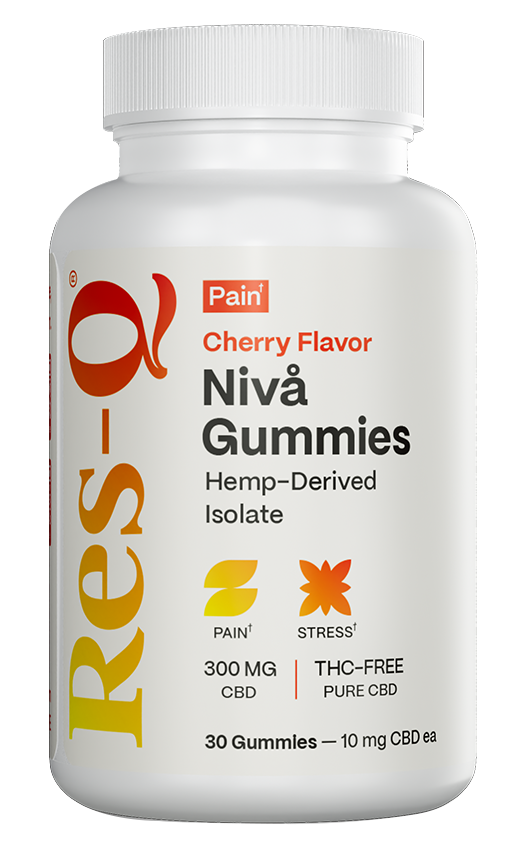
The label should clearly state how many milligrams of CBD or THC are in each individual gummy — not just the total per bottle. “600 mg CBD” on a 30-count bottle means 20 mg per gummy. Some brands obscure this. Don’t let them.
The CBD Your Body ACTUALLY ABSORBS
Most CBD passes right through you. This one doesn't — 440% better absorption, zero THC, made in the U.S.
See Why People Are SwitchingReal User Experiences Worth Knowing About
Lisa, 52, from Michigan — rheumatoid arthritis. She tried prescription Celebrex for two years. Stomach issues forced her off it. She started with 25 mg CBD gummies twice daily. After three weeks, her morning joint stiffness decreased enough that she could open jars again without wincing. She bumped to 50 mg daily total after a month. No side effects besides mild drowsiness the first few nights.
Tom, 34, from Texas — generalized anxiety disorder. He was on sertraline for four years and wanted off. His psychiatrist helped him taper while introducing 30 mg of CBD daily. The transition took three months. He now takes 25 mg CBD every morning. His anxiety isn’t gone — he’s clear about that — but it’s manageable without the sexual side effects and emotional blunting he experienced on the SSRI.
Diana, 41, from Washington — chronic insomnia. She uses a 5 mg THC gummy about 45 minutes before bed on weeknights. She skips weekends to prevent tolerance buildup. She falls asleep within 20 minutes on gummy nights versus her usual 60–90 minutes. She tried CBD gummies first at 50 mg. They helped some, but not as dramatically. She keeps both on hand and alternates depending on how rough her day was.
These aren’t miracle stories. Nobody threw away their wheelchair. The improvements are incremental, practical, and specific to each person’s body chemistry and condition. That’s the honest reality of cannabinoid-based wellness — it works for a lot of people, modestly, and finding your dose takes patience.
The Difference Between CBD Gummies and Weed Gummies Comes Down to What You Need
If you want daily support for pain, anxiety, or sleep without any psychoactive effect, without legal risk, and without dependence concerns — CBD gummies are the clear starting point. If you have access to legal THC products and your pain or insomnia is severe enough to justify psychoactive effects, THC gummies offer stronger acute relief with more significant tradeoffs.
Understanding the difference between CBD gummies and weed gummies isn’t about declaring one “better.” It’s about matching the right tool to your specific situation — your body, your symptoms, your job, your state laws, your comfort level.
Start low. Go slow. Track your doses in a notebook or phone app for at least two weeks before adjusting. Talk to your doctor if you’re on other medications — CBD in particular can interact with blood thinners, certain antiepileptics, and some antidepressants by inhibiting cytochrome P450 enzymes in the liver.
Read the rest of our articles and more useful info down below for dosage guides, brand comparisons, and deeper dives into specific conditions like fibromyalgia, PTSD, and arthritis management with cannabinoids.