
What You Actually Need to Know About the Negative Side Effects of CBD Gummies
CBD gummies are everywhere right now. Gas stations, health food stores, online shops with slick branding. And most of the marketing makes them sound like candy that fixes everything — pain, anxiety, sleep problems, inflammation. But here is the thing. There are real negative side effects of cbd gummies that people either don’t talk about or bury under five paragraphs of hype. If you’re someone dealing with chronic pain, anxiety, or sleep issues and you’re looking at CBD as a natural alternative to pharmaceuticals, you deserve the full picture before spending your money.
This article covers exactly that. The side effects backed by clinical data. The stuff people report in forums and product reviews. The dosage mistakes. The liver question. The empty stomach question. All of it, laid out plain.
Tired of guessing which CBD actually works?
Find What Works for Your Body
A less-than 60 second wellness match for adults exploring plant-based relief
What’s bothering you most right now?
Select the one that impacts your day the most
How long have you been dealing with this?
There's no wrong answer — this helps us tailor your match
How much does it affect your daily routine?
Be honest — this shapes your recommendation
What have you tried so far?
Knowing what hasn't worked helps us find what will
How familiar are you with CBD?
No judgment — everyone starts somewhere
What sounds easiest to add to your routine?
Think about what fits your lifestyle, not what sounds fancy
What matters most to you in a product?
Pick the one that would seal the deal for you
YOUR MATCH IS READY
We'll include your personalized match plus a first-timer's guide based on your answers.
Where should we send your recommendation?
🔒 No spam, ever. Your info is kept 100% secure.
If you'd rather not wait — based on your answers about your symptoms, we'd point you straight to our trusted partner.
Skip to My Match →The Most Common Negative Side Effects of CBD Gummies
Let’s start with what researchers and doctors have actually documented. A 2017 review published in Cannabis and Cannabinoid Research looked at multiple clinical trials and found that CBD is generally well tolerated. But “generally well tolerated” does not mean “zero side effects.” The same review listed several adverse effects that showed up repeatedly across studies.
Dry Mouth
This one is extremely common. CBD interacts with cannabinoid receptors in your salivary glands. The result is reduced saliva production. It sounds minor, but if you’re taking CBD gummies daily for chronic pain or anxiety, persistent dry mouth can lead to dental issues over time. Increased risk of cavities and gum disease. A 2006 study in Experimental Biology and Medicine confirmed that cannabinoid receptors (CB1 and CB2) exist in the submandibular glands, which produce about 70% of your saliva.
Drowsiness and Fatigue
A lot of people take CBD gummies specifically for sleep. That makes sense. But drowsiness during the day is a different problem. If you take a 25mg gummy in the morning for anxiety and then can’t keep your eyes open at your desk by 11 AM, that’s a side effect worth knowing about. In a large case series published in The Permanente Journal in 2019, 10% of participants reported fatigue as a side effect. The study followed 72 adults using CBD for anxiety and sleep. Fatigue was one of the top complaints alongside changes in appetite.
Digestive Issues
Diarrhea, nausea, and changes in appetite. These show up in the clinical literature more than most brands want you to know. The FDA’s own review of Epidiolex — the only FDA-approved CBD medication — noted that diarrhea occurred in 20% of patients in clinical trials at higher doses (20 mg/kg/day). Now, most people taking over-the-counter CBD gummies aren’t taking anywhere near that dose. But the mechanism is still relevant. CBD affects gut motility. Some people’s stomachs just don’t agree with it, especially at the beginning.
One woman in a Reddit thread — she was 38, dealing with fibromyalgia — described her first week on CBD gummies as “basically living in the bathroom.” She dropped her dose from 50mg to 10mg and the issue resolved within three days. Dose matters enormously here.
Changes in Appetite and Weight
This one goes both ways. Some people eat more. Some people eat less. The Permanente Journal study mentioned above found that appetite fluctuated in 6.35% of participants within the first month. If you’re managing a condition like anxiety where appetite is already unstable, adding CBD into the mix can make things unpredictable for a few weeks.
Are CBD Gummies Bad for Your Liver?
This is one of the most asked questions out there and it deserves a straight answer. Are cbd gummies bad for your liver? The short version: at very high doses, yes, CBD can stress the liver. At normal supplemental doses, the risk is low for most people — but it’s not zero.
Here is where the data comes from. In 2019, a study published in the journal Molecules tested CBD on mice at very high doses. The mice that received the human-equivalent of about 200mg of CBD showed signs of liver swelling within 24 hours. At repeated high doses, liver damage markers (ALT and AST enzymes) were significantly elevated. The researchers compared the hepatotoxicity profile to acetaminophen (Tylenol), which is known to cause liver damage at high doses.
Now, most CBD gummies contain between 10mg and 50mg per gummy. Most people take one or two per day. That puts them well below the doses that caused liver issues in that mouse study. But there are two important caveats.
Caveat One: Drug Interactions
CBD is metabolized by the liver through the cytochrome P450 enzyme system. Specifically, CYP3A4 and CYP2C19. If you’re taking other medications that use those same pathways — and that includes a lot of common drugs like certain blood thinners, antidepressants, anti-seizure medications, and even some statins — CBD can interfere with how your liver processes those drugs. This can lead to higher blood levels of the other medication, which increases the risk of side effects from that drug. It also means your liver is working harder than normal.
A 42-year-old man shared his experience in a CBD forum. He was taking sertraline (Zoloft) for anxiety and added 30mg CBD gummies before bed. Within two weeks, he noticed increased dizziness and nausea — both known side effects of sertraline at elevated blood levels. His doctor ran bloodwork and confirmed his sertraline levels were higher than expected. The CBD was inhibiting the enzyme that metabolizes sertraline.
Caveat Two: Unregulated Products
The FDA does not regulate CBD gummies the same way it regulates pharmaceuticals. A 2020 study in the Journal of the American Medical Association (JAMA) tested 84 CBD products purchased online and found that 26% contained less CBD than labeled, while 43% contained more. Some products also contained contaminants — heavy metals, pesticides, residual solvents. These contaminants put additional stress on the liver. So the question of “are cbd gummies bad for your liver” isn’t just about the CBD itself. It’s about what else might be in the gummy.
If you have a pre-existing liver condition, or if you take medications processed through CYP450 enzymes, get bloodwork done. Talk to your doctor. This isn’t a scare tactic. It’s just how liver metabolism works.
Looking For Something Pure & Potent?
If your current CBD isn't full-spectrum and U.S.-sourced, you're wasting money
Check Out This Full-Spectrum, American Made CBDCan You Take CBD Gummies on an Empty Stomach?
Another one that comes up constantly. Can you take cbd gummies on an empty stomach? You can. You won’t die. But it changes how the CBD is absorbed, and it might increase the chance of experiencing some of those digestive side effects.
CBD is fat-soluble. That means it absorbs better when there’s fat in your system. A 2019 study from the University of Minnesota found that taking CBD with high-fat food increased CBD absorption by nearly 4 to 5 times compared to taking it on an empty stomach. The study was small — 8 participants — but the difference in bioavailability was significant.
What does this mean practically? If you take a 25mg CBD gummy on an empty stomach, your body might absorb the equivalent of 5 to 8mg. If you take that same gummy after eating a meal with some fat in it — avocado, eggs, peanut butter, olive oil — your body might absorb 20 to 25mg. That’s a massive difference.
It also means that taking CBD gummies on an empty stomach can lead to unpredictable effects. One day you might feel nothing. The next day, if you take the same gummy after eating, you might feel overly sedated. Consistency matters for people managing chronic conditions.
Some people also report more nausea when taking CBD on an empty stomach. This isn’t unique to CBD — plenty of supplements and medications cause stomach upset without food. But it’s worth noting because a lot of people pop a gummy first thing in the morning before breakfast and then wonder why they feel off.
How Much CBD Is Too Much? Dosage Mistakes People Make
There is no universally agreed upon “correct” dose of CBD. The World Health Organization’s 2018 critical review on CBD stated that doses up to 1,500mg per day are generally well tolerated in humans. But that does not mean you should take 1,500mg. Most negative side effects of cbd gummies that people report are dose-related. They took too much, too fast.
Starting Too High
A common mistake. Someone reads that 50mg helped another person sleep, so they start at 50mg. But body weight, metabolism, the specific product formulation, whether you ate recently — all of these affect how you respond. Clinical guidance from organizations like the Arthritis Foundation suggests starting at 5 to 10mg once or twice a day and increasing slowly over several weeks.
Stacking Doses
CBD gummies take 30 to 90 minutes to kick in because they go through your digestive system. Some people take a gummy, don’t feel anything after 20 minutes, and take another one. Then both hit at once and they end up drowsy, nauseous, or both. This is especially common with people new to edible CBD products.
Ignoring the Other Ingredients
Many CBD gummies contain added ingredients — melatonin for sleep formulas, turmeric for pain formulas, ashwagandha for stress formulas. These ingredients have their own side effect profiles. If you take a CBD sleep gummy that contains 5mg of melatonin and you feel groggy the next morning, it might not be the CBD at all. Read the label. Every ingredient on that label can interact with your body independently.
CBD Gummies and Anxiety: When It Helps and When It Doesn’t
CBD has shown promise for anxiety in multiple studies. A 2015 review in Neurotherapeutics analyzed preclinical and clinical evidence and concluded that CBD has potential as a treatment for generalized anxiety disorder, panic disorder, social anxiety disorder, OCD, and PTSD. A 2019 Brazilian study gave 57 men either 150mg, 300mg, or 600mg of CBD before a simulated public speaking test. The 300mg group showed significantly reduced anxiety compared to placebo. The 150mg and 600mg groups did not.
That last part is important. More is not always better with CBD and anxiety. There seems to be a dose-dependent curve where moderate doses help and very high or very low doses do less. This has been called the “inverted U-shaped dose-response” in CBD research.
For some people, CBD gummies actually increase anxiety. This happens less frequently, but it’s documented. A user on a chronic pain support forum described taking 40mg of CBD for the first time and experiencing racing thoughts and heightened anxiety for about two hours. She later found that 15mg worked well for her without that response. Individual biochemistry matters a lot here.
CBD Gummies and Sleep: The Full Story
Sleep is probably the number one reason adults between 25 and 55 try CBD gummies. And there is real evidence that it can help. The Permanente Journal study from 2019 found that 66.7% of participants reported improved sleep scores in the first month of using CBD. However, those scores fluctuated over time, and for some participants, sleep actually worsened after the initial improvement.
The timing of when you take the gummy matters. Because gummies take 30 to 90 minutes to absorb, taking one right as you get into bed might not help you fall asleep — but it could keep you drowsy into the morning. Most people who report success with CBD for sleep take their gummy 60 to 90 minutes before they plan to sleep.
The Tolerance Question
Some long-term users report that CBD gummies stop working as well after a few months. Tolerance to cannabinoids is a real phenomenon, though CBD works differently than THC in this regard. CBD doesn’t bind strongly to CB1 receptors the way THC does, so classical cannabinoid tolerance may not fully apply. But anecdotally, a lot of people describe needing to increase their dose over time. A 34-year-old man in a sleep disorder community described going from 20mg to 50mg over six months before the effect leveled off again. He started cycling — taking CBD for three weeks, then taking a week off — and found that helped maintain effectiveness.
Drug Interactions You Need to Know About
This section is critical and it doesn’t get enough attention. CBD interacts with a significant number of prescription and over-the-counter medications. The general rule from pharmacologists is the “grapefruit test.” If your medication has a warning about grapefruit juice, CBD likely interacts with it too. Both grapefruit and CBD inhibit the same liver enzymes.
Medications that interact with CBD include but are not limited to:
Blood thinners like warfarin. A 2017 case study in Epilepsy and Behavior Casereports documented a patient on warfarin whose INR levels (a measure of blood clotting time) increased significantly after starting CBD. This meant the patient’s blood was too thin, increasing bleeding risk.
Certain antidepressants, including SSRIs like sertraline and citalopram. As mentioned earlier, CBD can increase blood levels of these medications by inhibiting CYP2C19.
Anti-seizure medications like clobazam. This interaction is actually well-documented because of Epidiolex’s clinical trials. CBD increased clobazam levels by up to 60% in some patients.
Some blood pressure medications, benzodiazepines, and immunosuppressants also interact. If you take any prescription medication and you’re considering CBD gummies, bring the specific product to your pharmacist. Pharmacists are often better resources for drug interaction questions than general practitioners because drug interactions are literally their specialty.
What to Look for in a CBD Gummy to Reduce Side Effect Risk
Not all CBD gummies are created equally. Quality varies wildly across brands and price points. A few things to check before buying.
Third-Party Lab Testing
Any reputable CBD brand should provide a Certificate of Analysis (COA) from an independent lab. This COA should confirm the actual CBD content per gummy, verify THC levels are below 0.3% (the federal legal limit), and screen for contaminants like heavy metals, pesticides, and microbial impurities. If a brand doesn’t make their COA publicly available or won’t provide one when asked, walk away.
Extraction Method
CO2 extraction is considered the gold standard for producing clean CBD. Cheaper products sometimes use solvent-based extraction methods that can leave behind residues. These residues are additional compounds your liver has to process.
Full Spectrum, Broad Spectrum, or Isolate
Full spectrum contains all cannabinoids from the hemp plant including trace THC (below 0.3%). Broad spectrum removes THC but keeps other cannabinoids. Isolate is pure CBD only. Some research suggests full spectrum products are more effective due to the “entourage effect” — the idea that cannabinoids work better together. A 2015 study from the Lautenberg Center for Immunology in Israel found that full spectrum CBD had a stronger anti-inflammatory effect than CBD isolate. However, full spectrum products also carry a small risk of triggering a positive drug test due to the trace THC content.
Added Ingredients
Check for artificial colors, high-fructose corn syrup, and excessive sugar. Some gummies contain 3 to 5 grams of sugar each. If you’re taking two per day, that’s an extra 10 grams of sugar daily from a supplement that’s supposed to be improving your health. Several brands now offer sugar-free or low-sugar options sweetened with monk fruit or stevia.
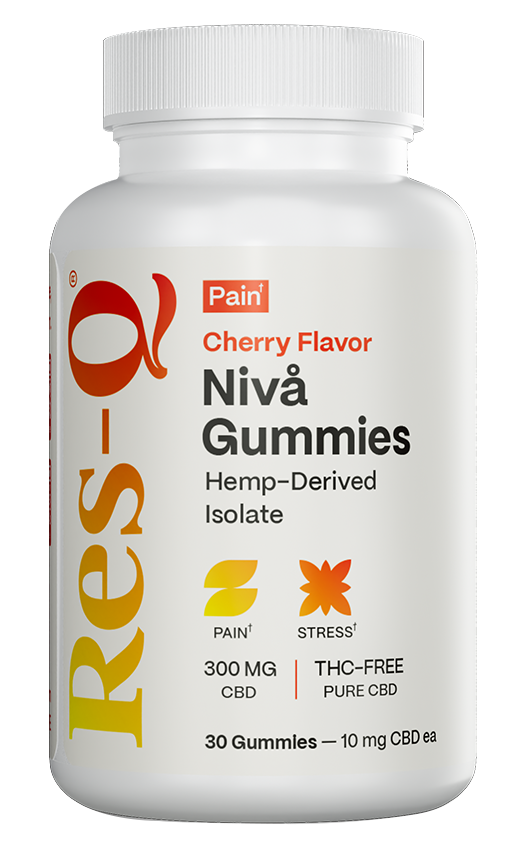
The CBD Your Body ACTUALLY ABSORBS
Most CBD passes right through you. This one doesn't — 440% better absorption, zero THC, made in the U.S.
See Why People Are SwitchingReal User Experiences: What People Actually Report
Clinical studies give us one picture. Real user experiences fill in the gaps. Here are a few accounts compiled from verified purchaser reviews and health community forums.
A 47-year-old woman with osteoarthritis in both knees tried CBD gummies (25mg, full spectrum) for three months. Her pain decreased from a self-reported 7 out of 10 to a 4 out of 10 within the first two weeks. Side effects included dry mouth and mild drowsiness in the first week. Both subsided. She described it as “the first thing in five years that actually let me sleep through the night without waking up at 3 AM from knee pain.”
A 31-year-old man with generalized anxiety disorder tried CBD gummies after tapering off benzodiazepines with his psychiatrist’s guidance. He started at 10mg and increased to 20mg over a month. He reported reduced baseline anxiety but noticed increased digestive issues — loose stools and bloating — for the first ten days. Those symptoms resolved. He has been using CBD gummies for over a year now and takes periodic breaks to maintain effectiveness.
A 52-year-old woman with insomnia tried a CBD plus melatonin gummy (15mg CBD, 3mg melatonin). She reported feeling “hungover” every morning and attributed it to the melatonin after testing CBD-only gummies without that issue. Her experience highlights why reading the full ingredient list matters.
When to Stop Taking CBD Gummies
Most negative side effects of cbd gummies are mild and resolve on their own within a week or two. But there are situations where you should stop and consult a healthcare provider.
If you develop a rash, hives, or swelling. Allergic reactions to CBD are rare but they do happen. More commonly, the reaction is to another ingredient in the gummy — gelatin, a specific flavoring, or a dye.
If you notice yellowing of the skin or eyes, dark urine, or persistent abdominal pain. These are signs of liver stress and should be evaluated immediately.
If you experience significant mood changes — worsening anxiety, irritability, or depressive episodes. While uncommon, some individuals do not respond well to CBD and these symptoms warrant stopping use.
If you’re taking prescription medications and notice any change in how those medications affect you. This could indicate a drug interaction.
The Bottom Line on Negative Side Effects of CBD Gummies
CBD gummies are a legitimate option for adults managing chronic pain, anxiety, and sleep issues. The research supports that. But they are not side-effect-free, and pretending otherwise does people a disservice. The negative side effects of cbd gummies — dry mouth, drowsiness, digestive issues, potential liver stress at high doses, and drug interactions — are real and documented. They are also, for most people, manageable. Starting low, going slow, choosing quality products, timing your dose with food, and checking for drug interactions will eliminate the majority of problems people run into.
The biggest risk isn’t CBD itself. It’s the unregulated market. Buying the cheapest gummy on Amazon without checking for a COA or third-party testing is where most people get into trouble. Do the research. Read the labels. Talk to your pharmacist if you take other medications.
Read the rest of our articles and more useful info down below for honest comparisons, dosage guides, and more real user experiences to help you make an informed decision.