
What We Know About CBD and Gastrointestinal Disorders Right Now
CBD and gastrointestinal disorders have become one of the most talked-about intersections in gut health research. Not because of hype. Because the endocannabinoid system — the internal network CBD interacts with — is densely concentrated in the gut. CB1 and CB2 receptors line the entire gastrointestinal tract, from esophagus to colon. That matters. It means CBD has biological access to the very systems that regulate motility, inflammation, and visceral pain in the digestive system.
This article breaks down what the clinical and preclinical research says, what real people report, and where the gaps still are. No overselling. No underselling. Just what exists right now.
Tired of guessing which CBD actually works?
Find What Works for Your Body
A less-than 60 second wellness match for adults exploring plant-based relief
What’s bothering you most right now?
Select the one that impacts your day the most
How long have you been dealing with this?
There's no wrong answer — this helps us tailor your match
How much does it affect your daily routine?
Be honest — this shapes your recommendation
What have you tried so far?
Knowing what hasn't worked helps us find what will
How familiar are you with CBD?
No judgment — everyone starts somewhere
What sounds easiest to add to your routine?
Think about what fits your lifestyle, not what sounds fancy
What matters most to you in a product?
Pick the one that would seal the deal for you
YOUR MATCH IS READY
We'll include your personalized match plus a first-timer's guide based on your answers.
Where should we send your recommendation?
🔒 No spam, ever. Your info is kept 100% secure.
If you'd rather not wait — based on your answers about your symptoms, we'd point you straight to our trusted partner.
Skip to My Match →The Endocannabinoid System and Your Gut
Before diving into specific conditions, you need to understand why CBD even has a shot at affecting the gut. The endocannabinoid system (ECS) is a cell-signaling system discovered in the early 1990s. It has three main components: endocannabinoids (molecules your body makes naturally), receptors those molecules bind to, and enzymes that break them down.
The gut has an enormous density of ECS receptors. CB1 receptors are found throughout the enteric nervous system — that’s the “second brain” embedded in the lining of your GI tract. CB2 receptors show up heavily in immune cells within the gut wall. CBD doesn’t bind directly to these receptors the way THC does. Instead, it modulates them indirectly and influences other receptor systems like TRPV1 (involved in pain signaling) and 5-HT1A (a serotonin receptor involved in nausea).
A 2020 review published in the journal Cannabis and Cannabinoid Research noted that the ECS plays a regulatory role in gastric acid secretion, GI motility, visceral sensation, and intestinal inflammation. That’s a broad footprint. And it explains why researchers keep circling back to CBD for stomach disorders — the biological plausibility is strong.
Why the Gut Is So Responsive to Cannabinoids
Your gut produces its own endocannabinoids — anandamide and 2-AG — in significant quantities. When something goes wrong in the GI tract, these levels change. In people with inflammatory bowel disease, for example, endocannabinoid tone is often disrupted. The thinking is that supplementing with phytocannabinoids like CBD might help restore balance. That word — balance — gets thrown around a lot, but in this context it has measurable meaning. Researchers can track changes in intestinal permeability, cytokine levels, and motility patterns.
One thing worth noting: the gut-brain axis runs both directions. Stress, anxiety, and mood disorders all influence GI symptoms. CBD’s documented anxiolytic effects (its ability to reduce anxiety) may provide indirect benefit to digestive function. A person with irritable bowel syndrome whose flare-ups are triggered by stress might see improvement not because CBD fixed their colon, but because it reduced the upstream trigger.
CBD and Irritable Bowel Syndrome
IBS affects roughly 10–15% of the global population. It’s characterized by abdominal pain, bloating, and altered bowel habits — constipation, diarrhea, or both. Standard treatments include dietary changes, antispasmodics, and sometimes antidepressants. Many patients describe the condition as unpredictable and exhausting.
There’s a woman named Sarah who posted in a gastroenterology patient forum in early 2025. She’d tried low-FODMAP diets, peppermint oil capsules, and two prescription medications over four years. Nothing held. She started taking 25 mg of full-spectrum CBD oil daily and reported a noticeable reduction in bloating within three weeks. Her flare-ups didn’t disappear, but they became less frequent and less intense. That’s one person’s experience — not a clinical trial — but it mirrors what thousands of people describe online.
On the research side, a 2023 randomized controlled trial published in Neurogastroenterology & Motility examined the effects of cannabinoids on colonic motility in IBS-D (diarrhea-predominant IBS). The study found that cannabinoids slowed colonic transit in some participants. CBD specifically showed modest anti-inflammatory effects in the gut mucosa. The results were not dramatic, but they were statistically significant.
What CBD Might Do for IBS Symptoms
Three things stand out from the available evidence. First, CBD may reduce visceral hypersensitivity — that heightened pain response in the gut that makes normal digestion feel painful. Second, it may modulate intestinal motility, which matters for both constipation and diarrhea subtypes. Third, its anti-anxiety effects could dampen the stress-gut feedback loop that drives many flare-ups.
None of this is conclusive. The sample sizes in existing studies are small. But the mechanistic evidence is consistent, and patient reports are widespread enough that several gastroenterologists have publicly acknowledged CBD as a reasonable adjunct therapy for IBS management.
CBD and Inflammatory Bowel Disease
Inflammatory bowel disease — Crohn’s disease and ulcerative colitis — is a different animal from IBS. It involves chronic, measurable inflammation of the GI tract. Tissue damage. Ulceration. Immune system dysfunction. The stakes are higher and the treatments more aggressive: immunosuppressants, biologics, and sometimes surgery.
CBD and digestive disorders linked to chronic inflammation have been studied more extensively in animal models than in humans. A frequently cited 2011 study in PLoS ONE demonstrated that CBD reduced intestinal inflammation in a mouse model of colitis by activating peroxisome proliferator-activated receptor gamma (PPARγ). A 2018 study in Inflammatory Bowel Diseases showed CBD reduced oxidative stress markers in colonic tissue samples.
In humans, the data is thinner but growing. A 2021 observational study at a major IBD center in Israel followed 127 Crohn’s disease patients who used cannabis products (including CBD-dominant formulations) over a 12-month period. About 65% reported improved quality of life. Roughly half reported reduced abdominal pain. But — and this is important — objective measures of inflammation (like C-reactive protein and fecal calprotectin) did not consistently improve across the group.
The Gap Between Feeling Better and Being Better
This distinction matters a lot in IBD. A patient might feel less pain and have fewer urgent trips to the bathroom while their intestinal lining is still inflamed and deteriorating. CBD may manage symptoms effectively without addressing the underlying pathology. That doesn’t make it useless — symptom management is hugely valuable for quality of life. But it does mean CBD should not replace disease-modifying therapies in IBD without close medical supervision.
Dr. Timna Naftali, a gastroenterologist at Meir Medical Center in Israel, has published multiple studies on cannabinoids and IBD. Her 2021 work found that cannabis induced clinical remission in a significant portion of Crohn’s patients, but endoscopic remission (actual healing visible on camera) was not statistically different from placebo. Her conclusion was measured: cannabinoids help patients feel better, but more research is needed to determine if they alter disease course.
Looking For Something Pure & Potent?
If your current CBD isn't full-spectrum and U.S.-sourced, you're wasting money
Check Out This Full-Spectrum, American Made CBDCBD for Stomach Disorders Beyond IBS and IBD
The conversation about CBD for stomach disorders extends past the two most commonly discussed conditions. Gastroparesis, functional dyspepsia, gastroesophageal reflux disease (GERD), and even cyclic vomiting syndrome have all appeared in cannabinoid research to varying degrees.
Gastroparesis
Gastroparesis is delayed stomach emptying without a mechanical obstruction. Symptoms include nausea, vomiting, bloating, and early satiety. It’s notoriously difficult to treat. Prokinetic drugs like metoclopramide have serious side-effect profiles, and dietary changes only go so far.
Here’s where it gets complicated. THC is known to slow gastric emptying — which is the opposite of what gastroparesis patients need. CBD, however, does not appear to have the same effect. A 2011 study in the American Journal of Physiology found that CBD alone did not significantly alter gastric motility in healthy volunteers. Some clinicians have hypothesized that CBD’s antiemetic properties (nausea reduction via 5-HT1A receptor activity) could help gastroparesis patients manage symptoms even if the underlying motility issue persists.
There are no randomized controlled trials on CBD specifically for gastroparesis as of early 2026. But patient interest is high, and at least two U.S. academic medical centers have registered pilot studies examining cannabinoid therapies for gastroparesis.
Functional Dyspepsia
Functional dyspepsia — persistent upper abdominal discomfort without a clear structural cause — affects up to 20% of the population. The condition overlaps significantly with IBS and is thought to involve visceral hypersensitivity, impaired gastric accommodation, and psychosocial factors.
CBD’s potential here is largely extrapolated from its effects on the same pathways involved in IBS. The visceral pain modulation. The anxiolytic properties. The anti-inflammatory activity. One small 2024 pilot study out of the University of Bath examined CBD’s effect on gastric accommodation using a nutrient drink test. Participants who received 300 mg of CBD showed improved gastric accommodation scores compared to placebo. The study had only 28 participants and hasn’t been replicated, but it’s a starting point.
GERD and Acid Reflux
There’s less direct evidence connecting CBD to GERD relief. The lower esophageal sphincter, which fails to close properly in GERD, is influenced by the vagus nerve and local neurotransmitters. Some ECS activity has been documented in the esophageal region, but no controlled studies have tested CBD as a GERD treatment.
Anecdotally, some GERD patients report that CBD oil worsens their reflux — possibly because the carrier oil (MCT or olive oil) triggers acid production. Others say it helps with the chest tightness and anxiety that often accompany chronic reflux. The evidence here is entirely anecdotal, and it would be irresponsible to frame CBD as a GERD solution.
How People Are Actually Using CBD for Digestive Issues
Formats matter. Not all CBD products interact with the gut the same way. Oral ingestion — capsules, oils, edibles — delivers CBD directly through the GI tract, which means first-pass metabolism in the liver reduces bioavailability to roughly 6–19%. But it also means the CBD passes through the intestinal lining, where local effects on gut receptors may occur before systemic absorption.
Sublingual oils (held under the tongue for 60–90 seconds) bypass some first-pass metabolism and enter the bloodstream faster. Some gastroenterologists who recommend CBD suggest sublingual administration for systemic anti-inflammatory effects, and oral capsules when the goal is local gut interaction.
Dosing: What the Research Uses vs. What People Take
Clinical studies on CBD and gastrointestinal disorders have used doses ranging from 10 mg to 600 mg daily, depending on the condition and study design. Most IBS-focused research has landed in the 25–100 mg range. IBD studies have often used higher doses — 200 mg or more.
In practice, most consumers start at 10–25 mg daily and titrate up. A 2025 survey published in the Journal of Clinical Gastroenterology found that among 412 GI patients who self-administered CBD, the median effective dose was 30 mg per day for symptom management. About 18% reported needing 50 mg or more to notice benefits.
Side effects in these doses are generally mild. The most commonly reported are fatigue, changes in appetite, and — somewhat ironically — diarrhea. CBD can interact with certain medications, including blood thinners and some immunosuppressants, by inhibiting cytochrome P450 enzymes in the liver. Anyone on medication for a GI condition should consult their physician before adding CBD.
Common Mistakes People Make With CBD and Digestive Health
Mistake one: buying isolate when full-spectrum might work better. The entourage effect — where multiple cannabis compounds work synergistically — has supporting evidence, particularly in inflammatory conditions. A 2015 study from the Lautenberg Center for Immunology found that full-spectrum CBD extract was more effective at reducing inflammation than pure CBD isolate at the same dose.
Mistake two: inconsistent dosing. CBD builds up in fatty tissues over days and weeks. Taking it sporadically — 25 mg on Monday, nothing until Thursday, 50 mg on Saturday — doesn’t give the compound a fair trial. Most researchers recommend consistent daily dosing for at least 2–4 weeks before evaluating effectiveness.
Mistake three: ignoring product quality. The CBD market remains loosely regulated. A 2020 study in the Journal of the American Medical Association found that nearly 70% of CBD products sold online were mislabeled — containing more or less CBD than stated on the label, and sometimes containing detectable THC. Third-party lab testing (certificates of analysis from independent labs) is the minimum standard for any product worth trying.
Mistake four: replacing proven treatments. This is the big one, especially for IBD patients. CBD should be considered an adjunct, not a replacement, for evidence-based therapies. Stopping biologics or immunosuppressants in favor of CBD alone carries real risk of disease progression, hospitalization, and surgical intervention.
What Gastroenterologists Are Saying in 2026
The professional landscape has shifted. Five years ago, most GI specialists would dismiss questions about CBD with a vague “there’s not enough evidence.” That’s changing. The American Gastroenterological Association published a clinical practice update in late 2025 acknowledging that cannabinoid-based therapies show promise for symptom management in functional GI disorders, while emphasizing the need for larger trials.
Dr. Jordan Kaplan, a gastroenterologist at Mount Sinai, told a medical podcast in January 2026 that roughly 30% of his IBS patients ask about CBD. His approach: he doesn’t recommend it outright, but he doesn’t discourage it either. He asks patients to use products with verified lab results, start low, and track symptoms in a journal. “I’d rather have the conversation than have them try it in silence and not tell me,” he said.
That attitude represents the growing middle ground. Most GI doctors aren’t prescribing CBD. But many are willing to discuss it, monitor patients who use it, and acknowledge the biological rationale.
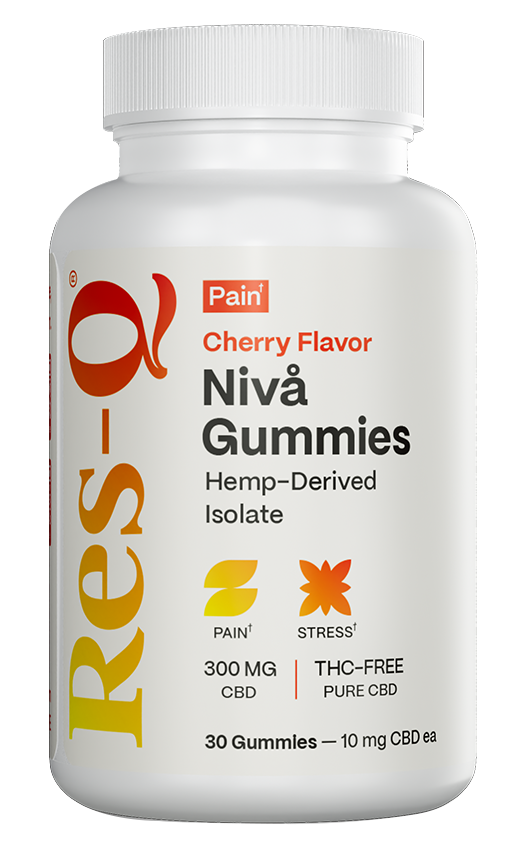
The CBD Your Body ACTUALLY ABSORBS
Most CBD passes right through you. This one doesn't — 440% better absorption, zero THC, made in the U.S.
See Why People Are SwitchingWhere the Research Goes From Here
Several ongoing clinical trials are expected to report results in 2026 and 2027. A phase II trial at University College London is testing pharmaceutical-grade CBD in ulcerative colitis patients who’ve failed first-line therapies. A multi-center study in Canada is examining CBD oil versus placebo for IBS symptom severity over 12 weeks. A smaller study at the University of Colorado is looking at CBD’s effects on gut permeability — “leaky gut” — using lactulose-mannitol testing.
These trials matter because they’ll provide the kind of data — randomized, placebo-controlled, adequately powered — that moves CBD and digestive disorders from “promising but inconclusive” to something more definitive. Until then, the honest answer remains: CBD probably helps some people with some GI symptoms, and we’re still working out exactly who, how much, and why.
The endocannabinoid system’s deep integration with gut function isn’t going away. Neither is patient demand. What’s needed now is rigor — better studies, standardized products, and clinicians willing to engage rather than dismiss.
Frequently Asked Questions About CBD and Gastrointestinal Disorders
Can CBD cure IBS or IBD?
No. There is no evidence that CBD cures either condition. Current research suggests it may help manage symptoms — particularly pain, nausea, and inflammation — but it has not been shown to reverse or eliminate the underlying disease process in any gastrointestinal disorder.
How long does it take for CBD to help with digestive symptoms?
Most users and researchers report a minimum of two to four weeks of consistent daily use before noticeable effects. Some people respond sooner, some later. CBD accumulates in body fat and reaches steady-state concentrations over time, which is why sporadic use is generally less effective.
What type of CBD product is best for gut issues?
Oral formats like capsules and oils deliver CBD directly through the GI tract, which may allow local effects on intestinal receptors. Full-spectrum products may offer additional benefits through the entourage effect. Always choose products verified by independent third-party lab testing.
Does CBD interact with GI medications?
Yes. CBD inhibits certain liver enzymes (specifically CYP3A4 and CYP2C19) that metabolize many common medications, including some immunosuppressants, proton pump inhibitors, and blood thinners. Consult a physician before combining CBD with any prescription medication.
Is CBD safe for long-term use for digestive conditions?
Long-term safety data on CBD is still limited. Studies up to 12 months have generally shown a favorable safety profile at doses under 300 mg per day, with mild side effects like fatigue and appetite changes. However, liver enzyme elevations have been observed at very high doses, so periodic monitoring may be appropriate for long-term users.
Read the rest of our articles and more useful info down below!