
CBD and Antidepressants: What You Actually Need to Know Before Mixing Them
About 37.2 million adults in the United States take some form of antidepressant. At the same time, roughly 1 in 7 Americans use CBD products. The overlap between those two groups is massive. And yet almost nobody talks about what happens when CBD and antidepressants end up in the same body at the same time.
This matters. CBD affects how your liver processes drugs. Antidepressants depend on that same liver processing to work correctly. When you change one part of that equation, the other part shifts too. Sometimes in ways that cause real problems.
This article breaks down the actual pharmacology, the known risks, the research that exists, and the gaps where research doesn’t exist yet. No hype. No scare tactics. Just what’s known and what isn’t.
Tired of guessing which CBD actually works?
Find What Works for Your Body
A less-than 60 second wellness match for adults exploring plant-based relief
What’s bothering you most right now?
Select the one that impacts your day the most
How long have you been dealing with this?
There's no wrong answer — this helps us tailor your match
How much does it affect your daily routine?
Be honest — this shapes your recommendation
What have you tried so far?
Knowing what hasn't worked helps us find what will
How familiar are you with CBD?
No judgment — everyone starts somewhere
What sounds easiest to add to your routine?
Think about what fits your lifestyle, not what sounds fancy
What matters most to you in a product?
Pick the one that would seal the deal for you
YOUR MATCH IS READY
We'll include your personalized match plus a first-timer's guide based on your answers.
Where should we send your recommendation?
🔒 No spam, ever. Your info is kept 100% secure.
If you'd rather not wait — based on your answers about your symptoms, we'd point you straight to our trusted partner.
Skip to My Match →How CBD Interacts With Your Liver Enzymes
Your liver uses a group of enzymes called cytochrome P450 (CYP450) to break down most medications. These enzymes are responsible for metabolizing roughly 60% to 80% of all pharmaceutical drugs on the market. Two of the most important ones are CYP2D6 and CYP3A4.
CBD inhibits both of them.
When CBD blocks or slows down CYP2D6 and CYP3A4, any drug that relies on those enzymes stays in your bloodstream longer. The drug’s concentration goes up. It’s the same reason grapefruit juice comes with warnings on certain medications — grapefruit also inhibits CYP3A4.
A 2020 study published in the journal Molecules confirmed that CBD is a potent inhibitor of multiple CYP450 isoforms. The researchers found that even moderate doses of CBD (around 25 mg to 75 mg) produced measurable enzyme inhibition in human liver microsomes.
This isn’t theoretical. The FDA acknowledged this interaction when it approved Epidiolex (the only FDA-approved CBD medication) for seizure disorders. The prescribing information for Epidiolex explicitly warns about CYP450 interactions.
Which Antidepressants Are Most Affected
Not every antidepressant is metabolized the same way. Some rely heavily on CYP2D6. Others depend more on CYP3A4. A few use both. Here’s how the major classes break down.
SSRIs (Selective Serotonin Reuptake Inhibitors)
SSRIs are the most commonly prescribed antidepressants in the world. They include fluoxetine (Prozac), sertraline (Zoloft), paroxetine (Paxil), citalopram (Celexa), and escitalopram (Lexapro).
Fluoxetine and paroxetine are metabolized primarily by CYP2D6. Sertraline uses both CYP2D6 and CYP3A4. Citalopram and escitalopram rely on CYP2C19 and CYP3A4.
Because CBD inhibits CYP2D6 and CYP3A4, taking CBD alongside any of these SSRIs can increase the SSRI’s blood concentration. Higher blood levels of SSRIs mean stronger side effects. That includes nausea, dizziness, insomnia, agitation, and in more severe cases, a condition called serotonin syndrome.
SNRIs (Serotonin-Norepinephrine Reuptake Inhibitors)
SNRIs like venlafaxine (Effexor) and duloxetine (Cymbalta) are also metabolized by CYP2D6. The interaction risk with CBD is similar to SSRIs. Duloxetine in particular is highly dependent on CYP1A2 and CYP2D6, making it especially sensitive to enzyme inhibition.
Tricyclic Antidepressants (TCAs)
Older tricyclics like amitriptyline, nortriptyline, and imipramine are metabolized heavily by CYP2D6. TCAs already have a narrow therapeutic window — meaning the difference between an effective dose and a toxic dose is small. Adding CBD into the mix could push TCA blood levels into a dangerous range faster than with other antidepressant classes.
MAOIs and Atypical Antidepressants
MAOIs (monoamine oxidase inhibitors) like phenelzine and tranylcypromine are metabolized differently and the direct CYP450 interaction risk with CBD is lower. Bupropion (Wellbutrin) is metabolized by CYP2B6, which CBD also inhibits to some degree, though the research is less robust here.
Mirtazapine (Remeron) uses CYP1A2, CYP2D6, and CYP3A4. The multi-enzyme metabolism means CBD could still affect its clearance rate.
The Serotonin Syndrome Question
This is where things get more complicated. Serotonin syndrome happens when there’s too much serotonin activity in your nervous system. Symptoms range from mild (shivering, diarrhea, muscle twitching) to life-threatening (high fever, seizures, irregular heartbeat).
SSRIs and SNRIs increase serotonin levels. That’s their entire purpose. Some preclinical research — particularly a 2016 study published in Neuropharmacology — suggests that CBD may also increase serotonin signaling by acting on the 5-HT1A receptor.
If CBD raises serotonin activity on its own, and it simultaneously increases the blood level of an SSRI that also raises serotonin, the combined effect could theoretically push someone toward serotonin syndrome.
No large-scale human study has confirmed this happening specifically from CBD-plus-SSRI combinations. But case reports exist. A 2019 case report in the Journal of Clinical Psychopharmacology documented a patient on fluoxetine who developed serotonin syndrome symptoms after starting a CBD supplement. The symptoms resolved when CBD was discontinued.
One case report doesn’t prove causation. But it’s enough to warrant attention.
Can You Take CBD Oil With Antidepressants Safely?
The honest answer: it depends on a lot of variables, and nobody can guarantee safety without knowing your specific situation.
If you’re asking can you take CBD oil with antidepressants, the factors that matter most are which antidepressant you’re on, the dose of that antidepressant, the dose of CBD you’re using, and your individual liver metabolism.
Some people metabolize drugs faster than others. Genetic testing (pharmacogenomic testing) can tell you whether you’re a fast, normal, or slow CYP2D6 metabolizer. About 5% to 10% of people are poor CYP2D6 metabolizers, meaning their liver already clears these drugs slowly. Adding CBD on top of that would compound the problem.
A practical example. Sarah, a 34-year-old in Oregon, was taking 100 mg of sertraline daily for generalized anxiety. She started using 50 mg of CBD oil at night for sleep. Within two weeks, she noticed increased jitteriness, vivid dreams, and a strange “buzzing” feeling in her hands. Her psychiatrist ran a blood panel and found her sertraline levels had increased by roughly 40% without any change in her sertraline dose. The CBD was slowing down her liver’s ability to clear the sertraline.
When she stopped the CBD, her sertraline levels returned to baseline within a week.
Looking For Something Pure & Potent?
If your current CBD isn't full-spectrum and U.S.-sourced, you're wasting money
Check Out This Full-Spectrum, American Made CBDWhat the Research Says About CBD for Depression and Anxiety
CBD has shown some promising results in preclinical and early-stage human studies for anxiety and depression. But “promising” and “proven” are different things.
The Anxiety Studies
A 2019 study by Linares et al., published in the Brazilian Journal of Psychiatry, tested CBD on 57 healthy male participants before a simulated public speaking test. The researchers found that 300 mg of CBD significantly reduced anxiety compared to placebo. Interestingly, 150 mg and 600 mg doses did not show the same effect, suggesting a bell-curve dose response.
A larger 2019 retrospective study published in The Permanente Journal followed 72 adults with anxiety and poor sleep. Within the first month, 79.2% reported improved anxiety scores and 66.7% reported improved sleep scores using 25 mg to 75 mg of CBD daily.
A 2020 open-label study from New Zealand followed 397 adults prescribed CBD for various conditions. Those using CBD for mental health symptoms reported improvements in depression, anxiety, and the ability to perform daily functions at both the 3-week and 3-month follow-ups.
The Depression Studies
Direct evidence for CBD treating depression in humans is thinner. Most of the depression research is preclinical — meaning animal studies. A 2018 review in Frontiers in Immunology summarized multiple rodent studies showing that CBD produced antidepressant-like effects, largely through 5-HT1A receptor activation and neurogenesis in the hippocampus.
No large randomized controlled trial has tested CBD head-to-head against a standard antidepressant for major depressive disorder in humans. Not as of early 2026.
Is CBD Better Than Antidepressants?
Some people want to know: is CBD better than antidepressants? The data doesn’t support that claim right now. And framing it as one versus the other oversimplifies the situation.
Antidepressants like SSRIs have decades of large-scale clinical trial data behind them. They’ve been tested on hundreds of thousands of patients. Their side effect profiles, effective doses, and long-term outcomes are well documented. They work for a significant portion of people with moderate to severe depression — roughly 40% to 60% of patients respond to the first SSRI they try, according to data from the STAR*D trial.
CBD doesn’t have that level of evidence. Not even close. The studies that do exist are small. Many lack placebo controls. Long-term safety data on daily CBD use beyond 12 months is limited.
That said, antidepressants come with their own baggage. Sexual dysfunction affects 30% to 70% of SSRI users, depending on the study. Weight gain, emotional blunting, withdrawal symptoms (sometimes called “SSRI discontinuation syndrome”), and sleep disruption are all common complaints.
CBD’s side effect profile appears milder in the research that exists. The most commonly reported side effects are fatigue, diarrhea, and changes in appetite. A 2017 review in Cannabis and Cannabinoid Research concluded that CBD has a “favorable safety profile” compared to many pharmaceutical options.
But a milder side effect profile doesn’t mean “better.” If CBD can’t treat moderate to severe depression effectively — and we don’t have the data to say it can — then comparing side effects is irrelevant for someone who needs their depression managed first.
The Dose Problem With CBD Products
Here’s something that gets overlooked constantly. The CBD market is largely unregulated. The FDA does not approve or oversee most CBD products sold in stores or online. That means what’s on the label might not match what’s in the bottle.
A 2017 study published in JAMA analyzed 84 CBD products purchased online. Nearly 70% were mislabeled. Some contained significantly more CBD than listed. Others contained significantly less. About 21% contained detectable levels of THC — which wasn’t listed on the label at all.
A follow-up analysis in 2020 by the same research group found that labeling accuracy had improved slightly, but inconsistency was still widespread. Products from companies that provided third-party certificates of analysis (COAs) were more accurate, but only about 30% of products tested included accessible COAs.
This matters a lot when you’re talking about drug interactions. If you think you’re taking 25 mg of CBD and you’re actually taking 75 mg, the enzyme inhibition effect triples. Your antidepressant blood levels could spike without you knowing why.
Practical Steps If You Want to Use Both
None of this is medical advice. But these are the steps that pharmacologists and psychiatrists consistently recommend in published guidelines and continuing education materials.
Talk to Your Prescriber First
This sounds generic. But many prescribers now have access to drug interaction databases that include CBD. Programs like Lexicomp and Epocrates both list CBD interactions with specific antidepressants. Your prescriber can check whether your specific medication has a known interaction risk.
Start Low and Go Slow
If your prescriber gives the okay, starting with a very low dose of CBD (5 mg to 10 mg) and increasing gradually allows you to monitor for side effect changes. This is the same approach used in the Epidiolex prescribing protocol — titrate slowly and watch for adverse effects.
Use Third-Party Tested Products
Look for CBD products that provide a certificate of analysis from an independent lab. The COA should show the actual CBD content per serving, THC content (should be below 0.3% for legal hemp-derived products), and screening for contaminants like heavy metals and pesticides.
Monitor for Changes
Keep track of your symptoms. If you notice increased side effects from your antidepressant — more nausea, more dizziness, increased anxiety, sleep changes, muscle twitching, or tremors — those could be signs that your antidepressant levels are climbing. Contact your prescriber.
Consider Blood Level Monitoring
For antidepressants like tricyclics that have narrow therapeutic windows, some prescribers can order therapeutic drug monitoring. A blood test measures the actual drug concentration. This is especially useful if you’re adding CBD and want to track whether it’s affecting your medication levels.
What About Using CBD to Taper Off Antidepressants?
This comes up frequently. Some people want to use CBD as a replacement while they taper off their antidepressant. This is risky territory for a few reasons.
First, stopping antidepressants abruptly or tapering too quickly can trigger withdrawal symptoms. SSRI discontinuation syndrome includes brain zaps, irritability, flu-like symptoms, insomnia, and rebound depression. These symptoms can last weeks or months in some cases.
Second, there is no clinical protocol for substituting CBD during an antidepressant taper. No study has tested this approach in a controlled setting. Doing it on your own is essentially an uncontrolled experiment with your brain chemistry.
Third, the very enzyme inhibition that CBD causes can complicate tapering. If CBD is raising your antidepressant levels while you’re trying to reduce them, you’re not actually reducing them as much as you think. Then when you stop the CBD too, levels drop unpredictably.
A 2021 survey published in the Journal of Cannabis Research found that 35% of CBD users reported using CBD as a substitute for prescription medications, including antidepressants. Of those, about half had not consulted a healthcare provider before making the switch. The outcomes were mixed — some reported feeling better, others reported worsening symptoms, and a notable percentage returned to their original medication within six months.
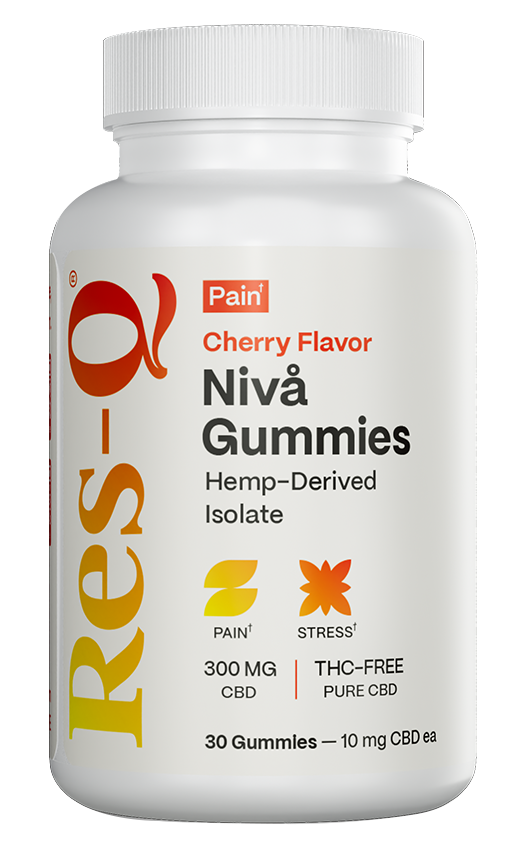
The CBD Your Body ACTUALLY ABSORBS
Most CBD passes right through you. This one doesn't — 440% better absorption, zero THC, made in the U.S.
See Why People Are SwitchingWhat Doctors and Pharmacists Are Saying in 2026
Attitudes among healthcare providers toward CBD have shifted in the last few years. A 2025 survey in the Journal of the American Pharmacists Association found that 62% of pharmacists reported patients asking about CBD and drug interactions at least weekly. About 78% said they felt “somewhat prepared” to advise on CBD interactions, up from just 45% in a similar 2020 survey.
Psychiatrists are increasingly acknowledging CBD’s therapeutic potential while emphasizing the interaction risks. The American Psychiatric Association has not issued a formal position statement on CBD as of early 2026, but several prominent psychiatrists — including Dr. Esther Blessing at NYU Langone, who leads one of the first NIH-funded clinical trials on CBD for PTSD — have called for more rigorous research and clearer regulatory frameworks.
The conversation is moving forward. But it’s moving slower than the market. People are buying and using CBD products right now, with their antidepressants, without clinical guidance. That gap between consumer behavior and clinical evidence is where the real risk lives.
Frequently Asked Questions
Does CBD cancel out antidepressants?
No. CBD doesn’t cancel out antidepressants. It actually does the opposite in most cases — by inhibiting liver enzymes, CBD can increase the blood concentration of antidepressants, making them stronger rather than weaker. This can amplify both the therapeutic effects and the side effects.
How long should I wait between taking CBD and my antidepressant?
Spacing them apart by several hours may reduce the peak interaction, but it doesn’t eliminate it. CBD’s inhibition of CYP450 enzymes isn’t just a momentary effect. The inhibition can persist for hours after the CBD is absorbed. Separating doses by 4 to 6 hours might help slightly, but it won’t prevent the interaction entirely.
Can CBD help with antidepressant withdrawal symptoms?
Some anecdotal reports suggest CBD may ease certain withdrawal symptoms like insomnia and anxiety during antidepressant tapering. However, no clinical trial has studied this specifically. Using CBD during a taper also introduces the enzyme inhibition problem, which can make the taper itself unpredictable.
Is CBD oil safer than CBD edibles when combined with antidepressants?
The form of CBD (oil, edible, capsule) doesn’t significantly change the drug interaction risk. All orally consumed CBD passes through the liver and inhibits CYP450 enzymes. Sublingual CBD (held under the tongue) does absorb partially through the mucous membranes, but a large portion still reaches the liver. Topical CBD applied to the skin has minimal systemic absorption and is least likely to cause interactions.
Will my doctor drug test me if I mention using CBD?
Most prescribers will not drug test you for mentioning CBD use. Their concern is managing your medication safely. Some CBD products contain trace amounts of THC, which can show up on certain drug tests, but that’s a separate issue from the conversation about interactions with your antidepressant.
Moving Forward With the Right Information
The relationship between CBD and antidepressants is real, measurable, and backed by pharmacological data. CYP450 enzyme inhibition isn’t speculation. It’s documented in FDA-approved prescribing information. The question isn’t whether CBD interacts with antidepressants — it does. The question is how much that interaction matters for your specific medication, your specific dose, and your specific body.
Stay informed. Ask direct questions. Use products you can verify. And treat your brain chemistry with the same caution you’d give any other vital system.
Read the rest of our articles and more useful info down below for deeper dives into CBD research, drug interactions, dosing guides, and everything else that helps you make sharper decisions about your health.