
What Seniors Actually Need to Know About CBD
CBD for seniors is one of the fastest-growing wellness categories in the United States right now. According to a 2024 Gallup survey, adults over 65 represent the fastest-rising demographic of CBD users, with usage in that age group nearly tripling since 2019. That growth makes sense. Older adults deal with chronic pain, poor sleep, anxiety, and inflammation at higher rates than almost any other group. And many of them are tired of stacking prescription medications that come with long lists of side effects.
Tired of guessing which CBD actually works?
Find What Works for Your Body
A less-than 60 second wellness match for adults exploring plant-based relief
What’s bothering you most right now?
Select the one that impacts your day the most
How long have you been dealing with this?
There's no wrong answer — this helps us tailor your match
How much does it affect your daily routine?
Be honest — this shapes your recommendation
What have you tried so far?
Knowing what hasn't worked helps us find what will
How familiar are you with CBD?
No judgment — everyone starts somewhere
What sounds easiest to add to your routine?
Think about what fits your lifestyle, not what sounds fancy
What matters most to you in a product?
Pick the one that would seal the deal for you
YOUR MATCH IS READY
We'll include your personalized match plus a first-timer's guide based on your answers.
Where should we send your recommendation?
🔒 No spam, ever. Your info is kept 100% secure.
If you'd rather not wait — based on your answers about your symptoms, we'd point you straight to our trusted partner.
Skip to My Match →But here is the issue. Most CBD content online is either written by brands trying to sell something or by people who do not understand the specific health concerns older adults face. Drug interactions, liver function, blood thinners, bone density medications — these things matter. This article covers what CBD actually does in the body, which forms work best for older adults, real dosing guidance, and the safety questions that come up most often. Just what you need to make an informed decision.
How CBD Works in the Body
CBD, short for cannabidiol, is a compound found in the cannabis plant. It is not THC. It does not get you high. The 2018 Farm Bill legalized hemp-derived CBD products that contain less than 0.3% THC by dry weight at the federal level. That distinction matters because it means most CBD products on the market are legal and non-intoxicating.
CBD interacts with the body’s endocannabinoid system, or ECS. Every human has one. The ECS helps regulate sleep, mood, pain signaling, immune response, and inflammation. It uses two main receptor types — CB1 receptors (mostly in the brain and nervous system) and CB2 receptors (mostly in the immune system and peripheral tissues). CBD does not bind directly to these receptors the way THC does. Instead, it influences them indirectly. It also interacts with serotonin receptors (5-HT1A) and vanilloid receptors (TRPV1), both of which play roles in pain perception and mood regulation.
For seniors, this is relevant because the ECS tends to become less efficient with age. Some researchers refer to this as “endocannabinoid deficiency.” The theory — still being studied — suggests that supplementing with plant-based cannabinoids like CBD may help restore balance in an aging system. A 2023 review published in the journal Frontiers in Pharmacology found that CBD showed promise for pain modulation, neuroprotection, and anti-inflammatory effects in preclinical and early clinical trials.
Why So Many Seniors Are Turning to CBD
The Arthritis Foundation conducted a survey of over 2,600 people in 2019. Seventy-nine percent said they were either currently using CBD, had used it in the past, or were considering it. The majority were over 50. Their primary reasons were pain, sleep, and physical function.
That tracks with what clinicians report. Dr. Kevin Boehnke, a researcher at the University of Michigan’s Chronic Pain and Fatigue Research Center, has noted that many older patients seek CBD as a way to reduce their reliance on opioids or NSAIDs — medications that carry significant long-term risks for kidney damage, gastrointestinal bleeding, and dependency.
Margaret, a 72-year-old retired teacher from Ohio, started using CBD oil in 2024 after three decades of managing osteoarthritis with ibuprofen. “My doctor told me my kidneys were starting to show wear,” she said. “A friend had been using CBD for about six months and swore by it. I was skeptical, but I figured I had nothing to lose.” She started with 15 mg of full-spectrum CBD oil twice a day. After about three weeks, she noticed she was sleeping through the night for the first time in years. Her morning stiffness improved. She still takes a low-dose anti-inflammatory occasionally, but not every day.
Stories like Margaret’s are common. They are not clinical proof. But they represent a pattern that researchers are actively investigating.
Common Reasons Seniors Use CBD
Chronic Pain and Inflammation
This is the number one reason older adults reach for CBD. Conditions like osteoarthritis, neuropathy, spinal stenosis, and fibromyalgia are widespread in the 65-plus population. A 2022 study in the Journal of Cannabis Research surveyed over 1,000 CBD users aged 54 and older. More than 60% reported using CBD specifically for pain, and over half said they had reduced or stopped using at least one prescription or over-the-counter pain medication.
CBD’s anti-inflammatory properties appear to work through several pathways, including suppression of cytokine production and modulation of immune cell activity. Topical CBD products — creams, balms, roll-ons — deliver the compound directly to the affected area without entering the bloodstream in significant amounts. For joint pain, this localized approach is popular among seniors CBD users because it avoids systemic side effects.
Sleep Problems
Nearly half of adults over 60 report difficulty falling or staying asleep. Many are prescribed medications like zolpidem (Ambien) or benzodiazepines, which carry risks of falls, cognitive impairment, and dependency — dangers that increase significantly with age.
A 2019 case series published in The Permanente Journal followed 72 adults using CBD for anxiety and poor sleep. Within the first month, 66.7% reported improved sleep scores. While this study was not limited to seniors, the results are relevant because age-related sleep disturbances share similar root causes: anxiety, pain, and disrupted circadian rhythms.
CBD appears to support sleep not by sedating the user but by addressing underlying factors like nervous system overactivation and pain-driven waking. Some seniors combine CBD with melatonin. That combination is available in many commercial gummies, though it is always worth confirming with a doctor.
Anxiety and Mood
Isolation, health worries, loss of independence, grief — anxiety among seniors is underdiagnosed and undertreated. CBD’s interaction with serotonin receptors has been the focus of multiple clinical trials. A well-known 2011 study in Neuropsychopharmacology demonstrated that a single 600 mg dose of CBD significantly reduced anxiety in participants with social anxiety disorder during a simulated public speaking test.
Most daily-use doses for seniors are far lower — typically 10 mg to 50 mg — but even at those levels, many users report a noticeable calming effect without drowsiness or the emotional blunting that some experience with SSRIs or benzodiazepines.
Looking For Something Pure & Potent?
If your current CBD isn't full-spectrum and U.S.-sourced, you're wasting money
Check Out This Full-Spectrum, American Made CBDAre CBD Gummies Safe for Seniors?
This is probably the most searched question in this category, and it deserves a straightforward answer. For most seniors, CBD gummies are considered safe when sourced from reputable brands that provide third-party lab testing. The World Health Organization stated in a 2018 critical review that CBD exhibits no effects indicative of abuse or dependence potential and is generally well-tolerated in humans.
That said, “generally safe” is not the same as “safe for everyone.” There are specific factors older adults need to consider.
Drug Interactions
CBD is metabolized in the liver by the cytochrome P450 enzyme system — specifically CYP3A4 and CYP2C19. These same enzymes process a long list of common medications, including blood thinners like warfarin, certain statins like atorvastatin, blood pressure medications, and some anti-seizure drugs. When CBD competes for those enzymes, it can either increase or decrease the concentration of those drugs in your bloodstream.
This is not theoretical. A 2020 study in Epilepsia documented that CBD increased serum levels of clobazam (a benzodiazepine) by up to 60% in some patients. For a senior on warfarin, even a small change in blood levels can increase the risk of dangerous bleeding.
Bottom line: if you are on prescription medications, talk to your doctor or pharmacist before starting CBD. This is not a disclaimer for legal purposes. It is a medical reality.
Dosage Considerations for Older Adults
Seniors metabolize substances more slowly than younger adults. Liver and kidney function decline with age, which means a 25 mg gummy that works fine for a 40-year-old could hit harder and last longer in a 75-year-old. The standard advice — start low, go slow — matters more here than in almost any other demographic.
A practical starting point: 5 mg to 10 mg once daily, taken in the evening. Monitor for two weeks. If there is no noticeable effect and no adverse reactions, increase by 5 mg. Most seniors find their effective dose somewhere between 15 mg and 40 mg per day, though individual variation is significant.
Quality and Purity
The FDA does not regulate CBD products the same way it regulates pharmaceuticals. That means the burden of quality falls on the consumer. In 2020, a study in the Journal of the American Medical Association tested 84 CBD products purchased online and found that only 31% were accurately labeled. Some contained significantly more CBD than listed. Others contained less. A few contained THC levels above the legal limit.
For seniors — especially those sensitive to THC or on medications — this is a real risk. Always look for products that include a Certificate of Analysis (COA) from an independent, ISO-accredited lab. The COA should confirm cannabinoid content, the absence of pesticides, heavy metals, and residual solvents. If a brand does not make its COA easy to find, move on.
Types of CBD Products for Seniors
CBD Gummies
Gummies are the most popular CBD format among older adults. They are easy to dose, require no measuring, taste pleasant, and feel familiar — not unlike taking a daily vitamin. Most gummies contain between 10 mg and 25 mg of CBD per piece. Some are formulated with added ingredients like melatonin for sleep, turmeric for inflammation, or B vitamins for energy.
One thing to watch: sugar content. Some gummies contain 3 to 5 grams of sugar each. For seniors managing diabetes or pre-diabetes, sugar-free options exist. Brands like Charlotte’s Web and CBDistillery offer low-sugar or sugar-free gummies specifically marketed as CBD products for seniors.
CBD Oil and Tinctures
Oils offer more precise dosing because they come with a graduated dropper. A single drop might contain 1 mg or 2 mg, depending on the concentration. This makes it easier to titrate — slowly adjusting your dose up or down. Oils are taken sublingually, meaning you hold the liquid under your tongue for 30 to 60 seconds before swallowing. This allows faster absorption through the mucous membranes, with effects typically felt within 15 to 30 minutes.
The taste can be an issue. Full-spectrum hemp oil has an earthy, grassy flavor that some people find unpleasant. Flavored options are available, or you can add the oil to food or a drink, though this reduces absorption speed.
Topical CBD Products
Creams, balms, salves, and roll-on sticks are designed for localized application. They do not enter the bloodstream in meaningful quantities, which means they carry virtually no risk of drug interactions. For arthritis in the hands, knee pain, lower back stiffness, or neuropathy in the feet, topicals are often the safest entry point for seniors who are cautious about ingesting CBD.
Look for products that contain at least 250 mg of CBD per ounce. Lower concentrations are unlikely to deliver noticeable relief. Some topicals combine CBD with menthol, camphor, or arnica, which provide additional pain-relieving effects through counter-irritation.
CBD Capsules and Softgels
Capsules work well for seniors who already take daily supplements or medications and want to add CBD to that routine without thinking about it. They offer consistent dosing and avoid the taste issue of oils. The trade-off is slower onset — capsules must pass through the digestive system, which means effects take 45 minutes to two hours.
Full-Spectrum vs. Broad-Spectrum vs. Isolate
These terms appear on every CBD product label, and they matter.
Full-spectrum CBD contains all the naturally occurring compounds in the hemp plant, including trace amounts of THC (under 0.3%), other cannabinoids like CBG and CBN, terpenes, and flavonoids. Many researchers believe these compounds work together synergistically in what is known as the “entourage effect.” A 2015 study from the Lautenberg Center for General Tumor Immunology in Jerusalem found that full-spectrum extracts were more effective for pain relief than CBD isolate alone.
Broad-spectrum CBD includes most of these compounds but with THC completely removed. This is a good choice for seniors who undergo regular drug testing (some assisted living facilities require it) or who are uncomfortable with any amount of THC.
CBD isolate is pure CBD — 99%+ purity — with no other cannabinoids or plant compounds. It is the least likely to cause any THC-related issues and has the mildest flavor. However, it may be less effective for complex conditions like chronic pain because it lacks the entourage effect.
For most seniors CBD users, full-spectrum or broad-spectrum products provide the best balance of effectiveness and safety.
What the Research Actually Shows
Clinical research on CBD specifically for senior populations is still limited, but what exists is encouraging.
A 2021 observational study published in Cannabis and Cannabinoid Research followed 131 older adults (average age 79.5) in a long-term care facility who were given CBD oil for various conditions. After six months, 58.2% reported improvement in at least one symptom. Pain and sleep showed the most consistent gains. Adverse effects were mild — mostly drowsiness and dry mouth — and no serious events were reported.
A 2023 randomized controlled trial conducted at the University of Sydney studied 63 adults aged 65 and older with chronic insomnia. Participants receiving 150 mg of CBD extract nightly reported significantly improved sleep quality compared to placebo after eight weeks. Daytime functioning scores also improved.
The National Institutes of Health currently lists over 300 active or recruiting clinical trials involving CBD, with a growing subset focused on conditions prevalent in aging populations: Alzheimer’s disease, Parkinson’s tremor, osteoarthritis pain, and post-surgical recovery.
Mistakes Seniors Make With CBD
Based on surveys, clinician reports, and user forums, these are the most frequent missteps.
Starting With Too High a Dose
A 70-year-old with no prior cannabis experience should not start with a 50 mg gummy. Yet it happens regularly. Side effects at high doses include diarrhea, appetite changes, fatigue, and in rare cases, liver enzyme elevation. Start with 5 mg to 10 mg. Give it time.
Not Telling Their Doctor
About 60% of CBD users do not disclose their use to a healthcare provider, according to a 2020 survey published in The Journal of the American Pharmacists Association. Among seniors on multiple medications, this is dangerous. CBD can alter how your body processes drugs you depend on. Be honest with your doctor. If your doctor dismisses CBD without discussion, consider finding one who is willing to engage with the evidence.
Buying Based on Price Alone
Cheap CBD often means poorly extracted, improperly tested, or mislabeled product. Legitimate third-party tested CBD costs more because the testing itself costs money. A quality 30-count bottle of 25 mg gummies typically ranges from $30 to $60. Anything significantly cheaper should raise a red flag.
Expecting Immediate Results
CBD is not ibuprofen. While some people notice effects within hours — especially with sublingual oils — many need two to four weeks of consistent daily use before meaningful changes occur. This is particularly true for systemic issues like inflammation, anxiety, and sleep patterns. Consistency matters more than dose size.
Legal Considerations for Seniors
Hemp-derived CBD containing less than 0.3% THC is federally legal under the 2018 Farm Bill. However, state laws vary. Idaho, for example, only permits CBD isolate with zero THC. Iowa requires a prescription for any CBD product. Some states allow full recreational cannabis, which opens access to higher-THC products that may or may not be appropriate for older adults.
If you live in an assisted living community or nursing home, check the facility’s policy. Some facilities follow federal guidelines and prohibit all cannabis-derived products, even legal CBD. Others have updated their policies to allow hemp-derived CBD with documentation.
Traveling with CBD is generally fine within the United States as long as the product is hemp-derived and under 0.3% THC. International travel is a different situation — many countries treat all cannabis-derived products as illegal regardless of THC content.
How to Choose the Right CBD Product
Here is a quick framework for evaluating any CBD product for seniors.
Check the COA. Every reputable brand publishes third-party lab results. The COA should match the product batch number. Confirm that cannabinoid levels match the label and that the product passed contaminant screening for pesticides, heavy metals (lead, arsenic, mercury, cadmium), and microbials.
Verify the hemp source. Hemp grown in the United States is subject to USDA regulations and state agricultural standards. Domestically sourced hemp is generally safer than imported hemp, which may be grown with fewer pesticide controls.
Read the ingredients list. Some products contain additives, artificial colors, or allergens. If you have dietary restrictions, look for products labeled organic, vegan, gluten-free, or sugar-free as needed.
Understand the CBD type. Full-spectrum for maximum benefit. Broad-spectrum if you want to avoid THC entirely. Isolate if you need the purest form with the least chance of THC exposure.
Consider the format. Gummies for convenience. Oils for dosing precision. Topicals for localized pain. Capsules for routine simplicity.
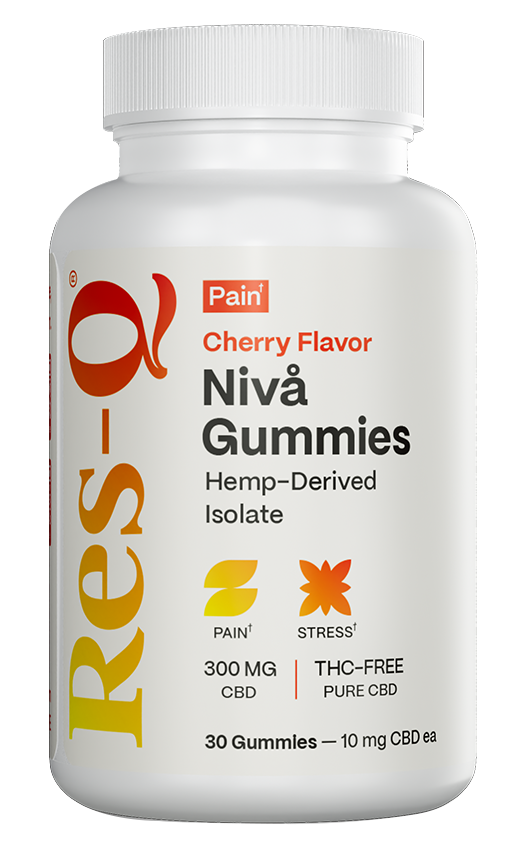
The CBD Your Body ACTUALLY ABSORBS
Most CBD passes right through you. This one doesn't — 440% better absorption, zero THC, made in the U.S.
See Why People Are SwitchingFrequently Asked Questions About CBD for Seniors
Are CBD gummies safe for seniors?
For most seniors, yes. CBD gummies are considered safe when purchased from brands that provide third-party lab testing. The main risk factors are drug interactions and inaccurate labeling. Always check with your healthcare provider, especially if you take blood thinners, statins, or anti-seizure medications. Start with a low dose — 5 mg to 10 mg — and increase gradually.
Will CBD make me feel high?
No. CBD is not psychoactive. Hemp-derived CBD products contain 0.3% THC or less, which is not enough to produce any intoxicating effect. If you are concerned about THC, use broad-spectrum or isolate products that contain zero THC.
How long does it take for CBD to work?
It depends on the product type. Sublingual oils typically take 15 to 30 minutes. Gummies and capsules take 45 minutes to 2 hours because they pass through the digestive system. Topicals act within 15 to 45 minutes on the application site. For systemic benefits like improved sleep or reduced anxiety, most users need two to four weeks of consistent daily use.
Can I take CBD with my prescription medications?
CBD can interact with medications processed by the liver’s cytochrome P450 enzyme system. This includes blood thinners, certain heart medications, statins, and some anti-seizure drugs. Always consult your doctor or pharmacist before combining CBD with prescription medications.
What is the best dose of CBD for seniors?
There is no universal dose. Start with 5 mg to 10 mg once daily. After two weeks, if there are no adverse effects and no improvement, increase by 5 mg. Most seniors find relief between 15 mg and 40 mg per day. Individual factors like body weight, metabolism, and the condition being addressed all influence optimal dosing.
Is CBD legal for seniors?
Hemp-derived CBD with less than 0.3% THC is federally legal in the United States under the 2018 Farm Bill. However, state laws vary. A few states restrict or require prescriptions for CBD products. Check your state’s specific regulations and your residential facility’s policy if applicable.
Making an Informed Decision
CBD for seniors is not a miracle cure. It is a tool. The evidence so far suggests it can help manage pain, improve sleep, and reduce anxiety — three things that profoundly affect quality of life as people age. The research is still catching up to consumer demand, but what exists is largely positive, with a favorable safety profile compared to many conventional medications.
The most important steps are simple. Talk to your doctor. Buy from brands that prove their product quality through independent testing. Start with a small dose. Be patient and consistent. Track how you feel.
If you are ready to try CBD, look into the best CBD gummies for seniors — products specifically formulated with appropriate doses, clean ingredients, and verified lab results. Your health deserves that standard, and reputable brands now make it easy to find exactly what older adults need.