
CBD Oil for Lupus — What You Need to Know Before You Try It
If you or someone you know lives with lupus, you already understand how unpredictable the disease can be. One week your joints feel fine. The next, you can barely open a jar. Fatigue rolls in without warning. Rashes flare up at the worst possible time. Standard medications help, but they come with their own list of side effects that sometimes feel just as exhausting as the disease itself. That is exactly why so many people have started looking into cbd oil for lupus as a potential way to manage symptoms alongside conventional treatment.
This is not a miracle cure article. There is no magic dropper that erases lupus. But there is a growing body of preclinical research, a lot of real-world experience from patients, and enough scientific reasoning behind cannabidiol (CBD) to make this a conversation worth having with actual facts on the table.
Tired of guessing which CBD actually works?
Find What Works for Your Body
A less-than 60 second wellness match for adults exploring plant-based relief
What’s bothering you most right now?
Select the one that impacts your day the most
How long have you been dealing with this?
There's no wrong answer — this helps us tailor your match
How much does it affect your daily routine?
Be honest — this shapes your recommendation
What have you tried so far?
Knowing what hasn't worked helps us find what will
How familiar are you with CBD?
No judgment — everyone starts somewhere
What sounds easiest to add to your routine?
Think about what fits your lifestyle, not what sounds fancy
What matters most to you in a product?
Pick the one that would seal the deal for you
YOUR MATCH IS READY
We'll include your personalized match plus a first-timer's guide based on your answers.
Where should we send your recommendation?
🔒 No spam, ever. Your info is kept 100% secure.
If you'd rather not wait — based on your answers about your symptoms, we'd point you straight to our trusted partner.
Skip to My Match →A Quick Look at What Lupus Does
Lupus — specifically systemic lupus erythematosus (SLE) — is an autoimmune disease. Your immune system, which is supposed to fight off infections and foreign invaders, gets confused. It starts attacking your own healthy tissues. Joints, skin, kidneys, the brain, the heart — lupus can target almost any organ system in the body.
According to the Lupus Foundation of America, an estimated 1.5 million Americans live with some form of lupus. Globally, that number climbs to around 5 million. About 90% of people diagnosed with lupus are women, and it disproportionately affects Black, Hispanic, Asian, and Native American populations.
Common symptoms include:
Joint pain and swelling. Chronic fatigue that sleep does not fix. Butterfly-shaped rashes across the cheeks and nose. Kidney inflammation (lupus nephritis). Sensitivity to sunlight. Fevers that come and go. Hair loss. Chest pain when breathing deeply.
Current treatments typically involve hydroxychloroquine (Plaquenil), corticosteroids like prednisone, immunosuppressants such as mycophenolate or azathioprine, and biologics like belimumab (Benlysta). These medications reduce immune system activity. They work. But long-term corticosteroid use causes bone loss, weight gain, and increased infection risk. Immunosuppressants can damage the liver and lower your ability to fight illness. That trade-off is why people start researching alternatives.
CBD Oil and Lupus — What Does the Research Actually Say
Here is where things get interesting but also where you need to stay grounded. As of 2026, there are no completed large-scale clinical trials that specifically test CBD oil on lupus patients. That is a fact. The FDA has not approved any CBD product for autoimmune diseases. The only FDA-approved CBD medication is Epidiolex, and that is specifically for certain types of epilepsy.
However, the preclinical research on CBD and inflammation is extensive and genuinely promising.
The Endocannabinoid System and Immune Regulation
Your body has something called the endocannabinoid system (ECS). It is a network of receptors — mainly CB1 and CB2 — spread across your brain, organs, immune cells, and connective tissues. The ECS helps regulate pain, mood, sleep, appetite, and critically, immune response.
CB2 receptors are heavily concentrated on immune cells. When CBD interacts with these receptors, it appears to modulate how the immune system behaves. It does not suppress the immune system the way prednisone does. Instead, research suggests it may help recalibrate overactive immune responses — which is exactly what goes wrong in lupus.
A 2020 review published in Frontiers in Pharmacology examined cannabinoids and autoimmune conditions broadly. The researchers concluded that CBD demonstrated significant anti-inflammatory and immunomodulatory properties in multiple preclinical models. They noted CBD reduced production of pro-inflammatory cytokines like TNF-alpha, interleukin-6 (IL-6), and interleukin-1 beta — all of which are elevated in lupus patients.
Anti-Inflammatory Effects
Inflammation is the engine that drives lupus damage. When your immune system attacks healthy tissue, it triggers an inflammatory cascade. Joints swell. Organs sustain damage. Fatigue sets in because your body is essentially fighting itself nonstop.
Multiple animal studies have shown that CBD reduces inflammation markers significantly. A 2016 study in Clinical Hemorheology and Microcirculation found that CBD reduced joint inflammation in a mouse model of arthritis. The mice given CBD showed less swelling, fewer inflammatory markers, and reduced joint destruction compared to the control group.
Lupus arthritis shares many of these same inflammatory pathways. The joint pain and swelling that lupus patients experience involves similar cytokines and immune cell activity. That overlap is why researchers believe CBD might offer relief — even though a lupus-specific clinical trial has not yet confirmed it.
T-Cell Activity
In lupus, certain immune cells — particularly T-cells and B-cells — become overactive. They produce antibodies that attack the body’s own DNA and proteins. CBD has shown the ability to inhibit T-cell proliferation in laboratory settings. A study published in the Journal of Neuroimmune Pharmacology demonstrated that CBD suppressed the activation and proliferation of T-cells in vitro, which could theoretically help reduce the autoimmune attack that characterizes lupus.
Again — laboratory settings and animal models are not the same as human clinical trials. But the biological mechanisms line up in a way that warrants attention.
How CBD Oil May Help With Specific Lupus Symptoms
Pain and Joint Inflammation
Joint pain is one of the most common lupus complaints. Over 90% of lupus patients report joint pain at some point during their disease course. CBD interacts with both CB2 receptors on immune cells and TRPV1 receptors involved in pain signaling. This dual action may help reduce both the inflammation causing the pain and the pain signal itself.
A 2022 survey published in the Journal of Cannabis Research collected data from over 2,400 CBD users. Among respondents using CBD for chronic pain conditions (including autoimmune-related pain), 62% reported moderate to significant improvement in pain levels. About 45% reported reducing their use of over-the-counter painkillers after starting CBD.
Fatigue and Sleep
Lupus fatigue is different from normal tiredness. It is a bone-deep exhaustion that does not resolve with rest. Some of this fatigue ties directly to ongoing inflammation. Some relates to disrupted sleep cycles caused by pain or anxiety.
CBD at lower doses (around 10 to 25 mg) appears to promote alertness in some individuals. At higher doses (above 50 mg), it tends to have a sedating effect. A 2019 study in The Permanente Journal followed 72 adults with anxiety and poor sleep. Within the first month, 66.7% reported improved sleep scores and 79.2% reported decreased anxiety scores with CBD use.
For someone with lupus who cannot sleep because their joints ache or their mind races about their next flare, that kind of result matters.
Skin Flares
The characteristic butterfly rash and discoid lupus lesions are driven by inflammation in the skin. Topical CBD products have shown anti-inflammatory effects on skin cells. A 2019 study in La Clinica Terapeutica found that a CBD-enriched ointment significantly improved skin condition in patients with inflammatory skin diseases, reducing scarring, redness, and dryness after three months of use.
Lupus skin involvement is more complex than general dermatitis, but the anti-inflammatory pathway is similar enough that topical CBD is an area worth watching.
Anxiety and Mood
Living with a chronic, unpredictable illness takes a toll mentally. Depression and anxiety rates among lupus patients are significantly higher than the general population. The Lupus Foundation of America reports that up to 60% of people with lupus experience clinical depression at some point.
CBD has anxiolytic (anti-anxiety) properties that have been demonstrated in both animal and human studies. A 2015 review in Neurotherapeutics analyzed existing data and concluded that CBD showed considerable potential as a treatment for generalized anxiety disorder, social anxiety disorder, panic disorder, and PTSD.
Looking For Something Pure & Potent?
If your current CBD isn't full-spectrum and U.S.-sourced, you're wasting money
Check Out This Full-Spectrum, American Made CBDHow Much CBD Oil Should I Take for Lupus
This is one of the most common questions people ask, and unfortunately there is no single standardized answer. The FDA has not established dosing guidelines for CBD in the context of autoimmune conditions. What we do have is guidance from practitioners, published research on CBD dosing for other conditions, and a large body of anecdotal patient data.
The General Starting Point
Most healthcare practitioners who work with CBD recommend starting low and increasing gradually. The typical starting dose falls between 10 and 20 mg of CBD per day, taken once or twice daily. After one to two weeks at that dose, you increase by 5 to 10 mg if you have not noticed a meaningful change.
Some functional medicine practitioners suggest dosing based on body weight — roughly 1 to 6 mg of CBD per kilogram of body weight per day. For a person weighing 150 pounds (about 68 kg), that translates to somewhere between 68 mg and 408 mg per day. That is a wide range, which is exactly why starting low makes sense.
Factors That Affect Your Ideal Dose
Body weight and composition matter. Your metabolism plays a role. The severity of your symptoms changes the equation. Whether you have eaten recently affects how quickly CBD is absorbed. The delivery method — sublingual oil, capsule, topical, edible — changes bioavailability. Sublingual tinctures absorb faster and more completely (estimates put bioavailability around 13 to 35%) compared to edibles (around 6 to 20%).
If you are already taking lupus medications, your dosing conversation needs to involve your rheumatologist. CBD is metabolized by the cytochrome P450 enzyme system in the liver — the same system that processes many prescription drugs. This means CBD can alter how your body processes medications like prednisone, methotrexate, or mycophenolate.
A Practical Dosing Approach
Week one: 10 mg CBD taken sublingually, once in the morning. Track your symptoms in a journal. Note pain levels, fatigue, sleep quality, and any side effects.
Week two: If you tolerate the initial dose without issue, increase to 10 mg twice daily (morning and evening), for a total of 20 mg per day.
Week three and beyond: Continue increasing by 5 to 10 mg every week until you find a dose that noticeably helps your symptoms. Many lupus patients in online communities and patient surveys report settling somewhere between 25 mg and 75 mg per day. Some use more. The key is finding the minimum effective dose for your body.
Types of CBD Oil and Which One Makes the Most Sense
Not all CBD oil is the same product. There are three primary types, and the distinction matters.
Full-Spectrum CBD
Contains CBD along with other cannabinoids (including up to 0.3% THC), terpenes, and flavonoids from the hemp plant. The idea behind full-spectrum is something called the entourage effect — these compounds may work better together than any single cannabinoid works alone. A 2015 study from the Lautenberg Center for Immunology and Cancer Research in Jerusalem found that full-spectrum CBD extracts provided more robust anti-inflammatory effects than CBD isolate in animal models.
The trade-off: trace amounts of THC. Unlikely to cause any psychoactive effect, but it could theoretically show up on an extremely sensitive drug test.
Broad-Spectrum CBD
Contains CBD and other cannabinoids and terpenes, but with the THC removed. You still get some entourage effect without the THC concern. This is a middle ground option that works for people who want the additional plant compounds but cannot risk any THC exposure.
CBD Isolate
Pure CBD with everything else stripped away. Typically 99% or higher purity. No THC, no other cannabinoids. Easier to dose precisely. But you lose the potential synergy of the full plant profile.
For someone using cbd oil for lupus, full-spectrum or broad-spectrum options are generally considered the better choice due to the enhanced anti-inflammatory potential from the entourage effect. But individual tolerance and medication interactions should guide that decision.
Drug Interactions and Safety You Cannot Ignore
This section is not optional reading if you take prescription medications for lupus. CBD is generally well-tolerated. A 2017 review in Cannabis and Cannabinoid Research confirmed that CBD has a favorable safety profile at doses up to 1,500 mg per day in human studies. Common side effects are mild — dry mouth, drowsiness, reduced appetite, and occasionally diarrhea.
The real concern is drug interactions.
CBD inhibits CYP3A4 and CYP2D6 enzymes in the liver. These enzymes are responsible for metabolizing a long list of medications commonly prescribed for lupus:
Prednisone and other corticosteroids. Hydroxychloroquine (Plaquenil). Mycophenolate (CellCept). Azathioprine (Imuran). Warfarin (if you have antiphospholipid syndrome associated with lupus). Certain blood pressure medications. Some antidepressants.
When CBD slows down the enzyme that clears these drugs from your body, blood levels of those medications can rise. That can increase both the effectiveness and the side effects of your prescriptions. In some cases, this is dangerous.
A simple rule: if your medication label says to avoid grapefruit, CBD likely interacts with it through the same mechanism. Talk to your doctor. Bring data. Print out studies if you need to. Do not combine CBD with lupus medications without medical oversight.
What Real People Report About CBD Oil for Lupus
Online lupus communities — particularly on platforms like Reddit, Facebook support groups, and forums hosted by the Lupus Foundation — are filled with personal accounts from patients who have tried CBD.
A woman in her 30s posted about using 30 mg of full-spectrum CBD oil daily for four months. She said her joint stiffness in the mornings decreased noticeably by week three. She still takes hydroxychloroquine but was able to reduce her NSAID use from daily to occasional.
Another patient, a man diagnosed with lupus nephritis, shared that CBD helped primarily with his anxiety and sleep. He noted that his kidney inflammation markers did not change based on lab work, but his quality of life improved because he could actually rest at night without pain-driven insomnia keeping him up until 3 AM.
A third person described trying CBD topicals for discoid lupus lesions on her arms. She applied a CBD balm twice daily for six weeks and reported less redness and itching, though the lesions themselves did not disappear.
These stories are not clinical evidence. They are data points from real people navigating a difficult disease. They tell us that CBD appears to help certain symptoms for certain individuals. They also tell us it is not a replacement for disease-modifying medications.
How to Choose a CBD Oil That Is Actually Worth Your Money
The CBD market is poorly regulated. A 2017 study in JAMA analyzed 84 CBD products purchased online. Only 30.95% were accurately labeled. Some contained significantly less CBD than advertised. Some contained significantly more. A handful contained enough THC to potentially cause intoxication.
When choosing a cbd oil for lupus management, look for these non-negotiable quality markers:
Third-Party Lab Testing
The company should provide a Certificate of Analysis (COA) from an independent lab — not their own internal testing. The COA should confirm the CBD content per serving, the THC content (should be below 0.3% for legal hemp-derived products), and the absence of contaminants like heavy metals, pesticides, residual solvents, and microbials.
Hemp Source
Hemp grown in the United States under USDA-regulated conditions tends to meet higher quality standards. Oregon, Colorado, and Kentucky are major hemp-producing states with established agricultural programs. Some European-grown hemp (particularly from Switzerland and the Netherlands) also meets rigorous standards.
Extraction Method
CO2 extraction is considered the gold standard. It produces clean CBD oil without the risk of residual solvents that ethanol or butane extraction methods can leave behind.
Clear Labeling
The label should tell you exactly how many milligrams of CBD are in the entire bottle and per serving. A 30 mL bottle labeled as “1,000 mg CBD” contains roughly 33 mg per 1 mL dropper. If the math does not add up or the label is vague, move on to a different product.
Common Mistakes People Make With CBD Oil for Lupus
Starting with too high a dose. Some people buy a high-potency product and take a full dropper on day one. Then they feel drowsy, slightly nauseous, or experience diarrhea — and they write off CBD entirely. Low and slow is not a suggestion. It is how you find the dose that actually works without triggering unnecessary side effects.
Expecting results in 24 hours. CBD is not ibuprofen. For chronic inflammatory conditions, most practitioners say to give CBD at least two to four weeks of consistent use before evaluating whether it is helping. Some people notice changes sooner, but the anti-inflammatory effects tend to build over time.
Buying based on price alone. The cheapest CBD oil on the shelf is cheap for a reason. It may contain less CBD than claimed. It may contain contaminants. It may be made from industrial hemp grown with pesticides. The COA matters more than the price tag.
Replacing prescribed medications without medical guidance. CBD may complement lupus treatment. It is not a substitute for disease-modifying drugs, especially if you have organ involvement like lupus nephritis. Stopping immunosuppressants abruptly can trigger a severe flare.
Ignoring drug interactions. We covered this above, but it bears repeating. If you take prescription medications for lupus, you need to involve your doctor before adding CBD to your routine. The interaction risk is real and measurable.
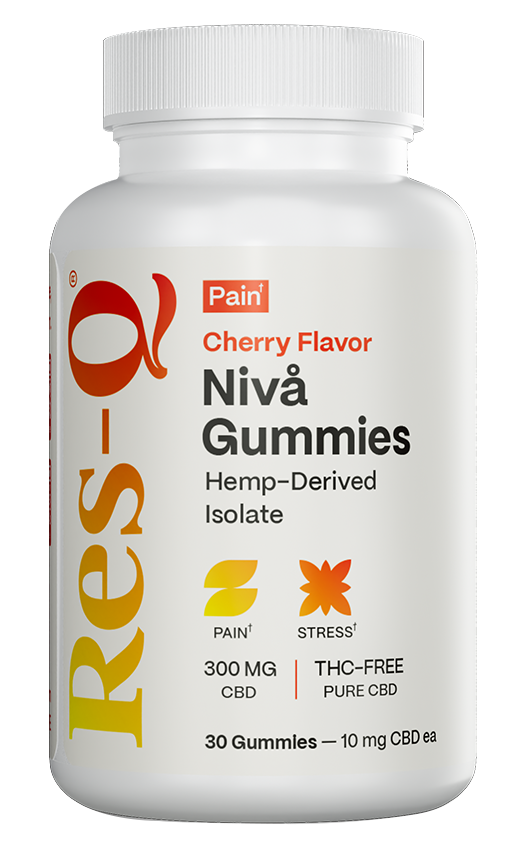
The CBD Your Body ACTUALLY ABSORBS
Most CBD passes right through you. This one doesn't — 440% better absorption, zero THC, made in the U.S.
See Why People Are SwitchingWhere Things Stand Right Now
The relationship between cbd oil and lupus is built on strong preclinical foundations but limited direct clinical evidence. CBD reduces inflammation in laboratory and animal models through well-understood biological mechanisms. It interacts with the endocannabinoid system in ways that suggest it could help modulate the overactive immune response that defines lupus. Thousands of patients report meaningful symptom relief. Researchers are increasingly interested in designing lupus-specific trials.
But the clinical trial data that would allow anyone to say “CBD treats lupus” does not exist yet. What we can say is that CBD oil for lupus shows genuine potential as a complementary approach — particularly for managing pain, sleep disruption, anxiety, and skin inflammation — when used responsibly and with medical oversight.
Knowing how much cbd oil should i take for lupus depends on your body, your symptoms, and your existing treatment plan. Start with 10 to 20 mg daily. Track your response. Adjust gradually. Choose a quality product with verified third-party testing. Keep your rheumatologist in the loop.
Read the rest of our articles and more useful info down below for deeper coverage on CBD research, autoimmune management strategies, and product comparisons that can help you make informed decisions.
Frequently Asked Questions
Can CBD oil cure lupus?
No. There is currently no cure for lupus, and CBD oil has not been shown to cure any autoimmune disease. CBD may help manage certain symptoms like pain, inflammation, sleep disruption, and anxiety, but it does not eliminate the underlying autoimmune condition.
How much CBD oil should I take for lupus?
There is no universal dose. Most practitioners recommend starting with 10 to 20 mg per day and increasing by 5 to 10 mg weekly until you find symptom relief. Some patients settle between 25 and 75 mg daily. Dosing depends on body weight, symptom severity, and what other medications you take.
Is CBD oil safe to use alongside lupus medications?
CBD interacts with the cytochrome P450 enzyme system in the liver, which processes many lupus drugs including prednisone, hydroxychloroquine, and mycophenolate. This means CBD can change how your body metabolizes these medications. Always consult your rheumatologist before combining CBD with prescription lupus treatments.
What type of CBD oil is best for lupus?
Full-spectrum CBD is generally considered the most effective option because it contains additional cannabinoids and terpenes that may enhance anti-inflammatory effects through the entourage effect. Broad-spectrum CBD is a good alternative if you need to avoid all THC. CBD isolate offers precise dosing but lacks the synergistic plant compounds.
How long does it take for CBD oil to help with lupus symptoms?
Most practitioners advise giving CBD at least two to four weeks of consistent daily use before evaluating its effectiveness. Some people notice improvements in sleep or anxiety within the first week. Anti-inflammatory benefits for joint pain and stiffness often take longer to become noticeable.