
What Makes CBD Oil Safe — And What Doesn’t
Finding safe CBD oil is harder than it should be. The market is flooded with thousands of products. Some are tested. Some aren’t. Some contain what the label says. Others don’t even come close. A 2024 study published in the Journal of the American Medical Association found that nearly 26% of CBD products tested contained less CBD than advertised. Some had THC levels above legal limits. That’s the reality you’re dealing with.
Tired of guessing which CBD actually works?
Find What Works for Your Body
A less-than 60 second wellness match for adults exploring plant-based relief
What’s bothering you most right now?
Select the one that impacts your day the most
How long have you been dealing with this?
There's no wrong answer — this helps us tailor your match
How much does it affect your daily routine?
Be honest — this shapes your recommendation
What have you tried so far?
Knowing what hasn't worked helps us find what will
How familiar are you with CBD?
No judgment — everyone starts somewhere
What sounds easiest to add to your routine?
Think about what fits your lifestyle, not what sounds fancy
What matters most to you in a product?
Pick the one that would seal the deal for you
YOUR MATCH IS READY
We'll include your personalized match plus a first-timer's guide based on your answers.
Where should we send your recommendation?
🔒 No spam, ever. Your info is kept 100% secure.
If you'd rather not wait — based on your answers about your symptoms, we'd point you straight to our trusted partner.
Skip to My Match →So when someone asks “is CBD safe,” the honest answer is: it depends entirely on what you’re buying. The compound itself — cannabidiol — has a solid safety profile according to the World Health Organization. Their 2018 report stated CBD exhibits no effects indicative of abuse or dependence potential. But the compound in isolation and the product on the shelf are two different things.
This article breaks down what safe CBD oil actually looks like. We’ll cover how it’s made, what to check before you buy, whether specific forms like capsules and cigarettes carry different risks, and what the research says right now. No vague promises. Just the stuff that matters.
How CBD Oil Gets Made — And Where Things Go Wrong
CBD oil starts with hemp. Industrial hemp plants are grown, harvested, and then the cannabidiol is extracted. There are three main extraction methods, and the one used matters more than most people realize.
CO2 Extraction
This is the gold standard. Supercritical CO2 extraction uses pressurized carbon dioxide to pull CBD from the plant material. It’s clean. It doesn’t leave behind toxic solvents. It’s also expensive, which is why budget brands skip it. Companies using CO2 extraction tend to produce safer CBD oil because the process itself reduces contamination risk.
Ethanol Extraction
Ethanol extraction is common and generally safe when done properly. The hemp is soaked in high-grade ethanol, which strips the cannabinoids out. The ethanol is then evaporated. The issue is when companies cut corners and use lower-grade solvents or don’t fully purge the residual ethanol. You end up with trace chemicals in the final product.
Hydrocarbon Extraction
This method uses butane or propane. It’s cheap and effective at pulling cannabinoids, but if the solvent isn’t completely removed, you’re ingesting petroleum byproducts. Some safe CBD oil brands avoid this method entirely. Others use it but invest in proper purging equipment. The problem is you can’t tell from the label which camp a brand falls into.
Hemp is also a bioaccumulator. It absorbs whatever is in the soil — heavy metals, pesticides, industrial chemicals. A 2023 analysis by the Clean Label Project tested 103 CBD products and found detectable levels of lead in 44% of them. Arsenic showed up in 19%. If the hemp isn’t grown in clean soil and tested after extraction, the oil isn’t safe. Period.
Third-Party Lab Testing: The Single Most Important Factor
If a CBD company doesn’t provide third-party lab results — called Certificates of Analysis or COAs — walk away. This isn’t negotiable. A COA tells you exactly what’s in the product: how much CBD, how much THC, whether there are pesticides, heavy metals, residual solvents, or microbial contamination.
Here’s what to look for on a COA:
Cannabinoid profile. This confirms the CBD content matches the label. It also shows THC levels. Federal law requires hemp-derived CBD to contain less than 0.3% THC. Some products exceed that.
Heavy metals panel. Lead, arsenic, mercury, cadmium. All four should be tested. All four should be below detectable limits or within acceptable thresholds set by USP standards.
Pesticide screening. At minimum, the COA should test for common pesticides like myclobutanil, bifenazate, and chlorpyrifos. Organic certification helps, but it’s not a substitute for actual lab data.
Residual solvents. If the extraction used ethanol or hydrocarbons, the COA should confirm those solvents were fully removed.
Microbial testing. Mold, yeast, E. coli, salmonella. Especially important for immunocompromised users.
The lab itself matters too. Look for labs accredited by ISO 17025. That accreditation means the lab follows international standards for testing competence. A COA from an unaccredited lab is barely better than no COA at all.
I personally learned this the hard way. A few years ago, a friend recommended a CBD tincture she bought from a local smoke shop. No COA on the website. No QR code on the bottle. I took it for about a week and felt nothing. Turned out the product had roughly 40% of the CBD the label claimed. That experience changed how I evaluate every CBD product since.
Are CBD Capsules Safe?
People ask “are CBD capsules safe” for good reason. Capsules feel more pharmaceutical. More controlled. And in some ways, they are. The dosing is pre-measured, so you’re not guessing with a dropper. Each capsule contains the same amount — assuming the manufacturer filled them correctly.
The CBD inside a capsule is the same compound as what’s in a tincture. The safety concerns are identical: sourcing, extraction, testing. But capsules add one extra layer to consider — the capsule shell itself.
Looking For Something Pure & Potent?
If your current CBD isn't full-spectrum and U.S.-sourced, you're wasting money
Check Out This Full-Spectrum, American Made CBDMost CBD capsules use gelatin or vegetarian cellulose shells. Gelatin is derived from animal collagen. Cellulose is plant-based. Neither presents a safety issue for most people. But some capsules contain additional fillers, flow agents, or binding compounds. Magnesium stearate is a common one. It’s generally recognized as safe by the FDA, but some people prefer to avoid it.
A bigger concern with capsules is bioavailability. When you swallow a CBD capsule, it passes through your digestive system and liver before reaching your bloodstream. This is called first-pass metabolism. It reduces the amount of CBD your body actually absorbs. Estimates vary, but oral bioavailability for CBD is somewhere between 6% and 19%. That means if you take a 25mg capsule, your body might only use 1.5mg to 4.75mg of it.
Some manufacturers address this with nanoemulsion technology or water-soluble CBD formulations inside capsules. These can increase absorption significantly. A 2022 study in the journal Molecules found that nano-emulsified CBD showed up to 4.5 times higher bioavailability compared to standard oil-based CBD.
So are CBD capsules safe? Yes — with the same caveats as any other CBD product. The capsule format itself doesn’t introduce meaningful risk. But you need to verify the contents through COAs just like you would with oil.
Are CBD Cigarettes Safe?
This one gets complicated. “Are CBD cigarettes safe” is a question with a layered answer. CBD cigarettes are pre-rolled hemp flower joints or cigarettes designed to be smoked. The CBD itself isn’t the problem. Combustion is.
When you burn any plant material and inhale the smoke, you’re taking in tar, carbon monoxide, and volatile organic compounds. A 2022 study from Johns Hopkins Medicine found that smoking hemp produced many of the same harmful byproducts as smoking tobacco. The cannabinoid profile was different, but the combustion chemistry was similar.
That doesn’t mean CBD cigarettes are as dangerous as tobacco cigarettes. Tobacco contains nicotine, which is addictive and contributes to cardiovascular disease in ways CBD does not. Hemp cigarettes lack nicotine. But the act of smoking itself causes irritation to the lungs and airways regardless of what’s being burned.
There’s also a regulation gap. CBD cigarettes aren’t subject to the same manufacturing standards as FDA-regulated tobacco products. Some brands use hemp that hasn’t been tested for pesticides or heavy metals. When you combust contaminated plant material, those contaminants become airborne and enter your lungs directly. That’s a more efficient delivery route for toxins than swallowing them.
If you want the fast onset that smoking provides but want safer CBD oil delivery, vaporizing is an alternative. Vaporizers heat CBD to a temperature that releases cannabinoids without reaching combustion. A 2023 review in Inhalation Toxicology noted that vaporization produced significantly fewer harmful compounds than smoking. Still not risk-free — some vape cartridges have been found to contain vitamin E acetate and other harmful additives. But properly manufactured CBD vape products are generally considered safer than smoking.
The bottom line on CBD cigarettes: the CBD part is fine. The smoking part carries inherent respiratory risk.
Full-Spectrum, Broad-Spectrum, and Isolate — Safety Differences
Not all safe CBD oil is formulated the same way. There are three main types, and each carries slightly different considerations.
Full-Spectrum CBD
Contains CBD plus all other cannabinoids naturally present in the hemp plant, including up to 0.3% THC. Also includes terpenes and flavonoids. The “entourage effect” theory suggests these compounds work better together than in isolation. A 2019 study in Frontiers in Pharmacology supported this, showing full-spectrum extracts required lower doses to achieve anti-inflammatory effects compared to isolate.
Safety consideration: the THC content. At 0.3%, it’s unlikely to cause intoxication. But it can accumulate with high doses or frequent use. Some users have reported positive results on drug tests after using full-spectrum CBD products. If drug testing is a factor in your life, full-spectrum introduces risk that isolate doesn’t.
Broad-Spectrum CBD
Same as full-spectrum but with THC removed or reduced below detectable limits. You still get other cannabinoids and terpenes. This is a middle ground — potentially better efficacy than isolate, lower drug-test risk than full-spectrum.
The removal process matters. Some companies use chromatography to selectively remove THC. Others use less precise methods that may also strip beneficial compounds. Again, the COA tells you what’s actually left in the product.
CBD Isolate
Pure CBD. No other cannabinoids, no terpenes, no THC. It’s the safest option for people who need to avoid THC entirely. It’s also the most predictable in terms of dosing. But some research suggests it may be less effective at certain doses compared to full-spectrum. A 2015 study from the Lautenberg Center for Immunology found that CBD isolate had a bell-shaped dose-response curve — meaning effectiveness dropped off at higher doses. Full-spectrum didn’t show this pattern.
Drug Interactions and Medical Safety
CBD inhibits cytochrome P450 enzymes in the liver. These enzymes metabolize a large number of prescription medications. When CBD blocks them, the medications stay in your system longer and at higher concentrations. This is the same mechanism behind the grapefruit warning on many drug labels.
Medications with known CBD interactions include:
Blood thinners like warfarin. CBD can increase warfarin levels, raising bleeding risk. A case study published in the Annals of Internal Medicine documented a patient whose INR levels doubled after starting CBD oil.
Anti-seizure medications like clobazam. Ironically, CBD is approved as an anti-seizure treatment (Epidiolex), but it still interacts with other seizure drugs. Dosing must be carefully managed by a neurologist.
Certain heart medications, immunosuppressants, and some antidepressants also interact. If you take any prescription medication, talk to your doctor before adding CBD. This isn’t a suggestion — it’s a safety necessity.
Side effects of CBD itself are generally mild. The most common ones reported in clinical studies include fatigue, diarrhea, changes in appetite, and changes in weight. Liver enzyme elevations have been observed at high doses, particularly in the Epidiolex trials. The FDA-approved dosing for Epidiolex goes up to 20mg/kg per day. Most over-the-counter CBD products are dosed far below that, but people who take high doses without medical supervision should be aware of liver strain.
What the FDA Actually Says About CBD
As of early 2026, the FDA has not approved any over-the-counter CBD products. Epidiolex remains the only FDA-approved CBD medication. The agency has issued warning letters to companies making unsubstantiated health claims — things like “cures cancer” or “treats Alzheimer’s.” Those claims are illegal under federal law.
The FDA’s position doesn’t mean CBD is unsafe. It means the regulatory framework hasn’t caught up. The agency has acknowledged CBD’s potential and has held public hearings on the topic. But without formal regulation, the burden of evaluating safe CBD oil falls entirely on consumers.
Some states have implemented their own CBD regulations. Colorado, Oregon, and Florida have testing and labeling requirements for CBD products sold within their borders. These state-level protections help, but they’re inconsistent. A product that meets Colorado’s standards might not meet Oregon’s, and a product sold online might not meet any state’s standards.
How to Choose Safe CBD Oil — A Practical Checklist
Here’s what actually matters when you’re standing in a store or scrolling through a website trying to pick a product.
Check the COA First
Before anything else. If you can’t find it on the company’s website or by scanning a QR code on the packaging, move on. The COA should be recent — within the last 12 months — and batch-specific.
Look at the Hemp Source
Domestically grown hemp from states with agricultural oversight is generally more trustworthy than imported hemp. The 2018 Farm Bill established a federal framework for hemp cultivation in the US. Countries with less regulation may produce hemp with higher contamination levels.
Read the Ingredients List
Safe CBD oil should have a short ingredients list. CBD extract, a carrier oil (MCT oil, hemp seed oil, or olive oil), and maybe natural flavoring. If you see a long list of artificial additives, preservatives, or ingredients you can’t pronounce, that’s a red flag.
Evaluate the Brand’s Transparency
Good brands publish their extraction methods, sourcing details, and testing protocols. They respond to customer questions. They don’t make medical claims on their product pages. Companies that hide behind vague language or refuse to share information about their supply chain are not prioritizing your safety.
Price as a Signal
Quality CBD costs money to produce. CO2 extraction is expensive. Third-party testing is expensive. Clean hemp farming is expensive. If a product is dramatically cheaper than comparable options, something was cut. Maybe it’s the testing. Maybe it’s the sourcing. Maybe it’s the CBD content itself. Cheap safe CBD oil is almost an oxymoron.
CBD Dosing and Safety for Different Populations
Older Adults
Adults over 65 metabolize drugs more slowly. Lower starting doses — around 5mg to 10mg — are commonly recommended. The interaction risk with prescription medications is also higher in this population because older adults tend to take more medications. A 2021 survey in the Journal of the American Geriatrics Society found that 15% of adults over 65 reported using CBD, and fewer than half had discussed it with their doctor.
Pregnant and Breastfeeding Women
The FDA strongly advises against CBD use during pregnancy and breastfeeding. Animal studies have shown CBD can affect fetal brain development. There isn’t enough human data to confirm or deny these findings. The precautionary approach is to avoid it entirely during these periods.
Children
Epidiolex is approved for children with specific seizure disorders. Outside that context, there is very limited research on pediatric CBD use. Parents considering CBD for their children should work directly with a pediatrician who has familiarity with cannabinoid medicine.
Pets
This comes up often enough to address. CBD products marketed for pets exist in large numbers. The AVMA has not taken an official stance recommending CBD for animals, though some veterinary studies show promise for pain and anxiety in dogs. THC is toxic to dogs and cats at much lower levels than it affects humans. Any pet CBD product must contain zero or undetectable THC. And yes — the same COA standards apply.
Is CBD Safe Long-Term?
Most of the clinical data on CBD comes from short-term studies — weeks to months. Long-term safety data beyond a few years is limited. The longest running data comes from Epidiolex patients, some of whom have been on the medication since its initial trials around 2015-2016. In those populations, the most consistent long-term concern has been liver enzyme elevation, managed through regular blood monitoring.
For over-the-counter CBD users taking moderate doses (under 100mg per day), the long-term risk profile appears favorable based on available evidence. But “appears favorable” and “proven safe over decades” are different statements. We’re still in the accumulation phase of long-term data.
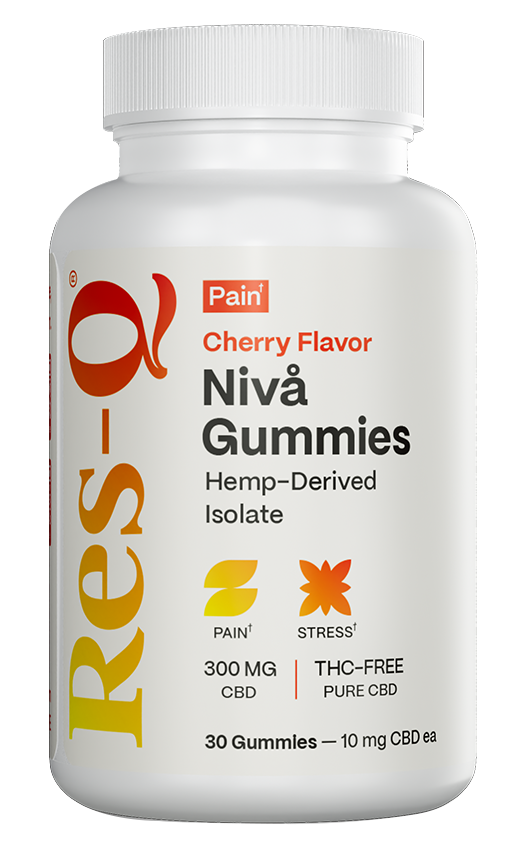
The CBD Your Body ACTUALLY ABSORBS
Most CBD passes right through you. This one doesn't — 440% better absorption, zero THC, made in the U.S.
See Why People Are SwitchingWhat we do know is that CBD does not appear to be addictive. The WHO confirmed this. It doesn’t produce withdrawal symptoms when discontinued. It doesn’t create tolerance the way opioids or benzodiazepines do. These are meaningful safety markers.
Making the Right Choice for You
Safe CBD oil exists. It’s manufactured by companies that invest in clean hemp, proper extraction, and transparent third-party testing. The compound itself has a well-documented safety profile backed by the World Health Organization and confirmed through multiple clinical trials. The risk comes from the unregulated market surrounding it — products with inaccurate labels, hidden contaminants, and companies that prioritize margins over safety.
Whether you’re looking at tinctures, wondering are CBD capsules safe, or asking are CBD cigarettes safe, the answer always loops back to the same fundamentals. Source matters. Testing matters. Transparency matters. Your own health context — medications, age, conditions — matters.
Take the time to research whether cannabis oil is safe for your particular situation. Read the COAs. Talk to your doctor if you’re on medication. Start with a low dose. Pay attention to how your body responds. And choose brands that make it easy for you to verify everything they claim.