
CBD for seizures is one of the most researched areas in cannabinoid medicine right now. And for good reason. In 2018, the FDA approved the first CBD-based drug — Epidiolex — specifically to treat certain types of epilepsy. That was a big deal. It meant CBD wasn’t just anecdotal anymore. It had clinical trial data behind it. Thousands of families dealing with treatment-resistant epilepsy had been using CBD oil for years before that approval, some with dramatic results. This article breaks down what we actually know about how CBD interacts with seizure activity, who it helps, what the risks are, and whether it could cause more harm than good in some cases.
Tired of guessing which CBD actually works?
Find What Works for Your Body
A less-than 60 second wellness match for adults exploring plant-based relief
What’s bothering you most right now?
Select the one that impacts your day the most
How long have you been dealing with this?
There's no wrong answer — this helps us tailor your match
How much does it affect your daily routine?
Be honest — this shapes your recommendation
What have you tried so far?
Knowing what hasn't worked helps us find what will
How familiar are you with CBD?
No judgment — everyone starts somewhere
What sounds easiest to add to your routine?
Think about what fits your lifestyle, not what sounds fancy
What matters most to you in a product?
Pick the one that would seal the deal for you
YOUR MATCH IS READY
We'll include your personalized match plus a first-timer's guide based on your answers.
Where should we send your recommendation?
🔒 No spam, ever. Your info is kept 100% secure.
If you'd rather not wait — based on your answers about your symptoms, we'd point you straight to our trusted partner.
Skip to My Match →What Are Seizures and Why Are They So Hard to Treat?
A seizure happens when there’s a sudden burst of uncontrolled electrical activity in the brain. Think of it like a power surge. Neurons that normally fire in coordinated patterns suddenly go haywire. This can cause anything from a brief stare and loss of awareness to full-body convulsions, loss of consciousness, and muscle rigidity.
Epilepsy is the condition defined by recurrent, unprovoked seizures. According to the World Health Organization, roughly 50 million people worldwide have epilepsy. About 30% of them don’t respond well to standard anti-seizure medications. That’s around 15 million people globally who are classified as having drug-resistant or refractory epilepsy.
Standard treatments include drugs like levetiracetam, valproate, carbamazepine, and lamotrigine. They work by calming electrical activity in different ways — blocking sodium channels, enhancing GABA activity, or reducing glutamate signaling. But they come with side effects. Drowsiness, weight gain, liver damage, cognitive fog. Some patients cycle through five or six medications before finding one that partially works. Others never find one that does.
That gap — the 30% who don’t respond — is exactly where CBD for seizures entered the conversation.
How Does CBD Stop Seizures?
This is one of the most common questions people search for, and the honest answer is: researchers don’t have a single, clean explanation yet. But they have several strong leads.
The Endocannabinoid System Connection
Your body has an endocannabinoid system (ECS). It’s a network of receptors — CB1 and CB2 — spread throughout the brain and body. The ECS helps regulate mood, pain, immune response, and yes, neuronal excitability. CBD doesn’t bind directly to CB1 receptors the way THC does. Instead, it modulates them indirectly. It also interacts with non-cannabinoid receptors that play roles in seizure activity.
GPR55 Receptor Blockade
One leading theory involves the GPR55 receptor. This receptor, when activated, increases intracellular calcium release in neurons. More calcium means more excitability. More excitability means higher seizure risk. CBD appears to block GPR55 activity. A 2017 study published in the Proceedings of the National Academy of Sciences found that GPR55 blockade reduced seizure activity in animal models. This mechanism is considered one of the primary ways CBD exerts its anti-seizure effects.
TRPV1 Channel Activation
CBD also activates TRPV1 channels — the same receptors involved in pain and temperature sensation. When these channels are activated and then desensitized, neuronal excitability drops. It’s like turning the volume down on overactive nerve cells. Research from the University of Reading in the UK demonstrated that CBD’s interaction with TRPV1 channels contributed to reduced seizure frequency in preclinical trials.
Modulation of Adenosine Signaling
Adenosine is a neurotransmitter with natural anti-convulsant properties. Your body produces it, and it helps calm neural activity. CBD inhibits adenosine reuptake, meaning more adenosine stays available in the synaptic space for longer. This contributes to a calming effect on overexcited neural circuits. A study from the National Institutes of Health confirmed that adenosine modulation is part of CBD’s broader anticonvulsant profile.
So how does CBD stop seizures? It works through multiple pathways simultaneously. That multi-target approach is part of why it helps patients who don’t respond to drugs that only target one mechanism.
Does CBD Help with Seizures? What the Clinical Data Says
Yes. The clinical evidence is strong for specific types of epilepsy. Here’s what the major studies found.
Dravet Syndrome
Dravet syndrome is a rare, severe form of epilepsy that begins in infancy. It’s often caused by mutations in the SCN1A gene. Standard medications frequently fail. In a landmark 2017 randomized controlled trial published in the New England Journal of Medicine, patients taking CBD (Epidiolex) experienced a median reduction in convulsive seizure frequency of 38.9% compared to 13.3% in the placebo group. That’s a statistically significant difference. Five percent of CBD patients became completely seizure-free during the trial.
Lennox-Gastaut Syndrome
Lennox-Gastaut syndrome (LGS) causes multiple seizure types and cognitive impairment. Two Phase 3 trials — published in the Lancet in 2018 — showed that CBD reduced drop seizures (the most dangerous type in LGS) by 41.9% at the 20 mg/kg dose and 37.2% at the 10 mg/kg dose, versus 17.2% for placebo. Patients also reported improvements in overall condition as rated by caregivers.
Tuberous Sclerosis Complex
In 2020, the FDA expanded Epidiolex’s approval to include tuberous sclerosis complex (TSC) after a Phase 3 trial showed a 48.6% reduction in seizure frequency for patients on the 25 mg/kg dose, compared to 26.5% for placebo. This trial, published in JAMA Neurology, was the third major win for pharmaceutical-grade CBD.
Real-World Observational Data
Beyond clinical trials, observational studies and patient registries tell a broader story. A 2018 survey published in Epilepsy & Behavior collected data from 117 parents of children with treatment-resistant epilepsy who used CBD products. Eighty-five percent reported some reduction in seizure frequency. Fourteen percent reported complete seizure freedom. These are self-reported numbers, so they carry limitations. But they align with the clinical trial data in direction, if not precision.
Does CBD help with seizures? For Dravet syndrome, Lennox-Gastaut syndrome, and tuberous sclerosis complex — yes, with strong evidence. For other epilepsy types, the data is promising but less definitive.
Looking For Something Pure & Potent?
If your current CBD isn't full-spectrum and U.S.-sourced, you're wasting money
Check Out This Full-Spectrum, American Made CBDCan CBD Give You Seizures?
This is a question that comes up a lot, and it deserves a careful answer. The short version: pharmaceutical-grade CBD (like Epidiolex) has not been shown to cause seizures. In clinical trials, CBD reduced seizure frequency. It did not increase it.
But there are situations where things get complicated.
Low-Quality CBD Products
The CBD market is poorly regulated. A 2017 study published in JAMA found that only 30.95% of CBD products sold online were accurately labeled. Some contained significantly more THC than listed. Others had less CBD than claimed. Some contained contaminants — heavy metals, pesticides, residual solvents. If someone uses a mislabeled product with high THC content, that could theoretically lower the seizure threshold in susceptible individuals. THC has a more complex relationship with seizure activity than CBD does. At low doses, THC may have anticonvulsant properties. At higher doses, particularly in certain genetic profiles, it may provoke seizures.
Drug Interactions
CBD is metabolized by the cytochrome P450 enzyme system in the liver — specifically CYP3A4 and CYP2C19. Many anti-seizure medications use the same pathways. When CBD and these drugs compete for the same enzymes, blood levels of either can change. The most notable interaction is between CBD and clobazam. CBD increases clobazam levels, sometimes dramatically. This can lead to increased sedation and, in some cases, paradoxical effects if dosing isn’t adjusted. A 2019 study in Epilepsia documented that patients taking CBD alongside clobazam had significantly higher N-desmethylclobazam (the active metabolite) levels. The seizure reduction seen in some trials may partly be due to this interaction rather than CBD alone.
Withdrawal Effects
Abruptly stopping CBD after regular use hasn’t been well studied for seizure rebound. In clinical practice, doctors taper Epidiolex gradually, similar to other anti-epileptic drugs. Sudden discontinuation of any anti-seizure treatment can trigger breakthrough seizures. There’s no specific evidence that CBD withdrawal causes seizures on its own, but caution applies.
So, can CBD give you seizures? Pure, pharmaceutical-grade CBD — no. Mislabeled products with unknown contents, dangerous drug interactions, or abrupt discontinuation — those scenarios carry real risks.
CBD for Seizures in Children vs. Adults
Most of the large clinical trials focused on pediatric patients. Dravet syndrome typically presents before age two. Lennox-Gastaut syndrome is diagnosed in childhood. TSC often manifests in early life. So the strongest evidence base for CBD and seizures sits in the pediatric population.
Pediatric Use
Epidiolex is FDA-approved for patients aged one year and older. Dosing starts at 2.5 mg/kg twice daily and can be increased to 10 mg/kg twice daily. In children, the most common side effects were somnolence (sleepiness), decreased appetite, diarrhea, and elevated liver enzymes. Liver function monitoring is recommended, particularly in the first few months and especially if the child is also taking valproate.
Charlotte Figi’s story remains one of the most well-known cases. Charlotte had Dravet syndrome and was experiencing roughly 300 grand mal seizures per week by age five. After starting a high-CBD, low-THC cannabis extract (later branded as Charlotte’s Web), her seizures dropped to two or three per month. Her case, covered by CNN’s Dr. Sanjay Gupta in 2013, helped spark the modern CBD movement. Charlotte passed away in 2020 at age 13 from complications unrelated to her epilepsy treatment, but her legacy reshaped how the medical community viewed cannabinoids.
Adult Epilepsy
Research on CBD for adult-onset epilepsy is thinner. A 2021 open-label study published in Epilepsy Research followed 60 adults with treatment-resistant focal epilepsy who added CBD to their regimen. After 12 weeks, 33% experienced a 50% or greater reduction in seizure frequency. Side effects were similar to those seen in children — fatigue, GI issues, mild liver enzyme elevation. Larger randomized controlled trials in adult populations are still needed, and several are underway as of 2026.
There’s also growing interest in CBD for seizures related to brain injuries, post-stroke epilepsy, and autoimmune encephalitis. Early-phase studies are in progress, but no definitive results have been published yet.
Pharmaceutical CBD vs. Over-the-Counter CBD Products
This distinction matters enormously. Epidiolex is a purified, plant-derived CBD formulation. Every batch is standardized. The concentration is exact. It goes through the same manufacturing and quality controls as any FDA-approved drug.
Over-the-counter CBD oils, capsules, gummies, and tinctures are classified as supplements. They don’t go through FDA approval. Quality varies wildly. A 2020 analysis by the FDA found that many retail CBD products contained different amounts of CBD than their labels stated. Some had no detectable CBD at all.
Why This Matters for Seizure Patients
Seizure management requires consistency. If a patient takes 200 mg of CBD daily and their product’s actual content fluctuates between 80 mg and 300 mg from bottle to bottle, their seizure control becomes unpredictable. Breakthrough seizures can be dangerous — they increase the risk of injury, status epilepticus, and SUDEP (Sudden Unexpected Death in Epilepsy).
Any patient considering CBD for seizures should discuss it with a neurologist. Self-treating epilepsy with unregulated products carries real risk. This isn’t about being overly cautious. It’s about the fact that inconsistent dosing in epilepsy management can have severe consequences.
Side Effects and Safety Profile of CBD for Seizures
CBD is generally well-tolerated. But “well-tolerated” doesn’t mean “no side effects.” Here’s what the clinical trial data shows.
Common Side Effects
Somnolence occurred in 23-36% of patients across major trials. Decreased appetite appeared in 16-22%. Diarrhea was reported in 9-20%. Elevated liver enzymes (AST/ALT) showed up in 10-16%, most commonly in patients also taking valproate. Upper respiratory infections were reported at similar rates in both CBD and placebo groups, suggesting they weren’t CBD-related.
Serious Side Effects
Hepatotoxicity is the most significant concern. In trials, about 13% of patients on CBD plus valproate showed liver enzyme elevations greater than three times the upper limit of normal. Most resolved after dose reduction or discontinuation. The FDA requires liver function monitoring at baseline, one month, three months, and six months after starting Epidiolex, then periodically thereafter.
Sedation can be severe when CBD is combined with clobazam. In practice, many doctors reduce the clobazam dose when adding CBD. This needs to be managed carefully — reducing clobazam too quickly could destabilize seizure control.
Long-Term Safety
Open-label extension studies following patients for up to three years show that CBD’s safety profile remains consistent over time. No new safety signals emerged. Efficacy appeared to be maintained, with some patients experiencing continued improvement beyond the initial trial period. A 2022 analysis published in Epilepsia, covering 264 weeks of follow-up data, confirmed sustained seizure reduction without tolerance development in the majority of patients.
How to Talk to Your Doctor About CBD for Seizures
If you or someone in your family has epilepsy and you’re considering CBD, here’s how to approach that conversation productively.
Come Prepared
Know which type of epilepsy has been diagnosed. Know which medications have been tried and what the results were. If you’ve been tracking seizure frequency — with an app, a journal, anything — bring that data. Neurologists respond to specifics.
Ask Direct Questions
Would Epidiolex be appropriate for this diagnosis? What drug interactions should we watch for? What monitoring would be needed? Is there a clinical trial nearby that’s enrolling? These are concrete questions that move the conversation forward.
Be Honest About What You’ve Already Tried
Some families have already started OTC CBD products before seeing a specialist. Tell your doctor. They need to know what’s in the system to avoid dangerous interactions and to properly interpret seizure logs. No good neurologist is going to judge you for trying to help your child. But they need accurate information to do their job.
The Legal Landscape of CBD for Seizures in 2026
Epidiolex is legal in all 50 US states with a prescription. It was rescheduled from Schedule V to fully descheduled by the DEA after the 2018 Farm Bill established that hemp-derived products with less than 0.3% THC were legal at the federal level. However, Epidiolex still requires a prescription because it’s an FDA-approved pharmaceutical.
OTC CBD products exist in a gray zone. They’re legal federally under the Farm Bill, but individual states have varying regulations about sales, labeling, and permissible product types. Some states restrict CBD in food and beverages. Others have created their own testing and labeling requirements.
Internationally, Epidiolex is approved in the European Union (marketed as Epidyolex), the UK, Australia, and several other countries. Access varies depending on national health systems and insurance coverage.
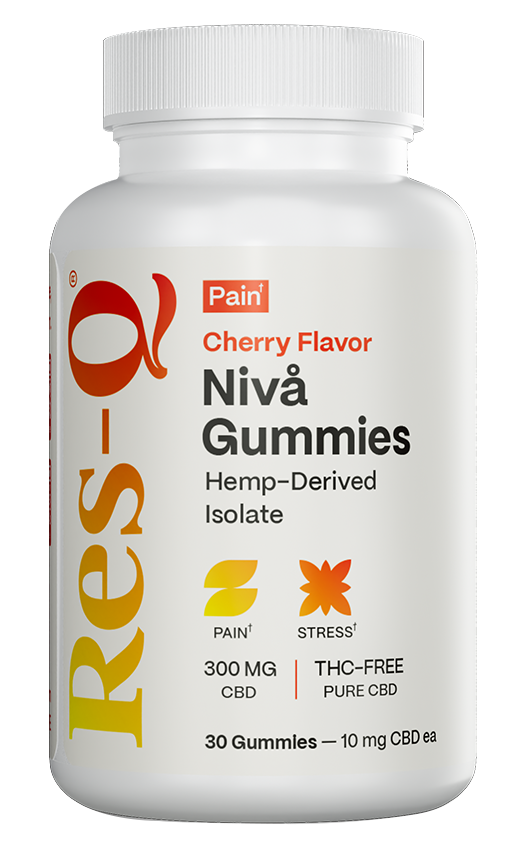
The CBD Your Body ACTUALLY ABSORBS
Most CBD passes right through you. This one doesn't — 440% better absorption, zero THC, made in the U.S.
See Why People Are SwitchingFrequently Asked Questions About CBD and Seizures
Does CBD help with seizures in dogs and cats?
Yes, veterinary research supports it. A 2019 study in the Journal of the American Veterinary Medical Association showed that 89% of dogs with epilepsy who received CBD had a reduction in seizure frequency. The study was small (16 dogs), and more research is ongoing. The American Kennel Club’s Canine Health Foundation has funded further studies. Always consult a veterinarian before giving CBD to a pet — dosing for animals is different, and some products contain xylitol or other ingredients toxic to pets.
How fast does CBD work for seizures?
In clinical trials, meaningful seizure reduction was typically observed within the first two to four weeks of reaching the target dose. Some patients reported effects sooner. Epidiolex is titrated slowly — starting at a low dose and increasing over two weeks — so the full effect isn’t immediate.
Can you build a tolerance to CBD for seizures?
Long-term data from open-label extension studies, some running over four years, suggest that tolerance is not a significant issue for most patients. Seizure reduction was maintained over time. Some patients actually saw continued improvement beyond the initial trial period.
Is full-spectrum CBD better than CBD isolate for seizures?
This is debated. Some researchers and advocates support the “entourage effect” theory — the idea that other cannabinoids and terpenes in full-spectrum products enhance CBD’s effects. However, Epidiolex is a purified CBD isolate, and it’s the only formulation with rigorous clinical trial data behind it. For seizure management, consistency and verified dosing outweigh theoretical benefits of full-spectrum products that lack standardization.
What dose of CBD is used for seizures?
Epidiolex dosing starts at 2.5 mg/kg twice daily (5 mg/kg/day total). After one week, it can be increased to 5 mg/kg twice daily (10 mg/kg/day). If needed and tolerated, it can go up to 10 mg/kg twice daily (20 mg/kg/day). These are weight-based doses determined through clinical trials. OTC product dosing is not standardized and should not be self-prescribed for seizure management.
Moving Forward with CBD for Seizures
The evidence is clear for certain conditions. CBD reduces seizure frequency in Dravet syndrome, Lennox-Gastaut syndrome, and tuberous sclerosis complex. The mechanism involves multiple neural pathways — GPR55 blockade, TRPV1 modulation, and adenosine reuptake inhibition among them. Side effects exist but are manageable with proper medical oversight.
For the millions of people living with treatment-resistant epilepsy, CBD for seizures represents one of the most important pharmacological developments in the past decade. Research continues to expand into adult epilepsy, post-traumatic seizures, and combination therapies that could improve outcomes further.
If seizures and CBD are something you’re exploring — for yourself, a child, or a loved one — bring the conversation to a qualified neurologist. Track your seizure data. Ask about Epidiolex by name. And if you’re using OTC products, demand third-party certificates of analysis from the manufacturer. Your safety depends on knowing exactly what you’re taking and how much.