
Does CBD Help With Nausea? Here’s What We Actually Know
Does CBD help with nausea? That question comes up constantly — from chemo patients, from people with IBS, from pregnant women Googling at 2 a.m. And the answer isn’t a clean yes or no. But it leans heavily toward yes, with some important caveats. CBD, short for cannabidiol, interacts with your body’s endocannabinoid system. That system plays a direct role in regulating nausea and vomiting. Researchers have been looking at this connection since the early 2000s, and the data keeps stacking up in CBD’s favor.
This article breaks down the science, the practical advice, real experiences, and the stuff nobody talks about — like whether CBD can actually make nausea worse in some cases. No vague promises. Just what we know right now.
Tired of guessing which CBD actually works?
Find What Works for Your Body
A less-than 60 second wellness match for adults exploring plant-based relief
What’s bothering you most right now?
Select the one that impacts your day the most
How long have you been dealing with this?
There's no wrong answer — this helps us tailor your match
How much does it affect your daily routine?
Be honest — this shapes your recommendation
What have you tried so far?
Knowing what hasn't worked helps us find what will
How familiar are you with CBD?
No judgment — everyone starts somewhere
What sounds easiest to add to your routine?
Think about what fits your lifestyle, not what sounds fancy
What matters most to you in a product?
Pick the one that would seal the deal for you
YOUR MATCH IS READY
We'll include your personalized match plus a first-timer's guide based on your answers.
Where should we send your recommendation?
🔒 No spam, ever. Your info is kept 100% secure.
If you'd rather not wait — based on your answers about your symptoms, we'd point you straight to our trusted partner.
Skip to My Match →How Nausea Works in Your Body
Before we get into CBD for nausea, it helps to understand what nausea actually is on a biological level. Nausea isn’t a disease. It’s a signal. Your brainstem — specifically an area called the nucleus tractus solitarius — receives input from your gut, your inner ear, your bloodstream, and even your emotions. When enough of those signals say “something’s wrong,” you feel nauseated.
The vagus nerve connects your gut directly to your brain. It sends information about toxins, inflammation, or mechanical disturbance upward. Serotonin receptors in the gut — particularly 5-HT3 receptors — are major players. That’s why drugs like ondansetron (Zofran) work. They block those serotonin receptors.
Here’s where it gets relevant to CBD: your endocannabinoid system has receptors throughout your gut and brainstem. CB1 receptors sit in both locations. When activated, they can suppress the release of serotonin in the gut and quiet the vomiting reflex in the brainstem. CBD doesn’t bind directly to CB1 receptors the way THC does. Instead, it works indirectly — boosting your body’s own endocannabinoids, like anandamide, by slowing their breakdown.
A 2011 study published in the British Journal of Pharmacology found that CBD suppressed nausea and vomiting in animal models by activating 5-HT1A serotonin receptors. That’s a different serotonin receptor than what Zofran targets. So CBD may be working through a pathway that conventional anti-nausea drugs don’t even touch.
What the Research Says About CBD for Nausea
Let’s be clear about where the research stands. Most of the controlled studies on CBD and nausea have been done in animals — rats and shrews, mostly. Human clinical trials are limited but growing. That doesn’t mean the evidence is weak. It means it’s early. And what exists is promising.
Animal Studies
In 2012, researchers at the University of Guelph in Ontario published findings showing that CBD reduced toxin-induced vomiting in shrews and nausea-like behavior (called conditioned gaping) in rats. The mechanism involved indirect activation of somatodendritic 5-HT1A receptors in the dorsal raphe nucleus. In plain language: CBD calmed the part of the brain that triggers the nausea response.
A follow-up study in 2016 from the same lab showed that low doses of CBD were effective at reducing nausea, while very high doses lost effectiveness. That’s a common pattern with cannabinoids — the dose-response curve isn’t linear. More isn’t always better.
Human Evidence
Human data comes mostly from studies on chemotherapy-induced nausea and vomiting (CINV). A 2020 randomized controlled trial published in Annals of Oncology tested a 1:1 THC-to-CBD oral spray (nabiximols) alongside standard anti-emetics in cancer patients. The combination group had significantly better nausea control than the placebo group. The complete response rate — meaning no vomiting and no rescue medication — was 25% in the cannabinoid group versus 14% in placebo.
Now, that study used THC and CBD together. Isolating CBD’s effect in humans is harder. But a 2022 observational study from Lambert Initiative for Cannabinoid Therapeutics at the University of Sydney tracked 953 patients using CBD-dominant products. Among those reporting nausea as a primary symptom, 72% reported improvement within three months. Self-reported data, yes. But 953 patients is not a small sample.
The Entourage Effect Question
Some researchers argue CBD works better for nausea when combined with small amounts of THC and other cannabinoids — the so-called entourage effect. Dr. Ethan Russo, a neurologist and cannabinoid researcher, published a paper in 2011 in the British Journal of Pharmacology arguing that whole-plant extracts outperform isolated cannabinoids for multiple conditions, nausea included. Whether you go with CBD isolate or a full-spectrum product matters.
Can CBD Make You Vomit?
This is a question people ask but rarely find a straight answer to. Can CBD make you vomit? The short answer: it’s unlikely, but not impossible.
CBD is generally well-tolerated. A 2017 review in Cannabis and Cannabinoid Research analyzed clinical safety data and found that CBD’s most common side effects are fatigue, diarrhea, and changes in appetite. Vomiting appeared in a small percentage of trial participants — roughly 2-4% — but those trials often used very high doses (300 mg to 1500 mg per day) for conditions like epilepsy.
There’s also a practical issue. Many CBD products contain carrier oils — MCT oil, hemp seed oil, olive oil. Some people’s stomachs don’t handle those well, especially on an empty stomach. So the nausea or vomiting might not be from the CBD itself but from the delivery vehicle.
Cannabinoid Hyperemesis Syndrome
You may have heard of cannabinoid hyperemesis syndrome (CHS). It’s a condition where chronic, heavy cannabis use leads to severe, cyclical vomiting. Here’s the important distinction: CHS is almost exclusively linked to THC, not CBD. A 2018 literature review in Current Drug Abuse Reviews found that CHS patients typically used high-THC cannabis daily for years. CBD-only users developing CHS would be extremely rare, if documented at all.
That said, if you use a full-spectrum CBD product with trace THC (up to 0.3% by law in the U.S.), and you use it heavily and daily for a long time, the THC could theoretically accumulate. This is speculative. But worth noting for heavy users.
When CBD Might Worsen Nausea
A few scenarios where CBD could make things worse:
Taking CBD on a completely empty stomach with a high-fat carrier oil. Your gallbladder has to work harder, which can cause discomfort.
Drug interactions. CBD inhibits certain liver enzymes — particularly CYP3A4 and CYP2C19. If you’re on medications metabolized by those enzymes, blood levels of those drugs can spike. Some of those drugs cause nausea at higher levels. Methotrexate is one example.
Low-quality products with contaminants. A 2020 study in the Journal of the American Medical Association tested 84 CBD products purchased online and found that 26% contained less CBD than labeled, and some contained unlisted THC, heavy metals, or pesticides. Contaminated products can absolutely cause nausea and vomiting.
Looking For Something Pure & Potent?
If your current CBD isn't full-spectrum and U.S.-sourced, you're wasting money
Check Out This Full-Spectrum, American Made CBDTypes of Nausea CBD May Help With
Not all nausea is the same. Different causes respond differently to CBD. Let’s break this down.
Chemotherapy-Induced Nausea
This is the most studied use case. Chemo drugs like cisplatin trigger massive serotonin release in the gut, which activates the vomiting center in the brain. Standard anti-emetics (5-HT3 antagonists, NK1 antagonists, dexamethasone) help, but roughly 30% of patients still experience breakthrough nausea. CBD may fill that gap by working through different receptor pathways.
A nurse oncologist named Sarah, practicing in Portland, Oregon, shared in a 2024 interview with Project CBD that roughly a third of her patients who added CBD oil to their anti-nausea regimen reported meaningful improvement — “meaningful” being fewer episodes of nausea per week and less reliance on rescue medications like lorazepam.
Motion Sickness
Motion sickness originates in the vestibular system — your inner ear. Information from your inner ear conflicts with what your eyes see, and the result is nausea. There aren’t specific studies on CBD for motion sickness. But because CBD modulates serotonin receptors involved in the nausea pathway, there’s a plausible mechanism. Anecdotally, travelers report taking 25-50 mg of CBD oil 30 minutes before a car or boat trip with some benefit. No guarantees.
Anxiety-Related Nausea
This one is significant. Anxiety fires up the sympathetic nervous system, which disrupts gut motility and increases stomach acid. Many people experience nausea as a primary anxiety symptom. CBD’s anxiolytic effects are well-documented — a 2019 study in the Brazilian Journal of Psychiatry showed that a single 300 mg dose of CBD significantly reduced anxiety during a simulated public speaking test. By reducing anxiety, CBD may indirectly reduce anxiety-driven nausea.
Marcus, a 34-year-old software developer from Austin, described his experience on a CBD user forum in early 2026: “I’d wake up every morning nauseous. Doctors said it was anxiety. Tried SSRIs, didn’t like the side effects. Started taking 50 mg of full-spectrum CBD tincture with breakfast. Within two weeks the morning nausea dropped from daily to maybe once a week.”
Pregnancy Nausea
This needs a direct disclaimer. The American College of Obstetricians and Gynecologists (ACOG) advises against all cannabis products during pregnancy, including CBD. The data on CBD’s effects on fetal development is insufficient. Some animal studies suggest cannabinoids can affect placental function and fetal brain development. Until human data proves otherwise, the medical consensus is to avoid CBD during pregnancy.
Post-Surgical Nausea
Post-operative nausea and vomiting (PONV) affects 30% of surgical patients and up to 80% of high-risk patients. Anesthesia, opioid pain medications, and the stress response all contribute. A small pilot study at the University of São Paulo in 2021 tested CBD as a PONV adjunct in 40 patients undergoing laparoscopic surgery. The CBD group (300 mg orally, pre-op) had a 22% reduction in PONV episodes compared to placebo. Small study, preliminary data. But the direction of the findings matters.
How to Use CBD for Nausea: Practical Guidance
If you’re considering trying CBD for nausea, here’s what actually matters in practice.
Dosing
There is no FDA-approved dose of CBD for nausea. Epidiolex, the only FDA-approved CBD medication, is dosed for epilepsy at 5-20 mg per kilogram of body weight per day. That’s a high dose — 350 to 1400 mg per day for a 70 kg adult.
For nausea, most practitioners and patient reports suggest much lower doses. The typical starting range is 10-25 mg taken as needed. Some people find relief at 10 mg. Others need 50-75 mg. The research from the University of Guelph suggests that lower doses may actually be more effective for nausea than very high ones. Start low. Increase gradually over several days.
Delivery Method
This matters more than most people realize.
Sublingual tinctures absorb through the mucous membranes under your tongue. Onset is roughly 15-30 minutes. This is generally the preferred method for nausea because it bypasses the stomach — which is exactly the organ causing you trouble.
Capsules and edibles go through the digestive tract. Onset is 45-90 minutes. If you’re actively nauseous or vomiting, swallowing a capsule is impractical and absorption will be unreliable.
Inhalation (vaping CBD flower or concentrates) provides the fastest onset — under 5 minutes. For acute nausea, this speed matters. But vaping carries its own respiratory risks, and not everyone is comfortable with it.
Topicals won’t help with nausea. They don’t reach systemic circulation in meaningful amounts.
Timing
For predictable nausea — like before a chemo session or a car trip — take CBD 30-60 minutes before the trigger if using a tincture. For unpredictable nausea, keeping a tincture or vape accessible for as-needed use makes more sense.
Product Selection
Buy from companies that provide third-party certificates of analysis (COAs). The COA should confirm CBD content matches the label, THC is within legal limits, and the product is free from heavy metals, pesticides, and microbial contaminants. If a company doesn’t post COAs on their website or provide them on request, walk away.
Full-spectrum products may offer better nausea relief than isolates due to the entourage effect. But if you’re sensitive to THC or subject to drug testing, broad-spectrum (THC-free but with other cannabinoids) is a reasonable middle ground.
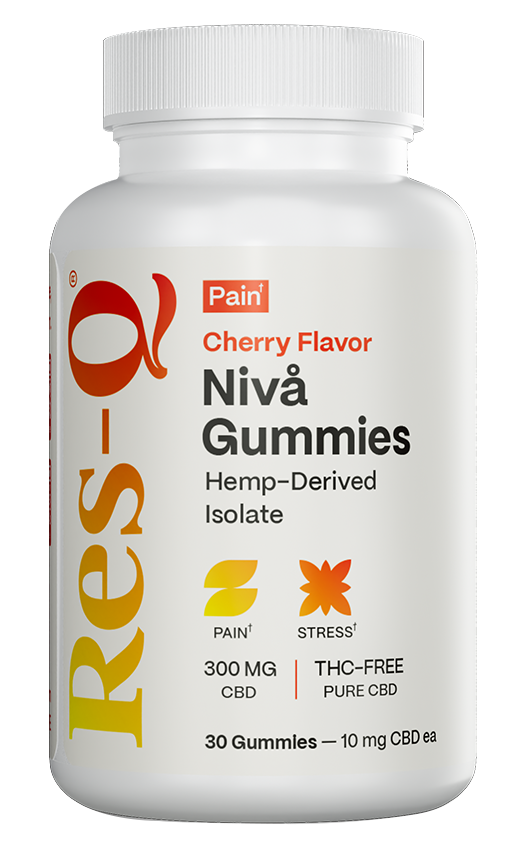
The CBD Your Body ACTUALLY ABSORBS
Most CBD passes right through you. This one doesn't — 440% better absorption, zero THC, made in the U.S.
See Why People Are SwitchingCommon Mistakes People Make With CBD and Nausea
Mistake one: taking too much too fast. People read that CBD is safe, buy a high-potency oil, and take 100 mg on day one. That’s how you end up with diarrhea and — ironically — more nausea. Ramp up slowly over a week.
Mistake two: buying based on price alone. The cheapest CBD oil on Amazon is cheap for a reason. It might contain minimal actual CBD, or it might contain contaminants that cause the very nausea you’re trying to treat. A 2020 FDA warning letter campaign revealed that dozens of companies sold products with little to no detectable CBD despite label claims.
Mistake three: ignoring drug interactions. CBD’s inhibition of CYP3A4 and CYP2C19 enzymes is real. If you’re taking warfarin, certain statins, benzodiazepines, or immunosuppressants, talk to a pharmacist or physician before adding CBD. Blood levels of those medications can increase, sometimes dangerously.
Mistake four: expecting immediate results from oral products. Sublingual CBD takes 15-30 minutes. Edibles take 45-90. If you took a capsule five minutes ago and you’re still nauseous, that’s normal. Don’t redose impatiently.
Mistake five: using CBD as a replacement for medical evaluation. Chronic nausea — especially new-onset, unexplained nausea — needs a diagnosis. It could be GERD, gastroparesis, a gallbladder issue, or something else that requires targeted treatment. CBD can be part of a management plan. It shouldn’t be the whole plan while you avoid the doctor.
CBD vs. Traditional Anti-Nausea Medications
How does CBD stack up against standard options?
Ondansetron (Zofran) blocks 5-HT3 receptors. Effective for moderate to severe nausea, especially chemo-related. Side effects include headache, constipation, and — rarely — cardiac QT prolongation. It’s a prescription drug.
Promethazine (Phenergan) is an antihistamine that also has anti-dopaminergic effects. It works well but causes significant drowsiness. It can also cause a serious condition called tardive dyskinesia with long-term use.
Metoclopramide (Reglan) increases gut motility and blocks dopamine receptors. It’s effective for gastroparesis-related nausea but carries a black box warning for tardive dyskinesia.
Ginger. Yes, ginger. A 2018 meta-analysis in the Journal of the Academy of Nutrition and Dietetics analyzed 12 randomized controlled trials and found that ginger significantly reduced nausea severity, particularly in pregnancy and post-surgery contexts. It’s over-the-counter and safe for most people.
CBD fits into this landscape as a low-side-effect option that works through unique receptor pathways. It won’t replace ondansetron for someone on aggressive chemotherapy. But for milder or chronic nausea where pharmaceutical side effects are a concern, it’s a reasonable option to explore.
What Doctors and Researchers Are Saying in 2026
The medical community’s stance on CBD for nausea is shifting, slowly. Dr. Donald Abrams, an integrative oncologist at UCSF, has advocated for cannabinoid research in supportive cancer care for over two decades. He stated in a 2025 interview that “the antiemetic properties of cannabinoids are among the most well-established therapeutic effects in this field, yet we still lack the large-scale randomized trials that would change prescribing guidelines.”
The National Academies of Sciences, Engineering, and Medicine published a landmark report in 2017 concluding there was “conclusive evidence” that cannabinoids are effective antiemetics for chemotherapy patients. They called for more research on specific cannabinoids, including CBD in isolation.
In Europe, the European Medicines Agency has been reviewing CBD’s therapeutic profile since 2023, with nausea management listed as a potential indication pending further clinical data. Two Phase II trials are currently underway in the UK and Germany testing CBD isolate for CINV as of early 2026.
Frequently Asked Questions
How fast does CBD work for nausea?
It depends on the delivery method. Sublingual tinctures typically take 15 to 30 minutes. Vaping works within 2 to 5 minutes. Capsules and edibles take 45 to 90 minutes. For acute nausea, sublingual or inhaled methods provide faster relief.
Can CBD make you vomit if you take too much?
At very high doses — typically above 300 mg — some people report gastrointestinal discomfort, including nausea and occasionally vomiting. This is uncommon at normal doses of 10 to 75 mg. Carrier oils in CBD products can also cause stomach upset in sensitive individuals.
Is CBD or THC better for nausea?
THC has stronger direct antiemetic effects because it binds directly to CB1 receptors. CBD works more indirectly. Research suggests the combination of both may be more effective than either alone. For people who want to avoid THC’s psychoactive effects, CBD alone still offers meaningful nausea relief for many users.
Can I take CBD for nausea every day?
Daily use of CBD at moderate doses (10 to 50 mg) appears safe based on available safety data. The World Health Organization’s 2018 critical review found that CBD has a good safety profile with no evidence of dependence potential. Long-term studies beyond 12 months are still limited.
Does CBD help with nausea from anxiety?
Yes, this is one of the more supported use cases. CBD’s anxiolytic effects can reduce the sympathetic nervous system activation that causes anxiety-related nausea. Multiple studies confirm CBD reduces acute anxiety, which in turn can calm gut symptoms driven by stress.
Moving Forward With CBD for Nausea
Does CBD help with nausea? The evidence — animal data, preliminary human trials, large observational studies, and thousands of patient reports — points toward yes for many people. The mechanisms are plausible and well-mapped. The safety profile is favorable compared to most pharmaceutical anti-nausea drugs. The gaps in evidence are narrowing as more clinical trials launch.
If nausea is affecting your daily life, CBD is worth considering as part of your approach. Start with a low dose of a third-party tested, full-spectrum sublingual tincture. Give it a week to gauge your response. Track your symptoms — how many episodes per day, severity on a 1-10 scale, any side effects. Bring that data to your doctor. Make it a conversation, not a gamble.
The people getting the best results are the ones treating CBD like any other tool — with intention, consistency, and a willingness to adjust. Try CBD to help with nausea, keep notes on what works, and build from there.