

CBD Oil on Amazon Isn’t What You Think It Is
If you’ve ever searched for CBD oil on Amazon, you’ve probably seen hundreds of results. Bottles with green leaves on the label. Words like “hemp extract” and “premium strength” in bold. Reviews in the thousands. It all looks legit. But here’s what most people don’t realize — none of those products actually contain CBD.
Tired of guessing which CBD actually works?
Find What Works for Your Body
A less-than 60 second wellness match for adults exploring plant-based relief
What’s bothering you most right now?
Select the one that impacts your day the most
How long have you been dealing with this?
There's no wrong answer — this helps us tailor your match
How much does it affect your daily routine?
Be honest — this shapes your recommendation
What have you tried so far?
Knowing what hasn't worked helps us find what will
How familiar are you with CBD?
No judgment — everyone starts somewhere
What sounds easiest to add to your routine?
Think about what fits your lifestyle, not what sounds fancy
What matters most to you in a product?
Pick the one that would seal the deal for you
YOUR MATCH IS READY
We'll include your personalized match plus a first-timer's guide based on your answers.
Where should we send your recommendation?
🔒 No spam, ever. Your info is kept 100% secure.
If you'd rather not wait — based on your answers about your symptoms, we'd point you straight to our trusted partner.
Skip to My Match →Amazon has a strict policy against selling cannabidiol products on its platform. That policy has been in place for years. It hasn’t changed. What shows up when you search “CBD oil” on Amazon is almost always hemp seed oil. That’s a completely different product. It comes from the seeds of the hemp plant, not the flowers or leaves where CBD is actually found. Hemp seed oil has nutritional value — omega fatty acids, vitamin E — but it has zero cannabidiol content.
This matters because thousands of people buy these products every single week thinking they’re getting real CBD. They’re not. And the price they pay is often higher than what actual CBD oil costs from a legitimate retailer.
Can You Buy CBD on Amazon? Here’s the Straightforward Answer
No. You cannot buy CBD on Amazon. Full stop. Amazon’s Restricted Products policy specifically lists cannabidiol as a prohibited ingredient. Any seller who tries to list an actual CBD product risks having their account suspended or permanently banned.
So what are all those listings? They’re products that dance around the language. Sellers use terms like “hemp oil,” “hemp extract,” “full spectrum hemp,” and “1000mg hemp” to create the impression that you’re buying CBD. Some even include dosage charts and dropper instructions that mirror how real CBD oil is used. But if you look at the actual ingredient list — usually buried in the product images or description — you’ll see hemp seed oil or hempseed extract. No cannabidiol.
A 2023 study published in the Journal of the American Medical Association found that nearly 70% of CBD products sold online were mislabeled in terms of their actual cannabidiol content. That number gets worse when you include Amazon, where the products contain no CBD at all but are marketed to look like they do.
Amazon’s Official Policy on CBD Products
Amazon categorizes CBD under its drugs and drug paraphernalia policy. The platform does not allow listings for products that contain CBD, THC, or other controlled cannabinoids. This applies to oils, capsules, gummies, topicals — everything. Even delta-8 THC products are banned.
Amazon updated its seller guidelines multiple times between 2021 and 2025 to crack down on products that implied CBD content without stating it directly. Despite those updates, misleading listings still show up constantly. Amazon relies on automated systems and buyer reports to flag violations, and the volume of new listings makes enforcement inconsistent.
Some sellers have found temporary workarounds. They list products with vague labels, avoid the letters “CBD” entirely, and use milligram counts that mimic CBD dosing. A bottle that says “5000mg Hemp Extract” looks a lot like a high-potency CBD oil to someone who doesn’t know the difference.
Why Amazon CBD Oil Listings Are So Misleading
There’s a financial incentive here that’s hard to ignore. CBD is a multi-billion dollar industry. In the United States alone, the CBD market was valued at roughly $6.4 billion in 2025, according to data from Brightfield Group. Amazon captures a massive share of online shopping traffic. Sellers who can position a cheap hemp seed oil product under CBD-related search terms stand to make significant revenue.
The cost to produce hemp seed oil is a fraction of what it takes to produce real CBD extract. Cold-pressing hemp seeds is straightforward. Extracting cannabidiol from hemp biomass requires CO2 extraction or ethanol extraction equipment, third-party lab testing, compliance documentation, and often state-level licensing. The margins on fake “CBD” products sold on Amazon are enormous.
One former Amazon seller — who spoke publicly on the CBD Insider podcast in 2024 — estimated that his hemp seed oil product, priced at $29.99 per bottle, cost him about $2.40 to manufacture and ship through FBA. His listing ranked on the first page for “CBD oil” search terms on Amazon for over eight months before it was flagged.
Red Flags to Watch for on Amazon CBD Listings
If you’re still browsing Amazon and wondering whether a product might contain real CBD, here’s what to look at:
The ingredient list. If it says “hemp seed oil” or “Cannabis sativa seed oil,” there is no CBD in that bottle. Real CBD products list “cannabidiol,” “CBD isolate,” “broad spectrum hemp extract,” or “full spectrum CBD extract” as ingredients.
The lack of a Certificate of Analysis (COA). Legitimate CBD brands provide third-party lab results showing the exact cannabinoid content. Amazon listings almost never include these because the product doesn’t contain cannabinoids.
Pricing that seems too good. A 60ml bottle of actual full-spectrum CBD oil with 1500mg of cannabidiol typically costs between $50 and $120 depending on the brand and quality. If you’re seeing “3000mg hemp oil” for $14.99 on Amazon, that’s hemp seed oil.
Review content. Read the one-star and two-star reviews carefully. You’ll often find buyers who tested the product or consulted a professional and confirmed it contained no CBD.
Looking For Something Pure & Potent?
If your current CBD isn't full-spectrum and U.S.-sourced, you're wasting money
Check Out This Full-Spectrum, American Made CBDHemp Seed Oil vs CBD Oil — The Differences That Matter
These are two entirely separate products that come from the same plant species, Cannabis sativa. That shared origin is what makes the confusion so easy to exploit.
Hemp seed oil is extracted by pressing hemp seeds. It contains no cannabinoids — no CBD, no THC, nothing that interacts with the endocannabinoid system. It’s used as a cooking oil, a skin moisturizer, and a nutritional supplement. It’s rich in omega-3 and omega-6 fatty acids. It’s perfectly legal everywhere and has been sold on Amazon for years without issue.
CBD oil is extracted from the flowers, leaves, and stalks of the hemp plant. It contains cannabidiol, a non-intoxicating cannabinoid that interacts with CB1 and CB2 receptors in the body’s endocannabinoid system. Depending on the extraction method, it may also contain other cannabinoids like CBG, CBN, and trace amounts of THC (under 0.3% for legal hemp-derived products). People use CBD oil for a range of wellness purposes, including sleep support, stress management, and physical discomfort.
Here’s a quick breakdown:
Hemp Seed Oil: Source — hemp seeds. CBD content — 0mg. Cannabinoids — none. Primary use — nutritional supplement, cooking, skincare. Legal status — legal everywhere, sold freely on Amazon.
CBD Oil: Source — hemp flowers, leaves, stalks. CBD content — varies (250mg to 5000mg+ per bottle). Cannabinoids — CBD, plus CBG, CBN, THC (trace). Primary use — wellness supplement targeting endocannabinoid system. Legal status — federally legal under 2018 Farm Bill (under 0.3% THC), but not sold on Amazon.
Where to Actually Buy Real CBD Oil
Since Amazon isn’t an option, where should you go? There are several routes, and each has trade-offs.
Brand direct websites. Buying directly from a CBD brand’s own website is the most reliable method. Established brands like Charlotte’s Web, Lazarus Naturals, CBDistillery, and NuLeaf Naturals sell directly to consumers. You get full access to COAs, product details, subscription discounts, and customer support. Most ship to all 50 states.
Specialty online retailers. Platforms that focus specifically on CBD and hemp products do exist. They vet brands before listing them and often provide comparison tools. These aren’t as big as Amazon, but they specialize in what they sell.
Local dispensaries and wellness shops. If you want to see and handle a product before buying, brick-and-mortar dispensaries and health stores carry CBD oils, tinctures, gummies, and topicals. Staff at these locations can usually walk you through options and explain dosing.
Licensed pharmacies. Some pharmacies — both chain and independent — now carry CBD products. CVS and Walgreens began stocking select CBD topicals in certain states back in 2019. The selection is limited compared to online, but the products are vetted for basic compliance.
What to Look for in a Legitimate CBD Product
Third-party lab testing is non-negotiable. Any brand that doesn’t provide a Certificate of Analysis from an independent lab should be skipped entirely. The COA should confirm the cannabinoid content matches the label, verify THC levels are under 0.3%, and screen for contaminants like heavy metals, pesticides, and residual solvents.
Check where the hemp was grown. U.S.-grown hemp is subject to USDA regulations under the 2018 Farm Bill. Hemp sourced from overseas — particularly from countries with less rigorous agricultural oversight — may carry higher contamination risk.
Look at the extraction method. CO2 extraction is considered the gold standard. It produces a clean, consistent extract without leaving behind harmful chemical residues. Ethanol extraction is also common and generally safe. Butane extraction is cheaper but can leave solvent traces if not properly purged.
Read the full ingredient list. Some products add unnecessary fillers, artificial flavors, or carrier oils that dilute the CBD content. High-quality CBD oils typically use MCT oil (derived from coconut) or hemp seed oil as a carrier, with natural flavoring if any.
Common Mistakes People Make When Shopping for CBD
The biggest one — and the reason this article exists — is buying Amazon CBD oil thinking it’s real CBD. It’s an understandable mistake. Amazon is a trusted platform. The listings look convincing. But the product in the bottle isn’t what you went looking for.
Another common error is focusing only on milligram count. A bottle labeled “5000mg” sounds powerful. But milligrams of what? If it’s hemp seed oil, those milligrams refer to the total oil volume or the omega fatty acid content. If it’s real CBD, those milligrams should refer to the total cannabidiol in the bottle. Always confirm what the milligrams are measuring.
Dosing without a plan is another issue. CBD affects everyone differently based on body weight, metabolism, the condition being addressed, and individual biochemistry. Starting with a low dose — typically 10 to 25mg per day — and increasing gradually is what most practitioners recommend. Jumping straight to a high dose because a product label says “extra strength” isn’t a strategy.
Ignoring the type of CBD also trips people up. Full-spectrum products contain all the naturally occurring cannabinoids and terpenes, including trace THC. Broad-spectrum removes THC but keeps other compounds. CBD isolate is pure cannabidiol with nothing else. Each has different use cases. Someone subject to drug testing might prefer broad-spectrum or isolate to minimize THC exposure.
Is CBD Legal in 2026? What the Current Rules Look Like
The 2018 Farm Bill federally legalized hemp and hemp-derived products containing less than 0.3% THC by dry weight. That includes CBD oil. However, the FDA has not approved CBD as a food additive or dietary supplement. This regulatory gray area means enforcement varies by state.
As of early 2026, CBD is legal to purchase and possess in most U.S. states. Some states have specific restrictions on the types of CBD products that can be sold — for instance, certain states prohibit CBD-infused food and beverages. A handful of states still require products to be purchased only through licensed dispensaries.
Internationally, the rules differ even more. The UK allows CBD products with less than 1mg of THC per container. Canada regulates CBD under its Cannabis Act, meaning it can only be purchased from licensed retailers. Australia requires a prescription for CBD oil. Always check local regulations before ordering CBD online, especially across borders.
The FDA has been reviewing its regulatory framework for CBD since 2019. Multiple bills have been introduced in Congress to create a clear pathway for CBD as a dietary supplement. Until that legislation passes, the market operates in a patchwork of federal and state rules — which is partly why Amazon has chosen to avoid the category entirely.
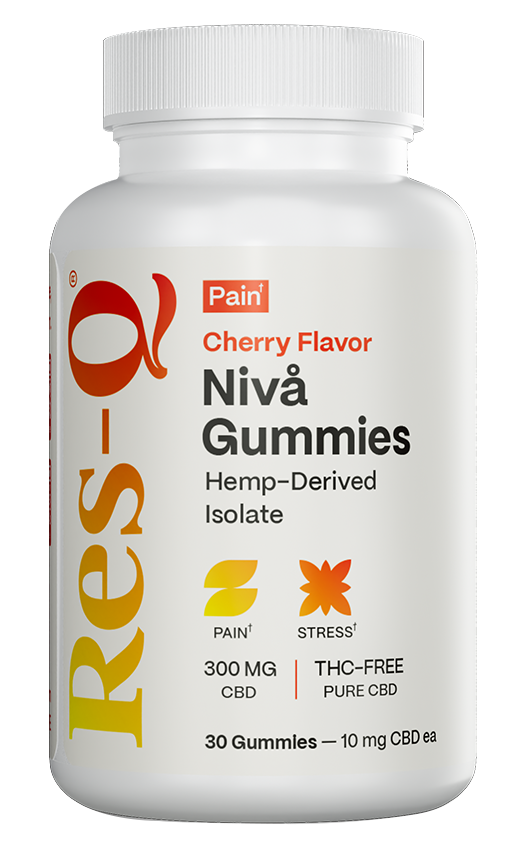
The CBD Your Body ACTUALLY ABSORBS
Most CBD passes right through you. This one doesn't — 440% better absorption, zero THC, made in the U.S.
See Why People Are SwitchingFrequently Asked Questions About CBD Oil on Amazon
Is the hemp oil on Amazon the same as CBD oil?
No. Hemp oil sold on Amazon is hemp seed oil. It does not contain cannabidiol. CBD oil is extracted from different parts of the hemp plant and contains active cannabinoids. They are nutritionally and functionally different products.
Why does Amazon allow products that look like CBD oil?
Amazon’s enforcement relies heavily on automated systems and seller self-reporting. Many sellers craft listings that imply CBD content without using the word “CBD” directly, which allows them to bypass initial automated checks. Amazon does remove these listings when flagged, but new ones appear regularly.
Can you buy CBD on Amazon using a different search term?
No. Regardless of what search term you use — “hemp extract,” “full spectrum hemp oil,” “cannabinoid oil” — the products available on Amazon will not contain CBD. The platform’s policy prohibits the ingredient itself, not just the term.
What happens if I buy “CBD oil” from Amazon and it doesn’t work?
It won’t work for CBD-related purposes because it doesn’t contain CBD. You can request a refund through Amazon’s standard return process. You can also report the listing as misleading, which may prompt Amazon to review and remove it.
Are there any exceptions where real CBD is sold on Amazon?
Not as of 2026. Amazon has not made exceptions for any CBD brand or product. Some sellers have temporarily slipped real CBD products onto the platform, but these listings are removed once detected. There is no authorized, ongoing sale of CBD on Amazon.
Where is the safest place to buy CBD oil online?
Directly from the brand’s website. Established CBD companies publish third-party lab results, provide detailed product information, and offer customer support specific to their formulations. This reduces the risk of receiving a mislabeled or contaminated product.
The Bottom Line on Buying CBD Oil on Amazon
The reality is straightforward. CBD oil on Amazon does not exist. What fills those search results is hemp seed oil dressed up in packaging that mimics real CBD products. The confusion is deliberate on the part of many sellers, and Amazon’s enforcement hasn’t kept up with the volume of misleading listings.
If you want actual CBD oil — the kind that contains cannabidiol and interacts with your endocannabinoid system — you need to buy it somewhere else. Go directly to a reputable brand’s website, visit a licensed dispensary, or purchase from a vetted specialty retailer. Look for third-party lab results. Check the ingredient list. Confirm the milligrams refer to cannabidiol, not just oil weight.
Read the rest of our articles and more useful info down below for deeper dives into CBD brands, dosing guides, product comparisons, and the latest regulatory updates that affect what you can and can’t buy online.