

What You Actually Need to Know About Delta 8 Gummies
Delta 8 gummies have become one of the most talked-about hemp products on the market. Not because of hype. Because they sit in this strange middle ground between CBD — which doesn’t get you high — and traditional delta 9 THC, which absolutely does. People want something in between. Something that takes the edge off without launching them into orbit. That’s the pitch, anyway. But there’s a lot more going on beneath the surface, and most articles skip the parts that actually matter.
This guide covers what delta 8 gummies are made of, how they interact with your body, how to dose them without overdoing it, and the side effects that nobody puts on the label. If you’re thinking about trying them — or you already have and want to understand what’s happening — this is the resource to read through.
Tired of guessing which CBD actually works?
Find What Works for Your Body
A less-than 60 second wellness match for adults exploring plant-based relief
What’s bothering you most right now?
Select the one that impacts your day the most
How long have you been dealing with this?
There's no wrong answer — this helps us tailor your match
How much does it affect your daily routine?
Be honest — this shapes your recommendation
What have you tried so far?
Knowing what hasn't worked helps us find what will
How familiar are you with CBD?
No judgment — everyone starts somewhere
What sounds easiest to add to your routine?
Think about what fits your lifestyle, not what sounds fancy
What matters most to you in a product?
Pick the one that would seal the deal for you
YOUR MATCH IS READY
We'll include your personalized match plus a first-timer's guide based on your answers.
Where should we send your recommendation?
🔒 No spam, ever. Your info is kept 100% secure.
If you'd rather not wait — based on your answers about your symptoms, we'd point you straight to our trusted partner.
Skip to My Match →What Exactly Are Delta 8 Gummies?
Delta 8 gummies are edible candies infused with delta 8 tetrahydrocannabinol, often shortened to delta 8 THC. Delta 8 THC is a naturally occurring cannabinoid found in hemp and cannabis plants. It exists in very small concentrations — usually less than 0.1% of the plant’s total cannabinoid content. That’s not enough to extract commercially. So most delta 8 on the market is converted from CBD through a chemical process called isomerization.
Here’s the simplified version. CBD is extracted from legal hemp. Then it’s put through an acid-catalyzed reaction that rearranges its molecular structure into delta 8 THC. The end product is a cannabinoid that shares a nearly identical chemical formula with delta 9 THC — the compound most people associate with marijuana — but the double bond sits on the eighth carbon chain instead of the ninth. That one-position shift changes how the molecule binds to receptors in your brain.
The result is a compound that produces psychoactive effects, but at a reduced intensity compared to delta 9. Researchers at the National Cancer Institute have described delta 8 THC as having roughly two-thirds the potency of delta 9 THC. Some users report it’s even milder than that. It depends on the person, the dose, and the quality of the product.
Why Gummies Specifically?
Gummies are the most popular delivery method for delta 8 THC for a few practical reasons. They offer pre-measured doses — usually between 10mg and 50mg per piece. That takes the guesswork out. You don’t need a vape pen. You don’t need to measure oil with a dropper. You eat one, wait, and see how it hits.
They’re also discreet. They look like regular candy. No smell. No equipment. That matters to adults who don’t want to deal with the social baggage that comes with smoking or vaping. The convenience factor is real. A sealed bag of delta 8 gummies fits in a pocket or a desk drawer without drawing attention.
How Delta 8 Gummies Affect Your Body
Delta 8 THC interacts with your endocannabinoid system, specifically the CB1 receptors concentrated in your central nervous system. When delta 8 molecules bind to these receptors, they trigger a cascade of effects — altered mood, reduced anxiety in some cases, mild euphoria, and changes in sensory perception. The binding affinity is lower than delta 9 THC, which is why the experience tends to be less intense.
A 2022 study published in the journal Cannabis and Cannabinoid Research surveyed 521 delta 8 THC users. The majority reported relaxation (71%), euphoria (68%), and pain relief (55%) as primary effects. Notably, fewer participants reported anxiety or paranoia compared to typical delta 9 THC use. About 74% of respondents said they did not experience anxiety — a common complaint with traditional THC products.
When you eat delta 8 gummies, the compound passes through your digestive system before entering your bloodstream. Your liver metabolizes it, converting delta 8 THC into 11-hydroxy-THC — the same metabolite produced by delta 9 edibles. This metabolite crosses the blood-brain barrier more efficiently than inhaled THC. That’s why edibles, including delta 8 gummies, tend to produce stronger and longer-lasting effects per milligram than vaping or smoking the same compound.
Onset Time
Most people feel the effects of delta 8 gummies within 30 to 90 minutes after eating them. The range is wide because it depends on individual factors. Your metabolism. Whether you’ve eaten recently. Your body weight. Your tolerance to cannabinoids in general.
Eating delta 8 gummies on an empty stomach typically produces faster onset — sometimes within 20 minutes. But it can also hit harder and fade faster. Taking them after a meal slows absorption but tends to produce a more gradual, sustained effect. There’s no universally “correct” approach. It comes down to personal preference and how your body processes edibles.
How Long Do Delta 8 Gummies Last
This is one of the most common questions people have, and the answer isn’t as simple as a single number. How long do delta 8 gummies last depends on dosage, your metabolism, your tolerance, and whether you’ve eaten anything else alongside them.
As a general range, the effects of delta 8 gummies last between 4 and 8 hours. Most people report peak effects occurring around the 2 to 3 hour mark, followed by a gradual decline. Some users — particularly those with slower metabolisms or higher body fat percentages — report feeling residual effects for up to 10 hours after a larger dose.
Here’s a rough breakdown based on dose:
10mg to 15mg (low dose): Effects tend to last 3 to 5 hours. Mild relaxation. Slight mood lift. Most beginners start here.
25mg to 30mg (moderate dose): Effects typically last 5 to 7 hours. Noticeable euphoria. Body relaxation. This is where most experienced users settle.
50mg or more (high dose): Effects can persist for 6 to 10 hours. Stronger psychoactive experience. Increased sedation. Not recommended for anyone without established tolerance.
One thing worth noting — delta 8 THC can be detected in standard drug tests. The 11-hydroxy-THC metabolite produced by your liver is structurally similar enough to delta 9 metabolites that most urine screenings will flag it. Depending on frequency of use, delta 8 can remain detectable in urine for 3 to 30 days after your last dose.
Finding the Right Dose
Dosing delta 8 gummies correctly is the difference between a pleasant experience and an uncomfortable one. The most common mistake people make is taking a second gummy because the first one “isn’t working.” Edibles take time. That 30 to 90 minute onset window is real, and impatience leads to overconsumption more often than anything else.
If you’ve never tried delta 8 gummies before, start with half a gummy or a single gummy at the lowest available milligram strength. Many brands sell gummies at 25mg per piece. Half of one — 12.5mg — is a reasonable starting point. Wait at least two full hours before deciding whether to take more.
Looking For Something Pure & Potent?
If your current CBD isn't full-spectrum and U.S.-sourced, you're wasting money
Check Out This Full-Spectrum, American Made CBDDosing by Experience Level
First-time users: 5mg to 15mg. This range lets you gauge your sensitivity without committing to a full psychoactive experience. Some people are naturally more sensitive to cannabinoids and will feel 10mg strongly. Others barely notice it.
Occasional users: 15mg to 30mg. If you’ve used delta 8 gummies a few times and understand how your body responds, this range typically produces the effects most people are after — relaxation, mild euphoria, reduced stress.
Regular users: 30mg to 50mg or more. Tolerance builds with consistent use. People who consume delta 8 daily often need higher doses to achieve the same effects they felt initially. Tolerance breaks — stopping use for 48 to 72 hours — can help reset sensitivity.
Body weight plays a role too. A person weighing 130 pounds will likely respond differently to 25mg than someone weighing 220 pounds. But weight isn’t the only factor. Endocannabinoid receptor density varies between individuals regardless of size. Some large people are very sensitive to cannabinoids. Some smaller people need higher doses. The only reliable method is starting low and adjusting from there.
Delta 8 Gummies Side Effects
No product is without drawbacks. Delta 8 gummies side effects are generally milder than those associated with delta 9 THC, but they exist and they matter — especially if you’re new to cannabinoids or you take too much.
Common Side Effects
Dry mouth: The most frequently reported side effect. Cannabinoids reduce saliva production by interacting with receptors in your salivary glands. Staying hydrated helps, but it won’t eliminate the sensation entirely.
Red or dry eyes: Delta 8 THC can lower blood pressure slightly, which causes blood vessels in the eyes to dilate. The result is redness that typically fades as the effects wear off. Eye drops designed for redness relief work well here.
Drowsiness: At higher doses, delta 8 gummies produce significant sedation. Many users actually seek this effect — they take delta 8 specifically as a sleep aid. But if you’re not expecting it, sudden drowsiness can interfere with your evening plans or make driving dangerous.
Increased appetite: Like delta 9 THC, delta 8 stimulates hunger. The mechanism involves CB1 receptor activation in the hypothalamus, which regulates appetite signaling. If you’re watching caloric intake, be aware that a strong craving for food is likely within 1 to 3 hours of consumption.
Less Common Side Effects
Anxiety or paranoia: While delta 8 is generally associated with lower anxiety rates than delta 9, it can still produce anxious feelings — particularly at higher doses or in individuals predisposed to anxiety disorders. The 2022 survey mentioned earlier found that roughly 26% of users experienced some form of anxiety. That’s not zero.
Elevated heart rate: Cannabinoids can temporarily increase heart rate by 20 to 50 beats per minute in some individuals. For most healthy adults, this isn’t dangerous. For people with cardiovascular conditions, it’s a legitimate concern worth discussing with a doctor.
Digestive discomfort: Some people report nausea or stomach upset after consuming delta 8 gummies. This can be related to the delta 8 itself, but it’s also sometimes caused by other ingredients in the gummy — artificial sweeteners, high sugar content, or additives that don’t agree with your system.
Coordination impairment: Delta 8 THC affects motor function. Reaction times slow down. Fine motor control decreases. This is measurable, not anecdotal. Do not drive or operate machinery after consuming delta 8 gummies. Full stop.
What Happens If You Take Too Much
Overconsumption of delta 8 gummies is uncomfortable but not medically dangerous in the way alcohol poisoning or opioid overdose can be. There are no documented fatal overdoses from delta 8 THC alone. That said, taking too much can produce intense anxiety, confusion, rapid heartbeat, nausea, and a general feeling of losing control. These symptoms typically resolve within 2 to 6 hours as the compound is metabolized.
If you’ve taken too much, find a calm environment. Lie down. Drink water. Eat something bland. Remind yourself that the discomfort is temporary. Black peppercorns — chewing 2 or 3 of them — contain the terpene beta-caryophyllene, which some research suggests can modulate the CB2 receptor and reduce THC-induced anxiety. It’s not a guaranteed fix, but it’s been reported anecdotally by thousands of cannabis users and has some preliminary scientific backing.
Delta 8 Gummies vs Delta 9 Gummies
People compare these two constantly, so here’s the actual breakdown.
Delta 8 and delta 9 THC share the same chemical formula: C₂₁H₃₀O₂. The molecular weight is identical. The difference is structural — that double bond position on the carbon chain. This small change reduces delta 8’s binding affinity with CB1 receptors, which directly translates to a less potent psychoactive effect.
In practical terms, most users describe delta 8 gummies as producing about 50% to 70% of the high they’d get from an equivalent dose of delta 9 gummies. The experience tends to be more clear-headed. Less foggy. Less likely to spiral into anxiety. Some people describe it as “THC with training wheels,” though that undersells what it actually is for experienced users who genuinely prefer the milder profile.
Delta 9 gummies are more widely regulated. In states where recreational cannabis is legal, delta 9 products go through testing protocols enforced by state cannabis agencies. Delta 8 products, because they’re hemp-derived, often fall outside these regulatory frameworks. That creates a quality control gap that buyers need to be aware of.
Are Delta 8 Gummies Legal?
The legal landscape around delta 8 gummies is messy and changes frequently. At the federal level, the 2018 Farm Bill legalized hemp and all hemp-derived cannabinoids, extracts, and derivatives — as long as the final product contains no more than 0.3% delta 9 THC by dry weight. Delta 8 THC technically falls under this umbrella because it’s derived from legal hemp CBD.
However, as of early 2026, at least 20 states have enacted laws that restrict, regulate, or outright ban delta 8 THC. These include Alaska, Colorado, Delaware, Idaho, Iowa, Montana, New York, Rhode Island, Vermont, and Utah, among others. Some states allow delta 8 but only through licensed dispensaries. Others have no restrictions at all.
The DEA has sent mixed signals. In 2023, they confirmed in a letter that synthetically derived tetrahydrocannabinols remain Schedule I controlled substances. The debate over whether isomerization from CBD constitutes “synthetic” production is ongoing. Court rulings have varied by jurisdiction.
Before purchasing delta 8 gummies, check your state’s current hemp and cannabinoid laws. Regulations shift. What was legal six months ago might not be legal today. Some states have pending legislation that could change the status of delta 8 within months.
What to Look for When Buying Delta 8 Gummies
The delta 8 market is flooded with products, and not all of them are safe. Because federal oversight is minimal, quality varies wildly between brands. Here are the non-negotiable things to check before you buy.
Third-Party Lab Testing
Every reputable delta 8 gummies brand publishes Certificates of Analysis (COAs) from independent laboratories. These reports verify the cannabinoid content, confirm the delta 9 THC level is below the legal threshold, and screen for contaminants — heavy metals, pesticides, residual solvents, and microbial impurities.
If a company doesn’t provide COAs, or if the COAs are outdated (more than 6 months old), don’t buy from them. This isn’t optional. The isomerization process that converts CBD to delta 8 can produce unwanted byproducts if done improperly. Lab testing is the only way to verify what’s actually in the gummy you’re about to eat.
Ingredient Transparency
Check the full ingredient list. Good delta 8 gummies use pectin-based formulas rather than gelatin, natural flavorings, and clearly labeled cannabinoid content per piece. Watch for products that list “hemp extract” without specifying exact milligrams of delta 8 THC. Vague labeling is a red flag.
Brand Reputation
Look for brands that have been operating for at least two years, have verifiable customer reviews across multiple platforms, and maintain active customer service channels. New brands pop up constantly in this space, and some of them disappear just as fast — sometimes after selling products that tested poorly or didn’t contain the advertised amount of delta 8.
Extraction and Manufacturing Standards
Brands that manufacture in GMP-compliant (Good Manufacturing Practices) facilities are worth prioritizing. GMP compliance means the production environment meets food-grade safety standards. It’s not a legal requirement for hemp products in most states, but it indicates the company takes quality seriously.
Who Should Avoid Delta 8 Gummies
Delta 8 gummies are not appropriate for everyone. Certain groups should avoid them entirely or consult with a healthcare provider first.
Pregnant or nursing individuals: There is insufficient research on the effects of delta 8 THC on fetal development or breast milk composition. The American College of Obstetricians and Gynecologists advises against using any cannabis products during pregnancy or lactation.
People on certain medications: Delta 8 THC is metabolized by the CYP3A4 enzyme in the liver. Drugs that also use this enzyme pathway — including some blood thinners, anti-seizure medications, and immunosuppressants — may interact unpredictably with delta 8. If you take prescription medication, ask your doctor before using delta 8 gummies.
Individuals with heart conditions: The temporary increase in heart rate caused by delta 8 THC is relevant if you have arrhythmia, hypertension, or other cardiovascular issues.
Anyone under 21: While the federal minimum age for hemp-derived products is technically 18 in many jurisdictions, most responsible brands set their purchase age at 21. The developing brain is more susceptible to the effects of psychoactive cannabinoids, and research on long-term outcomes is limited.
People subject to drug testing: As mentioned earlier, delta 8 THC will cause a positive result on most standard drug screenings. If your employment, probation, or athletic eligibility depends on passing a drug test, delta 8 gummies are a risk you cannot afford to take.
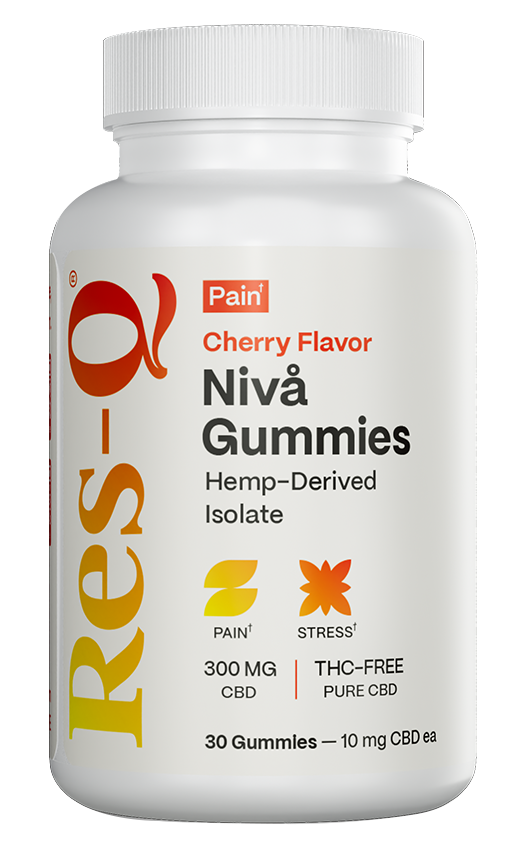
The CBD Your Body ACTUALLY ABSORBS
Most CBD passes right through you. This one doesn't — 440% better absorption, zero THC, made in the U.S.
See Why People Are SwitchingFrequently Asked Questions About Delta 8 Gummies
Will delta 8 gummies get me high?
Yes. Delta 8 THC is psychoactive. The effects are milder than delta 9 THC, but you will feel a noticeable change in perception, mood, and potentially coordination. It’s not comparable to CBD, which is non-intoxicating.
How many delta 8 gummies should I take?
Start with one gummy at the lowest available dose, typically 10mg to 25mg. Wait at least 90 minutes before considering a second dose. First-time users should begin with half a gummy to assess their tolerance.
Can I fly with delta 8 gummies?
Technically, hemp-derived products with less than 0.3% delta 9 THC are federally legal. TSA’s official policy states they are not specifically searching for marijuana or cannabis-infused products, but if discovered during a security screening, they defer to local law enforcement. Some states and airports enforce stricter rules. Carrying delta 8 gummies across state lines involves legal risk because state laws differ.
Do delta 8 gummies expire?
Yes. Most delta 8 gummies have a shelf life of 12 to 18 months from the manufacturing date. After that, the cannabinoid potency degrades and the gummy itself may change in texture or flavor. Store them in a cool, dark place away from direct sunlight to maximize shelf life.
Are delta 8 gummies safe?
When purchased from reputable brands that provide third-party lab testing, delta 8 gummies are considered safe for healthy adults. The risks increase with unregulated products that may contain contaminants, inaccurate labeling, or unsafe levels of residual solvents from the isomerization process. Quality of the product matters enormously.
Can I take delta 8 gummies for sleep?
Many users report using delta 8 gummies as a sleep aid. Higher doses tend to produce sedation that can help with falling asleep. A 2023 survey by Brightfield Group found that 43% of delta 8 consumers used the product specifically for sleep-related purposes. It’s worth noting this is self-reported data, not clinical evidence of efficacy as a sleep treatment.
The Bottom Line on Delta 8 Gummies
Delta 8 gummies occupy a unique space in the cannabinoid market. They offer a middle ground that appeals to people who find CBD too subtle and delta 9 THC too intense. The effects are real, measurable, and backed by a growing body of user-reported data and preliminary research. But the lack of consistent federal regulation means the quality gap between the best and worst products on the market is enormous.
Do your homework. Buy from brands that test their products through accredited independent labs. Start with a low dose and give your body time to respond before taking more. Understand the delta 8 gummies side effects — both common and uncommon — so nothing catches you off guard. Know how long delta 8 gummies last at different dose ranges so you can plan accordingly. And check your state laws before ordering anything online.
Read the rest of our articles and more useful info down below for additional guides on cannabinoid products, dosing strategies, and the latest updates on hemp-derived product regulations.