

What Are Phytocannabinoids, and Why Should You Care?
Phytocannabinoids are chemical compounds produced naturally by the cannabis plant. There are over 100 of them identified so far. CBD is one. THC is another. But most people stop there, and that’s a problem. Because the full picture of phytocannabinoid effects on the human body is far more layered than any single compound can explain.
If you’ve ever Googled “what are phytocannabinoids” and walked away more confused than when you started, this article is built for you. We’re going to break down what these compounds actually do, how they differ from each other, what the research says as of 2026, and where common misunderstandings trip people up.
No filler. No vague promises. Just the information laid out clearly so you can make your own decisions.
Tired of guessing which CBD actually works?
Find What Works for Your Body
A less-than 60 second wellness match for adults exploring plant-based relief
What’s bothering you most right now?
Select the one that impacts your day the most
How long have you been dealing with this?
There's no wrong answer — this helps us tailor your match
How much does it affect your daily routine?
Be honest — this shapes your recommendation
What have you tried so far?
Knowing what hasn't worked helps us find what will
How familiar are you with CBD?
No judgment — everyone starts somewhere
What sounds easiest to add to your routine?
Think about what fits your lifestyle, not what sounds fancy
What matters most to you in a product?
Pick the one that would seal the deal for you
YOUR MATCH IS READY
We'll include your personalized match plus a first-timer's guide based on your answers.
Where should we send your recommendation?
🔒 No spam, ever. Your info is kept 100% secure.
If you'd rather not wait — based on your answers about your symptoms, we'd point you straight to our trusted partner.
Skip to My Match →Phytocannabinoids Defined in Plain Language
The word itself tells you most of what you need. “Phyto” means plant. “Cannabinoid” refers to a class of compounds that interact with the endocannabinoid system in your body. So phytocannabinoids are plant-derived cannabinoids. That’s it.
Your body actually makes its own cannabinoids too. Those are called endocannabinoids. Anandamide is one example. 2-AG is another. The difference is origin. Phytocannabinoids come from plants — primarily Cannabis sativa — and endocannabinoids are manufactured internally by your own cells.
There are also synthetic cannabinoids made in labs. Those carry a completely different risk profile and shouldn’t be confused with the plant-derived versions. When we talk about phytocannabinoids here, we’re talking strictly about compounds that exist in the actual plant material.
The Major Phytocannabinoids You Should Know
Over 100 phytocannabinoids have been isolated from cannabis. But research has focused heavily on a handful:
THC (delta-9-tetrahydrocannabinol) — The one responsible for the psychoactive high. It binds directly to CB1 receptors in your brain. It’s also the most legally restricted in most jurisdictions.
CBD (cannabidiol) — Non-intoxicating. Doesn’t bind strongly to CB1 or CB2 receptors. Instead, it modulates receptor activity indirectly and interacts with serotonin receptors, TRPV1 ion channels, and other targets. The FDA approved a CBD-based drug called Epidiolex for certain types of epilepsy back in 2018.
CBG (cannabigerol) — Often called the “parent cannabinoid” because CBGA (its acidic form) is the precursor molecule from which THC and CBD are eventually synthesized by the plant. CBG research is still early-stage, but animal studies suggest potential anti-inflammatory and neuroprotective properties.
CBN (cannabinol) — Forms when THC degrades over time through oxidation. It’s mildly psychoactive. Marketed heavily as a sleep aid, though the clinical evidence for that specific claim remains thin as of 2026.
CBC (cannabichromene) — The third most abundant cannabinoid in many cannabis strains. It doesn’t bind well to CB1 receptors but does interact with TRPV1 and TRPA1 receptors, which are involved in pain signaling.
THCV (tetrahydrocannabivarin) — Structurally similar to THC but behaves differently depending on dose. At low doses, it may actually block CB1 receptors. At higher doses, it activates them. Early research has explored its effects on appetite regulation and blood sugar management.
Phytocannabinoids vs CBD: Understanding the Difference
This is one of the most common points of confusion. People search “phytocannabinoids vs CBD” expecting them to be two separate things competing against each other. They’re not. CBD is a phytocannabinoid. It’s one member of a much larger family.
Think of it this way. Saying “phytocannabinoids vs CBD” is a bit like saying “fruit vs apples.” Apples are fruit. CBD is a phytocannabinoid. The category contains the specific item.
So why does this confusion exist? Mostly marketing. Companies selling CBD isolate products sometimes use the term “phytocannabinoid-rich” or “full-spectrum phytocannabinoids” on their labels. That language implies you’re getting the full range of compounds from the plant — not just CBD alone. And that distinction actually matters because of something called the entourage effect.
The Entourage Effect and Why It Matters
In 1998, researchers Raphael Mechoulam and Shimon Ben-Shabat proposed that cannabinoids work better together than in isolation. This concept became known as the entourage effect. The idea is that phytocannabinoids, terpenes, and flavonoids in the cannabis plant interact synergistically.
A 2011 review published in the British Journal of Pharmacology supported this concept, showing that terpenes like myrcene and limonene could modulate the effects of THC and CBD. A more recent 2024 study from the University of Sydney further demonstrated that minor phytocannabinoids altered the binding profiles of major cannabinoids at receptor sites.
This doesn’t mean isolates are useless. Epidiolex is pure CBD isolate and it works for its approved indications. But it does mean that if you’re taking a phytocannabinoid product and wondering whether full-spectrum or isolate is better, the answer depends on what you’re trying to achieve and how your body responds.
How Phytocannabinoid Effects Work in Your Body
To understand phytocannabinoid effects, you need a basic grasp of the endocannabinoid system (ECS). Every mammal has one. It was discovered in the early 1990s by researchers studying how THC interacts with the brain.
The ECS has three main components:
Receptors — CB1 receptors are concentrated in the central nervous system. CB2 receptors are found mostly in immune cells and peripheral tissues. There are other receptor targets too, like GPR55 and PPARs, but CB1 and CB2 are the primary ones discussed in cannabinoid research.
Endocannabinoids — Your body’s own cannabinoids. Anandamide and 2-AG are the two most studied. They’re produced on demand, not stored.
Enzymes — FAAH breaks down anandamide. MAGL breaks down 2-AG. These enzymes ensure endocannabinoid signaling doesn’t run indefinitely.
Phytocannabinoids interact with this system in varied ways. THC mimics anandamide and slots into CB1 receptors directly. CBD inhibits FAAH, which means anandamide sticks around longer. CBG has partial agonist activity at both CB1 and CB2 receptors. Each phytocannabinoid has a distinct mechanism of action, and many of them act on multiple molecular targets simultaneously.
Looking For Something Pure & Potent?
If your current CBD isn't full-spectrum and U.S.-sourced, you're wasting money
Check Out This Full-Spectrum, American Made CBDPhytocannabinoid Effects on Pain Signaling
One of the most researched areas. A 2018 review in the Journal of Headache and Pain analyzed data from multiple clinical trials and found that cannabinoid-based treatments reduced chronic pain scores by an average of 30% compared to placebo in several study populations.
The mechanism involves more than just CB1 activation. CBD’s interaction with TRPV1 vanilloid receptors plays a role in modulating how your body perceives pain. CBC does something similar through TRPA1 channels. And THC’s effect on CB1 receptors in the spinal cord and brainstem directly dampens ascending pain signals.
A practical example: Dr. Ethan Russo, a neurologist and one of the leading clinical researchers in cannabinoid science, has documented case studies where patients with fibromyalgia showed meaningful symptom improvement when using full-spectrum phytocannabinoid preparations compared to isolated THC or CBD alone. His work has been instrumental in pushing the entourage effect from theory toward clinical application.
Effects on Mood and Stress Response
CBD at doses between 300 mg and 600 mg has shown anxiolytic effects in controlled human studies. A 2019 randomized trial published in the Brazilian Journal of Psychiatry gave 300 mg CBD to participants before a simulated public speaking test. Their anxiety scores dropped significantly compared to placebo.
THC, on the other hand, has a biphasic relationship with anxiety. Low doses tend to reduce it. Higher doses can increase it. This is consistent across multiple studies and is something that gets glossed over in marketing materials constantly.
CBG has shown antidepressant-like effects in rodent models, acting on both serotonin and adrenergic receptors. Human trials are limited, but the preclinical data is enough to explain why CBG products are gaining popularity for mood support.
Common Mistakes People Make With Phytocannabinoids
After spending years reading about this space and talking to people who use these products, certain patterns show up again and again.
Mistake One: Treating All Phytocannabinoids the Same
People buy a product labeled “phytocannabinoid-rich” and assume they know what’s in it. They don’t. The ratio of THC to CBD to CBG to CBC varies wildly depending on the strain, extraction method, and whether the product is full-spectrum, broad-spectrum, or isolate-based. A full-spectrum hemp extract might contain 15 mg CBD, 0.2 mg THC, 1 mg CBG, and trace amounts of CBC and CBN per serving. A different product with the same label might have a completely different profile.
Always check the certificate of analysis (COA). If a company doesn’t provide one from a third-party lab, skip the product entirely.
Mistake Two: Ignoring Drug Interactions
CBD inhibits cytochrome P450 enzymes, specifically CYP3A4 and CYP2C19. These enzymes metabolize a huge number of prescription drugs — blood thinners like warfarin, certain anti-epileptics, benzodiazepines, and some antidepressants. If you’re taking any of these and you add CBD without telling your doctor, you could end up with dangerously elevated drug levels in your blood.
This isn’t theoretical. There are documented clinical cases of warfarin INR levels spiking after patients started CBD oil. That can cause uncontrolled bleeding.
Mistake Three: Expecting Immediate Results
Phytocannabinoids aren’t ibuprofen. The ECS takes time to modulate. Many users report that consistent daily use over two to four weeks produces noticeably different results than sporadic dosing. This is especially true for CBD, where steady-state blood levels matter for sustained effects.
A friend of mine tried CBD oil for about three days, felt nothing, and declared it didn’t work. Two months later, at my suggestion, she tried again — same product, same dose — but stuck with it for three weeks. Completely different outcome. She noticed real changes in her sleep quality and overall tension levels. Consistency was the variable.
Phytocannabinoids Beyond Cannabis
Here’s something that surprises a lot of people. Cannabis isn’t the only plant that produces phytocannabinoids or compounds that interact with the endocannabinoid system.
Echinacea — Contains N-alkylamides that bind to CB2 receptors. This may partially explain its traditional use for immune support.
Black pepper — Contains beta-caryophyllene, a terpene that acts as a full agonist at CB2 receptors. It’s technically classified as a dietary cannabinoid by some researchers.
Liverwort (Radula marginata) — Contains perrottetinene, a compound structurally similar to THC that binds CB1 receptors with moderate affinity. A 2018 study from the University of Bern confirmed its psychoactive potential in animal models.
Kava — Yangonin, one of its active compounds, has shown affinity for CB1 receptors in binding studies.
None of these plants produce cannabinoids at concentrations anywhere close to cannabis. But their existence demonstrates that the endocannabinoid system is a fundamental regulatory network that multiple plant species have evolved to interact with.
Legal Status of Phytocannabinoids in 2026
This is where things get complicated and where people make expensive mistakes.
In the United States, the 2018 Farm Bill legalized hemp-derived phytocannabinoids as long as the plant material contains less than 0.3% THC by dry weight. That’s federal law. But state laws vary enormously. Some states restrict or ban specific cannabinoids like delta-8 THC, THCO, or HHC. Others have embraced broad legalization.
The FDA has not approved phytocannabinoid supplements as a category. Epidiolex remains the only FDA-approved cannabinoid drug. The FTC has issued warning letters to companies making unsubstantiated health claims on their phytocannabinoid products. Over 50 such letters were sent between 2023 and 2025.
In Europe, Novel Food regulations require any CBD product sold as a food supplement to receive authorization. The UK’s Food Standards Agency set a deadline for validated novel food applications and has been pulling non-compliant products from shelves.
Canada legalized adult-use cannabis federally in 2018, so phytocannabinoids in both hemp and marijuana-derived products are regulated under a unified system. Australia allows CBD at low doses (150 mg/day or less) as an over-the-counter product through its TGA classification system, which was updated in 2021.
If you’re buying phytocannabinoid products, know your local laws. “It’s just hemp” is not a legal defense in jurisdictions that regulate specific cannabinoid compounds.
How to Choose a Quality Phytocannabinoid Product
The market is flooded. As of early 2026, the global CBD market alone is estimated at over $7 billion, and that doesn’t account for products featuring CBG, CBN, or minor cannabinoids. Quality varies from excellent to genuinely dangerous.
What to Look For
Third-party COAs — Non-negotiable. The certificate should show cannabinoid potency, heavy metals (arsenic, cadmium, lead, mercury), pesticide residue, and microbial contamination testing. It should be from an ISO 17025 accredited lab.
Extraction method — CO2 extraction is the industry standard for clean, solvent-free products. Ethanol extraction is also acceptable. Butane or propane extraction can leave residual solvents if not properly purged.
Clear labeling — The product should state exactly how many milligrams of each phytocannabinoid are in each serving. “Proprietary blend” language without specific amounts is a red flag.
Source material — Hemp grown in the US under state agricultural programs must comply with testing standards. Imported hemp from unregulated markets carries higher contamination risk.
What to Avoid
Products making disease claims. Any phytocannabinoid supplement that says it “cures” or “treats” a specific condition is violating FDA regulations and likely cutting other corners too. Products without batch-specific COAs. A COA from two years ago doesn’t tell you anything about what’s in the bottle you’re holding now. Unrealistically cheap products. If a full-spectrum CBD tincture is $10 for 1,000 mg, the math doesn’t work. Quality extraction and testing costs money.
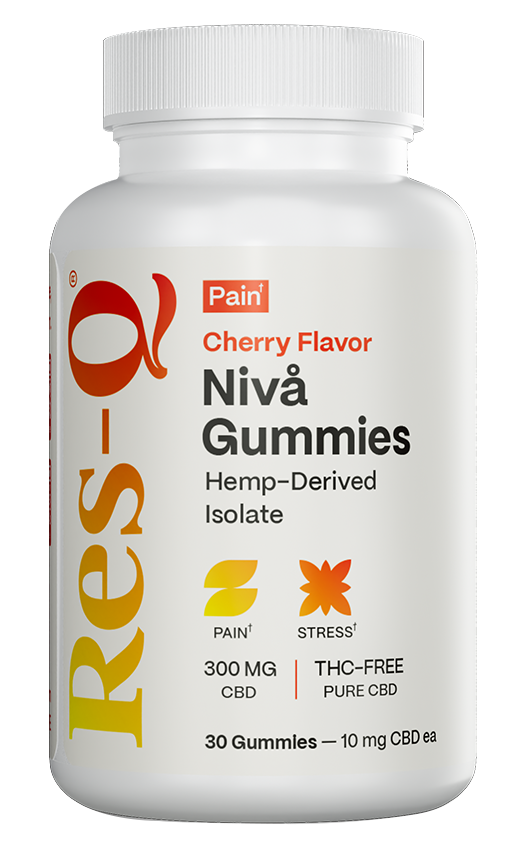
The CBD Your Body ACTUALLY ABSORBS
Most CBD passes right through you. This one doesn't — 440% better absorption, zero THC, made in the U.S.
See Why People Are SwitchingThe Research Frontier for Phytocannabinoids
Clinical research has accelerated considerably since cannabis legalization spread across multiple countries. Some areas generating the most interest in 2026:
Neuroinflammation — Multiple phytocannabinoids show potential for reducing neuroinflammatory markers associated with conditions like multiple sclerosis and traumatic brain injury. A Phase II clinical trial at King’s College London is currently evaluating a CBG/CBD combination for MS-related inflammation.
Antibiotic resistance — A 2020 study from McMaster University found that CBG was effective against methicillin-resistant Staphylococcus aureus (MRSA) in mouse models. Follow-up studies are exploring mechanisms and potential combination therapies with existing antibiotics.
Metabolic health — THCV’s effects on glucose metabolism and appetite continue to attract pharmaceutical interest. GW Pharmaceuticals (now Jazz Pharmaceuticals) has explored THCV in clinical settings for type 2 diabetes.
Cancer research — Preclinical studies show certain phytocannabinoids can induce apoptosis in specific cancer cell lines. This does not mean cannabis cures cancer. It means there are molecular mechanisms worth investigating further in controlled research settings. The gap between petri dish results and clinical application remains enormous.
Frequently Asked Questions About Phytocannabinoids
What are phytocannabinoids in simple terms?
Phytocannabinoids are naturally occurring chemical compounds found in the cannabis plant. They interact with the endocannabinoid system in your body, which regulates functions like pain perception, mood, sleep, and immune response. CBD and THC are the two most well-known examples, but over 100 different phytocannabinoids have been identified.
Are phytocannabinoids the same as CBD?
No. CBD is one specific phytocannabinoid. The term phytocannabinoids refers to the entire class of plant-derived cannabinoids, which includes THC, CBG, CBN, CBC, THCV, and many others. When comparing phytocannabinoids vs CBD, understand that CBD is a subset of the larger category.
Do phytocannabinoids get you high?
Most don’t. THC is the primary phytocannabinoid responsible for psychoactive effects. CBD, CBG, CBC, and most others are non-intoxicating. CBN has very mild psychoactive properties. THCV can be psychoactive at high doses but may actually counteract THC at low doses.
Are phytocannabinoids legal?
In the US, phytocannabinoids derived from hemp containing less than 0.3% THC are federally legal under the 2018 Farm Bill. However, state laws vary significantly. Some states restrict certain cannabinoids. Always verify your local regulations before purchasing.
What are the most researched phytocannabinoid effects?
The most studied phytocannabinoid effects include pain modulation, anti-inflammatory activity, anxiety reduction, seizure reduction, and nausea control. CBD and THC have the most clinical data. Research into minor phytocannabinoids like CBG and THCV is expanding rapidly.
Can you take phytocannabinoids with prescription medication?
Some phytocannabinoids, especially CBD, inhibit liver enzymes that metabolize many prescription drugs. This can cause drug levels to rise or fall unpredictably. Always consult a healthcare provider before combining phytocannabinoid products with prescription medication.
Where to Go From Here
Phytocannabinoids represent one of the most active areas of botanical and pharmaceutical research happening right now. The science has moved well beyond “does cannabis do anything” and into specific mechanisms, dosing protocols, and compound-specific investigations. Whether you’re interested in pain management, mood support, sleep quality, or just understanding what’s actually in the products lining dispensary shelves, the foundation starts with knowing what these compounds are and how they interact with your biology.
Take a few minutes to look up the phytocannabinoids definition and compare it against what’s listed on any product you currently use or plan to buy. Check the COA. Understand the cannabinoid profile. Know what you’re putting into your body and why. That baseline knowledge is worth more than any marketing claim on a label.
The endocannabinoid system isn’t going anywhere, and neither is the research into the plant compounds that interact with it. Staying informed puts you ahead of most consumers and most of the noise in this space.