

Male
Understanding Male Health: Foundations That Actually Matter
Male health isn’t just about fitness or supplements — it’s the combination of physical performance, hormonal balance, mental well-being, and preventive care. Men often ignore subtle health issues until they become real problems. Optimizing male health means knowing how your body works, recognizing early signs of decline, and actively supporting strength, vitality, and longevity.
Why Male Health Demands Attention
The last few decades have seen a drop in testosterone levels, rising stress rates, and increased lifestyle-related diseases among men. Cardiovascular problems, weight gain, and low energy have become common even among men under 40. Male health isn’t only about lifespan — it’s about “healthspan,” the quality of those years. A well-rounded health plan should cover hormone function, muscle preservation, mental resilience, and sexual health.
Testosterone and Hormonal Balance
Testosterone governs more than just muscle growth. It regulates mood, bone density, libido, and cognitive sharpness. A decline in testosterone can lead to fatigue, low motivation, and even anxiety. Resistance training, adequate sleep, and reducing visceral fat can support natural testosterone production. Certain micronutrients — zinc, magnesium, and vitamin D — also play a crucial role. Ignoring hormonal health is one of the fastest ways men sabotage long-term energy and focus.
Nutrition for Optimal Male Health
What a man eats directly defines his hormonal profile and energy levels. Protein supports muscle synthesis, while healthy fats feed testosterone production. Carbohydrates matter too — not the refined kind, but those rich in fiber that stabilize insulin. Eating clean doesn’t mean eating bland; it means creating meals that fuel performance and recovery. Omega-3s, cruciferous vegetables, and lean meats form the backbone of male health optimization through nutrition.
Mental Health: The Invisible Factor
Men tend to mask anxiety and emotional fatigue until burnout happens. But emotional stability is a physiological factor; cortisol and testosterone are chemically connected. High stress suppresses the latter. Regular meditation, structured rest, and physical activity improve cognitive sharpness and emotional balance. Good male health is incomplete without mental clarity — because mental resilience is a performance multiplier, not a side note.
Cardiovascular Strength and Endurance
The heart is often overlooked until a problem arises. Aerobic training — even simple 30-minute walks — improves circulation and oxygen delivery. A healthy cardiovascular system supports sexual function, stamina, and immunity. Checking blood pressure regularly and including HIIT or resistance circuits helps strengthen the heart and vascular health simultaneously.
Sexual Health and Performance
Sexual health mirrors overall vitality. Decreased libido or erectile difficulties can stem from poor sleep, excess alcohol, or chronic stress — not just aging. Improving circulation, optimizing hormones, and ensuring nutrient sufficiency can restore vitality. Men should view sexual wellness as a diagnostic feedback loop: it reflects how well the entire system is functioning.
Sleep and Recovery: The Forgotten Pillars
Deep sleep triggers anabolic hormone release and cognitive repair. Men who cut sleep for productivity end up paying with lower testosterone and weaker muscle recovery. Aim for 7–8 hours of dark, uninterrupted sleep. Caffeine timing, blue light exposure, and heavy evening meals alter REM cycles and lower overall male health quality. Recovery is where the real improvements occur — not during the workout itself.
Exercise That Builds Sustainable Strength
Strength training isn’t just about aesthetics; it’s metabolic insurance. Squats, deadlifts, and presses stimulate the biggest hormonal response, preserving lean mass and bone density. Pairing strength with mobility training prevents injuries and keeps joints functional long-term. A minimal but consistent workout plan built around compound movements pays higher dividends than endless cardio or quick-fix routines.
Supplements That Actually Support Male Health
Whole foods should always come first, but strategic supplementation helps fill gaps. Vitamin D for hormonal balance, magnesium for sleep and muscle function, omega-3s for heart and brain, and a quality multivitamin as a foundational backup. Ashwagandha and tongkat ali show promising effects on testosterone and stress reduction, but dosage and purity matter. Male health isn’t improved by chasing trends — it’s improved by systemizing the essentials.
The Gut Connection
The gut affects everything — mood, immunity, hormones. Poor gut health elevates inflammation and disrupts testosterone conversion. Probiotic foods like kefir, sauerkraut, and Greek yogurt help maintain microbial diversity. Avoid chronic overeating, alcohol abuse, and processed fats; they damage the intestinal barrier and invite metabolic dysfunction. A healthy gut often precedes visible physical improvements.
Preventive Health: Early Detection Saves Decades
Ignoring preventive checkups is a subtle form of self-sabotage. Regular blood work, blood pressure checks, and prostate exams can detect silent issues before symptoms hit. Men often prioritize performance over prevention, but prevention is the ultimate form of performance longevity. When caught early, nearly all male-specific health problems have manageable outcomes.
Lifestyle Choices That Reinforce Longevity
Small changes — quitting smoking, moderating alcohol, improving sleep hygiene — compound into measurable gains. Sunlight exposure boosts vitamin D. Movement throughout the workday keeps metabolic rate higher. Social connection and purpose lower mortality risk more than most realize. Male health optimization is not about hacks; it’s about cumulative habits practiced consistently.
Common Mistakes That Undermine Male Health
Skipping breakfast and relying on stimulants. Ignoring hydration. Training hard but sleeping poorly. Assuming fatigue is “normal” for age. These habits quietly erode male vitality. The solution isn’t complexity — it’s returning to fundamentals: eat real food, move often, lift heavy, manage stress, and rest deeply. Results follow structure, not novelty.
Rebuilding Health After Burnout
Many men hit a wall in their 30s or 40s — drained energy, declining libido, fuzzy thinking. Rebuilding starts with recovery, not more pushing. Reduce inflammation, reset sleep, reintroduce steady exercise, and rebuild hormonal stability through nutrition and rest. Once balance is restored, strength, motivation, and clarity return naturally.
How to Start Improving Male Health Today
Begin with one area — sleep, diet, or exercise — and master it. Track simple metrics: energy levels, weight, muscle mass, libido, focus. When these markers improve, the underlying biology is following. Male health is self-sustaining when the habits behind it become automatic, not forced. The earlier you start, the easier it is to maintain momentum into later decades.
Conclusion
Male health is a lifelong commitment, not a phase. It’s about sustaining strength, balance, and clarity as you age — not fighting decline. Whether adjusting nutrition, restoring hormones, or improving mental resilience, every step compounds into real progress. Invest time in understanding your biology, build habits around data, and take responsibility for your health trajectory.
Want structured insights and real reviews on supplements, nutrition, and performance strategies? Explore the full set of articles under the Male Health category on our blog today — everything you need to start optimizing your health, step by step.
Endopeak Review
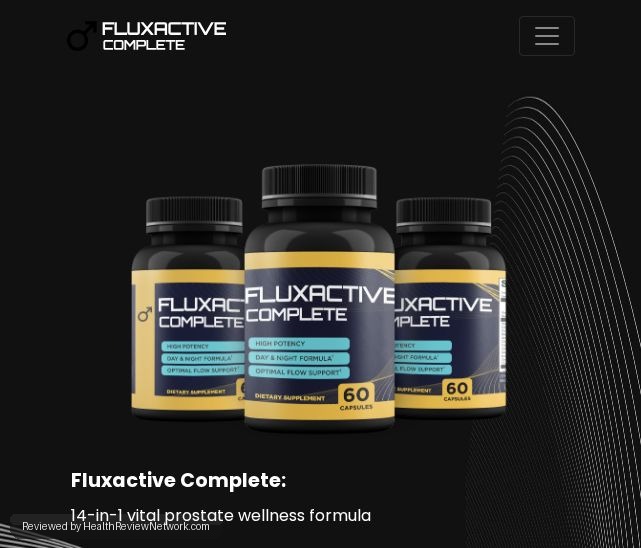
Fluxactive Complete Review

ProstaVive Review
Soulmate Story Review 2025: Real Results From This Psychic Sketch Service Bottom line: Soulmate Story is a digital service that creates personalized sketches of your potential soulmate based on astrological insights and your personal information. After testing this...