

What You Need to Know About Pure CBD Oil Before You Spend a Dollar
Pure CBD oil is one of the most searched wellness products on the market right now. And for good reason. People want something clean. Something that does what it says on the label. But here’s the problem — the term “pure” gets thrown around by almost every brand selling CBD. Not all of them mean the same thing when they say it. Some of them don’t mean anything at all.
This article breaks down what pure CBD oil actually is, what makes it different from other CBD products, how it’s made, and what to look for when you’re ready to buy. No vague promises. No filler. Just the information you need to make a decision that doesn’t waste your money.
Tired of guessing which CBD actually works?
Find What Works for Your Body
A less-than 60 second wellness match for adults exploring plant-based relief
What’s bothering you most right now?
Select the one that impacts your day the most
How long have you been dealing with this?
There's no wrong answer — this helps us tailor your match
How much does it affect your daily routine?
Be honest — this shapes your recommendation
What have you tried so far?
Knowing what hasn't worked helps us find what will
How familiar are you with CBD?
No judgment — everyone starts somewhere
What sounds easiest to add to your routine?
Think about what fits your lifestyle, not what sounds fancy
What matters most to you in a product?
Pick the one that would seal the deal for you
YOUR MATCH IS READY
We'll include your personalized match plus a first-timer's guide based on your answers.
Where should we send your recommendation?
🔒 No spam, ever. Your info is kept 100% secure.
If you'd rather not wait — based on your answers about your symptoms, we'd point you straight to our trusted partner.
Skip to My Match →What Is Pure CBD Oil, Exactly?
CBD stands for cannabidiol. It’s one of over 100 cannabinoids found in the Cannabis sativa plant. When people say “pure CBD oil,” they typically mean a product that contains CBD isolate — cannabidiol that has been separated from every other compound in the hemp plant. That means no THC. No other cannabinoids. No terpenes. Just CBD in a carrier oil.
The distinction matters. A lot of products on the market contain full-spectrum or broad-spectrum hemp extract, which includes additional plant compounds. Those aren’t bad products. They’re just not pure CBD in the strictest sense of the word.
Pure CBD isolate, when tested properly, comes in at 99% or higher cannabidiol content. The remaining fraction is typically trace amounts of plant wax or the carrier oil itself. That’s the benchmark. If a product claims to be pure cbd and doesn’t hit that number on a third-party lab report, something is off.
How Pure CBD Oil Gets Made
The journey from hemp plant to a bottle of pure CBD oil involves several steps. Each one affects the final product’s quality. Understanding the process helps you evaluate what you’re buying.
CO2 Extraction
Supercritical CO2 extraction is widely considered the gold standard. It uses pressurized carbon dioxide to pull cannabinoids from hemp biomass. The equipment is expensive — a commercial-grade CO2 extraction system runs between $100,000 and $500,000 depending on capacity. That cost gets passed along, but it also means a cleaner end product. No residual solvents. No chemical taste.
After extraction, the crude oil goes through a process called winterization. This removes fats, lipids, and waxes. Then it goes through short-path distillation to further concentrate the CBD. Finally, to get a true isolate, the distillate goes through a crystallization process where CBD molecules are separated from everything else.
Ethanol Extraction
Some manufacturers use food-grade ethanol instead of CO2. It’s cheaper and faster. The downside is that ethanol can pull chlorophyll and other unwanted compounds from the plant material. Those have to be removed in post-processing. When done correctly, ethanol extraction can produce high-quality isolate. When done poorly, you get a product that tastes like lawn clippings and has inconsistent potency.
A 2022 study published in the Journal of Cannabis Research compared extraction methods across 12 commercial producers. CO2-extracted isolates showed an average purity of 99.3%. Ethanol-extracted isolates averaged 97.8%. Both are usable, but the gap exists.
Chromatography and Final Purification
After extraction and distillation, many producers run their product through preparative chromatography. This step uses silica gel or other media to isolate CBD from remaining cannabinoids like CBG, CBN, or trace THC. It’s the step that gets you from 85-90% purity to that 99%+ mark. Without it, calling a product “pure” is generous at best.
Why Purity Actually Matters
There are practical reasons people choose pure CBD oil over other formulations. It’s not just marketing preference.
Drug testing is one of the biggest. Full-spectrum CBD products legally contain up to 0.3% THC by dry weight. That sounds like nothing. But a person taking 100mg of full-spectrum CBD oil daily could accumulate enough THC metabolites to trigger a positive result on an immunoassay drug screen. The cutoff for most workplace urine tests is 50 ng/mL of THC-COOH. It doesn’t take much to get there.
A 2020 case study from Johns Hopkins documented a patient who tested positive after three weeks of daily full-spectrum CBD use at 60mg per day. He was a truck driver. He lost his CDL for six months.
Pure CBD isolate eliminates that risk. Zero THC means zero metabolites. For people in jobs that require regular screening — trucking, healthcare, military, law enforcement — pure cbd oil is the only reasonable option.
Sensitivity is another factor. Some people react to terpenes or minor cannabinoids. They get headaches. Stomach issues. Skin irritation when using topicals. Isolate removes those variables entirely. You’re working with one compound. If it helps, you know what’s helping. If it doesn’t, you know that too.
How to Buy Pure CBD Oil Without Getting Burned
The CBD market in the United States hit an estimated $6.4 billion in revenue in 2025, according to data from Brightfield Group. That kind of money attracts good companies and bad ones. Knowing the difference before you buy pure cbd oil saves you from wasting $50 to $150 on something that doesn’t work or doesn’t contain what the label claims.
Third-Party Lab Reports Are Non-Negotiable
Every legitimate CBD company publishes certificates of analysis (COAs) from independent, ISO 17025-accredited laboratories. These reports verify cannabinoid content, confirm THC levels, and screen for contaminants — heavy metals, pesticides, residual solvents, and microbial contamination.
Here’s what to check on a COA:
Cannabinoid profile: CBD content should match the label within 10%. If the label says 1000mg and the COA shows 740mg, walk away. THC should read as “ND” (not detected) or below the limit of quantitation for a true isolate product.
Heavy metals panel: Look for lead, arsenic, mercury, and cadmium. Hemp is a bioaccumulator — it absorbs whatever is in the soil. California’s Proposition 65 limits are a reasonable benchmark. Lead under 0.5 mcg per daily serving. Arsenic under 10 mcg.
Pesticide screening: The COA should test for at least 60 common pesticides. Some labs test for over 200. More is better.
If a company doesn’t provide COAs or makes you email customer support to get them, that’s a red flag. Reputable brands put them on the product page or link them via a QR code on the packaging.
Where the Hemp Comes From
Hemp source matters more than most people realize. Domestic hemp grown under state regulatory programs — Colorado, Oregon, Kentucky, and Montana are major producers — operates under USDA guidelines established by the 2018 Farm Bill. That means mandatory testing, soil requirements, and THC compliance checks.
Imported hemp from Eastern Europe or China isn’t automatically bad, but the oversight is inconsistent. A 2023 FDA sampling study found that 28% of imported hemp-derived CBD products contained pesticide residues above acceptable thresholds. Domestic products tested at 9%.
When you see “USA-grown hemp” on a label, verify it. Some companies import bulk isolate and mix it domestically, then label it as a US product. The COA should list the hemp source or the isolate supplier.
Ingredient Transparency
A bottle of pure CBD oil should have a short ingredient list. CBD isolate. Carrier oil. Maybe a natural flavoring. That’s it.
Common carrier oils include MCT oil (derived from coconut), hemp seed oil, and olive oil. MCT is the most popular because it has good bioavailability and a neutral taste. Hemp seed oil adds omega fatty acids but has a stronger flavor and shorter shelf life.
Watch out for products that list “proprietary blends” or vague ingredient clusters. If you can’t tell exactly what’s in the bottle, you can’t evaluate what you’re putting in your body.
Looking For Something Pure & Potent?
If your current CBD isn't full-spectrum and U.S.-sourced, you're wasting money
Check Out This Full-Spectrum, American Made CBDPure CBD Oil for Sale — Spotting Legitimate Products Online
Finding pure cbd oil for sale online is easy. Finding a product that’s actually worth buying takes a bit more effort. The direct-to-consumer CBD space is largely unregulated by the FDA. That means companies can make claims on their websites that wouldn’t survive five minutes of scrutiny.
Here’s a practical checklist that works:
Check for a physical business address. Not a P.O. box. Not a virtual office. A real location where someone answers a phone.
Look for batch-specific COAs, not generic ones. Each production run should have its own lab report with a batch number that matches what’s printed on your bottle.
Read the return policy. Companies that stand behind their product offer 30-day returns without restocking fees. Companies selling low-grade product make returns difficult or impossible.
A friend of mine — she works in nursing and gets tested quarterly — spent almost four months trying different CBD products for joint discomfort in her hands. Two of the three brands she tried didn’t match their label claims when she checked the COAs against the advertised potency. The third, a domestic isolate brand with batch-matched COAs, actually contained what it said. She’s been using it since early 2025.
That experience isn’t unusual. A 2024 study from the University of Pennsylvania analyzed 84 CBD products purchased online. Only 31% were accurately labeled. 43% were underlabeled, meaning they contained more CBD than stated. 26% were overlabeled — less CBD than claimed. And 21% contained detectable THC despite being sold as THC-free.
Common Mistakes People Make With Pure CBD Oil
Most mistakes happen before the bottle is even opened. They happen at the buying stage.
Mistake one: buying based on price alone. CBD isolate costs manufacturers roughly $1,500 to $3,000 per kilogram at wholesale in 2026, depending on quality and volume. A 30mL bottle containing 1000mg of CBD uses about one gram of isolate. Add carrier oil, bottling, labeling, testing, and overhead — a fair retail price for a quality product lands between $40 and $80. If you’re seeing 1000mg bottles for $15, either the potency isn’t real or the isolate quality is questionable.
Mistake two: expecting immediate results. CBD isn’t ibuprofen. Most people who report benefits from pure CBD oil describe a gradual effect over one to three weeks of consistent daily use. Starting at a low dose — 10 to 15mg — and increasing by 5mg every five to seven days gives your body time to adjust. Jumping straight to 50mg because you read it on a forum is wasteful and can cause digestive discomfort.
Mistake three: storing it wrong. CBD degrades when exposed to heat, light, and oxygen. A bottle left on a windowsill or in a hot car loses potency faster than one stored in a cool, dark cabinet. Properly stored, pure CBD oil has a shelf life of 12 to 18 months. Improperly stored, it can degrade within a few months.
Mistake four: not accounting for bioavailability. When you take CBD oil sublingually — under the tongue — bioavailability is estimated at 13% to 35%, according to a 2018 review in Frontiers in Pharmacology. That means if you take 20mg, your body may absorb between 2.6mg and 7mg. Taking it with food, especially fatty food, can improve absorption significantly. A 2019 University of Minnesota study found that CBD taken with high-fat food increased systemic exposure by 4 to 5 times compared to fasting.
Pure CBD vs Full-Spectrum vs Broad-Spectrum
These are three distinct product categories. Knowing the differences prevents confusion at the point of purchase.
Pure CBD (Isolate): 99%+ cannabidiol. No other cannabinoids. No terpenes. No THC. Best for people who need to avoid THC entirely or who want to dose a single compound with precision.
Full-Spectrum: Contains CBD plus other cannabinoids (CBG, CBN, CBC), terpenes, flavonoids, and up to 0.3% THC. Proponents cite the “entourage effect” — a theory that cannabinoids work better together. There is some preliminary evidence supporting this, including a 2015 study from the Lautenberg Center for Immunology and Cancer Research, but it’s far from conclusive.
Broad-Spectrum: Similar to full-spectrum but with THC removed. It’s a middle ground. You get additional cannabinoids without THC exposure. However, “THC-free” in broad-spectrum products sometimes means below detectable limits rather than truly zero. Always check the COA.
None of these categories is inherently superior. The right choice depends on your specific situation — your health goals, your employment requirements, and how your body responds to different formulations.
Who Uses Pure CBD Oil and Why
The user base for pure CBD oil is broader than most people assume. It’s not just wellness enthusiasts or people in pain.
Athletes use CBD isolate for post-training recovery. The World Anti-Doping Agency (WADA) removed CBD from its prohibited list in 2018. Other cannabinoids, including THC, remain banned. Athletes who use full-spectrum products risk a positive test. Isolate eliminates that risk. Several UFC fighters, NBA players, and professional cyclists have spoken publicly about using CBD isolate as part of their recovery protocols.
Older adults represent a growing demographic. A 2023 Gallup poll found that 20% of US adults aged 65 and older had tried CBD in some form. Many prefer isolate because it’s simple — one compound, predictable dosing, no THC-related concerns about cognitive effects or drug interactions.
Pet owners sometimes use CBD isolate for their animals, though this is a separate topic with its own dosing considerations and veterinary guidance requirements. It’s worth noting that THC is toxic to dogs at much lower thresholds than humans, which makes isolate the safer option for pet applications.
Parents of children with certain conditions have also turned to pure CBD. The FDA approved Epidiolex — a pharmaceutical-grade CBD isolate — for the treatment of seizures associated with Lennox-Gastaut syndrome, Dravet syndrome, and tuberous sclerosis complex. It remains the only FDA-approved CBD product. Everything else on the market is sold as a supplement or wellness product.
Legal Status of Pure CBD Oil in 2026
The legal landscape for CBD in the United States remains complicated. The 2018 Farm Bill legalized hemp-derived CBD at the federal level, provided it contains no more than 0.3% THC. Pure CBD isolate, by definition, contains no THC. So at the federal level, it’s legal.
State laws vary. Most states align with federal guidelines. A handful maintain restrictions on CBD sales, labeling, or marketing. Idaho, for instance, required CBD products to contain 0.0% THC — not 0.3% — until recent legislative changes. Iowa still requires retailers to register with the state.
If you’re buying pure cbd oil for sale online, the product ships legally in all 50 states in most cases. But check your state’s current regulations, especially if you’re buying in bulk or reselling.
Internationally, CBD regulations differ dramatically. The UK requires CBD products to be registered as novel foods. Canada regulates CBD under the Cannabis Act. Some countries — Japan, South Korea — allow CBD isolate but ban all other cannabinoids. Others, like Russia and some Southeast Asian countries, ban CBD entirely.
Frequently Asked Questions About Pure CBD Oil
Is pure CBD oil the same as hemp oil?
No. Hemp oil, often called hemp seed oil, is pressed from hemp seeds and contains no CBD. It’s used in cooking and skincare. Pure CBD oil is extracted from the flowers, leaves, and stalks of the hemp plant and contains concentrated cannabidiol. They’re different products with different purposes. Don’t confuse them at the store — the packaging can look similar.
Will pure CBD oil show up on a drug test?
Pure CBD isolate should not cause a positive drug test result. Standard drug tests screen for THC metabolites, not CBD. Since isolate contains no THC, there’s nothing to trigger the test. The risk comes from mislabeled products that contain undisclosed THC. Verify the COA before you buy.
How much pure CBD oil should I take?
There’s no universal dosage. Most clinical studies use doses ranging from 20mg to 1500mg per day depending on the condition studied. For general wellness, many people start at 10 to 25mg daily and adjust based on response. Factors like body weight, metabolism, and the specific concern being addressed all play a role. Starting low and increasing gradually is the standard recommendation.
Can you cook with pure CBD oil?
Technically, yes. CBD isolate is heat-stable up to about 320°F to 356°F (160°C to 180°C). Above that, it begins to degrade. Baking at moderate temperatures works. Frying does not. Adding CBD oil to finished dishes — salad dressings, smoothies, soups after they’ve cooled slightly — preserves the most potency.
What’s the difference between pure CBD oil and CBD tincture?
The terms are often used interchangeably, but technically, a tincture uses an alcohol base while an oil uses a lipid carrier like MCT or olive oil. Most products sold as “tinctures” today are actually oils. The distinction is largely semantic in the current market. What matters is the CBD content, purity, and carrier ingredient — not the label term.
How long does pure CBD oil last once opened?
Most pure CBD oil products have a shelf life of 12 to 18 months when stored properly. Keep the bottle sealed, away from direct sunlight, and at room temperature or cooler. Refrigeration can extend shelf life but may cause the oil to thicken. If it smells rancid or tastes significantly different from when you first opened it, replace it.
Making the Right Choice
Pure CBD oil isn’t complicated once you know what to look for. Buy from companies that test transparently. Read COAs. Start at a low dose. Store it correctly. That covers about 90% of what goes wrong for first-time buyers.
The market is maturing. Regulations are tightening. Brands that cut corners five years ago are getting weeded out. That’s a good thing for consumers. It means the pure cbd oil available in 2026 is, on average, better tested and more accurately labeled than anything sold in 2020.
If you’ve done the research and you’re ready to try it, consider starting with a pure CBD tincture from a brand that checks every box listed above — third-party tested, domestically sourced, transparent labeling, and batch-matched COAs. That’s not a guarantee of results. But it’s a guarantee that what you’re taking is what you think you’re taking. And in this market, that matters more than most people realize.
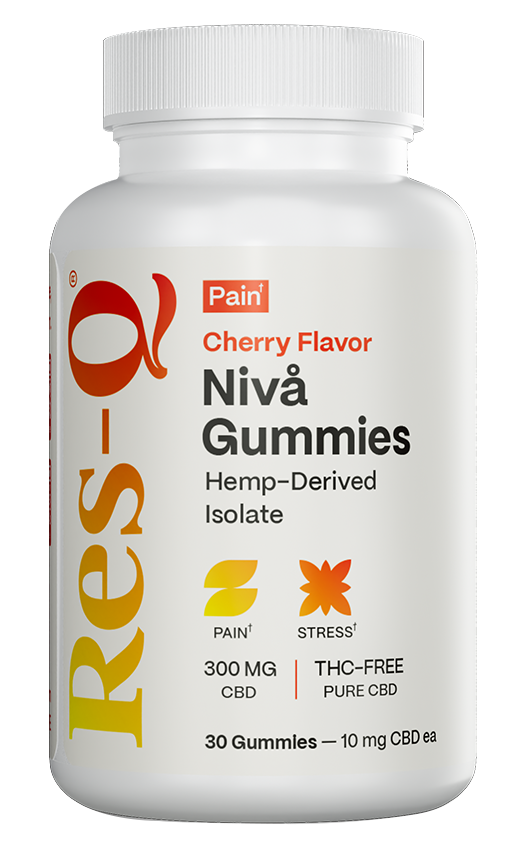
The CBD Your Body ACTUALLY ABSORBS
Most CBD passes right through you. This one doesn't — 440% better absorption, zero THC, made in the U.S.
See Why People Are SwitchingYour next step is straightforward. Pick a pure CBD tincture that meets the standards outlined here, start at a conservative dose, and give it three weeks of consistent daily use before evaluating whether it’s working for you. Track your dose, timing, and any changes you notice in a simple notebook or phone app. Data beats guessing every time.