

What Smoking CBD Actually Does to Your Body
Smoking CBD is one of the fastest ways to get cannabidiol into your bloodstream. When you inhale CBD through a joint, pipe, or pre-roll, the compound passes through your lung tissue and enters your blood in about one to three minutes. That speed is the main reason so many people choose this method over oils or gummies.
But speed is only part of it. Bioavailability — meaning how much of the compound your body actually absorbs — sits between 31% and 56% when you smoke it. Compare that to oral CBD products, which typically land around 13% to 19%. You get more CBD per milligram when you inhale it. That matters if you’re watching your budget or trying to dial in a specific dose.
Tired of guessing which CBD actually works?
Find What Works for Your Body
A less-than 60 second wellness match for adults exploring plant-based relief
What’s bothering you most right now?
Select the one that impacts your day the most
How long have you been dealing with this?
There's no wrong answer — this helps us tailor your match
How much does it affect your daily routine?
Be honest — this shapes your recommendation
What have you tried so far?
Knowing what hasn't worked helps us find what will
How familiar are you with CBD?
No judgment — everyone starts somewhere
What sounds easiest to add to your routine?
Think about what fits your lifestyle, not what sounds fancy
What matters most to you in a product?
Pick the one that would seal the deal for you
YOUR MATCH IS READY
We'll include your personalized match plus a first-timer's guide based on your answers.
Where should we send your recommendation?
🔒 No spam, ever. Your info is kept 100% secure.
If you'd rather not wait — based on your answers about your symptoms, we'd point you straight to our trusted partner.
Skip to My Match →Here’s what happens at the cellular level. CBD interacts with your endocannabinoid system, which is a network of receptors spread across your brain, organs, connective tissue, and immune cells. The two main receptors are CB1 (mostly in your brain and nervous system) and CB2 (concentrated in your immune system and peripheral organs). CBD doesn’t bind directly to these receptors the way THC does. Instead, it modulates them. It influences how your body processes its own endocannabinoids, like anandamide.
The result? People report reduced anxiety, less physical tension, better sleep onset, and a general feeling of calm without impairment. No high. No euphoria. No altered perception. Your head stays clear. That distinction is critical, because a lot of people still confuse CBD with THC. They are not the same compound. CBD is non-intoxicating.
How Smoking CBD Compares to Other Methods
There are a dozen ways to take CBD in 2026. Tinctures under the tongue. Capsules. Topical creams. Gummies. Vape cartridges. Each one delivers CBD differently, and the differences are not small.
Speed of Onset
Smoking CBD gives you the fastest onset of nearly any method. One to three minutes. Sublingual tinctures take about 15 to 45 minutes. Edibles can take 30 minutes to two hours, depending on your metabolism, what you’ve eaten, and how your digestive system processes fat-soluble compounds. If you need quick relief — say, a sudden spike in anxiety before a meeting — inhalation wins.
How Long Effects Last
Trade-off: the effects of smoking CBD don’t last as long. Most people report one to three hours of noticeable effects. Edibles, by contrast, can last four to six hours or more. So smoking is better for short-term, acute needs. Edibles are better for sustained, background-level effects.
Bioavailability Numbers
A 2018 review published in Frontiers in Pharmacology confirmed that pulmonary delivery (smoking or vaping) produces bioavailability rates of 31% to 56%. Oral delivery drops to 13% to 19%. That means if you eat a 50mg CBD gummy, your body might absorb 6.5mg to 9.5mg. If you smoke the same 50mg, you could absorb 15.5mg to 28mg. The math matters.
Vaping falls into the inhalation category too, but there’s a key difference: vaping heats CBD oil to a temperature that turns it into vapor without combustion. Smoking involves combustion, which produces tar, carbon monoxide, and other byproducts. More on that later — it’s an important consideration.
Can Smoking CBD Make You Lose Weight
This question shows up constantly. And the answer isn’t as simple as yes or no.
There’s a 2016 study published in Molecular and Cellular Biochemistry that found CBD may promote “browning” of white fat cells. White fat stores energy. Brown fat burns it. If CBD can convert white fat to brown fat, that could theoretically increase your metabolic rate and help your body burn more calories at rest. The study was conducted on cell cultures — not live humans — so the results are preliminary.
Another angle: CBD may affect appetite differently than THC. THC is well-known for stimulating hunger (the munchies). CBD appears to do the opposite in some cases. A 2012 study in Psychopharmacology found that CBD reduced food intake in rats. Some human users report decreased appetite when using CBD regularly, though this varies widely from person to person.
So can smoking CBD make you lose weight? The honest answer: possibly, through indirect mechanisms. CBD might support metabolic processes and reduce appetite. But nobody should treat it as a weight-loss drug. No clinical trial has demonstrated that smoking CBD directly causes significant fat loss in humans. The research is early-stage. Promising, but early.
What we can say with more confidence is that CBD may reduce cortisol levels. Cortisol is a stress hormone. Chronically elevated cortisol promotes fat storage, especially around the midsection. A 1993 study in the Brazilian Journal of Medical and Biological Research found that CBD significantly decreased cortisol levels in human subjects. Lower cortisol could mean less stress-related weight gain over time.
If weight management is your primary goal, smoking CBD alone probably won’t move the needle. But combined with proper nutrition and exercise, it might contribute to a better hormonal and metabolic environment. That’s where the research currently points.
What Happens When You’re Smoking Too Much CBD
First, the reassuring part: no one has ever died from a CBD overdose. The World Health Organization stated in a 2017 report that CBD has a “good safety profile” and is “generally well tolerated.” Lethal overdose from CBD alone has never been documented in humans.
That said, smoking too much CBD does come with side effects. They’re generally mild, but they’re real.
Common Side Effects of Excessive CBD
Dry mouth is the most frequently reported. CBD interacts with salivary gland receptors and can reduce saliva production. Not dangerous. Just uncomfortable.
Drowsiness hits some people hard, especially at higher doses. CBD at low to moderate doses tends to promote alertness and calm. At very high doses, it can become sedating. If you smoke a large amount before work or driving, that’s a problem.
Diarrhea and digestive discomfort have been noted in clinical studies involving high oral doses. With smoking, the dosage is harder to overshoot, but it’s still possible if you’re chain-smoking CBD joints throughout the day.
Fatigue. Reduced appetite. Mild headaches. These show up in the literature too, particularly in studies using doses above 300mg per day.
Looking For Something Pure & Potent?
If your current CBD isn't full-spectrum and U.S.-sourced, you're wasting money
Check Out This Full-Spectrum, American Made CBDThe Combustion Problem
Here’s the part people skip over. Smoking too much CBD also means inhaling too many combustion byproducts. When plant material burns, it produces tar, polycyclic aromatic hydrocarbons, carbon monoxide, and fine particulate matter. These are not unique to CBD flower — they occur any time you burn organic material. Tobacco, cannabis, sage, anything.
The American Lung Association has consistently warned that smoking any substance can damage lung tissue over time. CBD flower is no exception. If you’re smoking multiple joints per day, every day, the irritation to your airways adds up. Chronic bronchitis symptoms — coughing, excess mucus production, wheezing — have been reported in heavy cannabis smokers, and CBD-dominant flower isn’t immune to this.
Moderation matters. One or two sessions per day is what most experienced users settle on. If you find yourself needing more, it might be worth alternating with a vaporizer or tincture to reduce your combustion exposure.
How to Smoke CBD the Right Way
This part is practical. If you’ve decided smoking CBD is your preferred method, here’s how to do it well.
Choose Quality Flower
Not all CBD flower is the same. Hemp flower sold in the United States must contain less than 0.3% THC by dry weight to be federally legal under the 2018 Farm Bill. But THC content is just one piece. You want to look at total CBD content, terpene profile, and third-party lab reports.
Good CBD flower typically contains between 12% and 20% CBD by weight. Some high-grade strains push above 20%. Look for flower that’s been tested for pesticides, heavy metals, residual solvents, and microbial contaminants. If a company can’t produce a current certificate of analysis from an independent lab, don’t buy from them.
Start Low and Build
If you’ve never smoked CBD before, start with two or three puffs and wait ten minutes. That’s it. The effects come on fast, so you’ll know fairly quickly whether you need more. Most people find their sweet spot within the first few sessions. There is no standardized dose for smoking CBD because absorption varies by lung capacity, inhalation technique, and the CBD percentage of the flower itself.
A reasonable starting point: one pre-roll (typically 0.5g to 1g) containing 15% CBD gives you roughly 75mg to 150mg of total CBD in the joint. You won’t absorb all of it. With 31% to 56% bioavailability, you’re looking at roughly 23mg to 84mg of actual absorbed CBD from a full joint. That’s a wide range, which is why starting slow makes sense.
Read the Lab Reports
Every reputable CBD flower company publishes lab results. What you’re looking for:
Total CBD and THC percentages. Make sure THC is below the legal 0.3% threshold. Check the cannabinoid profile for other compounds like CBG, CBN, and CBC — these contribute to the “entourage effect,” which is the theory that cannabinoids work better together than in isolation.
Check for contaminants. Pesticide panels should show ND (not detected) across the board. Same for heavy metals like lead, arsenic, mercury, and cadmium. Microbial testing should confirm absence of E. coli, salmonella, and harmful mold species.
Batch numbers on the lab report should match the batch number on your product packaging. If they don’t, that’s a red flag.
Mistakes People Make When They Start Smoking CBD
I’ve talked to dozens of people who tried smoking CBD and gave up because of avoidable errors. Here are the most common ones.
Expecting a high. This is number one. People hear “smoking” and “cannabis” and assume they’ll feel stoned. CBD doesn’t do that. If your flower has less than 0.3% THC, you are not going to experience psychoactive effects. The disappointment some newcomers feel is really just a misaligned expectation.
Buying gas station CBD. Convenience stores and gas stations sell CBD products with almost no regulatory oversight. The flower is often poorly cured, contains inconsistent CBD levels, and may not have been tested at all. A friend of mine bought a CBD pre-roll from a gas station in Tennessee last year. It smelled like hay and gave him a headache. Lab-tested flower from a reputable source doesn’t do that.
Going too hard on day one. Smoking an entire one-gram joint your first time is unnecessary. Three puffs. Wait. Assess. This isn’t a tolerance game — it’s a calibration exercise. You’re looking for the minimum effective amount, not the maximum you can inhale.
Ignoring the terpenes. Terpenes are aromatic compounds in cannabis that influence both flavor and effect. Myrcene tends toward relaxation. Limonene leans toward mood elevation. Pinene may promote alertness. Choosing a strain based only on CBD percentage is like choosing wine based only on alcohol content. The full profile matters.
Where the Research Stands Right Now
CBD research has expanded dramatically in recent years, but the regulatory landscape still lags behind consumer demand.
The FDA has approved exactly one CBD-based drug: Epidiolex, used for certain rare seizure disorders (Lennox-Gastaut syndrome and Dravet syndrome). Beyond that, the agency has not approved CBD for any other medical use. That doesn’t mean CBD is ineffective for other things. It means the formal clinical trial process — which costs hundreds of millions of dollars — hasn’t been completed for most applications.
Observational studies and preliminary research paint an interesting picture. A large case series published in The Permanente Journal in 2019 found that 79.2% of patients experienced decreased anxiety scores within the first month of CBD use, and 66.7% reported improved sleep. These weren’t people smoking CBD specifically — they used various forms — but the compound itself showed consistent patterns.
For pain, a 2020 study in the Journal of Pain Research found that CBD applied to chronic pain patients showed meaningful reductions in pain intensity and improvements in sleep. Again, the delivery method varied, but the compound’s interaction with pain pathways has been documented repeatedly.
The gap in research is specifically around smoking as a delivery method. Most clinical studies use oral or sublingual CBD. Inhalation studies are fewer, partly because of the difficulty standardizing smoked doses and partly because institutional review boards are cautious about approving studies involving combustion.
What this means for you: the CBD itself has real, documented effects. The choice to smoke it is primarily about delivery speed and bioavailability. The trade-off is combustion exposure.
Who Should Try Smoking CBD and Who Shouldn’t
Smoking CBD makes sense for people who want fast-acting relief, prefer not to wait 30 minutes to two hours for edibles to kick in, and don’t have pre-existing lung conditions.
It does not make sense for people with asthma, COPD, or other chronic respiratory issues. Combustion irritates airways regardless of what you’re burning. If your lungs are already compromised, adding smoke to the equation is counterproductive.
People on blood-thinning medications should talk to their doctor before using any form of CBD. CBD inhibits certain cytochrome P450 enzymes in the liver — the same enzymes that metabolize warfarin, heparin, and other blood thinners. This can alter how those drugs work in your system. That interaction exists whether you smoke, eat, or apply CBD topically.
Pregnant and breastfeeding individuals should avoid smoking CBD. The data on CBD during pregnancy is insufficient, and the combustion byproducts add a separate layer of risk that’s well-documented from tobacco research.
For most healthy adults, smoking CBD in moderate amounts is generally considered low-risk. But “generally considered low-risk” is not the same as “guaranteed safe.” Listen to your body. Track how you feel. Adjust accordingly.
Frequently Asked Questions About Smoking CBD
Is Smoking CBD Legal in the United States?
Yes, as long as the flower is derived from hemp and contains less than 0.3% THC by dry weight. This was established by the 2018 Farm Bill. However, some states and municipalities have their own restrictions. Indiana, for instance, has had an uneven enforcement history with hemp flower despite federal legality. Always check your local laws.
Can Smoking CBD Get You High?
No. CBD is non-intoxicating. It does not produce the euphoria, altered perception, or impairment associated with THC. Some people describe a mild relaxation or calm, but that is not a “high” in the traditional sense.
How Many Times a Day Should You Smoke CBD?
There is no official guideline. Most regular users smoke one to two sessions per day. A session might mean five to ten puffs from a joint or pipe. Going beyond that increases your combustion exposure without necessarily increasing therapeutic benefit. At a certain point, your cannabinoid receptors reach a saturation threshold.
Does Smoking CBD Show Up on a Drug Test?
Standard drug tests screen for THC metabolites, not CBD. However, hemp flower can contain up to 0.3% THC, and trace amounts can accumulate with heavy daily use. There are documented cases of people failing drug tests after using full-spectrum CBD products. If you’re subject to testing, use CBD isolate products or accept the small risk that comes with full-spectrum flower.
Can Smoking CBD Help With Anxiety?
Multiple studies, including a 2019 case series in The Permanente Journal and a 2011 study in Neuropsychopharmacology, found that CBD reduced anxiety symptoms in human subjects. Smoking delivers CBD rapidly, which could make it useful for acute anxiety episodes. It is not a replacement for professional mental health treatment, but it may serve as a supplementary tool.
Is Smoking CBD Bad for Your Lungs?
Any form of smoking introduces combustion byproducts into your lungs. Over time, this can cause irritation and damage to airway tissue. CBD itself is not the problem — the act of burning and inhaling plant material is. If lung health is a concern, vaporizing or using a tincture delivers CBD without combustion.
Making Smoking CBD Work for You
Smoking CBD is a legitimate delivery method backed by favorable bioavailability data and rapid onset times. It comes with trade-offs — primarily the combustion issue — but for many people, the benefits outweigh the downsides when used in moderation. Whether you’re exploring it for anxiety, pain management, sleep support, or general wellness, the key is sourcing quality flower, starting with low doses, and paying attention to how your body responds.
The landscape around CBD continues to evolve. New strains, better extraction techniques, and expanded research are reshaping what we know almost monthly. Staying informed is half the work.
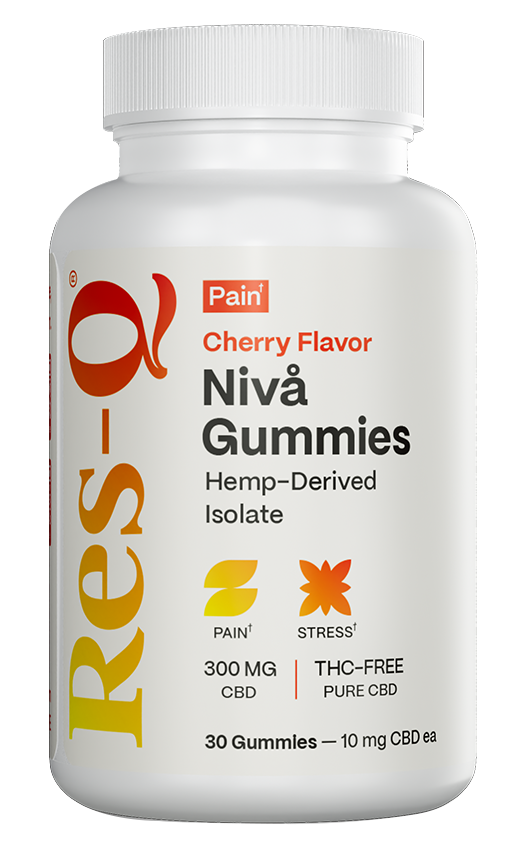
The CBD Your Body ACTUALLY ABSORBS
Most CBD passes right through you. This one doesn't — 440% better absorption, zero THC, made in the U.S.
See Why People Are SwitchingRead the rest of our articles and more useful info down below for everything you need to make smarter decisions about CBD and your health.