

What You Need to Know About Organic CBD Before You Buy
Organic CBD has become one of the most searched terms in the wellness space. Consumers want clean products. They want to know what they’re putting into their bodies. But the word “organic” gets thrown around loosely in the CBD industry. Not every product that claims to be organic actually meets the standard. This guide breaks down what organic CBD really means, how to spot legitimate products, and what to look for in organic cbd oil, organic cbd gummies, and organic cbd tincture options.
Tired of guessing which CBD actually works?
Find What Works for Your Body
A less-than 60 second wellness match for adults exploring plant-based relief
What’s bothering you most right now?
Select the one that impacts your day the most
How long have you been dealing with this?
There's no wrong answer — this helps us tailor your match
How much does it affect your daily routine?
Be honest — this shapes your recommendation
What have you tried so far?
Knowing what hasn't worked helps us find what will
How familiar are you with CBD?
No judgment — everyone starts somewhere
What sounds easiest to add to your routine?
Think about what fits your lifestyle, not what sounds fancy
What matters most to you in a product?
Pick the one that would seal the deal for you
YOUR MATCH IS READY
We'll include your personalized match plus a first-timer's guide based on your answers.
Where should we send your recommendation?
🔒 No spam, ever. Your info is kept 100% secure.
If you'd rather not wait — based on your answers about your symptoms, we'd point you straight to our trusted partner.
Skip to My Match →What Does Organic CBD Actually Mean?
When a CBD product is labeled organic, it should mean the hemp used to make it was grown under strict agricultural guidelines. In the United States, that means USDA organic certification. The USDA National Organic Program sets rules for how crops must be cultivated, processed, and handled.
For hemp to qualify as USDA certified organic, farmers must grow crops without synthetic pesticides or herbicides. They cannot use genetically modified organisms. Only approved organic fertilizers are allowed. Crop rotation plans must be in place to maintain soil health. And the farm must pass annual inspections by a USDA-accredited certifying agent.
This matters more for organic CBD than it does for a lot of other products. Hemp is a bioaccumulator. It absorbs substances from the soil, both good and bad. If hemp grows in contaminated ground, it pulls in heavy metals like lead, cadmium, and arsenic. Pesticide residues end up in the final extract. Organic farming practices reduce that risk at the source.
USDA Organic vs. “Made With Organic Ingredients”
There is a meaningful difference between a product that carries the USDA Organic seal and one that says “made with organic ingredients.” The USDA Organic seal requires that 95% or more of the ingredients are certified organic. Products labeled “made with organic ingredients” only need to hit 70%. And then there are products that toss the word “organic” on the label with no certification at all.
That last category is technically legal, as long as the company doesn’t display the USDA seal. Which is exactly why reading labels carefully matters. The word alone means nothing without verification behind it.
Why Choosing Organic CBD Matters More Than You Think
Contaminant Exposure Is a Real Risk
A 2020 study published in the Journal of Toxicological Sciences tested 25 commercially available CBD products. Nearly 30% contained detectable levels of pesticides. Some had heavy metal concentrations above acceptable limits. Products sourced from organically grown hemp had significantly lower contamination rates across the board.
That is the core argument for choosing organic CBD. You reduce the chance that you are consuming something harmful alongside the cannabinoid you actually want. Heavy metals accumulate in the body over time. Pesticide exposure, even at low levels, is linked to endocrine disruption, neurological effects, and immune system stress.
Soil Health and Environmental Impact
Organic hemp farming supports healthier soil ecosystems. Crop rotation, cover cropping, and composting are standard practices in organic agriculture. They build up soil fertility over time. Conventional hemp farming that relies on synthetic inputs can strip soil of nutrients and contribute to agricultural runoff that damages local water supplies.
If environmental impact factors into your purchasing decisions, organic CBD products align with that priority directly. The farming method behind the product is part of the product.
Types of Organic CBD Products Available
The organic CBD market has expanded well beyond basic dropper bottles. Each product format serves a different use case, and the differences matter when you are choosing what to buy.
Organic CBD Oil
Organic cbd oil is the most common product format. It typically comes in a glass bottle with a graduated dropper. The CBD extract is suspended in a carrier oil, usually MCT oil derived from coconuts or hemp seed oil. Quality organic cbd oil is made using CO2 extraction, which does not involve chemical solvents. The result is a clean, concentrated product with a predictable cannabinoid profile.
Dosing is flexible with oil. You can measure exact amounts using the dropper markings. Most people place the oil under the tongue, which is called sublingual administration. Hold it there for 60 to 90 seconds before swallowing. The mucous membranes under the tongue allow CBD to enter the bloodstream faster than digestion alone.
Organic cbd oil comes in three spectrum types. Full-spectrum contains all cannabinoids found in the hemp plant, including trace amounts of THC under 0.3%. It also includes terpenes and flavonoids. Broad-spectrum has the same cannabinoid and terpene profile, but THC has been removed. Isolate is pure CBD only, with no other plant compounds.
Full-spectrum organic cbd oil is often preferred because of the entourage effect. This is the theory that cannabinoids work more effectively together than in isolation. Research from the Hebrew University of Jerusalem has supported this concept, though studies are still expanding.
Organic CBD Gummies
Organic cbd gummies are the most popular edible format on the market right now. They appeal to people who dislike the earthy taste of hemp or who want a consistent dose without measuring anything. Each gummy contains a predetermined amount of CBD, typically ranging from 10mg to 50mg per piece.
When buying organic cbd gummies, check the full ingredient list carefully. Some brands use organic CBD extract but pair it with artificial sweeteners, synthetic dyes, or high-fructose corn syrup. A truly organic gummy should use ingredients like organic cane sugar, organic tapioca syrup, and natural fruit flavors. If the CBD is organic but the rest of the gummy is not, you are only getting partial quality.
Gummies take longer to produce effects than oils. Usually 30 to 90 minutes, because they pass through the digestive system first. But the effects often last longer. Many people report six to eight hours of sustained benefit from a single gummy, compared to four to six hours with sublingual oil.
Organic CBD Tincture
The terms organic cbd tincture and organic cbd oil get used interchangeably, but they are technically different products. A true tincture uses alcohol as the solvent during extraction and as the base liquid in the finished product. An oil uses CO2 extraction and a carrier oil base.
In practice, most products sold as tinctures today are actually oils. The industry has blurred the terminology. But if you find a genuine organic cbd tincture, the alcohol base can improve bioavailability. Your body may absorb the CBD more efficiently. Tinctures also tend to have a longer shelf life than oil-based products because alcohol is a natural preservative.
Whether you go with an organic cbd tincture or organic cbd oil, the key quality indicators are the same. Look for USDA organic certification, CO2 or organic ethanol extraction, and published third-party lab results.
Looking For Something Pure & Potent?
If your current CBD isn't full-spectrum and U.S.-sourced, you're wasting money
Check Out This Full-Spectrum, American Made CBDHow Organic CBD Gets Made From Farm to Bottle
Farming Practices
Organic CBD production starts on the farm. Hemp is typically planted in late spring and harvested in early fall. Organic hemp farmers use companion planting and beneficial insects for pest control instead of chemical pesticides. Clover and alfalfa are common cover crops used between hemp rotations to fix nitrogen back into the soil naturally.
The 2018 Farm Bill legalized the cultivation of industrial hemp in the United States. It defined legal hemp as cannabis containing less than 0.3% THC by dry weight. That legislation opened the door for large-scale organic hemp farming. States like Colorado, Oregon, Kentucky, and Montana now carry significant organic hemp acreage.
Extraction Methods
After harvest, the hemp biomass goes through extraction to isolate cannabinoids. The gold standard for organic CBD is supercritical CO2 extraction. This method uses pressurized carbon dioxide to pull cannabinoids, terpenes, and other beneficial compounds from the plant material. No chemical solvents are involved, and CO2 evaporates completely from the finished extract.
Some companies use ethanol extraction, which is acceptable under USDA organic guidelines as long as organic ethanol is used. Hydrocarbon extraction involving butane or propane is generally not compatible with organic certification and can leave residual solvents in the product.
Third-Party Lab Testing
Reputable organic CBD brands send every batch of product to independent laboratories for analysis. The lab produces a Certificate of Analysis, called a COA, that shows cannabinoid potency including CBD, THC, CBG, and CBN levels. It also screens for pesticides, heavy metals like lead, mercury, arsenic, and cadmium, residual solvents, and microbial contamination.
If a brand does not publish COAs on its website or refuses to provide them when asked, walk away. No exceptions. Transparency is the bare minimum standard in this industry.
Common Mistakes People Make When Buying Organic CBD
Trusting Labels Without Verifying Certification
This is the single most common mistake. A label can say “organic,” “all-natural,” or “pure” without any official certification backing it up. The USDA Organic seal is the only reliable indicator for products sold in the United States. Look for the seal on the product packaging, and verify the company’s certification status through the USDA Organic Integrity Database. The database is free and publicly accessible online.
Ignoring the Carrier Oil
The CBD extract might be organic, but what about the carrier oil? If the carrier is conventional MCT oil or hemp seed oil, the final product is not fully organic. Check whether the carrier oil is also certified organic. A half-organic product is a half-measure.
Buying Based on Price Alone
Organic CBD costs more to produce. Organic farming yields tend to be lower than conventional. Certification fees add up. CO2 extraction equipment is expensive to purchase and operate. If a product claims to be organic but costs half of what competitors charge, that should raise questions.
On the other end, high price does not automatically guarantee quality. Always cross-reference the price with lab results and certification documentation.
Overlooking THC Content
Full-spectrum organic CBD products contain trace THC, up to 0.3%. For most people, this is not enough to cause intoxication. But it can show up on a drug test, depending on consumption amount and frequency. If you face regular drug testing for work or any other reason, opt for broad-spectrum or isolate organic CBD products to eliminate that variable.
How to Dose Organic CBD Effectively
There is no universal dosage. It depends on your body weight, the specific reason you are using CBD, your individual body chemistry, and the concentration of the product.
A commonly referenced starting point is 1mg to 6mg of CBD per 10 pounds of body weight. A 150-pound person might begin with 15mg to 25mg per day. Start at the low end and increase gradually over one to two weeks.
With organic cbd oil, the dropper makes adjustments easy. One full dropper from a standard 30ml bottle of 1000mg organic cbd oil delivers roughly 33mg of CBD. Half a dropper gives you about 16mg. Organic cbd gummies are less flexible because each gummy has a fixed dose. If you need a smaller amount, cut the gummy in half with a clean knife.
Keep a simple log. Write down how much you took, what time, and how you felt over the following hours. Tracking helps you find your effective dose faster than guessing.
Organic CBD and Drug Interactions
CBD interacts with the cytochrome P450 enzyme system in the liver. This is the same enzyme system that metabolizes many common prescription medications. Taking CBD alongside certain drugs can either increase or decrease that drug’s effectiveness in your body.
Medications that carry a grapefruit warning on the label are the ones most likely to interact with CBD. These include some blood thinners, certain heart medications, and immunosuppressants. If you take prescription medication, talk to your doctor before adding organic CBD to your routine. This is a safety issue, not a suggestion.
How to Store Organic CBD Products Properly
Proper storage extends shelf life and preserves potency over time.
Keep organic cbd oil and organic cbd tincture in a cool, dark place. A kitchen cabinet away from the stove or oven works well. Avoid windowsills or countertops that receive direct sunlight. UV light degrades cannabinoids over weeks and months, reducing the product’s effectiveness.
Organic cbd gummies should stay in their original packaging, sealed tightly after each use. Heat can melt them together and humidity makes them sticky. A pantry or drawer at room temperature is fine. In warm climates or during summer months, some people refrigerate their gummies to maintain texture.
Most organic CBD products carry a shelf life of 12 to 24 months when stored properly. Always check the expiration date on the label. If the product changes color, develops an unusual smell, or tastes rancid, discard it.
The Legal Landscape for Organic CBD in 2026
The 2018 Farm Bill made hemp-derived CBD federally legal in the United States, provided the THC content remains below 0.3% by dry weight. State laws vary though. Some states have additional restrictions on CBD product types, sales channels, or THC thresholds.
As of 2026, the FDA has still not established a comprehensive regulatory framework specifically for CBD products. The agency has issued warning letters to companies making unsupported health claims, but clear manufacturing standards, labeling requirements, and marketing rules remain in development.
This regulatory gap is actually another strong reason to choose organic CBD. USDA organic certification provides a layer of independent, third-party accountability that the broader CBD industry lacks. It is one of the few verified quality standards available to consumers right now.
Frequently Asked Questions About Organic CBD
What Does Organic CBD Mean?
Organic CBD refers to cannabidiol extracted from hemp plants grown under USDA organic standards. No synthetic pesticides, herbicides, or GMOs are used during cultivation. The supply chain from farm to finished product follows organic guidelines verified by an accredited certifying agent.
Is Organic CBD Oil Better Than Regular CBD Oil?
Organic cbd oil has a lower risk of containing pesticide residues, heavy metals, and other contaminants because the hemp was grown without synthetic chemicals. From a purity standpoint, organic CBD oil has a measurable advantage backed by independent lab testing data.
Are Organic CBD Gummies Safe?
Organic cbd gummies from reputable brands that provide third-party lab results are generally considered safe for adults. Verify the USDA Organic certification, check the COA for contaminant testing results, and start with a low dose to assess your individual response.
How Can I Tell If My CBD Is Really Organic?
Look for the USDA Organic seal on the packaging. Verify the company’s certification through the USDA Organic Integrity Database online. Ask the brand for documentation if the seal is not visible. Any company that resists transparency about its organic status probably does not have legitimate certification.
Does Organic CBD Contain THC?
Full-spectrum organic CBD products contain trace amounts of THC, up to 0.3%, which is the federal legal limit under the 2018 Farm Bill. Broad-spectrum and isolate organic CBD products have THC removed or reduced to non-detectable levels during processing.
What Is the Difference Between Organic CBD Tincture and Organic CBD Oil?
An organic cbd tincture traditionally uses alcohol as both the extraction solvent and the base liquid. Organic cbd oil uses CO2 extraction and a carrier oil like MCT or hemp seed oil. Many products labeled as tinctures today are actually oils. Check the ingredient list to confirm which type you are purchasing.
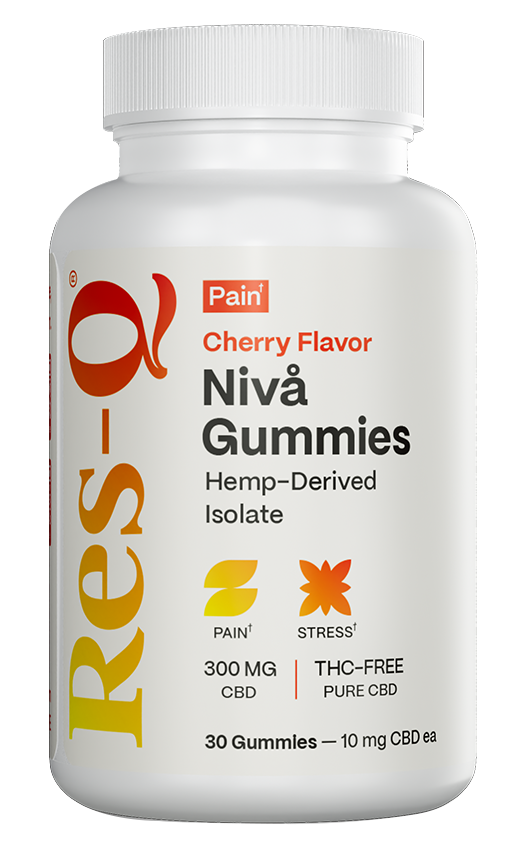
The CBD Your Body ACTUALLY ABSORBS
Most CBD passes right through you. This one doesn't — 440% better absorption, zero THC, made in the U.S.
See Why People Are SwitchingStart With the Best Organic CBD Oil for Your Needs
Organic CBD gives you a cleaner product backed by a verified standard. USDA certification removes the guesswork from sourcing. You know the hemp was not grown with synthetic chemicals. You know the production process met federal organic guidelines. Combined with third-party lab testing, you get a level of transparency that most of the CBD industry simply does not offer.
Whether you prefer organic cbd oil for its dosing flexibility, organic cbd gummies for everyday convenience, or an organic cbd tincture for improved absorption, the buying process is the same. Check for the USDA seal. Read the COA. Review the full ingredient list. Verify everything before you spend a dollar.
If you are ready to experience the difference that verified, clean sourcing makes, find the best organic cbd oil that fits your needs and your budget today. Your next step is a simple one. Pick a certified product, start low, track your results, and build from there.