

Is CBD Legal in Alabama? Here’s What the Law Actually Says
Is CBD legal in Alabama? The short answer is yes — but with conditions. Alabama allows the sale, purchase, and possession of hemp-derived CBD products as long as they contain no more than 0.3% THC by dry weight. That threshold matters a lot. Cross it, even by a fraction, and the product is classified as marijuana under Alabama state law. And marijuana, outside of a narrow medical program, is still illegal here.
Alabama wasn’t always this clear on CBD. For years, residents dealt with confusing, overlapping state and federal rules. A lot of people got bad information. Some got into legal trouble over products they bought off a gas station shelf. That’s changed, mostly. But the details still trip people up — especially around THC limits, medical cannabis licensing, and what counts as a legal product versus what doesn’t.
This guide breaks down CBD laws in Alabama as they stand right now, including what you’re allowed to buy, where you can get it, how THC fits into the picture, and what mistakes to avoid. If you live in Alabama or plan to visit with CBD products, this is what you need to know.
Tired of guessing which CBD actually works?
Find What Works for Your Body
A less-than 60 second wellness match for adults exploring plant-based relief
What’s bothering you most right now?
Select the one that impacts your day the most
How long have you been dealing with this?
There's no wrong answer — this helps us tailor your match
How much does it affect your daily routine?
Be honest — this shapes your recommendation
What have you tried so far?
Knowing what hasn't worked helps us find what will
How familiar are you with CBD?
No judgment — everyone starts somewhere
What sounds easiest to add to your routine?
Think about what fits your lifestyle, not what sounds fancy
What matters most to you in a product?
Pick the one that would seal the deal for you
YOUR MATCH IS READY
We'll include your personalized match plus a first-timer's guide based on your answers.
Where should we send your recommendation?
🔒 No spam, ever. Your info is kept 100% secure.
If you'd rather not wait — based on your answers about your symptoms, we'd point you straight to our trusted partner.
Skip to My Match →How Alabama Legalized Hemp-Derived CBD
Leni’s Law: Alabama’s First Step Toward CBD
Alabama’s CBD story starts in 2014 with a law called Leni’s Law (SB 174). It was named after a young girl with severe epilepsy whose family advocated for access to CBD oil. At that time, the law was narrow. It allowed only CBD oil prescribed for specific debilitating conditions, and the oil had to contain no more than 3% THC — which was actually higher than what federal law would later allow.
Leni’s Law was a medical-only carve-out. You couldn’t walk into a store and buy a bottle of CBD tincture for general wellness. It applied to a small group of patients, and even then, access was limited because there was no regulated supply chain in the state. Still, it cracked the door open.
SB 225 and the 2018 Farm Bill Alignment
The bigger shift came in 2019. Alabama passed SB 225, which aligned state law with the federal 2018 Farm Bill (the Agriculture Improvement Act of 2018). That federal law removed hemp — defined as cannabis with no more than 0.3% THC — from the Controlled Substances Act. It was no longer a Schedule I substance at the federal level.
SB 225 did the same at the state level. It authorized the growing, processing, and selling of industrial hemp and hemp-derived products in Alabama. The Alabama Department of Agriculture and Industries (ADAI) was given oversight of the state’s hemp program, including licensing for growers and processors.
After SB 225 passed, CBD products began appearing in stores across Alabama — vape shops, health food stores, pharmacies, and even some grocery chains. The market grew fast. But the law didn’t just say “CBD is legal.” It set specific rules about THC content, labeling, and who could produce and sell these products.
CBD Laws in Alabama: What You Can and Cannot Buy
The 0.3% THC Rule
This is the single most important number in Alabama’s CBD framework. Any CBD product sold legally in the state must contain no more than 0.3% THC by dry weight. That standard comes from the federal definition of hemp, and Alabama adopted it directly.
Products that exceed 0.3% THC are classified as marijuana under Alabama Code § 13A-12-210. That means possession, sale, or distribution of those products carries criminal penalties — even if the product was sold as “CBD” or “hemp.”
Here’s where it gets practical. Not every product on the shelf is tested accurately. Some CBD brands have been found to contain more THC than their labels claim. In 2022, an FDA analysis of CBD products sold in the U.S. found that nearly half of the tested products were mislabeled. Some had significantly more THC than advertised. In Alabama, buying a mislabeled product could technically put you on the wrong side of the law.
Types of CBD Products Legal in Alabama
Alabama law regarding CBD oil doesn’t restrict the form factor of the product, as long as it meets the THC threshold. That means these product types are all legal:
CBD oils and tinctures. CBD capsules and softgels. CBD-infused topicals like creams and balms. CBD edibles including gummies. CBD flower (hemp flower with under 0.3% THC). CBD vape products, though local ordinances may restrict vaping in certain areas.
Full-spectrum CBD products are legal because they contain trace amounts of THC — but only if those amounts stay at or below 0.3%. Broad-spectrum products and CBD isolates, which contain no THC, are also legal and carry less legal gray area.
Where to Buy CBD in Alabama
CBD is widely available in Alabama. You can find it at dedicated CBD shops, wellness stores, smoke shops, some pharmacies, and online retailers that ship to Alabama addresses. Birmingham, Huntsville, Mobile, and Montgomery all have multiple brick-and-mortar CBD retailers.
Online purchasing is legal, and many Alabama residents prefer it because online retailers often provide more detailed lab reports and product information. Alabama does not require a prescription or medical card to buy hemp-derived CBD. You can purchase it if you’re 18 or older (some retailers set the age at 21).
One thing to watch: not every retailer is reputable. Alabama has no mandatory state-level testing requirement for CBD products at the retail level. The responsibility falls heavily on the consumer to verify product quality. More on that below.
Looking For Something Pure & Potent?
If your current CBD isn't full-spectrum and U.S.-sourced, you're wasting money
Check Out This Full-Spectrum, American Made CBDIs THC Legal in Alabama?
Recreational THC: Still Illegal
Is THC legal in Alabama for recreational use? No. Alabama has not legalized recreational marijuana. Possession of marijuana — any cannabis product containing more than 0.3% THC that isn’t covered by the state’s medical program — remains a criminal offense.
For a first offense, possession of marijuana for personal use is a Class A misdemeanor in Alabama. That can carry up to one year in jail and a fine of up to $6,000. Second and subsequent offenses are classified as a Class C felony, with penalties of up to 10 years imprisonment. These are among the stricter marijuana penalties in the United States.
Delta-8 THC, delta-10 THC, and other hemp-derived THC analogs occupy a complicated space. Alabama’s definition of legal hemp is based on delta-9 THC content. Some retailers have sold delta-8 products under the argument that they’re derived from legal hemp. Alabama Attorney General guidance has treated some of these products as controlled substances when they produce intoxicating effects. If you’re buying anything with “THC” on the label in Alabama, proceed with caution and verify the specific compound and its legal status.
Medical Cannabis: The Darren Wesley ‘Ato’ Hall Compassion Act
Alabama passed SB 46 in May 2021, creating a medical cannabis program. The law is named the Darren Wesley ‘Ato’ Hall Compassion Act, after an advocate who was diagnosed with an autoimmune disease.
Under this law, qualifying patients with specific medical conditions can obtain a medical cannabis card and purchase cannabis products from licensed dispensaries. Qualifying conditions include cancer, epilepsy and seizure disorders, chronic pain, PTSD, Crohn’s disease, HIV/AIDS, and several others specified in the statute.
The Alabama Medical Cannabis Commission (AMCC) oversees the program, including licensing for cultivators, processors, dispensaries, and testing labs. The rollout has been slow. The program faced legal challenges and licensing delays. As of early 2026, the state has been working through these obstacles to get dispensaries operational.
Medical cannabis in Alabama is limited to specific forms: tablets, capsules, tinctures, suppositories, transdermal patches, nebulizers, and topical products. Smoking raw cannabis flower is not allowed under the medical program. Edibles like gummies are also excluded from the medical cannabis program — which is worth noting, because CBD gummies are legal but THC gummies are not, even for medical patients.
Alabama Law Regarding CBD Oil: Labeling, Testing, and Quality
What Federal and State Law Require
Alabama law regarding CBD oil places the core legal responsibility on the 0.3% THC threshold. But beyond that, product quality is governed by a mix of federal FDA guidelines and state consumer protection laws.
The FDA has not approved CBD as a dietary supplement or food additive (with the exception of Epidiolex, a prescription CBD medication for seizures). That means CBD products technically exist in a regulatory gray zone at the federal level. The FDA has sent warning letters to companies making unapproved health claims about CBD — things like “cures cancer” or “eliminates anxiety.”
In Alabama, the Department of Agriculture and Industries regulates hemp production and processing. Retailers are expected to sell products that are accurately labeled, not adulterated, and compliant with the 0.3% THC limit. But enforcement at the retail level has been inconsistent.
Third-Party Lab Testing: Why It Matters
Third-party lab testing is the single most reliable way to verify that a CBD product is legal and safe. A Certificate of Analysis (COA) from an independent, ISO-accredited laboratory confirms the cannabinoid content (including THC levels), checks for contaminants like heavy metals, pesticides, and residual solvents, and verifies potency.
A practical example. A friend of mine in Tuscaloosa bought a CBD tincture from a flea market vendor in 2023. The label said “100% THC-free.” She checked the brand’s website — no lab reports. She later had it independently tested, and it contained 0.7% THC. That’s more than double the legal limit. She had been carrying an illegal product in her purse for weeks without knowing it.
Always ask for a COA before buying. If a retailer or brand can’t provide one, don’t buy from them. Period.
What to Look for on a CBD Label
A legally compliant CBD product label in Alabama should include the total CBD content (in milligrams), the THC content (should be ≤ 0.3%), a full list of ingredients, the name and address of the manufacturer, a batch or lot number that corresponds to a lab test, and a suggested serving size.
If the label is missing the batch number or doesn’t reference a lab report, that’s a red flag. Reputable brands make their COAs available online, usually through a QR code on the packaging or a dedicated page on their website.
Common Mistakes People Make with CBD in Alabama
Assuming All CBD Products Are Compliant
The biggest mistake is assuming every product labeled “CBD” is automatically legal. It isn’t. Alabama’s law is clear on the 0.3% threshold, but enforcement relies on accurate labeling — and not every manufacturer provides it. The unregulated nature of the market means some products contain more THC than stated, less CBD than claimed, or contaminants that shouldn’t be there.
In 2024, a CBD store in Baldwin County was investigated after several of its products tested above the legal THC limit during a routine check. The store owner claimed the supplier had provided fraudulent lab results. That situation left both the store and its customers in a difficult position.
Traveling Across State Lines with CBD
Alabama residents who travel with CBD need to be careful. While hemp-derived CBD is federally legal, individual states have their own rules. Idaho and certain other states have historically had stricter limits or outright bans on CBD products. If you’re driving through multiple states, research each one.
Flying with CBD is technically legal under TSA guidelines, as long as the product contains no more than 0.3% THC. But TSA agents aren’t chemists. If a product looks like marijuana or raises suspicion, it may be confiscated or referred to local law enforcement. Keeping your COA accessible when you travel is a smart move.
Confusing CBD with Medical Cannabis
CBD products bought at retail stores and medical cannabis obtained through Alabama’s medical program are not the same thing. Medical cannabis products may contain significantly higher levels of THC and require a valid medical cannabis card. Using, possessing, or purchasing medical cannabis without a card is illegal. And having a CBD product does not grant you any of the legal protections that come with a medical cannabis card.
How Alabama Enforces CBD and Cannabis Laws
Penalties for THC Possession
If you’re found in possession of a cannabis product exceeding 0.3% THC without a valid medical cannabis card, you face criminal penalties under Alabama law. As noted, first-offense personal possession is a Class A misdemeanor. Subsequent offenses escalate to felony charges.
Possession with intent to distribute carries even heavier penalties, depending on the amount. Alabama Code § 13A-12-211 covers distribution and trafficking charges, which can result in mandatory minimum sentences of several years.
For CBD-specific situations, law enforcement sometimes encounters products where the THC content is unclear. In those cases, the product may be confiscated and tested. If it exceeds 0.3% THC, charges can follow — even if the buyer believed it was legal hemp-derived CBD.
The Difficulty of Distinguishing Hemp from Marijuana
Hemp and marijuana look and smell identical. They’re the same plant species (Cannabis sativa). The only difference is THC concentration, which requires lab testing to determine. This has created challenges for law enforcement across the country, not just in Alabama.
Some Alabama jurisdictions have reduced low-level marijuana prosecutions partly because of this identification problem. Field test kits used by police can’t differentiate between hemp and marijuana — they simply indicate the presence of THC, which is present in both. Prosecutors sometimes decline cases where the substance hasn’t been lab-tested, because proving the THC level beyond 0.3% is necessary for a conviction.
That said, don’t assume you won’t be arrested or charged. Law enforcement still has discretion, and outcomes vary by county and officer.
CBD and Drug Testing in Alabama
Another question that comes up constantly: can legal CBD make you fail a drug test? Yes, it can. Standard urine drug tests screen for THC metabolites, not CBD. Full-spectrum CBD products contain up to 0.3% THC, which, with regular use, can accumulate enough THC metabolites in your system to trigger a positive result.
A 2020 study published in the Journal of Analytical Toxicology found that participants using full-spectrum hemp products produced positive THC urine screens within days of regular use. The THC levels were low, but they exceeded typical cutoff thresholds on immunoassay tests.
If you’re subject to drug testing for employment, probation, or any other reason in Alabama, consider using broad-spectrum CBD or CBD isolate products instead. These formulations remove THC entirely and carry a much lower risk of triggering a positive test. Alabama employers generally have the right to enforce drug-free workplace policies and can take action based on a positive THC test, even if the THC came from a legal CBD product.
What’s Next for CBD and Cannabis Regulation in Alabama
Alabama’s cannabis landscape is still evolving. The medical program continues to move toward full dispensary operations. Legislative conversations around decriminalization have gained traction in some circles, though full recreational legalization is unlikely in the near term given the state’s political composition.
At the federal level, any reclassification or descheduling of cannabis would have downstream effects on Alabama’s CBD and THC laws. The DEA’s ongoing review of marijuana scheduling could shift the legal framework significantly. If cannabis were moved from Schedule I to Schedule III — or removed from the schedule entirely — it would open new doors for both medical and commercial cannabis in every state, including Alabama.
For now, the rules are straightforward for CBD: hemp-derived, under 0.3% THC, and ideally backed by a third-party lab report. Stick within those lines, and you’re operating legally in Alabama.
Frequently Asked Questions About CBD in Alabama
Can I buy CBD oil without a prescription in Alabama?
Yes. Hemp-derived CBD oil containing 0.3% THC or less does not require a prescription in Alabama. You can buy it at retail stores and online. You must be at least 18 years old, though some retailers require you to be 21.
Is it legal to grow hemp in Alabama?
Yes, but only with a license from the Alabama Department of Agriculture and Industries. Growing hemp without a license is illegal and can result in the crop being destroyed and penalties being issued.
Can I use CBD while on probation in Alabama?
It depends on your probation terms. Some probation officers and courts in Alabama prohibit the use of any cannabis-related products, including CBD, because of the risk of a positive drug test. Always check with your probation officer before using any CBD product.
Is CBD flower legal in Alabama?
Yes, as long as the flower is from a hemp plant containing no more than 0.3% THC. However, because hemp flower looks and smells identical to marijuana, possessing it in public can create complications with law enforcement. Carrying the product’s COA can help, but doesn’t guarantee you won’t face temporary detention or confiscation.
Does Alabama have an age requirement for buying CBD?
There is no statewide statutory minimum age for purchasing non-smokable CBD products in Alabama. However, many retailers set their own minimum age at 18 or 21. For CBD vape products, you must be at least 21 under federal tobacco and nicotine product regulations, which extend to vaping devices.
What happens if I’m caught with a CBD product that has more than 0.3% THC?
That product would be classified as marijuana under Alabama law. You could face possession charges, which range from a Class A misdemeanor for a first offense to a Class C felony for subsequent offenses. The fact that you believed it was legal CBD may be a defense argument, but it doesn’t automatically prevent arrest or charges.
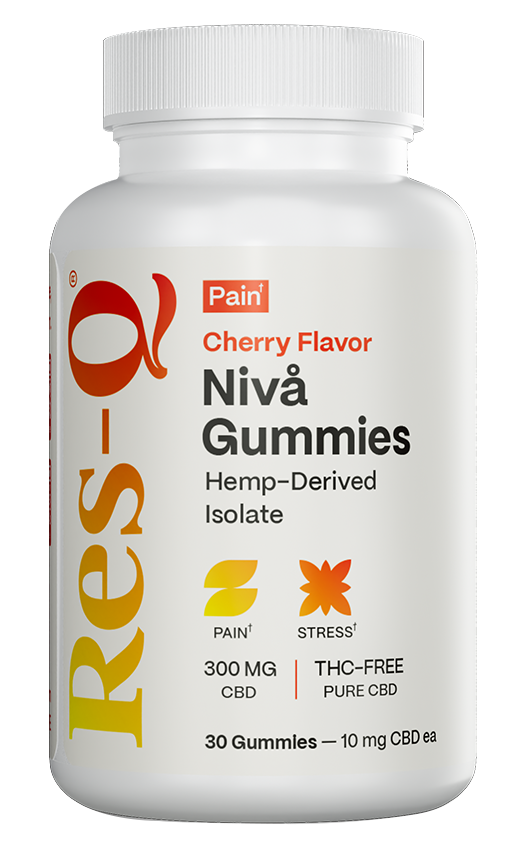
The CBD Your Body ACTUALLY ABSORBS
Most CBD passes right through you. This one doesn't — 440% better absorption, zero THC, made in the U.S.
See Why People Are SwitchingKnow the Rules Before You Buy
CBD is legal in Alabama under clearly defined conditions: hemp-derived, 0.3% THC or less, and sold by compliant retailers. The state has come a long way since Leni’s Law, and most residents can access CBD products without any legal issues. But the details matter. THC limits, product quality, labeling accuracy, and the evolving medical cannabis program all create situations where a lack of knowledge can lead to real problems.
Before your next purchase, take the time to check the lab report. Verify the THC content. Know what you’re putting in your body and whether it falls within Alabama law regarding CBD oil. Stay informed about CBD laws in Alabama as they continue to develop — the regulatory landscape shifts, and what’s true in 2026 may change by 2027.
Want to stay up to date on Alabama CBD laws? Bookmark this page and check back as new regulations, enforcement updates, and product guidelines are released. Understanding the rules protects you — and helps you make smarter choices about the CBD products you use.