

What GeorgiaCannabis Actually Covers — And Why It Matters Right Now
If you live in Georgia and you’ve searched for anything related to cannabis, CBD oil, or hemp products, you’ve probably run into georgiacannabis at some point. It’s become one of the go-to references for people trying to figure out what’s legal, what’s not, and where to actually buy products without getting burned. Georgia’s cannabis landscape is confusing. Laws changed in 2019. They shifted again after the federal Farm Bill. And local enforcement varies wildly from county to county. That’s the gap georgiacannabis fills — real, current information for real people living in this state.
Tired of guessing which CBD actually works?
Find What Works for Your Body
A less-than 60 second wellness match for adults exploring plant-based relief
What’s bothering you most right now?
Select the one that impacts your day the most
How long have you been dealing with this?
There's no wrong answer — this helps us tailor your match
How much does it affect your daily routine?
Be honest — this shapes your recommendation
What have you tried so far?
Knowing what hasn't worked helps us find what will
How familiar are you with CBD?
No judgment — everyone starts somewhere
What sounds easiest to add to your routine?
Think about what fits your lifestyle, not what sounds fancy
What matters most to you in a product?
Pick the one that would seal the deal for you
YOUR MATCH IS READY
We'll include your personalized match plus a first-timer's guide based on your answers.
Where should we send your recommendation?
🔒 No spam, ever. Your info is kept 100% secure.
If you'd rather not wait — based on your answers about your symptoms, we'd point you straight to our trusted partner.
Skip to My Match →This article breaks down everything you need to know. We’re covering the legal framework, the types of products available, where to shop, common mistakes people make, and what’s coming next. No filler. Just facts you can use today.
Georgia Cannabis Laws: Where Things Stand in 2026
Georgia is not a recreational cannabis state. Let’s get that out of the way first. Recreational marijuana remains illegal. Possession of any amount can still lead to misdemeanor or felony charges depending on weight. Under one ounce is a misdemeanor — up to a year in jail and a $1,000 fine. Over one ounce jumps to a felony with one to ten years.
But there’s a medical side. In 2019, Governor Brian Kemp signed House Bill 324, which expanded Georgia’s Hope Act. That law originally passed in 2015 and allowed patients with specific conditions to possess low-THC oil — cannabis oil with no more than 5% THC by weight. The 2019 expansion created a framework for in-state production and distribution through licensed companies.
Six companies received licenses to grow, produce, and sell low-THC oil in Georgia. The Georgia Access to Medical Cannabis Commission oversees the whole process. Patients must have one of the qualifying conditions — things like seizure disorders, Parkinson’s disease, PTSD, cancer, Crohn’s disease, or ALS, among others — and they need a Low THC Oil Registry Card.
Here’s where it gets tricky. Even with a registry card, you can only possess up to 20 fluid ounces of low-THC oil. You can’t smoke cannabis flower. You can’t buy edibles that contain THC above 5%. And the dispensary infrastructure is still limited compared to states like Colorado or California.
That’s part of why georgiacannabis has become so useful. It helps people navigate a system that’s technically legal in some forms but practically confusing in almost every way.
Hemp and CBD: The Other Side of the Georgia Cannabis Market
Hemp-derived CBD is a different story. After the 2018 federal Farm Bill removed hemp (defined as cannabis with less than 0.3% THC) from the Controlled Substances Act, Georgia followed with its own Georgia Hemp Farming Act in 2019. That opened the door to hemp cultivation, processing, and retail sales statewide.
CBD products are now widely available. Gas stations carry them. Health food stores stock them. And dedicated CBD shops have popped up in every mid-size city from Savannah to Marietta. But quality varies enormously. Some products contain exactly what the label says. Others don’t. A 2020 study published in the Journal of the American Medical Association found that nearly 70% of CBD products sold online were mislabeled — either containing more or less CBD than advertised, and sometimes containing detectable levels of THC.
This matters if you’re in Georgia. Because even though hemp-derived CBD is legal, a product that accidentally contains more than 0.3% THC could technically put you on the wrong side of the law. That’s one of the reasons people rely on resources like georgiacannabis.org — to find vetted shops and products that have third-party lab testing.
What to Look for When Buying CBD in Georgia
Third-party lab results. That’s the single most important thing. These are called Certificates of Analysis, or COAs. A legitimate CBD company will test every batch with an independent lab and make those results available — usually through a QR code on the packaging or a link on their website.
Look at the cannabinoid profile. It should list exact amounts of CBD, THC, CBN, CBG, and other compounds. Check for contaminant testing too — heavy metals, pesticides, residual solvents, and microbial contamination. If a company can’t produce a COA, walk away.
Extraction method matters as well. CO2 extraction is considered the gold standard. It’s cleaner and more precise than ethanol or hydrocarbon extraction. Some budget brands use cheaper methods that can leave behind unwanted chemicals.
Source of hemp is another factor. Hemp grown in the United States under regulated conditions tends to be more reliable than imported hemp. Some Georgia-based companies grow their own hemp in-state, which gives them more control over quality from seed to shelf.
CBD Stores Similar to GeorgiaCannabis: Where Else Can You Shop?
If you’ve been exploring CBD stores similar to georgiacannabis, you’ve probably noticed a wide range of options. Some are franchise operations with slick branding. Others are small, locally owned shops run by people who genuinely understand cannabinoid science. The difference in experience — and product quality — can be massive.
Here’s a quick breakdown of the types of CBD retail environments you’ll find across Georgia:
Dedicated CBD retail shops. These focus exclusively on cannabinoid products. Staff usually has more product knowledge. They often carry a curated selection from brands they’ve vetted. Prices tend to be slightly higher, but you’re paying for curation and expertise.
Smoke and vape shops that carry CBD. These are more common. CBD is usually one section of a larger product lineup. Staff knowledge varies. Some stores carry high-quality brands. Others stock whatever has the highest margin.
Health and wellness stores. Think along the lines of vitamin shops and holistic health centers. They tend to carry tinctures, topicals, and capsules rather than vape products. The focus is more on wellness applications — sleep, anxiety, inflammation.
Online retailers. This is actually where most CBD is purchased nationwide. Online stores often have better prices because they don’t carry the overhead of a physical location. But you can’t examine a product in person, and shipping cannabis-adjacent products across state lines adds a layer of legal complexity.
Looking For Something Pure & Potent?
If your current CBD isn't full-spectrum and U.S.-sourced, you're wasting money
Check Out This Full-Spectrum, American Made CBDResources like georgiacannabis help people compare these options. Instead of walking into a random shop and hoping for the best, you can look up stores, read about product types, and understand what questions to ask before spending money.
Common Mistakes People Make With Cannabis Products in Georgia
Mistake number one: assuming all CBD is the same. It’s not. Full-spectrum CBD contains trace amounts of THC (under 0.3%). Broad-spectrum CBD has other cannabinoids but zero THC. CBD isolate is pure cannabidiol with nothing else. Each type works differently, and the right choice depends on your needs and your comfort level with THC content.
Mistake number two: not checking local ordinances. Georgia law sets the state baseline, but individual cities and counties can add restrictions. Some municipalities have banned CBD shops outright or created zoning rules that limit where they can operate. Just because something is legal at the state level doesn’t mean your local jurisdiction treats it the same way.
Mistake number three: buying based on price alone. The cheapest CBD product on the shelf is almost never the best. Low prices usually mean low-quality hemp, poor extraction methods, or no third-party testing. You’re putting this stuff in your body. Saving five dollars isn’t worth the risk of ingesting pesticide residue or heavy metals.
Mistake number four: confusing hemp-derived products with medical cannabis. Georgia’s low-THC oil program for registered patients is separate from the retail CBD market. If you have a qualifying medical condition and a registry card, you have access to products with up to 5% THC. That’s a much higher concentration than anything you’d find at a regular CBD store. Mixing up these two systems leads to confusion and sometimes legal trouble.
Mistake number five: not talking to your doctor. CBD can interact with certain medications, especially blood thinners, anti-seizure drugs, and some antidepressants. It affects how your liver processes other substances through the cytochrome P450 enzyme system. If you’re on prescription medication, a conversation with your healthcare provider isn’t optional — it’s necessary.
The Georgia Access to Medical Cannabis Commission: How It Works
The Georgia Access to Medical Cannabis Commission — GAMCC — was created to oversee the production and dispensing of low-THC oil in the state. It’s a seven-member body appointed by the governor, lieutenant governor, and speaker of the house.
The commission issued two Class 1 production licenses and four Class 2 production licenses. Class 1 licensees can operate larger growing facilities. Class 2 operations are smaller. All six licensees are authorized to produce low-THC oil and sell it through approved dispensing locations.
Getting a registry card requires a diagnosis from a Georgia physician for one of the qualifying conditions listed under the Hope Act. The card costs $25 and is valid for two years. You carry it with you whenever you possess low-THC oil. Law enforcement can verify your registration through the state system.
The rollout has been slower than many patients hoped. Supply issues, legal challenges from competing license applicants, and regulatory delays have all slowed things down. As of early 2026, product availability still varies depending on where you live in the state. Metro Atlanta has more access points than rural areas.
This is another area where georgiacannabis provides value. Tracking which dispensaries are open, what products they carry, and how the regulatory landscape is shifting — that’s the kind of information patients need in real time.
Delta-8 THC and Georgia: The Gray Area
Delta-8 THC became enormously popular across the South starting around 2020. It’s a cannabinoid derived from hemp that produces milder psychoactive effects compared to delta-9 THC, which is the primary intoxicating compound in marijuana.
Georgia’s legal position on delta-8 has been murky. The state’s hemp law didn’t explicitly ban it. But it also didn’t explicitly permit it. Some prosecutors have argued that delta-8 products violate state drug laws. Others have left them alone. Retailers have operated in this uncertainty for years.
In 2023, Georgia passed Senate Bill 494, which created new regulations around consumable hemp products. It set THC limits, required testing, banned sales to minors, and put labeling requirements in place. This gave the delta-8 market some guardrails but didn’t eliminate all legal questions.
If you’re buying delta-8 products in Georgia, you need to understand the current rules. Products must contain less than 0.3% delta-9 THC. They must be tested. They must be properly labeled. And you must be at least 21 to purchase them. Shops that don’t follow these rules are operating outside the law — and buying from them puts you at risk too.
Sites like georgiacannabis.org track these legal developments and help consumers understand which products fall within legal boundaries. That kind of resource matters when the laws themselves are written in language most people can’t parse without a legal degree.
What Makes GeorgiaCannabis Different From Generic Cannabis Sites
There are hundreds of cannabis-related websites out there. Most of them cover national news. Some focus on specific states. A smaller number focus specifically on the intersection of law, commerce, and consumer education within a single state.
Georgiacannabis falls into that last category. It concentrates on Georgia-specific information: state laws, local dispensaries, product availability, upcoming legislative changes, and practical guides for consumers and patients. That level of geographic specificity makes it more useful than a national site that covers Georgia as one bullet point in a fifty-state roundup.
The detail matters. Georgia’s cannabis laws are not intuitive. The difference between legal hemp CBD and illegal marijuana possession can come down to a fraction of a percentage point of THC. Having a resource that explains these distinctions in plain language — not legalese — saves people from costly mistakes.
Who Uses GeorgiaCannabis
Patients looking for low-THC oil dispensaries and registry information. CBD shoppers who want to find vetted retailers. Business owners trying to understand compliance requirements. Advocates tracking legislation. Newcomers who just moved to Georgia and want to know what’s legal and what’s not.
It’s a broad audience, but the common thread is the same: people who need Georgia-specific cannabis information and don’t want to sift through outdated or inaccurate content to find it.
Growing Cannabis Culture in Metro Atlanta and Beyond
Atlanta has become a quiet hub for cannabis culture in the Southeast. Not in the way Denver or Portland are — Georgia’s laws are far more restrictive. But the demand is unmistakable. CBD shops line Peachtree Street. Hemp brands sponsor local events. And conversations about full legalization come up in every legislative session.
Outside Atlanta, cities like Augusta, Macon, Columbus, and Savannah have seen their own growth in cannabinoid retail. Savannah in particular has leaned into the wellness angle, with CBD and hemp shops fitting naturally into the city’s tourism and health-conscious market.
Even in smaller towns, you’ll find at least one store carrying CBD products. The market has penetrated every corner of the state. What’s missing in many of those locations is reliable information about product quality and legal standing. That’s the gap georgiacannabis continues to address.
A shop owner in Valdosta told me last year that half his customers come in confused about what they’re allowed to buy. They’ve heard about delta-8 bans in other states and assume Georgia has the same rules. Or they think CBD oil requires a prescription. The misinformation is constant, and it costs businesses and consumers alike.
What to Expect From Georgia Cannabis Laws Going Forward
Full recreational legalization in Georgia is unlikely in the immediate future. The state legislature remains conservative on this issue, and there’s no ballot initiative process in Georgia that would allow voters to bypass the legislature.
However, incremental changes continue. Expansion of qualifying conditions for the low-THC oil program has been proposed multiple times. Additional dispensary locations are still opening as licensed producers scale up operations. And the regulation of hemp-derived products like delta-8 shows the legislature is at least engaging with the market rather than ignoring it.
Decriminalization at the local level is another trend to watch. Several Georgia cities — including Atlanta — have reduced penalties for small amounts of marijuana. Atlanta’s city council voted in 2017 to make possession of an ounce or less punishable by a $75 fine instead of jail time. Other municipalities have considered similar measures.
The economic argument for broader legalization grows stronger every year. Neighboring states and nearby markets generate significant tax revenue from cannabis sales. Georgia’s agricultural sector is well-positioned for large-scale hemp and cannabis cultivation. The jobs, tax revenue, and reduced enforcement costs make a compelling case on paper, even if the political will hasn’t caught up yet.
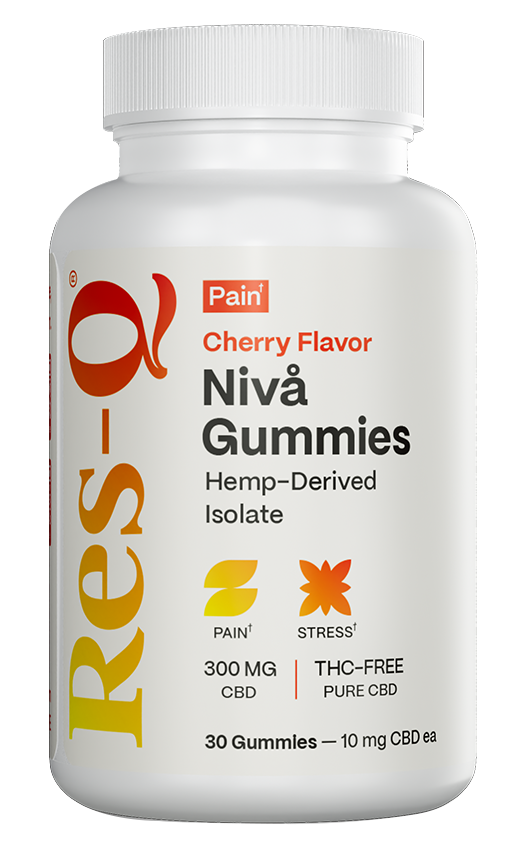
The CBD Your Body ACTUALLY ABSORBS
Most CBD passes right through you. This one doesn't — 440% better absorption, zero THC, made in the U.S.
See Why People Are SwitchingPractical Tips for Georgia Cannabis Consumers
For Medical Patients
Get your registry card. The process starts with your physician. Make sure they’re familiar with the Hope Act and comfortable recommending low-THC oil. Not every doctor in Georgia is, so you may need to seek out a provider who specializes in this area. The GAMCC website has information on the application process.
Keep your card current. It expires every two years. Possession of low-THC oil without a valid card is illegal, even if you have a qualifying condition. Don’t let it lapse.
Track dispensary openings. The licensed producers have been gradually opening new locations. Check georgiacannabis.org and the GAMCC for updates on where you can purchase products near you.
For CBD Shoppers
Ask for COAs before buying. If the store can’t provide them, find another store. Check that the lab listed on the COA is ISO 17025 accredited. Verify the batch number on the COA matches the product you’re purchasing.
Start with a low dose. CBD affects everyone differently. Body weight, metabolism, and the specific condition you’re addressing all play a role. A common starting point for tinctures is 10–25 milligrams per day. Adjust from there based on how you respond.
Keep receipts and packaging. If you’re ever questioned about a product, having the original packaging with lab results and THC content listed can help establish that you’re in legal compliance.
For Business Owners
Stay current on SB 494 and any subsequent legislation. The rules around hemp-derived products are evolving. Compliance requirements for testing, labeling, and age verification are real, and violations carry penalties.
Build relationships with reputable suppliers. Your reputation depends on the quality of what you stock. One bad batch of untested product can destroy customer trust and invite regulatory scrutiny.
Consider joining the Georgia Hemp Industry Association or similar trade groups. These organizations track legislation, offer compliance guidance, and give you a collective voice when new regulations are proposed.
Wrapping It Up
Georgia’s cannabis landscape is evolving — slowly, unevenly, but unmistakably. From the medical low-THC oil program to the booming CBD retail market to the regulatory questions around delta-8, there’s a lot happening. And making sense of it all without a reliable, state-specific resource is harder than it should be.
That’s the role georgiacannabis plays. Whether you’re a patient, a consumer, a business owner, or just someone trying to understand the law, having a Georgia-focused source of accurate, current information isn’t a luxury. It’s a necessity in a market this complex and a legal environment this fragmented.
Read the rest of our articles and more useful info down below!