

More people are looking for answers about bipolar disorder and CBD than at any point in the last decade. The reasoning tracks. Standard medications for bipolar disorder — lithium, valproate, antipsychotics — work for many people, but they carry side effects ranging from weight gain to cognitive fog to kidney damage with long-term use. When someone hears that CBD might help with mood regulation, anxiety, and sleep without those same trade-offs, the curiosity is justified.
But the research is still early. Not nonexistent — early. There are preclinical studies, a handful of case reports, and some promising biological mechanisms that deserve serious attention. There are also real risks, especially for anyone already taking psychiatric medication. This article breaks down what we actually know about bipolar disorder and CBD as of 2026 — what the studies say, what they don’t say, and what you need to weigh before trying it.
Tired of guessing which CBD actually works?
Find What Works for Your Body
A less-than 60 second wellness match for adults exploring plant-based relief
What’s bothering you most right now?
Select the one that impacts your day the most
How long have you been dealing with this?
There's no wrong answer — this helps us tailor your match
How much does it affect your daily routine?
Be honest — this shapes your recommendation
What have you tried so far?
Knowing what hasn't worked helps us find what will
How familiar are you with CBD?
No judgment — everyone starts somewhere
What sounds easiest to add to your routine?
Think about what fits your lifestyle, not what sounds fancy
What matters most to you in a product?
Pick the one that would seal the deal for you
YOUR MATCH IS READY
We'll include your personalized match plus a first-timer's guide based on your answers.
Where should we send your recommendation?
🔒 No spam, ever. Your info is kept 100% secure.
If you'd rather not wait — based on your answers about your symptoms, we'd point you straight to our trusted partner.
Skip to My Match →A Quick Overview of Bipolar Disorder
Bipolar disorder is a psychiatric condition that causes distinct shifts in mood, energy, and activity levels. It goes well beyond everyday mood swings. It involves defined episodes of mania (or hypomania) and depression that can stretch across days, weeks, or months.
Two main types exist. Bipolar I involves full manic episodes — stretches of extremely elevated mood, reduced need for sleep, impulsive decision-making, and sometimes psychotic features. Bipolar II involves hypomanic episodes (less severe) alternating with major depressive episodes. Cyclothymic disorder is a third category, involving chronic fluctuating mood states that don’t meet the full diagnostic threshold for either type.
According to the National Institute of Mental Health, roughly 2.8% of U.S. adults experienced bipolar disorder in the past year, and about 4.4% will deal with it at some point in their lifetime. Onset typically happens during late adolescence or early adulthood.
Standard treatment usually involves mood stabilizers like lithium or valproate, atypical antipsychotics such as quetiapine or aripiprazole, and occasionally antidepressants — used carefully, because they can trigger mania in some patients. Cognitive behavioral therapy and other psychotherapy modalities also play an important role in long-term management.
These treatments help many people. But medication adherence is a persistent problem. Side effects, cost, limited access to psychiatrists — all of it pushes people to explore alternatives or add-on options. That context is what makes the growing interest in CBD understandable.
Can CBD Help with Bipolar Disorder?
There are no large-scale randomized controlled trials studying CBD specifically for bipolar disorder. Zero. As of 2026, the evidence base is limited to preclinical research — animal studies and cell models — a small number of published case reports, and extrapolations from studies on related psychiatric conditions like anxiety, psychosis, and epilepsy.
That does not make CBD useless for bipolar disorder. It means we lack the definitive proof that clinicians need before writing formal recommendations.
What Preclinical Research Tells Us
Animal studies have demonstrated that CBD has anxiolytic (anti-anxiety), antipsychotic, and neuroprotective properties. Research published in Frontiers in Immunology highlighted CBD’s anti-inflammatory effects within the central nervous system. This matters because neuroinflammation has been linked to both depressive and manic episodes in bipolar disorder.
CBD appears to modulate the endocannabinoid system, interact with serotonin receptors (specifically the 5-HT1A receptor), and influence dopamine signaling. All three of those pathways are directly relevant to mood disorders.
A 2015 review by Blessing et al. in Neurotherapeutics examined existing preclinical and clinical evidence for CBD as a treatment for anxiety disorders. The review wasn’t bipolar-specific, but the underlying mechanisms overlap enough to matter. CBD reduced anxiety-related behaviors across multiple animal models, and the few human studies available at the time showed similar trends.
The Case Report Evidence
A small number of published case reports describe individuals with bipolar disorder using CBD. In some instances, patients reported improvements in anxiety and sleep quality without triggering mood destabilization. But case reports sit at the lowest tier of clinical evidence. They’re useful for forming hypotheses. They can’t support conclusions on their own.
One area drawing clinical interest: CBD’s antipsychotic properties. A 2018 study by McGuire et al. in the American Journal of Psychiatry tested 1,000 mg per day of CBD as an add-on treatment for schizophrenia. Participants who received CBD showed lower levels of positive psychotic symptoms compared to those on placebo. This has relevance for bipolar disorder, since psychotic features can appear during severe manic episodes and some overlapping neurotransmitter pathways are involved.
Schizophrenia and bipolar disorder are not the same condition, though. Applying results from one diagnosis to another requires caution. The underlying biology is related but distinct.
What We Still Don’t Know
We don’t know the right dose of CBD for mood stabilization. We don’t know whether it’s more useful during depressive episodes, manic episodes, or as a maintenance treatment between episodes. We don’t know how it interacts with every bipolar medication currently prescribed. We don’t have long-term safety data for daily CBD use in people with this specific diagnosis.
These aren’t minor gaps. They’re foundational questions that require controlled studies to answer reliably.
How CBD Interacts with the Brain
To understand why bipolar disorder and CBD keep ending up in the same conversation, you need a basic picture of CBD’s pharmacology.
The Endocannabinoid System and Mood Regulation
Your body runs an endocannabinoid system (ECS). It’s a signaling network made up of receptors — primarily CB1 and CB2 — along with endogenous cannabinoids like anandamide and 2-AG, plus enzymes responsible for breaking those cannabinoids down. The ECS is involved in regulating mood, appetite, pain, sleep, and immune function.
CBD doesn’t bind directly to CB1 or CB2 receptors the way THC does. It works indirectly. CBD inhibits FAAH, the enzyme that degrades anandamide. Higher circulating levels of anandamide are associated with improved mood. CBD also activates the 5-HT1A serotonin receptor — the same target that several antidepressants and anti-anxiety medications act on.
Several studies have found altered endocannabinoid levels in patients with bipolar disorder compared to healthy controls. This suggests that the ECS could be involved in the pathophysiology of the condition, and that modulating this system — through CBD or other compounds — might have therapeutic potential.
Anti-Inflammatory Mechanisms
Chronic low-grade neuroinflammation is increasingly recognized as a contributing factor in bipolar disorder. Elevated levels of pro-inflammatory cytokines, including IL-6 and TNF-alpha, have been measured during both manic and depressive episodes in multiple studies.
CBD has well-established anti-inflammatory properties. It reduces cytokine production in preclinical models and lowers inflammatory markers in both animal and early human research. If neuroinflammation is driving some portion of bipolar symptoms, CBD’s anti-inflammatory action could theoretically offer benefit. But this mechanism hasn’t been tested in a controlled bipolar-specific clinical trial.
Looking For Something Pure & Potent?
If your current CBD isn't full-spectrum and U.S.-sourced, you're wasting money
Check Out This Full-Spectrum, American Made CBDWhich CBD Oil Is Best for Bipolar Disorder
This question comes up constantly. The straightforward answer: there is no clinically validated “best” CBD oil for bipolar disorder, because no trials have compared products head to head in this population. But informed decisions are still possible based on what we know about CBD formulations and the specific risks that come with bipolar disorder.
Full-Spectrum, Broad-Spectrum, or Isolate
Full-spectrum CBD contains all the cannabinoids, terpenes, and flavonoids present in the hemp plant. That includes trace amounts of THC — up to 0.3% by federal law. Many wellness practitioners lean toward full-spectrum products because of the “entourage effect,” the idea that these compounds work more effectively together than alone.
But here’s a critical point for people with bipolar disorder. THC, even at low concentrations, can trigger manic or psychotic episodes in susceptible individuals. A 2019 study by Di Forti et al. in The Lancet Psychiatry found that daily use of high-potency THC products was associated with increased odds of psychotic disorders. While 0.3% THC is a small amount, the risk is not zero. With daily use and higher CBD doses, trace THC accumulates.
Broad-spectrum CBD retains most of the hemp plant’s compounds but has the THC removed entirely. For someone managing bipolar disorder, this formulation offers some entourage benefit without the THC variable.
CBD isolate is pure cannabidiol — 99% or higher purity, no other cannabinoids or terpenes. It’s the most predictable option. When you’re managing a condition where stability matters as much as it does with bipolar disorder, predictability has value.
What to Look for in a Product
Third-party lab testing is non-negotiable. Reputable CBD companies publish a Certificate of Analysis (COA) for every batch they produce. The COA confirms how much CBD is actually in the product, whether THC is present and at what level, and whether the product has been screened for heavy metals, pesticides, and residual solvents.
Choose products made from U.S.-grown hemp. Verify the extraction method — CO2 and ethanol-based extraction are industry standards. Stay away from products that make disease-specific claims directly on the label. That’s an FDA violation, and it signals that the company may not be operating with the level of rigor you need.
Delivery format also matters. Sublingual oils — drops held under the tongue for 30 to 60 seconds — offer faster absorption and more consistent dosing than gummies, capsules, or topicals. When managing a mood disorder, consistent blood levels of any compound you’re using matters more than convenience.
Dosing Considerations for Bipolar Disorder
No established dose exists for CBD in bipolar disorder. Across psychiatric research, study doses have ranged from 25 mg to 600 mg per day for anxiety, and up to 1,000 mg per day in the McGuire schizophrenia trial. That’s an enormous range.
Clinicians who are open to CBD in this context typically recommend starting low — 5 to 10 mg per day — and increasing gradually over several weeks. Slow titration allows you to observe effects without overwhelming your system.
Keeping a mood journal is essential. Record your daily CBD dose alongside your sleep duration, mood rating (on whatever scale works for you — 1 to 10 is fine), energy level, any side effects, and any changes in how your existing medications feel. This kind of self-tracking gives you and your psychiatrist actual data to work with, rather than vague impressions.
Do not reduce or stop your prescribed bipolar medication because CBD seems to be helping. That decision needs to happen in collaboration with your treatment provider, based on clinical assessment and labs — not based on a few good weeks.
Real Experiences from People Living with Bipolar Disorder
Online communities — Reddit’s r/bipolar, various Facebook groups, and dedicated patient forums — contain thousands of anecdotal reports from people who’ve tried CBD alongside standard treatment. The results are mixed. Which is exactly what you’d expect when controlled research hasn’t caught up yet.
Some people report that CBD helps them fall asleep and stay asleep more consistently. That’s not trivial. Sleep disruption is both a trigger and a hallmark symptom of bipolar episodes. Stabilizing sleep architecture can downstream-affect mood stability in meaningful ways.
Others say CBD reduces their inter-episode anxiety — the low-level dread between major mood episodes — without the sedation that comes with benzodiazepines. One 34-year-old woman shared in a widely discussed forum post that adding 25 mg of broad-spectrum CBD oil at bedtime to her existing regimen of lamotrigine and quetiapine improved her sleep onset and reduced morning grogginess after about three weeks. She tracked her mood daily and reported no destabilization over six months of consistent use.
Not every story goes that way. Some people report feeling emotionally flat or blunted on CBD. Others describe increased anxiety at higher doses — a paradoxical reaction that does appear in some research literature. A smaller number of users have reported hypomanic symptoms after starting CBD, though in most of these accounts, the products involved contained THC or the THC content was unverified.
Individual forum posts are not clinical evidence. But they are data points. They tell us that responses vary widely and that careful, documented self-monitoring is non-optional if you decide to try this.
Risks and Side Effects You Need to Take Seriously
CBD is generally well-tolerated. The World Health Organization’s 2017 Expert Committee on Drug Dependence concluded that CBD exhibits a good safety profile with no evidence of abuse potential or dependence. The most commonly reported side effects are fatigue, diarrhea, changes in appetite, and dry mouth.
But “generally well-tolerated” is not the same as “safe for everyone in every clinical situation.”
Drug Interactions Are the Primary Concern
CBD is metabolized by the cytochrome P450 enzyme family in the liver — specifically CYP3A4 and CYP2C19. Many psychiatric medications travel through the same metabolic pathway.
In practical terms, CBD can increase the circulating blood levels of certain medications by slowing their breakdown. This includes several mood stabilizers and antipsychotics commonly prescribed for bipolar disorder.
Lithium toxicity is a real and dangerous clinical event. Symptoms include tremor, nausea, confusion, and in severe cases, seizures or kidney failure. If CBD affects lithium’s metabolism — and we don’t yet have robust interaction data for this specific pair — the consequences could be medically serious. Valproate, carbamazepine, lamotrigine, and quetiapine all have known interactions with CYP enzymes as well.
Anyone taking bipolar medication should discuss CBD with their prescribing psychiatrist before starting. That conversation should include a plan for monitoring blood levels more frequently during the initial weeks of CBD use.
The THC Variable
Any CBD product containing THC — even the legally permitted 0.3% — introduces additional risk for people with bipolar disorder. THC is a CB1 receptor agonist. It increases dopamine release in the mesolimbic pathway. In individuals predisposed to mania or psychosis, that’s a pharmacologically active effect, not a neutral one.
If you’re exploring CBD and you have bipolar disorder, THC-free formulations — broad-spectrum or isolate — represent the more cautious choice based on existing evidence.
What Clinicians and Researchers Are Saying Right Now
The clinical community is cautious but engaged. Dr. Esther Blessing, a psychiatrist and researcher at NYU Langone Health, has been involved in clinical trials examining CBD for anxiety and PTSD. Her work reinforces that CBD has genuine pharmacological activity — it’s not functioning as a placebo — but that psychiatric applications need their own rigorous, condition-specific trials before clinical adoption.
A 2020 systematic review on CBD and mood disorders noted that existing evidence “warrants further investigation” but that the lack of bipolar-specific data makes formal clinical recommendations premature. Multiple research groups have called for funded, randomized controlled trials focused specifically on CBD in bipolar populations.
The consensus comes down to this: CBD is a pharmacologically interesting compound with plausible mechanisms relevant to mood regulation. But interest doesn’t equal evidence. Plausibility doesn’t equal proof. And self-experimentation without medical guidance — in the context of a condition as clinically complex as bipolar disorder — carries risks that shouldn’t be dismissed.
Frequently Asked Questions About Bipolar Disorder and CBD
Can CBD help with bipolar disorder?
Possibly, but definitive evidence doesn’t exist yet. Preclinical studies show CBD has anti-anxiety, antipsychotic, and anti-inflammatory properties that could benefit people with bipolar disorder. No large clinical trial has tested this directly. Some individuals report subjective improvements in sleep and anxiety. Others report no effect or negative reactions. If you’re considering it, involve your psychiatrist in the decision.
Which CBD oil is best for bipolar disorder?
No clinically validated answer exists. Broad-spectrum or CBD isolate products are generally considered safer options for people with bipolar disorder because they contain no THC. Look for products backed by third-party Certificates of Analysis, made from U.S.-grown hemp, and extracted using CO2 or ethanol methods. Sublingual oils provide more precise dosing than edibles.
Can CBD cause a manic episode?
Pure CBD is unlikely to trigger mania based on its known pharmacology. However, CBD products that contain THC could increase mania risk. THC activates CB1 receptors and increases dopamine activity, which can provoke manic or psychotic symptoms in vulnerable individuals. Always confirm that your CBD product is THC-free by reviewing the batch-specific lab report.
Is it safe to take CBD with lithium?
The data on this specific combination is limited. CBD inhibits certain CYP450 liver enzymes that may play a role in lithium metabolism, potentially raising lithium blood levels. Elevated lithium concentrations can lead to toxicity — a medical emergency. Do not add CBD to a lithium regimen without your prescribing doctor’s knowledge and a plan for more frequent lithium blood level checks.
How much CBD should I take if I have bipolar disorder?
No established therapeutic dose exists. Most clinicians who support cautious exploration recommend starting at 5 to 10 mg daily and titrating upward slowly over weeks. Track your dose, sleep, mood, and any side effects in a daily journal. Share this data with your psychiatrist. Never adjust your prescribed bipolar medications based on your CBD experience without professional guidance.
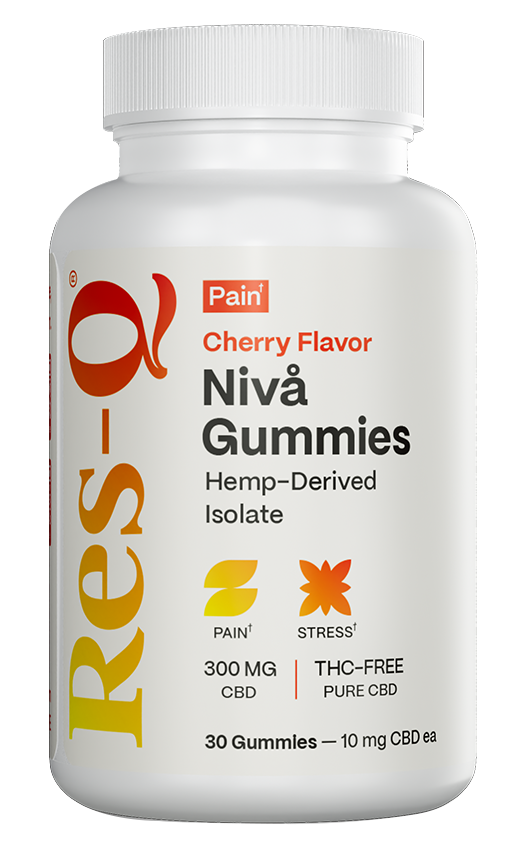
The CBD Your Body ACTUALLY ABSORBS
Most CBD passes right through you. This one doesn't — 440% better absorption, zero THC, made in the U.S.
See Why People Are SwitchingMoving Forward with What We Know
The conversation around bipolar disorder and CBD is moving. The science trails behind public interest — that gap is just the current reality. Controlled clinical trials require years of work and significant funding. Meanwhile, people managing bipolar disorder are searching for better options right now.
What you can do today: stay current with the research, approach any supplement with appropriate caution, and keep your treatment team in the loop. CBD may eventually prove to be a useful adjunct for certain people with bipolar disorder. Or it may not hold up once proper trials are completed. Making that determination based on real evidence — rather than marketing copy or a handful of Reddit posts — gives you the strongest foundation for a good outcome.
Read the rest of our articles and more useful info down below!