

Can CBD Cure Psychosis? Understanding the Evidence
Can CBD cure psychosis? The question keeps gaining traction as CBD products become more accessible and mental health research pushes into new territory. The direct answer is no — CBD is not a proven cure for psychosis. No regulatory body has approved it for that purpose. No clinical trial has demonstrated a cure.
But the conversation doesn’t end there. Multiple peer-reviewed studies suggest CBD may have antipsychotic properties. Some researchers believe it could eventually play a role in treatment plans. Others remain cautious. And separate from the potential benefits, there are real concerns about whether CBD can cause psychosis under certain conditions, and how THC psychosis fits into the broader picture.
This article covers all of it. Clinical trials, expert opinions, risks, side effects, and the critical difference between CBD and THC when it comes to psychotic disorders. Everything here is grounded in published research and current medical consensus.
Tired of guessing which CBD actually works?
Find What Works for Your Body
A less-than 60 second wellness match for adults exploring plant-based relief
What’s bothering you most right now?
Select the one that impacts your day the most
How long have you been dealing with this?
There's no wrong answer — this helps us tailor your match
How much does it affect your daily routine?
Be honest — this shapes your recommendation
What have you tried so far?
Knowing what hasn't worked helps us find what will
How familiar are you with CBD?
No judgment — everyone starts somewhere
What sounds easiest to add to your routine?
Think about what fits your lifestyle, not what sounds fancy
What matters most to you in a product?
Pick the one that would seal the deal for you
YOUR MATCH IS READY
We'll include your personalized match plus a first-timer's guide based on your answers.
Where should we send your recommendation?
🔒 No spam, ever. Your info is kept 100% secure.
If you'd rather not wait — based on your answers about your symptoms, we'd point you straight to our trusted partner.
Skip to My Match →What Is Psychosis?
Psychosis is not a single illness. It is a set of symptoms that distort how the brain processes reality. A person experiencing psychosis may have hallucinations — hearing voices or seeing things that are not there. They may have delusions — fixed, false beliefs that resist evidence. Thinking may become disorganized, making speech hard to follow.
Several conditions can produce psychosis. Schizophrenia is the most commonly associated diagnosis. Bipolar disorder can involve psychotic episodes during severe manic or depressive phases. Severe major depression sometimes includes psychotic features. Substance use — particularly heavy cannabis or stimulant use — can also induce psychotic states.
According to the National Alliance on Mental Illness (NAMI), roughly 3 out of every 100 people will experience at least one psychotic episode during their lifetime. First episodes most commonly appear between the late teens and mid-twenties.
Standard treatment involves antipsychotic medications such as risperidone, olanzapine, or clozapine. These drugs are effective for many patients, but they carry significant side effects. Weight gain of 10 to 30 pounds within the first year is common. Metabolic syndrome, sedation, tremors, and emotional blunting are well-documented concerns. These side effects are a major reason patients stop taking their medication — and a major reason researchers have been investigating alternatives like CBD.
Can CBD Cure Psychosis? What the Clinical Research Shows
No clinical study has demonstrated that CBD can cure psychosis. That needs to be stated clearly before discussing what the research does show. There is no shortcut around that fact.
However, several trials have produced results that researchers describe as promising. The two most frequently cited studies come from teams in London and Germany.
The McGuire Trial at King’s College London (2018)
Published in the American Journal of Psychiatry, this randomized, double-blind, placebo-controlled trial enrolled 88 patients with schizophrenia. All patients were already taking antipsychotic medication. Half received 1,000 mg of pharmaceutical-grade CBD daily as an add-on. The other half received a placebo.
After six weeks, the CBD group showed statistically significant reductions in positive psychotic symptoms — the hallucinations and delusions that define active psychosis. Clinicians rated the CBD group as more improved overall. The patients themselves also reported feeling better. Side effects were mild and comparable to placebo.
This was a well-designed study. It was also small. Eighty-eight patients across six weeks is not enough to draw definitive conclusions about long-term efficacy or safety. And importantly, CBD was added on top of existing antipsychotic treatment. It was not tested as a standalone therapy.
The Leweke Study in Cologne (2012)
Published in Translational Psychiatry, this earlier trial by Markus Leweke compared CBD directly against amisulpride — a conventional antipsychotic — in 42 patients experiencing acute schizophrenia. Patients received either CBD (starting at 200 mg daily, increased to 800 mg) or amisulpride over four weeks.
Both groups improved at roughly similar rates on standard symptom scales. But the CBD group experienced significantly fewer side effects. Weight gain, hormonal changes, and movement problems — all common with amisulpride — were largely absent in the CBD group.
The study also measured blood levels of anandamide, an endocannabinoid the body produces naturally. Patients in the CBD group had higher anandamide levels, and those higher levels correlated with greater symptom improvement. This finding gave researchers a possible mechanistic explanation for CBD’s effects.
Forty-two patients is a very small sample. The study has not been replicated at the same scale. But it remains one of the only head-to-head comparisons between CBD and a standard antipsychotic, and the results were noteworthy enough to fuel further investigation.
Is CBD Good for Psychosis?
Whether CBD is good for psychosis depends on how that question is framed. As a cure or standalone treatment, the evidence isn’t there. As a potential supplementary therapy under medical supervision, the picture looks different.
The McGuire trial suggests CBD may reduce positive psychotic symptoms when combined with conventional antipsychotics. For patients who respond poorly to standard medication — and roughly 30% of schizophrenia patients are classified as treatment-resistant — even modest improvements can be meaningful.
There are secondary benefits to consider as well. Anxiety is extremely common in people with psychotic disorders. A 2019 review in The Permanente Journal found that CBD reduced anxiety scores in 79.2% of participants within the first month. Sleep disruption, another frequent complaint, also showed improvement. These aren’t direct antipsychotic effects, but they matter for overall functioning and quality of life.
The flip side is that “good for psychosis” can create a false sense of security. Someone reading that phrase might interpret it as permission to self-treat, delay seeking psychiatric care, or stop prescribed medication. That interpretation can be genuinely dangerous. Psychotic disorders carry risks of self-harm, inability to function, and hospitalization during acute episodes.
So is CBD good for psychosis? As a research direction, yes. As a supplement discussed with and monitored by a psychiatrist, possibly. As a replacement for established treatment, absolutely not.
How CBD Interacts with the Brain
CBD does not work the way traditional antipsychotics do. Most conventional antipsychotic drugs block dopamine D2 receptors in the mesolimbic pathway. That mechanism is effective at reducing hallucinations and delusions, but it also suppresses dopamine activity in other brain areas, causing the side effects patients struggle with — weight gain, sedation, emotional flattening, and movement disorders.
CBD appears to operate through several different pathways. Research published across multiple journals suggests the following mechanisms:
First, CBD inhibits the enzyme fatty acid amide hydrolase (FAAH), which breaks down anandamide. By blocking FAAH, CBD raises anandamide levels in the brain. The Leweke study found a direct correlation between increased anandamide and reduced psychotic symptoms.
Second, CBD interacts with serotonin 5-HT1A receptors. These receptors are involved in anxiety regulation and mood. This interaction may explain the anxiolytic effects reported in CBD studies and could have indirect benefits for people whose psychotic symptoms worsen under stress.
Third, neuroimaging studies have shown that a single dose of CBD can modulate activity in the striatum and medial temporal cortex — brain regions that show abnormal activation patterns in people with psychosis. A 2018 study by Sagnik Bhattacharyya, published in JAMA Psychiatry, found that 600 mg of CBD partially normalized brain function in these areas in people at clinical high risk for psychosis.
This multi-target profile is what makes CBD pharmacologically interesting. It may offer some antipsychotic-like effects without the concentrated dopamine blockade that causes so many problems with existing drugs. But pharmacological interest and clinical proof are separated by years of additional research.
Can CBD Cause Psychosis?
This question deserves a layered answer, because the simple version can be misleading in either direction.
Pure CBD isolate — meaning cannabidiol with no detectable THC — has not been shown to cause psychosis in any published clinical trial. The pharmacological evidence actually points in the opposite direction. CBD appears to have antipsychotic, not pro-psychotic, properties.
But here is where real-world conditions complicate things. Most CBD products sold commercially are not pharmaceutical-grade isolate. Full-spectrum CBD oil contains the full range of cannabinoids found in the hemp plant, including THC at levels up to 0.3%. Broad-spectrum products are supposed to have THC removed, but testing inconsistencies exist.
A 2020 study published in JAMA found that of 84 CBD products purchased online, 26% contained less CBD than labeled, and 21% contained detectable THC. A separate analysis from the Center for Food Safety in 2024 confirmed that roughly one in four CBD products had inaccurate cannabinoid labeling.
For someone with no psychiatric vulnerabilities, trace THC in a mislabeled product is unlikely to matter. For someone with a family history of schizophrenia, a prior psychotic episode, or a known genetic risk factor, even small amounts of THC could be problematic.
So can CBD cause psychosis? Pure, verified CBD — based on current evidence — does not appear to. But a poorly labeled product containing undisclosed THC is a different substance with different risks. The label on the bottle matters less than the certificate of analysis from an independent lab.
Looking For Something Pure & Potent?
If your current CBD isn't full-spectrum and U.S.-sourced, you're wasting money
Check Out This Full-Spectrum, American Made CBDTHC Psychosis: The Other Side of Cannabis
THC psychosis is one of the most well-documented links between cannabis and mental health. Unlike CBD, delta-9-tetrahydrocannabinol (THC) is psychoactive. It produces the “high” associated with marijuana. And at high doses or with chronic use, it can produce psychotic symptoms — even in people who have never had a psychiatric diagnosis.
How THC Differs from CBD in the Brain
THC binds directly to CB1 cannabinoid receptors in the brain. CB1 receptors are concentrated in the prefrontal cortex, hippocampus, and basal ganglia — areas involved in decision-making, memory, and movement. When THC activates these receptors, it increases dopamine release in the mesolimbic pathway. That same pathway is overactive in schizophrenia.
CBD does not activate CB1 receptors in the same way. Some preclinical evidence suggests CBD may act as a negative allosteric modulator of CB1, meaning it can dampen the receptor’s response to other agonists like THC. This is one proposed explanation for why cannabis strains with higher CBD-to-THC ratios appear to carry lower psychosis risk.
A landmark 2019 study published in The Lancet Psychiatry, led by Marta Di Forti, examined 901 patients with first-episode psychosis across 11 sites in Europe and Brazil. The study found that daily use of high-potency cannabis (THC content above 10%, low CBD) was associated with a fivefold increase in odds of developing a psychotic disorder compared to people who never used cannabis. In London, where high-potency skunk dominates the market, the researchers estimated that about 30% of new psychosis cases could be attributed to daily high-potency cannabis use.
That finding was not about CBD. It was about high-THC, low-CBD cannabis products. The distinction is critical and often lost in headlines that lump all cannabis-derived substances together.
Risk Factors for THC-Related Psychosis
THC does not cause psychosis in every user. Specific risk factors elevate vulnerability. A family history of psychotic disorders — particularly a first-degree relative with schizophrenia — is the strongest predictor. Personal history of a prior psychotic episode significantly raises the risk of recurrence with THC exposure.
Age of first use matters. Research consistently shows that cannabis use before age 15 carries a higher psychosis risk than use beginning in adulthood. Frequency and potency of use compound the risk. Daily users of high-THC products face substantially greater odds than occasional users of lower-potency cannabis.
Genetic factors play a measurable role. Variations in the AKT1 gene, which affects dopamine signaling in the striatum, have been associated with increased psychosis susceptibility in cannabis users. A 2012 study in Biological Psychiatry found that individuals carrying a specific AKT1 variant who used cannabis daily were seven times more likely to develop a psychotic disorder.
Real Cases and Clinical Observations
A case report published in Frontiers in Psychiatry in 2020 described a 28-year-old male patient in London with treatment-resistant schizophrenia. He had been through three antipsychotic medications with limited symptom control and significant side effects including a 25-pound weight gain on olanzapine. His treatment team introduced pharmaceutical-grade CBD at 600 mg daily as an adjunct therapy.
Over 12 weeks, his scores on the Positive and Negative Syndrome Scale (PANSS) dropped by approximately 40% on the positive symptom subscale. His weight stabilized. He reported sleeping through the night for the first time in over a year. His treating psychiatrist noted that while the improvement was encouraging, it was unclear how much was attributable to CBD versus the natural fluctuation of the illness.
One case report is not evidence of a cure. It is an observation that warrants further investigation. But for a patient who had failed three medications, a 40% reduction in positive symptoms alongside better sleep and stable weight represents a meaningful change in daily life.
Online forums and mental health communities contain mixed reports. Some individuals with psychotic disorders describe reduced anxiety and improved sleep with CBD. Others report no change. A small number describe increased agitation or discomfort. Without controlled conditions, dosage verification, and product testing, these reports cannot be attributed to CBD with any certainty. They do, however, illustrate the demand for alternative options among people living with psychotic disorders.
What Psychiatrists and Medical Organizations Say
The World Health Organization published a critical review of CBD in 2018. The report concluded that CBD is generally well-tolerated, has a good safety profile, and shows no evidence of abuse potential or dependence. The WHO did not endorse CBD as a treatment for psychosis or any other specific condition but acknowledged the emerging research as worthy of continued study.
No major psychiatric organization currently recommends CBD for psychosis treatment. The American Psychiatric Association has not issued specific guidelines on CBD use in psychotic disorders. The Royal College of Psychiatrists in the UK has acknowledged the McGuire study’s findings while emphasizing that clinical evidence remains insufficient for formal recommendations.
Dr. Philip McGuire, the lead researcher behind the 2018 trial, has been consistent in interviews about the limitations of his findings. He has described CBD as a potential “add-on therapy” that could be particularly valuable for patients who tolerate standard antipsychotics poorly. He has also stressed that replacing conventional treatment with CBD is not supported by his data.
The National Institute for Health and Care Excellence (NICE) in the UK has not included CBD in its psychosis or schizophrenia treatment guidelines. The U.S. Food and Drug Administration (FDA) has approved only one CBD-based medication — Epidiolex — and that approval is for specific forms of epilepsy, not psychosis.
The consensus among experts amounts to cautious interest. The research is promising enough to continue. The evidence is not yet strong enough to change how psychosis is treated in clinical practice.
Risks and Side Effects of Using CBD for Psychosis
CBD has a favorable side effect profile compared to antipsychotic medications. That is consistent across most studies. Common side effects include fatigue, changes in appetite, diarrhea, and dry mouth. At very high doses (above 1,500 mg daily), some studies have observed elevated liver enzymes, suggesting the need for monitoring in long-term use.
The more serious concern for people with psychotic disorders is drug interactions. CBD is metabolized by cytochrome P450 enzymes in the liver — specifically CYP3A4 and CYP2D6. These are the same enzymes responsible for processing many antipsychotic medications, including clozapine, haloperidol, and quetiapine.
A 2019 review in Cannabis and Cannabinoid Research confirmed that CBD inhibits CYP3A4 and CYP2D6 activity. In practical terms, this means taking CBD alongside an antipsychotic could increase the blood concentration of that medication. Higher blood levels can intensify both therapeutic effects and side effects. For a drug like clozapine — which already requires regular blood monitoring due to the risk of agranulocytosis — this interaction is not trivial.
Conversely, if CBD were to induce rather than inhibit certain enzyme pathways, it could reduce the effectiveness of an antipsychotic. Either direction — too much or too little medication reaching the brain — is potentially destabilizing for someone managing a psychotic disorder.
Then there is the regulatory gap. CBD products sold as supplements are not subject to the same manufacturing standards as pharmaceuticals. Potency, purity, and contaminant levels vary widely. A person who believes they are taking 500 mg of pure CBD might be getting 300 mg of CBD and 15 mg of THC, depending on the product and brand.
For someone without psychiatric vulnerabilities, these inconsistencies may not matter much. For someone managing schizophrenia or another psychotic disorder, they can matter enormously.
Can CBD Trigger Psychosis? Key Factors to Consider
Triggering psychosis and causing psychosis are related but distinct concepts. Causing implies CBD itself produces psychotic symptoms in someone who would not otherwise experience them. Triggering implies CBD sets off an episode in someone who is already vulnerable — perhaps in a prodromal state, in remission, or carrying genetic risk.
Based on published clinical research, pure CBD does not appear to trigger psychosis. Its pharmacological profile — raising anandamide, modulating serotonin, not activating CB1 receptors — is more consistent with antipsychotic than pro-psychotic activity.
But the real-world scenario is more complicated than a controlled clinical trial. A person who stops their antipsychotic medication to try CBD is not just adding CBD. They are removing a proven treatment. The resulting relapse would be caused by medication discontinuation, not by CBD — but from the patient’s perspective, the timeline makes CBD look responsible.
Product contamination remains a concern. As discussed, full-spectrum products contain THC. Mislabeled products may contain more THC than expected. For a person with schizophrenia in stable remission, unexpected THC exposure is a legitimate trigger risk.
The safest approach is straightforward. Anyone with a history of psychosis who wants to try CBD should do so only under psychiatric supervision, using third-party tested CBD isolate or broad-spectrum products with verified zero THC content. Self-directed experimentation with psychotic disorders carries real consequences.
How to Use CBD Safely with a Psychotic Disorder
If you are living with a psychotic disorder and considering CBD, specific practical steps reduce risk and improve the chances of a useful outcome.
Consult a psychiatrist who knows your full history and current medication regimen. A general practitioner may not have sufficient expertise in antipsychotic drug interactions. A dispensary employee definitely does not. The conversation needs to happen with someone qualified to assess how CBD might interact with your specific treatment.
Choose CBD isolate or broad-spectrum products. Full-spectrum products contain THC. Even at trace levels, THC is a variable you do not need if psychosis is part of your medical history. Broad-spectrum products are processed to remove THC while retaining other cannabinoids. Isolate contains only CBD.
Demand third-party certificates of analysis. Any reputable CBD brand provides lab results from an independent testing facility. These certificates should list exact cannabinoid concentrations (including THC at or below the detection threshold), plus results for pesticides, heavy metals, and residual solvents. If a company cannot provide these documents, their product is not worth the risk.
Start at a low dose and increase gradually. Clinical trials have used doses ranging from 150 mg to 1,500 mg daily. Over-the-counter CBD products often contain far less per serving. Your psychiatrist can help determine a starting dose and an appropriate escalation schedule based on your symptoms and medication.
Track your symptoms daily. Use a simple log to record psychotic symptoms, sleep quality, anxiety levels, appetite, and any new or unusual experiences. Share this record with your treatment team at every appointment. Objective tracking catches changes that subjective memory misses.
Do not adjust or discontinue your antipsychotic medication without explicit guidance from your prescriber. CBD may eventually prove useful as an adjunct therapy, but it is not a replacement for medications that are currently keeping psychotic symptoms managed.
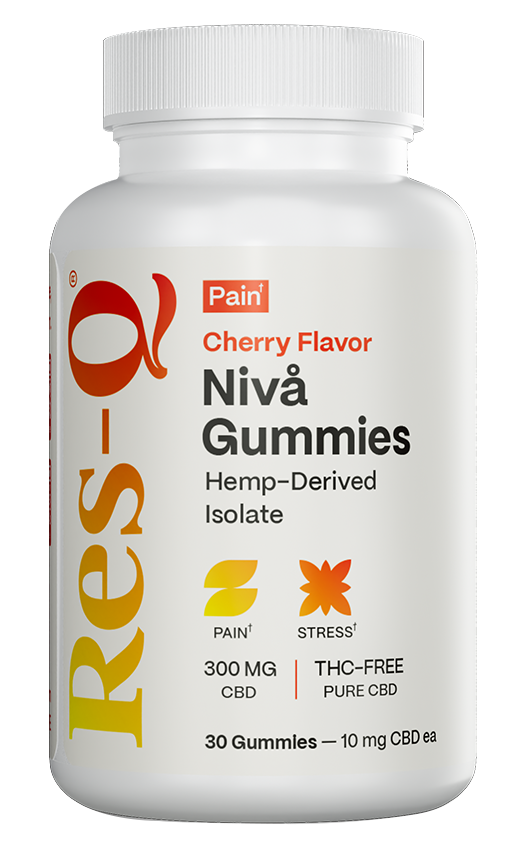
The CBD Your Body ACTUALLY ABSORBS
Most CBD passes right through you. This one doesn't — 440% better absorption, zero THC, made in the U.S.
See Why People Are SwitchingThe Bottom Line on CBD and Psychosis
Can CBD cure psychosis? The honest answer, based on the current body of research, is no. CBD has not been shown to cure schizophrenia, schizoaffective disorder, or any other condition involving psychotic symptoms. No clinical trial, no case study, and no expert recommendation supports that claim.
What the evidence does support is more nuanced and more interesting. CBD appears to have antipsychotic properties. Two well-designed trials found symptom improvement with manageable side effects. Mechanistic research offers plausible explanations for how CBD might work differently from conventional antipsychotics. And the side effect profile looks substantially better than what existing medications deliver.
But promising early results are not the same as established treatment. Larger trials with longer follow-up periods are needed. Standardized pharmaceutical-grade CBD products need to be distinguished from the unregulated consumer market. And the question of whether CBD can cause psychosis — or whether products contaminated with THC can trigger episodes — requires ongoing vigilance from patients, clinicians, and regulators.
If you are researching this topic because psychosis affects your life or the life of someone you care about, the most valuable step you can take is speaking with a qualified psychiatrist. Ask specifically about the current evidence on CBD. Ask about whether it could complement your existing treatment. And critically, take the time to understand whether CBD can trigger psychosis in your specific circumstances — your genetic background, your medication, your product choices. That specificity is what separates informed decision-making from guesswork.
The research moves forward. New trials are underway in the UK, Brazil, and Australia. Answers will sharpen over the next several years. Until then, vigilance, medical guidance, and verified product quality remain the most reliable tools available.
Frequently Asked Questions About CBD and Psychosis
Can CBD replace antipsychotic medication for psychosis?
No. No clinical study supports using CBD as a standalone replacement for antipsychotic medication. The most promising research — including the 2018 McGuire trial — tested CBD as an add-on to existing antipsychotic treatment. Stopping prescribed medication to use CBD instead can lead to symptom relapse and psychiatric hospitalization.
What dose of CBD was used in psychosis research?
The McGuire trial used 1,000 mg of pharmaceutical-grade CBD daily. The Leweke trial used doses between 600 and 800 mg daily. These are considerably higher than the dosages found in most over-the-counter CBD products, which typically contain 10 to 50 mg per serving.
Is CBD legal for use with psychotic disorders?
CBD derived from hemp containing less than 0.3% THC is federally legal in the United States under the 2018 Farm Bill. However, CBD has not been approved by the FDA for treating psychosis or any psychiatric condition. The only FDA-approved CBD product, Epidiolex, is approved for certain types of epilepsy. State and international laws vary.
Can THC cause psychosis even in small amounts?
THC psychosis risk increases with dose and frequency. Daily use of high-potency THC products carries the greatest documented risk. Occasional use of low-potency products in individuals with no psychiatric vulnerability carries a much lower risk. However, people with a family history of psychotic disorders or personal history of psychotic episodes should exercise extreme caution with any THC-containing product.
How long before CBD affects psychosis symptoms?
In the McGuire trial, measurable improvements on symptom scales were observed after six weeks of daily dosing at 1,000 mg. Individual responses may vary depending on the severity of symptoms, concurrent medication, product quality, and dosage. Immediate effects should not be expected.
Is CBD good for psychosis-related anxiety?
Several studies suggest CBD has anxiolytic properties. A 2019 study in The Permanente Journal found anxiety score reductions in 79.2% of participants within the first month of CBD use. While this study was not specific to psychosis patients, anxiety is a common co-occurring symptom in psychotic disorders, and reducing it can improve overall functioning and quality of life.