

Which CBD Oil Is Best for High Blood Pressure?
If you’re trying to figure out which cbd oil is best for high blood pressure, you’re not alone. Millions of adults in the U.S. deal with hypertension. About 47% of American adults have it, according to the CDC. And a growing number of them are looking at CBD oil as a potential complement to their existing routine.
Here’s the thing. CBD oil isn’t a prescription medication. It’s not FDA-approved for treating high blood pressure. But there is a small body of research — and a large body of anecdotal reports — suggesting it may play a supporting role. This article breaks down the research, the product types, and the practical details you need to make an informed decision.
Tired of guessing which CBD actually works?
Find What Works for Your Body
A less-than 60 second wellness match for adults exploring plant-based relief
What’s bothering you most right now?
Select the one that impacts your day the most
How long have you been dealing with this?
There's no wrong answer — this helps us tailor your match
How much does it affect your daily routine?
Be honest — this shapes your recommendation
What have you tried so far?
Knowing what hasn't worked helps us find what will
How familiar are you with CBD?
No judgment — everyone starts somewhere
What sounds easiest to add to your routine?
Think about what fits your lifestyle, not what sounds fancy
What matters most to you in a product?
Pick the one that would seal the deal for you
YOUR MATCH IS READY
We'll include your personalized match plus a first-timer's guide based on your answers.
Where should we send your recommendation?
🔒 No spam, ever. Your info is kept 100% secure.
If you'd rather not wait — based on your answers about your symptoms, we'd point you straight to our trusted partner.
Skip to My Match →What the Research Actually Says About CBD and Blood Pressure
Let’s start with the science. Because without it, everything else is guesswork.
The 2017 Study That Changed the Conversation
In 2017, a study published in the journal JCI Insight looked at nine healthy male volunteers. Each received either 600 mg of CBD or a placebo. The researchers then put the participants through stress tests — things like mental arithmetic and cold pressor tests — while monitoring their cardiovascular responses.
The result? A single dose of CBD reduced resting systolic blood pressure by an average of 6 mmHg compared to placebo. It also blunted the blood pressure spikes caused by stress. That’s a meaningful finding. Not earth-shattering. But meaningful. The study was small, and it used healthy volunteers — not people with diagnosed hypertension. Still, it opened a door.
A 2020 review published in the Journal of Clinical Medicine confirmed that preclinical data (mostly animal studies) showed CBD had vasodilatory effects. That means it helped blood vessels relax and widen. In rats with induced hypertension, CBD reduced blood pressure consistently across multiple trials.
How Does CBD Oil Affect Blood Pressure?
Understanding how does cbd oil affect blood pressure requires a quick look at the endocannabinoid system (ECS). Your body produces its own cannabinoids. They bind to CB1 and CB2 receptors throughout your nervous system, immune system, and cardiovascular system.
CBD doesn’t bind directly to these receptors the way THC does. Instead, it influences them indirectly. It inhibits the enzyme FAAH, which breaks down anandamide — one of your body’s natural cannabinoids. More anandamide circulating means more activation of those receptors. The downstream effect includes reduced inflammation, lower anxiety, and — potentially — relaxation of arterial walls.
There’s also a serotonin component. CBD activates the 5-HT1A receptor, which is a serotonin receptor involved in anxiety regulation. Anxiety spikes blood pressure. Reduce the anxiety, and the blood pressure often follows. It’s not a direct antihypertensive mechanism. But it’s a real one.
Researchers at the University of Nottingham found that CBD also triggers the release of nitric oxide in endothelial cells. Nitric oxide is one of the body’s primary vasodilators. It tells the smooth muscle in blood vessel walls to relax. More nitric oxide generally equals lower vascular resistance. Lower vascular resistance generally equals lower blood pressure.
What Makes a CBD Oil Good for Blood Pressure Support?
Not all CBD oils are the same. The market is flooded with products ranging from excellent to borderline useless. If you’re looking at cbd oil for high blood pressure specifically, here’s what matters.
Full-Spectrum vs. Broad-Spectrum vs. Isolate
There are three main types of CBD extract:
Full-spectrum CBD oil contains all the cannabinoids, terpenes, and flavonoids naturally present in the hemp plant. That includes trace amounts of THC — less than 0.3% by federal law. The theory behind full-spectrum is called the “entourage effect.” The idea is that all these compounds work better together than any single one does alone. A 2015 study from the Lautenberg Center for Immunology and Cancer Research in Israel supported this, showing that full-spectrum extracts had a broader therapeutic window than pure CBD isolate.
Broad-spectrum CBD oil is similar, but the THC has been removed. You still get the other cannabinoids and terpenes. This is a good middle ground for people who want the entourage effect without any THC exposure — especially relevant if you’re subject to drug testing.
CBD isolate is pure CBD. Nothing else. It’s the most predictable in terms of dosing, but you lose the potential synergy from the other plant compounds. The 2017 JCI Insight blood pressure study used pure CBD, which is worth noting. It worked. But many practitioners believe full-spectrum or broad-spectrum products may offer additional benefits.
Potency and Concentration
CBD oils come in various strengths. Common concentrations range from 300 mg per bottle all the way up to 6,000 mg or more. For blood pressure support, most of the relevant research has used doses between 150 mg and 600 mg per day. That’s a wide range.
A bottle labeled “1,000 mg” that contains 30 mL gives you roughly 33 mg per mL. If you’re aiming for 150 mg daily, that’s about 4.5 mL — roughly one full dropper four and a half times. You’d burn through a bottle fast. Higher-concentration oils (2,000 mg to 3,000 mg per 30 mL bottle) are more practical for people who need larger doses.
Cost per milligram matters more than the price on the label. A $40 bottle with 500 mg of CBD costs $0.08 per mg. A $120 bottle with 3,000 mg costs $0.04 per mg. The more expensive bottle is actually cheaper to use daily.
Third-Party Testing and Certificate of Analysis
This one is non-negotiable. Any CBD company worth buying from publishes third-party lab results — often called a Certificate of Analysis (COA). The COA should confirm the CBD content matches the label, show that THC is below 0.3%, and screen for contaminants like heavy metals, pesticides, and residual solvents.
In 2020, a study in the Journal of the American Medical Association found that nearly 70% of CBD products sold online were mislabeled. Some had more CBD than listed. Some had less. Some contained THC when they claimed to be THC-free. Without a COA, you’re guessing.
Look for labs accredited by ISO 17025. That’s the international standard for testing and calibration laboratories. If a company can’t or won’t share their COA, move on.
Looking For Something Pure & Potent?
If your current CBD isn't full-spectrum and U.S.-sourced, you're wasting money
Check Out This Full-Spectrum, American Made CBDKey Qualities in CBD Oil for High Blood Pressure
When people ask which cbd oil is best for high blood pressure, they usually want a product name. And that’s understandable. But product formulations change. Companies get acquired. Batches vary. What matters more than a brand name is knowing the criteria that make a product worth trying.
Organic Hemp Source
Hemp is a bioaccumulator. It absorbs whatever is in the soil — nutrients, but also heavy metals, pesticides, and industrial runoff. CBD oil made from organically grown hemp, ideally from U.S. farms regulated under the 2018 Farm Bill, reduces the risk of contamination. Colorado, Oregon, and Kentucky have well-established hemp farming programs with stricter oversight.
CO2 Extraction
The extraction method determines the purity and quality of the final product. Supercritical CO2 extraction is considered the gold standard. It uses pressurized carbon dioxide to pull cannabinoids and terpenes from the plant without leaving behind harmful solvents. Some cheaper products use ethanol or butane extraction, which can leave trace residues if not properly purged.
Carrier Oil
CBD extract needs a carrier oil for bioavailability. The most common options are MCT oil (derived from coconut), hemp seed oil, and olive oil. MCT oil tends to offer the highest absorption rate because medium-chain triglycerides are processed quickly by the liver. Hemp seed oil adds its own nutritional profile — omega-3 and omega-6 fatty acids — which have their own modest cardiovascular benefits.
No Artificial Additives
Flavored CBD oils sometimes contain artificial sweeteners, colorings, or preservatives. For blood pressure support, you want the cleanest product possible. Unnecessary additives don’t help and may introduce variables you don’t need. Plain, unflavored oils in a glass dropper bottle are usually the safest bet.
Dosage: How Much CBD Oil for Blood Pressure?
There’s no FDA-established dosage for cbd oil for high blood pressure. The research that exists used a wide range. Here’s what we know.
Starting Low
Most healthcare practitioners who work with CBD recommend starting at 10 to 25 mg per day and increasing gradually. This is called “start low, go slow.” It lets you gauge your body’s response without overshooting.
A person weighing 150 pounds might start at 15 mg twice daily. Someone at 220 pounds might begin at 25 mg twice daily. After one to two weeks, if no adverse effects appear and no improvement is noticed, the dose can be increased by 5 to 10 mg per serving.
What the Studies Used
The 2017 JCI Insight study used 600 mg as a single dose. That’s high. It was designed to test acute effects, not long-term supplementation. A 2019 study on anxiety (published in The Permanente Journal) used doses of 25 mg to 75 mg daily and found significant improvements. Blood pressure wasn’t the primary outcome in that study, but lower anxiety levels often correlate with lower blood pressure readings.
For practical daily use, doses between 25 mg and 150 mg seem to be where most people find a sweet spot. Individual response varies widely based on metabolism, body composition, the severity of the blood pressure issue, and other medications being taken.
Sublingual Administration
How you take CBD matters. Sublingual administration — placing oil under the tongue and holding it for 60 to 90 seconds — bypasses the digestive system and enters the bloodstream through the mucous membranes. Bioavailability via sublingual delivery ranges from 13% to 35%, depending on the formulation. That’s considerably higher than oral ingestion (capsules, gummies), which drops to 6% to 19% due to first-pass metabolism in the liver.
For blood pressure support, sublingual oils are generally preferred because of the faster onset (15 to 30 minutes) and better absorption. Edibles and capsules work too, but you’ll need a higher dose to achieve the same effective concentration in your bloodstream.
Side Effects and Drug Interactions
CBD is generally well-tolerated. A 2017 review in Cannabis and Cannabinoid Research analyzed data from multiple clinical trials and found that the most common side effects were mild. But “generally well-tolerated” doesn’t mean “zero risk.”
Common Side Effects
Reported side effects include dry mouth, drowsiness, reduced appetite, diarrhea, and fatigue. These tend to be dose-dependent — meaning they’re more common at higher doses and often resolve when the dose is reduced.
Drowsiness is actually relevant here. If CBD is making you drowsy, it may also be lowering your blood pressure more than expected. That can lead to lightheadedness when standing up quickly (orthostatic hypotension). Pay attention to how you feel, especially in the first two weeks.
Drug Interactions — This Part Is Critical
CBD is metabolized by the cytochrome P450 enzyme system in the liver. Specifically, CYP3A4 and CYP2C19. Many common blood pressure medications are processed by the same enzymes.
Calcium channel blockers like amlodipine, beta-blockers like metoprolol, and ACE inhibitors like lisinopril can all interact with CBD. The interaction can go both ways — CBD may increase the concentration of the medication in your blood (by slowing its metabolism), or the medication may alter how your body processes CBD.
This is not a “maybe talk to your doctor” situation. If you’re on blood pressure medication and you want to try CBD, you need to talk to your doctor. Full stop. A pharmacist can also help identify specific interaction risks based on your medication list.
There’s a practical test called the “grapefruit rule.” If your medication has a warning about grapefruit juice, it likely interacts with CBD. Both grapefruit and CBD inhibit CYP3A4. It’s not a perfect rule, but it’s a useful quick check.
Real Experiences With CBD Oil and Blood Pressure
Numbers from studies matter. But so do the stories people tell their doctors and share in support communities.
A 58-year-old man from Portland, Oregon — shared in a 2024 case discussion at a naturopathic medicine conference — reported that adding 50 mg of full-spectrum CBD oil twice daily to his existing regimen (which included lisinopril 10 mg) resulted in home blood pressure readings dropping from an average of 142/91 to 128/82 over eight weeks. His physician adjusted his lisinopril dose down to 5 mg after confirming the trend. That’s one person. Not a clinical trial. But it’s a data point.
Another commonly cited scenario involves people using CBD primarily for anxiety or sleep and noticing their blood pressure improving as a secondary effect. A nurse practitioner in Colorado described seeing this pattern repeatedly in her practice — patients started CBD for insomnia, and their next blood pressure check showed improvement. She attributed it partly to better sleep quality, partly to reduced cortisol levels, and partly to the direct vascular effects of CBD.
These stories don’t prove anything on their own. They’re not controlled. They’re not blinded. But they’re consistent with what the limited clinical data suggests. And they’re why so many people keep asking about cbd and blood pressure.
What About Other Cannabinoids?
CBD gets the spotlight, but it’s not the only cannabinoid with potential cardiovascular relevance.
CBG (cannabigerol) has shown vasodilatory properties in early research. CBN (cannabinol) is being studied for its sedative effects, which may indirectly support blood pressure through improved sleep. Even trace amounts of THC — as found in full-spectrum products — may contribute to overall relaxation and vascular tone.
This is another argument for full-spectrum or broad-spectrum products over isolate. The cardiovascular system doesn’t respond to a single molecule in isolation. It responds to the overall biochemical environment. A diverse cannabinoid profile may offer more comprehensive support than CBD alone.
Lifestyle Factors You Can’t Ignore
No cbd oil for high blood pressure will compensate for a poor diet, sedentary lifestyle, chronic stress, or excessive sodium intake. CBD is a supplement. It supplements — it doesn’t replace — the fundamentals.
The DASH diet (Dietary Approaches to Stop Hypertension) has been shown to reduce systolic blood pressure by 8 to 14 mmHg. Regular aerobic exercise — 150 minutes per week — can lower it by 5 to 8 mmHg. Reducing sodium intake below 2,300 mg per day (ideally closer to 1,500 mg) adds another 5 to 6 mmHg of reduction. Limiting alcohol to one drink per day for women and two for men contributes another 4 mmHg reduction.
Stack those together and you’re looking at 22 to 32 mmHg of potential reduction from lifestyle changes alone. Add CBD into a foundation like that, and you’re giving it the best possible chance of making a measurable difference.
Frequently Asked Questions About CBD Oil and Blood Pressure
Can CBD oil replace blood pressure medication?
No. CBD oil is not a replacement for prescribed antihypertensive medication. It has not been approved by the FDA for treating hypertension. Some people use it alongside their medication with their doctor’s supervision, but stopping or reducing blood pressure medication without medical guidance is dangerous.
How long does it take for CBD oil to affect blood pressure?
Acute effects — like the blood pressure reduction seen in the 2017 JCI Insight study — can occur within 60 to 90 minutes of a single dose. Long-term effects, if they occur, typically become measurable after four to eight weeks of consistent daily use. Individual responses vary.
Is full-spectrum CBD better than isolate for blood pressure?
There’s no head-to-head clinical trial comparing the two specifically for blood pressure. However, the entourage effect theory — supported by studies like the 2015 Lautenberg Center research — suggests that full-spectrum extracts may provide broader therapeutic benefits due to the synergy between cannabinoids, terpenes, and flavonoids.
Can CBD oil lower blood pressure too much?
It’s possible, especially if combined with antihypertensive medication. Symptoms of blood pressure dropping too low include dizziness, lightheadedness, blurred vision, and fainting. If you experience these, reduce your CBD dose and consult your healthcare provider.
What dosage of CBD oil should I use for high blood pressure?
There’s no standardized dose. Most practitioners recommend starting at 10 to 25 mg daily and increasing gradually. Research studies have used doses ranging from 25 mg to 600 mg. Work with a healthcare provider who has experience with cannabinoid therapeutics to find the right dose for your situation.
Does CBD oil interact with blood pressure medications?
Yes. CBD is metabolized by the cytochrome P450 enzyme system, which also processes many common blood pressure drugs including calcium channel blockers, beta-blockers, and ACE inhibitors. These interactions can alter drug levels in the blood. Always consult your doctor or pharmacist before combining CBD with any medication.
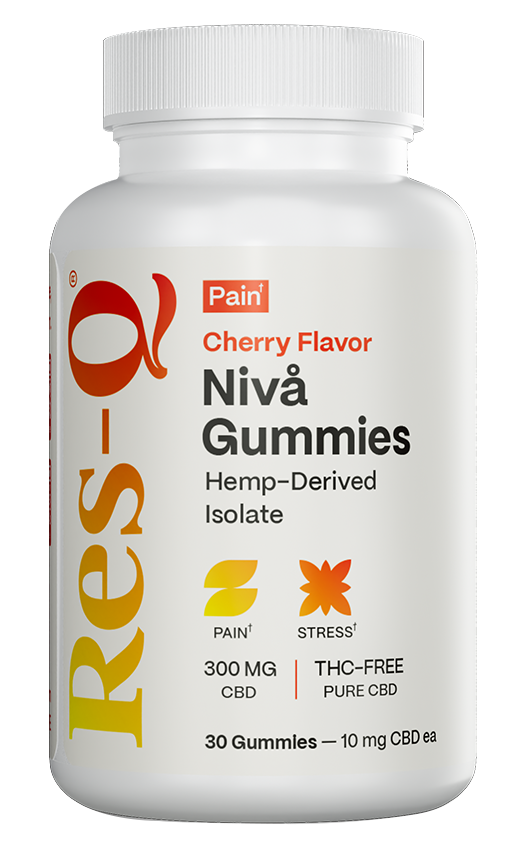
The CBD Your Body ACTUALLY ABSORBS
Most CBD passes right through you. This one doesn't — 440% better absorption, zero THC, made in the U.S.
See Why People Are SwitchingFinal Thoughts on Choosing the Right CBD Oil for Blood Pressure
Figuring out which cbd oil is best for high blood pressure comes down to a few non-negotiable factors: third-party tested, organically sourced, CO2 extracted, and appropriately concentrated for your dosage needs. Full-spectrum products carry the advantage of the entourage effect. Broad-spectrum works if THC is a concern. Isolate is the most studied form but may lack the synergistic benefits.
The relationship between cbd and blood pressure is real but still being defined. The research is promising — particularly around CBD’s effects on stress-induced blood pressure spikes, nitric oxide production, and vascular relaxation. But it’s early. The studies are small. The long-term data isn’t there yet.
What is there is enough to make informed decisions. Choose quality products. Start with a low dose. Monitor your blood pressure at home with a validated device. Keep your doctor in the loop — especially if you’re already on medication.
If you want to take the next step, explore how does cbd oil lower blood pressure through the mechanisms discussed here — from endocannabinoid system modulation to nitric oxide release to anxiety reduction. Understanding the science puts you in a better position to evaluate products, adjust your approach, and have productive conversations with your healthcare team. Pair CBD with the lifestyle fundamentals — the DASH diet, regular exercise, sodium reduction, stress management — and you’re building a comprehensive strategy rather than relying on any single intervention.
Take your time with this. Read labels. Check COAs. Track your numbers. Make adjustments based on data, not hope. Your blood pressure is one of the most important numbers in your life, and managing it well gives you more years to spend living on your own terms.