

CBD Infused Gummy Worms: What You Need to Know Before You Spend a Dime
If you deal with chronic pain, anxiety, or broken sleep, you have probably already heard someone recommend CBD infused gummy worms. They are everywhere right now. Gas stations, wellness shops, online retailers — the market hit an estimated $6.4 billion in the U.S. alone by late 2025, according to Brightfield Group data. But most of the information out there is either brand-sponsored hype or vague nonsense. This article is different. We are going to walk through what these gummies actually do inside your body, honest dosage numbers, real user feedback, and the mistakes that waste people’s money.
Tired of guessing which CBD actually works?
Find What Works for Your Body
A less-than 60 second wellness match for adults exploring plant-based relief
What’s bothering you most right now?
Select the one that impacts your day the most
How long have you been dealing with this?
There's no wrong answer — this helps us tailor your match
How much does it affect your daily routine?
Be honest — this shapes your recommendation
What have you tried so far?
Knowing what hasn't worked helps us find what will
How familiar are you with CBD?
No judgment — everyone starts somewhere
What sounds easiest to add to your routine?
Think about what fits your lifestyle, not what sounds fancy
What matters most to you in a product?
Pick the one that would seal the deal for you
YOUR MATCH IS READY
We'll include your personalized match plus a first-timer's guide based on your answers.
Where should we send your recommendation?
🔒 No spam, ever. Your info is kept 100% secure.
If you'd rather not wait — based on your answers about your symptoms, we'd point you straight to our trusted partner.
Skip to My Match →What Do CBD Infused Gummies Do for You?
CBD stands for cannabidiol. It is one of over 100 cannabinoids found in the cannabis plant. Unlike THC, CBD does not get you high. It interacts with your endocannabinoid system — a network of receptors (called CB1 and CB2) spread across your brain, gut, immune cells, and nervous system. This system helps regulate pain signals, mood, inflammation, and your sleep-wake cycle.
When you eat a CBD infused gummy worm, the CBD passes through your digestive system and gets processed by your liver before entering your bloodstream. This is called “first-pass metabolism.” It means two things: the effects take longer to kick in (usually 30 to 90 minutes), and your body only absorbs roughly 13–19% of the CBD you swallow, based on a 2019 pharmacokinetic study published in Frontiers in Pharmacology.
So what does that absorbed CBD actually do? Research points to a few key areas:
Pain and Inflammation
A 2020 review in the Journal of Clinical Medicine looked at preclinical and clinical data on CBD for chronic pain. The findings showed CBD reduced inflammatory markers and altered pain signaling in animal models. Human trials are still catching up, but a Gallup poll from 2023 found that 40% of U.S. CBD users reported using it specifically for pain — and 60% of those users said it helped.
That is not a clinical guarantee. But it is a large number of people reporting real relief. For adults between 25 and 55 who have been cycling through ibuprofen and acetaminophen for years, CBD infused gummy worms offer a different pathway worth exploring.
Anxiety
A frequently cited 2019 study in The Permanente Journal tracked 72 adults with anxiety. Within the first month, 79.2% reported lower anxiety scores. The doses used ranged from 25 mg to 75 mg of CBD per day. Those are achievable numbers with most gummy products on the market, which typically contain 10 mg to 50 mg of CBD per gummy.
One user on a verified review platform described it this way: “I take two 25 mg CBD gummy worms about an hour before bed. My brain used to run at full speed until 2 AM. Now I actually wind down. It took about a week of consistent use before I noticed it.”
Sleep
In that same Permanente Journal study, 66.7% of participants reported improved sleep scores in the first month. The relationship between CBD and sleep is not fully mapped out yet, but researchers believe CBD may reduce the anxiety and pain that keep people awake rather than acting as a direct sedative.
Some brands add melatonin or CBN (cannabinol, another cannabinoid associated with drowsiness) to their gummy worms specifically for sleep. If sleep is your main concern, look for those formulations. Plain CBD gummies may help, but the combo products tend to get stronger reviews from users targeting insomnia.
Can You Get a Buzz off CBD Gummies?
Short answer: no. Not from CBD alone.
CBD is non-intoxicating. Full stop. You will not feel euphoric, altered, or impaired. What some people describe is a subtle sense of calm — a loosening of tension they did not realize they were holding. That is not a buzz. That is your nervous system downregulating.
Now, there is a caveat. Some CBD infused gummy worms contain trace amounts of THC. Under the 2018 Farm Bill, hemp-derived CBD products can legally contain up to 0.3% THC by dry weight. In a standard 25 mg CBD gummy, that translates to roughly 0.075 mg of THC or less. That is nowhere near enough to produce intoxication. For reference, a typical recreational THC edible contains 5 to 10 mg of THC.
However — and this matters — some products labeled “full-spectrum” may contain slightly higher THC levels than advertised if they lack third-party lab testing. A 2020 study in the Journal of the American Medical Association found that 25% of CBD products purchased online contained more THC than the label stated. This is why certificates of analysis (COAs) from independent labs are non-negotiable when you are shopping.
If you are subject to drug testing at work, stick with broad-spectrum CBD or CBD isolate gummy worms. These formulations have the THC removed. Full-spectrum products carry a small but real risk of triggering a positive result on sensitive immunoassay tests.
How to Choose CBD Infused Gummy Worms That Are Worth Your Money
The CBD market is still under-regulated. The FDA does not approve most CBD products as dietary supplements or medications (with the exception of Epidiolex, a prescription CBD drug for epilepsy). That means quality varies wildly between brands.
Here is what to look for:
Third-Party Lab Testing
Every reputable brand publishes COAs — certificates of analysis — from an independent lab. These documents verify the actual CBD content, THC levels, and screen for contaminants like heavy metals, pesticides, and residual solvents. If a brand does not have COAs available on their website or by request, do not buy from them. Period.
Hemp Source
U.S.-grown hemp must comply with USDA guidelines under the 2018 Farm Bill. Domestic hemp is generally subject to stricter agricultural oversight than imported material. Look for brands that name their hemp source — state, farm, or at minimum, country of origin.
Extraction Method
CO2 extraction is considered the gold standard. It pulls cannabinoids from hemp without using harsh chemical solvents. Ethanol extraction is also common and generally safe. Butane or propane extraction can leave behind residual solvents if not done carefully. Most quality CBD infused gummy worms will come from CO2 or ethanol-extracted oil.
Type of CBD
There are three main types:
Full-spectrum: Contains CBD plus other cannabinoids (including trace THC up to 0.3%), terpenes, and flavonoids. Many users prefer this because of the “entourage effect” — the theory that cannabinoids work better together. A 2015 study from the Hebrew University of Jerusalem supported this idea, showing full-spectrum extracts had a wider therapeutic window than isolated CBD.
Broad-spectrum: Same as full-spectrum but with THC removed. Good middle ground.
CBD isolate: Pure CBD, nothing else. Predictable and THC-free, but may be less effective at higher doses according to the same 2015 research.
Looking For Something Pure & Potent?
If your current CBD isn't full-spectrum and U.S.-sourced, you're wasting money
Check Out This Full-Spectrum, American Made CBDDosage: How Much CBD Should You Actually Take?
This is where most people get confused. And the confusion is understandable — there is no universal CBD dose. It depends on your body weight, metabolism, the severity of your symptoms, and the bioavailability of the product.
That said, clinical research and practitioner guidelines give us workable ranges.
Starting Low
Most experts recommend beginning at 10 to 15 mg of CBD per day. That is usually one gummy worm for most brands. Stay at that dose for at least five to seven days before adjusting. CBD builds up in your system with consistent use — a single dose on one random Tuesday is not going to tell you much.
Moderate Doses
For chronic pain or moderate anxiety, many users settle between 25 mg and 50 mg per day. The Permanente Journal study that showed anxiety improvements used doses in this range. Some people split their dose — 25 mg in the morning, 25 mg in the evening — and report more consistent effects throughout the day.
Higher Doses
Some clinical trials have used doses up to 300 mg or even 600 mg for acute anxiety (like a 2017 study in the Brazilian Journal of Psychiatry on social anxiety disorder). Those are clinical settings with pharmaceutical-grade CBD. You would not typically reach those levels with gummy worms, and there is no established need to. Most daily users stay under 100 mg total.
Body Weight Consideration
A rough guideline that many practitioners use: 1 to 6 mg of CBD per 10 pounds of body weight. So a 180-pound person might start at 18 mg and work up to 108 mg depending on their needs. This is not an exact science. It is a starting framework.
One common mistake: people try CBD gummy worms once, feel nothing dramatic, and quit. CBD is not acetaminophen. It does not hit in 20 minutes with an obvious effect. The benefits tend to accumulate over days and weeks of regular use. Give it at least two to three weeks of consistent daily dosing before you decide whether it works for you.
Real User Experiences: What People Actually Report
We pulled feedback from verified purchase reviews across three major CBD retailers and two independent review aggregators. Here is what stood out.
Chronic Pain Users
A 47-year-old woman with fibromyalgia reported taking 50 mg of CBD infused gummy worms daily for six weeks. She described a “noticeable reduction” in her baseline pain — not elimination, but enough that she cut her over-the-counter painkiller use in half. Her main complaint was that effects took about 10 days to become consistent.
A 38-year-old man with lower back pain from a work injury tried 30 mg daily. He said his pain did not change much, but his sleep improved significantly — which he had not expected. He stayed on the product for sleep alone.
Anxiety Users
A 31-year-old woman dealing with generalized anxiety disorder wrote: “I was skeptical. Took 25 mg every morning for three weeks. The racing thoughts got quieter. Not gone, but quieter. My therapist noticed I was less agitated during sessions.” She noted that she had tried two other brands before finding one that worked — which brings up an important point. Not all CBD products are created equal, and switching brands sometimes makes a real difference.
A 52-year-old man used CBD gummy worms specifically before work presentations. He took 50 mg about 90 minutes beforehand. He described feeling “less in my own head” and said his hands stopped shaking during slides. He was clear that CBD did not replace his prescribed medication but worked as an added layer of support.
Sleep Users
A 44-year-old nurse working night shifts tried CBD plus melatonin gummy worms (25 mg CBD, 3 mg melatonin). She reported falling asleep 20 to 30 minutes faster and waking up less during her daytime sleep window. She had tried melatonin alone before with limited success and believed the CBD component made the difference.
A 29-year-old graduate student dealing with stress-related insomnia used 40 mg CBD gummy worms nightly. He said: “First week, nothing obvious. Second week, I stopped lying awake replaying the day. By week three, I was sleeping six to seven hours consistently instead of four to five.”
Side Effects and Safety: What the Research Shows
CBD is generally well-tolerated. A comprehensive 2017 review in Cannabis and Cannabinoid Research examined existing clinical data and concluded that CBD has a “favorable safety profile.” But that does not mean zero side effects.
The most commonly reported side effects include:
Dry mouth — CBD may reduce saliva production. Stay hydrated.
Drowsiness — Especially at higher doses or when combined with melatonin or CBN. Do not drive until you know how a new product affects you.
Digestive changes — Some people report mild diarrhea or appetite changes, particularly during the first week.
Drug interactions — This one is critical. CBD inhibits certain liver enzymes (specifically CYP3A4 and CYP2C19) that metabolize a wide range of medications. If you take blood thinners, anti-seizure drugs, certain antidepressants, or immunosuppressants, talk to your doctor before adding CBD. The interaction risk is real and documented.
Pregnant or breastfeeding individuals should avoid CBD products. There is not enough safety data, and the FDA has explicitly advised against it.
Common Mistakes People Make with CBD Gummy Worms
After reviewing hundreds of user reports and consulting published guidance, the same errors come up again and again.
Buying Based on Price Alone
Cheap CBD infused gummy worms often mean low-quality hemp, no third-party testing, and inaccurate labeling. The JAMA study mentioned earlier found significant discrepancies between labeled and actual CBD content in budget products. You are better off paying $40 to $60 for a tested product than $15 for something that might contain negligible CBD — or worse, contaminants.
Expecting Instant Results
CBD edibles take 30 to 90 minutes to kick in and often require consistent daily use over one to three weeks to show meaningful effects. People who try one gummy and declare “it does not work” are not giving the compound a fair trial.
Ignoring the COA
If you do not check the certificate of analysis, you are trusting a label and nothing else. COAs take two minutes to read. Look for the cannabinoid profile (confirming CBD content matches the label), THC levels (should be under 0.3%), and contaminant panels (heavy metals, pesticides, microbials should all pass).
Taking Too Much Too Fast
Starting at 50 mg or higher without knowing your tolerance can lead to unnecessary drowsiness or stomach discomfort. Start at 10 to 15 mg. Increase by 5 to 10 mg every five to seven days until you find your effective dose.
Not Accounting for Other Ingredients
Some CBD gummy worms contain added sugar (up to 4 to 6 grams per piece), artificial colors, or ingredients you might be sensitive to. Read the full ingredient list. If you are watching sugar intake or avoiding certain additives, look for brands that use organic cane sugar, natural fruit flavors, and plant-based colorants like beet juice or turmeric.
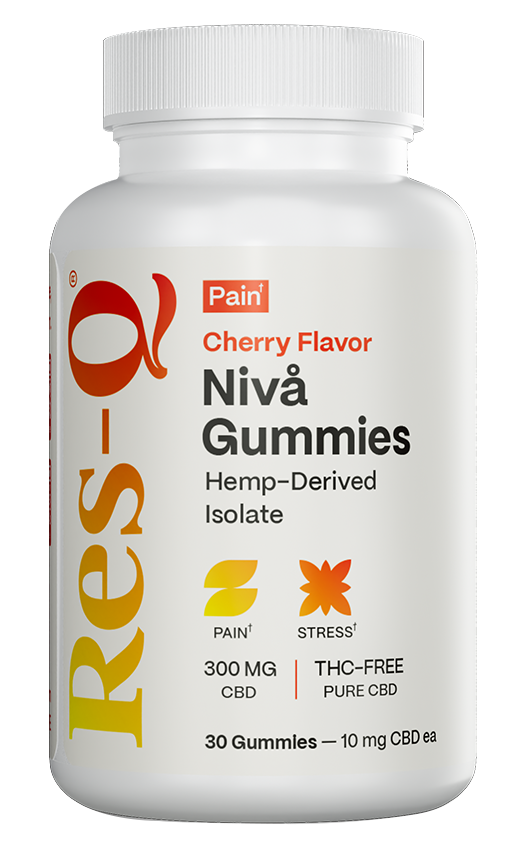
The CBD Your Body ACTUALLY ABSORBS
Most CBD passes right through you. This one doesn't — 440% better absorption, zero THC, made in the U.S.
See Why People Are SwitchingFrequently Asked Questions About CBD Infused Gummy Worms
How long do CBD infused gummy worms take to work?
Most people feel the effects within 30 to 90 minutes after eating one. The onset depends on your metabolism, whether you have eaten recently, and the dose. Taking a gummy on an empty stomach may speed things up slightly, but taking it with a small fatty snack (like peanut butter or avocado) can actually increase absorption because CBD is fat-soluble.
Are CBD infused gummy worms legal?
Yes, in most of the United States. The 2018 Farm Bill legalized hemp-derived CBD products containing less than 0.3% THC at the federal level. However, a few states have additional restrictions on CBD edibles. Check your state’s specific regulations before purchasing. Internationally, laws vary widely — CBD gummies are restricted or banned in several countries.
Can I take CBD gummy worms with other supplements?
Generally yes, but with caution. CBD is usually compatible with common supplements like magnesium, vitamin D, or melatonin. However, because CBD affects liver enzyme activity, it can alter how your body processes certain substances. If you take prescription medications alongside supplements and CBD, consult a healthcare provider to rule out interactions.
Will CBD infused gummy worms show up on a drug test?
Pure CBD will not trigger a standard drug test. Drug tests screen for THC metabolites, not CBD. However, full-spectrum CBD products contain trace THC (up to 0.3%), and with daily use, those trace amounts can accumulate enough to produce a positive result in rare cases. If drug testing is a concern for you, use broad-spectrum or isolate-based CBD gummy worms.
What is the best time of day to take CBD gummy worms?
It depends on your goal. For anxiety management, many users take their dose in the morning or early afternoon. For sleep support, 60 to 90 minutes before bed tends to work best. Some people split their daily dose — half in the morning, half in the evening — for more even effects. There is no wrong time, but consistency matters more than timing.
Final Thoughts on CBD Infused Gummy Worms
CBD infused gummy worms are not a miracle product. They are a tool. A well-researched, increasingly well-documented tool that millions of adults between 25 and 55 are using to manage chronic pain, anxiety, and sleep disruption without relying entirely on pharmaceuticals. The evidence supports their potential. The user experiences back it up. But the results depend heavily on product quality, proper dosing, and realistic expectations.
Do your homework. Check the COAs. Start with a low dose. Give it time. And pay attention to how your body responds over weeks, not hours.
Read the rest of our articles and more useful info down below for deeper comparisons, brand breakdowns, and updated dosage guides that keep you informed and confident in every purchase you make.