

What You Need to Know About CBD Oil for Heart Health
CBD oil for heart health is one of those topics that keeps showing up in medical forums, wellness blogs, and doctor’s offices. And for good reason. Heart disease remains the leading cause of death in the United States, responsible for roughly 695,000 deaths each year according to the CDC. People are looking for anything — literally anything — that might offer an edge. CBD oil has entered that conversation, and the science behind it is more interesting than most people realize.
This article breaks down what we actually know. Not hype. Not marketing copy. We’re going through the clinical research, the risks, and the honest answers to questions like “does CBD oil raise your heart rate” and “does CBD make your heart beat fast.” If you’re considering CBD for heart-related reasons, this is the starting point.
Tired of guessing which CBD actually works?
Find What Works for Your Body
A less-than 60 second wellness match for adults exploring plant-based relief
What’s bothering you most right now?
Select the one that impacts your day the most
How long have you been dealing with this?
There's no wrong answer — this helps us tailor your match
How much does it affect your daily routine?
Be honest — this shapes your recommendation
What have you tried so far?
Knowing what hasn't worked helps us find what will
How familiar are you with CBD?
No judgment — everyone starts somewhere
What sounds easiest to add to your routine?
Think about what fits your lifestyle, not what sounds fancy
What matters most to you in a product?
Pick the one that would seal the deal for you
YOUR MATCH IS READY
We'll include your personalized match plus a first-timer's guide based on your answers.
Where should we send your recommendation?
🔒 No spam, ever. Your info is kept 100% secure.
If you'd rather not wait — based on your answers about your symptoms, we'd point you straight to our trusted partner.
Skip to My Match →How CBD Works Inside Your Body
CBD — short for cannabidiol — is a compound found in the Cannabis sativa plant. It is not THC. That distinction matters, especially when we’re talking about the heart. THC is the compound that gets you high. CBD does not produce a high. They interact with the body in very different ways.
CBD works mainly through the endocannabinoid system (ECS). The ECS is a network of receptors found throughout the body. It helps regulate things like mood, pain, inflammation, and yes — cardiovascular function. There are two primary receptor types: CB1 and CB2. CB1 receptors exist in the brain and central nervous system. CB2 receptors are found more in the immune system and peripheral organs.
The Endocannabinoid System and Cardiovascular Function
Here’s where it gets relevant to the heart. CB1 and CB2 receptors are present in cardiovascular tissue. That includes the heart itself, the blood vessels, and the cells that line artery walls (called endothelial cells). When CBD interacts with these receptors — along with other receptor pathways like TRPV1 and 5-HT1A — it can influence blood pressure, inflammation, and vascular tone.
This doesn’t mean CBD is a heart medication. It means the body has built-in pathways that cannabinoids can affect. The question is whether those effects are helpful, harmful, or neutral for someone concerned about heart health.
CBD for Heart Disease — What the Research Shows
Let’s start with the study that gets cited the most. In 2017, a team of researchers published a randomized crossover study in JCI Insight. They gave healthy male volunteers a single 600 mg dose of CBD or a placebo. Then they measured blood pressure and heart rate under both resting conditions and stress conditions.
The result: CBD reduced resting systolic blood pressure by 6 mmHg compared to placebo. It also blunted the blood pressure spike that normally happens during stress. That’s a meaningful finding. High blood pressure is one of the biggest risk factors for heart disease, stroke, and kidney damage.
Now — one study on healthy men is not proof that CBD treats heart disease. But it opened a door. And more research has followed.
Blood Pressure Findings
A 2020 systematic review published in the Journal of Clinical Medicine examined multiple studies on CBD and cardiovascular parameters. The authors concluded that CBD showed “promising” effects on blood pressure reduction, particularly in stress-related settings. However, they also noted that results were inconsistent across studies and that long-term human trials were lacking.
A 2023 study from the University of Nottingham found that repeated CBD dosing over several days did reduce arterial stiffness in healthy adults. Arterial stiffness is a marker for cardiovascular risk. Stiffer arteries mean the heart has to work harder to pump blood. Any reduction in stiffness is considered a positive sign for long-term heart health.
These findings are encouraging. But they come with a huge caveat: most of this research has been done on healthy people, not on patients with existing heart disease. The gap between “this looks promising in a lab” and “this is a viable treatment” is wide.
Anti-Inflammatory and Antioxidant Effects
Chronic inflammation plays a central role in atherosclerosis — the buildup of plaque inside arteries. When arterial walls become inflamed, they attract immune cells and cholesterol deposits. Over time, this narrows the arteries and raises the risk of heart attack and stroke.
CBD has demonstrated anti-inflammatory properties in both animal and human studies. A 2021 review in Frontiers in Pharmacology highlighted CBD’s ability to reduce inflammatory markers like TNF-alpha, IL-6, and C-reactive protein in preclinical models. These are the same markers that cardiologists track when assessing heart disease risk.
CBD also acts as an antioxidant. Oxidative stress — the damage caused by unstable molecules called free radicals — contributes to endothelial dysfunction. That’s when the lining of your blood vessels stops working properly. Antioxidants help neutralize free radicals. Animal studies have shown CBD can reduce oxidative damage in cardiac tissue, particularly after events like ischemia (restricted blood flow).
Again, animal studies and preclinical data. Not a prescription. But the biological mechanisms are real and well-documented.
Does CBD Oil Raise Your Heart Rate?
This is one of the most common questions people ask before trying CBD. The short answer is: CBD alone does not typically raise heart rate. Most studies show it either has no effect on heart rate or lowers it slightly.
The confusion usually comes from mixing up CBD with THC. THC is well known to cause a temporary increase in heart rate — sometimes by 20 to 50 beats per minute within minutes of consumption. This effect, called tachycardia, happens because THC activates CB1 receptors in the brainstem and cardiovascular system more directly than CBD does.
CBD takes a different route. It doesn’t bind strongly to CB1 receptors. Instead, it modulates them indirectly. In the 2017 JCI Insight study, participants who received CBD showed no significant change in heart rate at rest. During stress testing, there was a slight increase, but it was within normal range and not clinically significant.
CBD vs. THC and Heart Rate — A Key Distinction
If you’re using a full-spectrum CBD oil, there may be trace amounts of THC in the product (up to 0.3% by law in the U.S.). At those levels, THC is unlikely to raise your heart rate. But if you’re using a product that isn’t third-party tested, or one mislabeled as CBD-only when it actually contains more THC, that’s a different story.
This is why product quality matters so much when it comes to CBD for heart disease or any cardiovascular concern. A 2020 study in JAMA found that nearly 70% of CBD products sold online were mislabeled — some containing more THC than listed, others containing less CBD than advertised. If your heart rate goes up after taking a “CBD” product, the culprit might be THC contamination, not CBD itself.
Does CBD Make Your Heart Beat Fast?
Let’s address this directly: does CBD make your heart beat fast? For most people, no. CBD is more associated with a calming effect. It interacts with serotonin receptors (5-HT1A) and GABA pathways, both of which help reduce anxiety. Lower anxiety generally means a slower, more stable heart rate.
However, there are exceptions. A small number of people report feeling their heart beat faster after taking CBD. This could be caused by several things:
1. Anxiety sensitivity. Some people become hyper-aware of their heartbeat when they take any new supplement. This isn’t a faster heart rate — it’s increased perception of a normal heart rate. It can feel alarming, but it’s usually harmless.
2. Low blood pressure response. CBD can lower blood pressure. When blood pressure drops, the body sometimes compensates by increasing heart rate to maintain adequate blood flow. This is called reflex tachycardia. It’s a temporary, automatic response.
3. Drug interactions. CBD is metabolized by the cytochrome P450 enzyme system in the liver — the same system that processes many prescription medications. If you’re on beta-blockers, calcium channel blockers, or blood thinners like warfarin, CBD can alter how those drugs work. That change might affect your heart rate or rhythm.
4. Product contamination. As mentioned, mislabeled products with higher THC content can absolutely cause a fast heartbeat.
Looking For Something Pure & Potent?
If your current CBD isn't full-spectrum and U.S.-sourced, you're wasting money
Check Out This Full-Spectrum, American Made CBDPotential Benefits of CBD Oil for Heart Health
Let’s lay out what the research suggests — not guarantees, but plausible benefits based on current evidence.
Stress and Anxiety Reduction
Chronic stress is a well-established risk factor for heart disease. The American Heart Association has repeatedly pointed to the link between long-term psychological stress and increased cardiovascular events. When you’re stressed, your body releases cortisol and adrenaline. Over time, these hormones damage blood vessels, raise blood pressure, and promote inflammation.
CBD has been shown in multiple human studies to reduce subjective anxiety. A 2019 study in The Permanente Journal followed 72 adults with anxiety and poor sleep. Within the first month, 79.2% reported lower anxiety scores after taking CBD daily. Less anxiety, in theory, means fewer stress hormones circulating in the blood — and less strain on the cardiovascular system.
This isn’t a direct cardiac benefit. But it’s an indirect one that adds up over months and years.
Oxidative Stress Protection
We covered this briefly above, but it’s worth expanding. Oxidative stress is a major contributor to endothelial dysfunction, which is considered one of the earliest stages of atherosclerosis. Animal models — particularly in rats — have shown that CBD can protect cardiac cells from oxidative damage after ischemic events.
A 2010 study in the British Journal of Pharmacology demonstrated that CBD reduced infarct size (the area of dead tissue after a heart attack) in rats by up to 66% when administered after ischemia-reperfusion injury. That’s a significant finding, even though it hasn’t been replicated in human trials yet.
Potential Effects on Cholesterol and Arterial Health
Some preliminary animal research suggests CBD may influence lipid metabolism. A 2011 study found that CBD treatment in obese rats improved markers related to cholesterol and liver fat. Whether this translates to human cardiovascular benefit remains unclear. But given that high LDL cholesterol is a primary driver of plaque buildup, any compound that might favorably shift lipid profiles deserves further investigation.
Arterial stiffness — mentioned earlier — is another piece of the puzzle. The University of Nottingham study from 2023 showing reduced arterial stiffness after CBD use is one of the few human studies looking at this marker. Softer, more flexible arteries mean lower cardiac workload and reduced risk of hypertension.
Risks and Side Effects You Should Know
CBD is generally considered well-tolerated. The World Health Organization stated in a 2018 report that CBD “exhibits no effects indicative of any abuse or dependence potential” and has a “good safety profile.” But “well-tolerated” doesn’t mean “zero risk,” especially for people with heart conditions.
Here are the risks worth understanding:
Drug interactions. This is the biggest concern. CBD inhibits certain CYP450 enzymes, particularly CYP3A4 and CYP2D6. These enzymes process medications including statins, blood thinners (warfarin), antiarrhythmics (amiodarone), and some blood pressure drugs. Taking CBD alongside these medications can increase drug levels in the blood, potentially leading to dangerous side effects. Always — always — consult a cardiologist before adding CBD if you take heart medications.
Liver enzyme changes. High doses of CBD (above 300 mg/day in some studies) have been linked to elevated liver enzymes. While this is more of a hepatic concern than a cardiac one, liver health affects the metabolism of heart medications.
Hypotension. CBD’s blood-pressure-lowering effect, while potentially beneficial for people with hypertension, could be a problem for people who already have low blood pressure. Symptoms of hypotension include dizziness, fainting, and lightheadedness.
Lack of FDA regulation. CBD products are classified as supplements, not drugs. This means they don’t undergo the rigorous testing that pharmaceuticals do. Quality varies wildly between brands. Some contain heavy metals, pesticides, or solvents. For someone with a compromised cardiovascular system, these contaminants pose real risk.
How to Use CBD Oil for Heart Health Safely
If you’re going to try CBD oil with heart health in mind, here’s how to minimize risk and maximize any potential benefit.
Dosage Considerations
There is no FDA-approved dosage of CBD for cardiovascular conditions. The doses used in research studies range from 25 mg to 600 mg per day, depending on the condition studied. For general wellness and anxiety reduction, most clinical studies have used doses between 25 mg and 150 mg daily.
Start low. A common recommendation among integrative medicine practitioners is to begin with 10–20 mg per day and increase gradually over two to three weeks. Monitor how you feel. Track your blood pressure and resting heart rate if possible. If you notice any unusual symptoms — dizziness, rapid heartbeat, fatigue — reduce the dose or stop and consult your doctor.
What to Look for in a Product
Product quality is not optional when your heart is involved. Look for these things:
Third-party lab testing. Every reputable CBD brand provides a Certificate of Analysis (COA) from an independent lab. This document shows exactly how much CBD and THC the product contains, plus whether it’s been tested for pesticides, heavy metals, and residual solvents. If a brand doesn’t offer a COA, move on.
Extraction method. CO2 extraction is considered the gold standard. It produces a clean product without the use of harsh chemical solvents. Ethanol extraction is also acceptable. Avoid products made with butane or propane extraction.
THC content. If you’re specifically concerned about heart rate, choose a broad-spectrum or CBD isolate product. These formulations contain either zero THC or non-detectable levels. Full-spectrum products contain up to 0.3% THC, which is legal but might be worth avoiding if you’re sensitive to THC’s cardiovascular effects.
Source and transparency. Look for companies that disclose where their hemp is grown, how it’s processed, and what other ingredients are in the final product. U.S.-grown hemp is subject to USDA regulations under the 2018 Farm Bill, which provides a baseline of quality control.
What the American Heart Association Says
The American Heart Association (AHA) published a scientific statement in 2020 acknowledging that cannabis compounds, including CBD, may have cardiovascular effects — both positive and negative. The AHA stopped short of recommending CBD for any heart condition. Their position is that more research is needed, particularly large-scale, long-term randomized controlled trials in humans.
The AHA also raised concerns about the regulatory environment. Without standardized dosing, consistent product quality, and robust clinical data, they argued it would be premature to endorse CBD as a cardiovascular therapy.
That said, several cardiologists have begun exploring CBD in integrative settings. Dr. Mitch Elkind, former AHA president, stated in interviews that the organization is “watching the science closely” and acknowledged that the anti-inflammatory and anxiolytic properties of CBD could have cardiovascular relevance.
Real-World Perspectives
Anecdotal evidence isn’t clinical proof, but it adds context. Online communities like Reddit’s r/CBD and various heart health forums contain thousands of posts from people who report using CBD for stress-related blood pressure issues. Common themes include feeling calmer, sleeping better, and noticing lower blood pressure readings at home.
One frequently cited personal account comes from a man in his early 50s who began taking 50 mg of CBD oil daily after being diagnosed with stage 1 hypertension. He reported that after six weeks, his average home blood pressure readings dropped from 142/91 to 128/82. He was also making lifestyle changes during this period — improved diet, more walking — so isolating CBD’s contribution is impossible. But he credits it as part of what worked for him.
On the flip side, a woman in a cardiac support group described experiencing heart palpitations after using a CBD vape product. She later discovered the product contained 1.2% THC — well above the legal limit. After switching to a lab-tested CBD tincture, the palpitations stopped.
These stories highlight two things: CBD’s potential benefits are real for some people, and product quality can make or break the experience.
Can CBD Cause Fast Heart Rate — What You Need to Explore
We touched on this earlier, but it deserves its own focus. The question “can CBD cause fast heart rate” keeps coming up in search queries, and the answer is nuanced.
Pure, high-quality CBD is unlikely to cause a fast heart rate on its own. The pharmacological profile of CBD leans toward relaxation, not stimulation. But the context matters. Your existing health conditions matter. The medications you take matter. The product you choose matters.
If you’ve experienced a fast heartbeat after taking CBD, consider these steps: check the product’s COA for THC content, review your current medications for potential interactions, and talk to your doctor about whether reflex tachycardia from blood pressure changes could be a factor.
Understanding the relationship between CBD and heart rate is an ongoing process — both for the scientific community and for individuals experimenting on their own. If this is a concern for you, dig deeper. Read the studies. Ask your cardiologist directly. The more you understand about how can CBD cause fast heart rate in specific situations, the better equipped you’ll be to make informed decisions about your cardiovascular health.
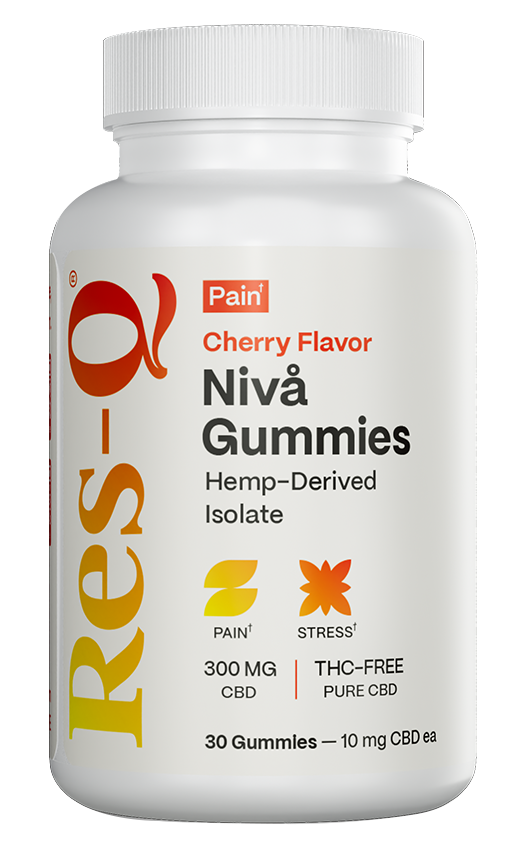
The CBD Your Body ACTUALLY ABSORBS
Most CBD passes right through you. This one doesn't — 440% better absorption, zero THC, made in the U.S.
See Why People Are SwitchingFrequently Asked Questions
Is CBD oil safe to use with heart medications?
CBD can interact with several common heart medications, including blood thinners like warfarin, statins, and beta-blockers. It affects the CYP450 enzyme system in the liver, which can change how these drugs are metabolized. Always consult your cardiologist before combining CBD with any prescription heart medication.
Does CBD oil raise your heart rate?
In most cases, no. Research shows that pure CBD does not significantly raise heart rate. THC, a different cannabis compound, is the one associated with increased heart rate. If a CBD product causes your heart to beat faster, it may contain more THC than labeled.
Can CBD lower blood pressure?
Some studies suggest CBD can modestly reduce blood pressure, particularly during stressful situations. A 2017 study in JCI Insight found that a single dose of 600 mg CBD lowered resting systolic blood pressure by 6 mmHg in healthy volunteers. Long-term human data is still limited.
Does CBD make your heart beat fast?
For the majority of users, CBD does not cause a fast heartbeat. In rare cases, a drop in blood pressure from CBD can trigger reflex tachycardia — a temporary increase in heart rate as the body compensates. Product contamination with THC is another possible cause.
Is there an FDA-approved CBD product for heart disease?
No. As of 2026, the only FDA-approved CBD product is Epidiolex, which is approved for certain types of epilepsy. There are no FDA-approved CBD treatments for heart disease or any cardiovascular condition.
What dose of CBD should I take for heart health?
There is no established dosage for cardiovascular use. Clinical studies have used doses ranging from 25 mg to 600 mg. Most integrative health practitioners suggest starting with 10–20 mg daily and gradually increasing while monitoring blood pressure and heart rate.