

CBD Scams Are Costing People Millions — Here’s What You Need to Know
The CBD industry hit over $7 billion in annual sales in the United States alone. That kind of money attracts bad actors. And right now, cbd scams are one of the fastest-growing categories of consumer fraud in the health and wellness space. People are losing hundreds — sometimes thousands — of dollars on products that contain little to no actual CBD. Some of these products contain harmful fillers. Others are tied to billing schemes that are nearly impossible to cancel.
This article breaks down the most common types of CBD scams circulating right now. We’ll cover specific schemes like the clinical cbd gummies scam, the cbd gummies for tinnitus scam, and the cbd gummies to quit smoking scam. We’ll also walk through how to spot these scams, what to do if you’ve been hit by one, and how to tell the difference between a legitimate CBD company and a fraudulent one.
Tired of guessing which CBD actually works?
Find What Works for Your Body
A less-than 60 second wellness match for adults exploring plant-based relief
What’s bothering you most right now?
Select the one that impacts your day the most
How long have you been dealing with this?
There's no wrong answer — this helps us tailor your match
How much does it affect your daily routine?
Be honest — this shapes your recommendation
What have you tried so far?
Knowing what hasn't worked helps us find what will
How familiar are you with CBD?
No judgment — everyone starts somewhere
What sounds easiest to add to your routine?
Think about what fits your lifestyle, not what sounds fancy
What matters most to you in a product?
Pick the one that would seal the deal for you
YOUR MATCH IS READY
We'll include your personalized match plus a first-timer's guide based on your answers.
Where should we send your recommendation?
🔒 No spam, ever. Your info is kept 100% secure.
If you'd rather not wait — based on your answers about your symptoms, we'd point you straight to our trusted partner.
Skip to My Match →What CBD Scams Actually Look Like in Practice
Most people picture a shady website with broken English and obvious red flags. That’s not how modern cbd scams work. The operations behind these scams are polished. They use professional-looking websites, fake customer reviews, fabricated lab results, and — most effectively — stolen celebrity endorsements.
Here’s a typical scenario. You’re scrolling through social media. You see an ad that says a famous person — maybe a talk show host or a retired athlete — has launched a CBD brand. The ad links to what looks like a news article. It reads like a real story. It mentions specific health benefits. There’s a link to buy.
You click through. The checkout page offers a “free trial.” You just pay shipping — usually around $6.95. Two weeks later, your credit card gets hit with a charge of $89 to $129. Then it happens again the next month. And the month after that. Canceling requires calling a phone number that rings endlessly or leads to a voicemail box that’s full.
That’s the structure of most cbd scams. The product itself might be a bottle of cheap oil with almost no cannabidiol in it. Or it might be gummies made with synthetic compounds. Either way, the goal is recurring billing — not delivering a real product.
Fake Celebrity Endorsements Drive Most CBD Fraud
The Federal Trade Commission has flagged dozens of CBD companies for using unauthorized celebrity likenesses. These scams use deepfake-style images, doctored quotes, and fake interview clips. In several documented cases, the celebrities named in these ads had no connection to the product at all. They didn’t endorse it. They didn’t use it. Their names and faces were stolen.
Tom Hanks publicly warned consumers about one such scam in 2023. Oprah Winfrey’s legal team has issued cease-and-desist letters to multiple CBD brands. These aren’t small operations. They’re organized, well-funded, and designed to look as legitimate as possible.
If you see a celebrity endorsing a CBD product through a social media ad that links to a third-party checkout page — that’s almost certainly a scam.
The “Free Trial” Billing Trap
Free trial offers are the entry point for most cbd scams. The fine print — buried at the bottom of the page in tiny, low-contrast text — usually states that by accepting the trial, you’re enrolling in a monthly subscription. The first full charge hits 14 days after you place the order. Returns are either not accepted or require a return merchandise authorization number that the company never provides.
The Better Business Bureau receives thousands of complaints per year about CBD free trial billing. Many consumers report that disputing the charge with their credit card company is the only way to stop the payments. Some have reported being sent to collections after initiating chargebacks.
The Clinical CBD Gummies Scam — A Case Study in Deception
One of the most widespread cbd scams in recent years is the clinical cbd gummies scam. This specific scheme uses the word “clinical” in its branding to suggest that the product has been tested in medical trials or approved by a regulatory body. It hasn’t.
The clinical cbd gummies scam typically operates through a network of fake review sites. These sites rank for long-tail search terms and present the product as doctor-recommended. Some versions of the scam include fabricated quotes from physicians. Others reference “studies” that don’t exist or link to real studies about CBD in general — not the specific product being sold.
The actual gummies sold under these brands have been tested by independent labs. In many cases, the CBD content listed on the label didn’t match what was inside the bottle. Some contained less than 10% of the advertised amount. Others contained no detectable CBD at all.
How the Clinical CBD Gummies Scam Pulls People In
The marketing funnel is deliberate. Step one: a Facebook or Instagram ad featuring a medical-sounding claim. Something like “Doctors stunned by new CBD gummy that eliminates joint pain.” Step two: a landing page designed to look like an article from a major news outlet. Step three: a checkout page with a “limited time” offer and a countdown timer.
The urgency is manufactured. The “news article” is fabricated. The doctor quotes are fake. And the product ships from a fulfillment center with no clear connection to the brand name on the bottle.
People who fall for the clinical cbd gummies scam often describe feeling embarrassed afterward. That’s part of what makes these scams effective — victims don’t always report them. A 2024 AARP study found that only 1 in 4 scam victims file a formal complaint. The rest absorb the loss quietly.
CBD Gummies for Tinnitus Scam — Exploiting a Real Medical Condition
Tinnitus affects roughly 25 million adults in the United States, according to the National Institute on Deafness and Other Communication Disorders. There is currently no FDA-approved cure for tinnitus. That gap between demand and available treatment creates a perfect opening for fraud.
The cbd gummies for tinnitus scam targets people who are desperate for relief. These products are marketed with claims like “reduces ringing in 7 days” or “clinically proven to restore hearing clarity.” None of these claims are supported by peer-reviewed research specific to any commercially available CBD gummy.
Looking For Something Pure & Potent?
If your current CBD isn't full-spectrum and U.S.-sourced, you're wasting money
Check Out This Full-Spectrum, American Made CBDThere is some preliminary research suggesting that cannabinoids may interact with the auditory system. But these are early-stage studies, mostly conducted on animal models. No CBD gummy on the market has been through the kind of rigorous clinical testing needed to support the claims being made.
What makes the cbd gummies for tinnitus scam particularly harmful is the population it targets. Many tinnitus sufferers are older adults. They’re more likely to trust health claims presented in a professional format. And they’re less likely to recognize the hallmarks of a digital scam — like auto-renewing subscriptions buried in terms of service.
What Happens When People Buy Tinnitus CBD Gummies
Reports from consumers follow a predictable pattern. The product arrives. It looks legitimate — professional packaging, a label with dosage information, sometimes even a QR code that links to a generic certificate of analysis. The person takes the gummies for a week or two. Nothing changes. They try to get a refund. The company is unreachable.
In some cases, the customer service number listed on the packaging connects to a different company entirely. In others, it routes to an offshore call center that offers a partial refund — usually 25% — in exchange for the customer agreeing not to dispute the charge or leave a negative review.
CBD Gummies to Quit Smoking Scam — Preying on People Trying to Get Healthy
The cbd gummies to quit smoking scam follows the same playbook. Products are marketed as a natural alternative to nicotine patches or prescription medications. Ads claim that CBD gummies reduce cravings, ease withdrawal symptoms, and make quitting “effortless.”
There is limited research on CBD and nicotine addiction. A small 2013 pilot study published in Addictive Behaviors found that CBD inhalers reduced cigarette consumption by roughly 40% in a group of 24 participants over one week. That’s a real study. But it involved inhalers — not gummies. And the sample size was tiny. Using that one study to sell a gummy as a quit-smoking aid is a stretch that borders on fraud.
The cbd gummies to quit smoking scam is especially cynical because it targets people in a vulnerable moment. Someone trying to quit smoking is already dealing with cravings, irritability, and anxiety. A product that promises easy relief — and then fails to deliver — doesn’t just waste their money. It can undermine their motivation to keep trying.
Many of the brands behind this scam rotate names frequently. A product that gets flagged by the FTC or pulled from a social media platform simply reappears under a different brand name within weeks. The packaging changes. The website changes. The billing structure stays the same.
Red Flags That a CBD Product Is a Scam
Not every CBD product is fraudulent. There are legitimate companies producing real, lab-tested CBD products. But telling the difference requires knowing what to look for. Here are the most reliable warning signs.
No Third-Party Lab Results
Any reputable CBD company publishes certificates of analysis (COAs) from independent, ISO-accredited laboratories. These documents show exactly how much CBD is in the product, whether it contains THC, and whether it’s free of pesticides, heavy metals, and residual solvents. If a company doesn’t provide COAs — or if the COAs don’t match the product you’re buying — walk away.
Health Claims That Sound Too Good
CBD is not FDA-approved to treat any condition other than certain forms of epilepsy (via the prescription medication Epidiolex). Any company claiming its CBD product cures cancer, reverses Alzheimer’s, eliminates chronic pain, or fixes tinnitus is making illegal and unsubstantiated claims. These claims are a hallmark of cbd scams.
Aggressive Subscription Models
Legitimate CBD companies offer straightforward purchasing. You buy a bottle. It shows up. You decide if you want to buy another one. Scam operations push you into a subscription from the first transaction. They make cancellation difficult. They bury the subscription terms. If the checkout process feels rushed or confusing, that’s intentional.
No Physical Address or Contact Information
Check the company’s website for a real mailing address, a working phone number, and a responsive customer service email. Scam CBD brands often list only a P.O. box — or nothing at all. Some use virtual office addresses that sound impressive but lead to a shared mailroom in a strip mall.
Unrealistic Pricing
Real CBD costs money to produce. Hemp has to be grown, harvested, extracted, tested, and packaged. A bottle of quality CBD oil or gummies typically retails between $30 and $80 depending on concentration and size. If a company is offering a month’s supply for $6.95 shipping — they’re not selling CBD. They’re selling a billing scheme.
Real Stories From People Who Got Caught Up in CBD Scams
A woman in Florida — let’s call her Diane — ordered what she believed were doctor-recommended CBD gummies for her arthritis. She found the product through a Facebook ad that featured a photo of a well-known daytime TV doctor. She paid $6.99 for a trial bottle. Three weeks later, she saw a charge of $119.97 on her bank statement. Then another one the following month.
Diane called the number on the receipt. She waited on hold for 45 minutes. When she finally reached someone, they told her she’d agreed to a monthly subscription and that returns were only accepted within 14 days of the original shipment — a window that had already closed. She ended up disputing the charges through her bank and canceling the debit card tied to the account.
A retired teacher in Ohio — we’ll call him Marcus — bought CBD gummies marketed for tinnitus. He’d been dealing with constant ringing in his ears for three years. His doctor had told him there wasn’t much they could do. When he saw an ad claiming CBD could quiet the ringing, he figured it was worth trying. The gummies did nothing. He spent $240 across three shipments before he realized the subscription was automatic.
These aren’t unusual stories. They’re the norm. The BBB’s Scam Tracker database shows that health product scams — a category dominated by CBD — consistently rank among the top five most reported scam types in the United States.
What the FDA Has Done About CBD Scams
The FDA has issued dozens of warning letters to CBD companies making unapproved health claims. In 2023 alone, the agency sent letters to companies claiming their CBD products could treat COVID-19, Parkinson’s disease, and opioid addiction. The letters demand that the companies remove the claims or face legal action.
But enforcement has been slow. The FDA’s regulatory framework for CBD is still evolving. The agency has not established a clear pathway for CBD as a dietary supplement or food additive — a gray area that scam companies exploit. Without clear rules, bad actors operate in a space where the consequences of getting caught are minimal and the profits are enormous.
In January 2026, the FDA announced a renewed focus on CBD product labeling and advertising. The agency said it would prioritize enforcement actions against companies making disease-treatment claims. Whether that leads to meaningful change remains to be seen.
How to Report a CBD Scam
If you’ve been scammed by a CBD company, there are several steps you can take.
First, contact your bank or credit card company immediately. Explain the situation and request a chargeback. Most financial institutions have fraud departments that handle these disputes.
Second, file a complaint with the Federal Trade Commission at ReportFraud.ftc.gov. The FTC uses consumer complaints to identify patterns and build cases against scam operations.
Third, report the company to your state attorney general’s office. Many states have consumer protection divisions that investigate health product fraud.
Fourth, leave an honest review on the BBB Scam Tracker. This helps other consumers recognize the scam before they fall for it.
Fifth, if the scam came through a social media ad, report the ad on the platform. Facebook, Instagram, and Google all have mechanisms for flagging fraudulent advertising. Reporting won’t get your money back — but it might prevent someone else from getting scammed.
How to Find Legitimate CBD Products
The existence of widespread cbd scams doesn’t mean all CBD is fake. There are companies doing it right. Finding them takes a little effort.
Look for brands that are transparent about their sourcing. They should tell you where their hemp is grown, how it’s extracted, and who tests it. The best companies use CO2 extraction or ethanol extraction — both considered safe and effective methods for producing CBD oil.
Check for U.S.-grown hemp. While imported hemp isn’t automatically bad, domestic hemp is subject to USDA regulations under the 2018 Farm Bill. That provides a baseline level of oversight that foreign-sourced hemp may not have.
Read the COAs yourself. You don’t need a chemistry degree. Look for the cannabinoid profile — it should list CBD content in milligrams and confirm that THC is below 0.3%. Check for contaminant testing. If the COA comes from a lab you can independently verify — like SC Labs, ProVerde, or ACS Laboratory — that’s a good sign.
Buy directly from the company’s website or from a licensed dispensary or retailer. Avoid buying CBD through social media ads, pop-up shops, or marketplace sellers on Amazon (Amazon’s official policy prohibits CBD sales, so any CBD listed there is already operating outside the rules).
Is CBD Itself a Scam?
This is a fair question. With so many fraudulent products on the market, it’s reasonable to wonder whether CBD has any real value at all.
The answer is nuanced. CBD is a real compound. It’s one of over 100 cannabinoids found in the cannabis plant. The FDA has approved one CBD-based medication — Epidiolex — for the treatment of severe forms of epilepsy. That approval came after extensive clinical trials.
Beyond epilepsy, the research is still developing. There is evidence suggesting CBD may have anti-inflammatory properties, may reduce anxiety in some people, and may help with certain sleep issues. But most of this research is preliminary. Large-scale, randomized controlled trials are limited.
CBD is not a miracle cure. It’s not going to fix tinnitus, reverse aging, cure cancer, or replace prescription medications for serious conditions. Companies that tell you otherwise are running cbd scams — whether they know it or not.
The compound itself has potential. The problem is the gap between what the science actually supports and what the marketing claims. That gap is where fraud lives.
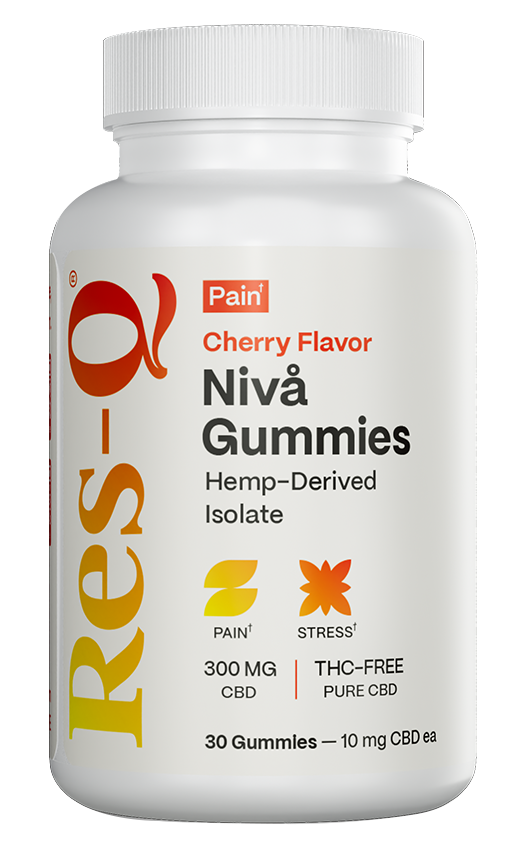
The CBD Your Body ACTUALLY ABSORBS
Most CBD passes right through you. This one doesn't — 440% better absorption, zero THC, made in the U.S.
See Why People Are SwitchingProtecting Yourself Going Forward
CBD scams aren’t going away anytime soon. The industry is too profitable and too loosely regulated for bad actors to leave voluntarily. Your best defense is skepticism — not cynicism, but informed skepticism.
Before you buy any CBD product, do three things. Look up the company on the BBB website. Search the product name plus the word “scam” and read what comes up. And verify that the company publishes third-party lab results you can actually check.
If a product promises to cure a medical condition, it’s almost certainly a scam. If it uses a celebrity endorsement you can’t verify through the celebrity’s official channels, it’s a scam. If it pushes you into a subscription on the first purchase, it’s a scam.
The legitimate CBD industry has a real problem on its hands. Every scam that makes headlines damages consumer trust for everyone — including the companies that are doing honest work. Until regulation catches up, the responsibility falls on buyers to protect themselves.
Take the time to research before you buy. Ask yourself honestly: is CBD a scam — or is the specific product you’re looking at one? That distinction matters. And it could save you a lot of money and frustration.
Bookmark this article and share it with anyone you know who’s considering CBD products for the first time. The more people who know what to look for, the harder it gets for scam companies to operate.