

What Makes Cornbread Hemp Different From Every Other CBD Brand
Cornbread Hemp is a Kentucky-based CBD company that only uses the flower of the hemp plant. That single decision separates it from most of the CBD market. A lot of brands bulk up their extracts with stems, seeds, and stalks. Cornbread Hemp does not. They use USDA Certified Organic hemp, grown in Kentucky soil, and they process it into full spectrum CBD products — oils, gummies, capsules, and topicals. The company was co-founded by Jim Higdon and Eric Zipperle, both from Louisville. Higdon comes from a family with deep roots in Kentucky hemp farming, going back generations. That background matters when you start digging into what actually makes one CBD oil different from another.
Tired of guessing which CBD actually works?
Find What Works for Your Body
A less-than 60 second wellness match for adults exploring plant-based relief
What’s bothering you most right now?
Select the one that impacts your day the most
How long have you been dealing with this?
There's no wrong answer — this helps us tailor your match
How much does it affect your daily routine?
Be honest — this shapes your recommendation
What have you tried so far?
Knowing what hasn't worked helps us find what will
How familiar are you with CBD?
No judgment — everyone starts somewhere
What sounds easiest to add to your routine?
Think about what fits your lifestyle, not what sounds fancy
What matters most to you in a product?
Pick the one that would seal the deal for you
YOUR MATCH IS READY
We'll include your personalized match plus a first-timer's guide based on your answers.
Where should we send your recommendation?
🔒 No spam, ever. Your info is kept 100% secure.
If you'd rather not wait — based on your answers about your symptoms, we'd point you straight to our trusted partner.
Skip to My Match →Here is the thing most people miss when shopping for CBD. The plant source and extraction method determine almost everything about the final product. Cornbread Hemp uses a whole flower extraction process. They do not strip down the plant to isolate one cannabinoid. Instead, they keep the full range of cannabinoids, terpenes, and flavonoids intact. This is what the industry calls full spectrum CBD. Research from the Lautenberg Center for Immunology and Cancer Research in Israel found that full spectrum extracts produce stronger effects at lower doses compared to CBD isolate. That study, published in 2015, is still one of the most cited pieces of evidence for why full spectrum matters.
The USDA Organic Certification and Why It Actually Matters
Most CBD companies throw around words like “natural” and “pure” without any backing. Those terms are not regulated by the FDA in the supplement space. Organic certification through the USDA, however, is regulated. It requires third-party audits, documented farming practices, and a chain of custody from soil to shelf. Cornbread Hemp earned its USDA Certified Organic label, which puts it in a very small group. As of early 2026, fewer than a handful of CBD brands in the United States hold this certification for their full product line.
What does organic certification mean in practical terms? It means no synthetic pesticides, no chemical fertilizers, and no genetically modified organisms at any stage. Hemp is a bioaccumulator. It pulls substances from the soil — good and bad. If the soil has heavy metals or pesticide residue, those end up in the extract. Organic certification reduces that risk significantly. This is not a marketing angle. It is a food safety issue.
When you visit cornbreadhemp.com, you can view third-party lab results for every product batch. These certificates of analysis (COAs) test for cannabinoid potency, pesticide residue, heavy metals, and microbial contamination. The lab they use is ISO 17025 accredited, which is the international standard for testing and calibration laboratories. That level of transparency is not standard across the industry.
Cornbread Hemp Product Lineup Broken Down
Full Spectrum CBD Oil
The flagship product. Cornbread Hemp offers their CBD oil in multiple strengths — 375 mg, 750 mg, and 1500 mg per bottle. Each bottle holds 30 mL, which works out to about 30 servings. The carrier oil is USDA Certified Organic MCT coconut oil. The extract itself has a dark, rich color, which is a visual indicator that it contains a full range of plant compounds. Lighter colored oils are often more heavily processed or made from isolate blended back into a carrier.
They also offer a higher potency line with up to 2400 mg of CBD per bottle. That version targets people who have already established their dosing and need a stronger concentration per drop. It comes in a mint flavor and an unflavored option. The unflavored version has an earthy, slightly bitter taste — that is normal for full spectrum products and actually a sign that the terpene and flavonoid profile is intact.
CBD Gummies
Their gummies come in two versions. One is a standard CBD gummy. The other includes both CBD and THC at the legal federal limit of 0.3% delta-9 THC by dry weight. Each gummy contains a measured dose, and the company uses a pectin-based formula instead of gelatin, making them suitable for people who avoid animal products. The gummies are also USDA Certified Organic, which is uncommon. Most CBD gummies on the market contain artificial colors, corn syrup, or synthetic flavoring. Cornbread Hemp uses real fruit juice and organic cane sugar.
CBD Capsules
For people who do not like the taste of oil or the texture of gummies, capsules are the simplest option. Each capsule contains a pre-measured amount of full spectrum CBD in an organic coconut oil base. The capsule shell itself is plant-based. Dosing is consistent from capsule to capsule, which makes it easier to track intake over time. This format works well for people who treat CBD as part of a daily supplement routine and do not want to measure droppers.
CBD Topicals
Cornbread Hemp produces a CBD lotion and a CBD cream. The topical line uses the same organic hemp extract found in their ingestible products. The lotion is lighter and absorbs quickly. The cream is thicker and designed for targeted application on joints or muscles. Neither product contains parabens or synthetic fragrances. The topicals are not USDA Organic — the certification applies to their ingestible product line — but the hemp extract used in them is sourced from the same certified organic flower.
How CBD Companies Like Cornbread Hemp Handle Sourcing
Sourcing is one of the biggest differentiators between CBD brands. Some companies buy bulk hemp biomass from multiple farms across different states or even different countries. That introduces inconsistency. Cornbread Hemp sources exclusively from Kentucky farms. Kentucky has a long agricultural history with hemp — the state was the top hemp producer in the United States during the 1800s, and the modern hemp program there has been active since the 2014 Farm Bill opened the door for state-level pilot programs.
CBD companies like Cornbread Hemp that control their sourcing can maintain tighter quality standards. When you know the farm, you know the soil conditions, the growing practices, and the harvest timing. Harvest timing matters because cannabinoid levels fluctuate throughout the plant’s growth cycle. Harvesting too early or too late changes the chemical profile of the extract. Cornbread Hemp has talked publicly about working directly with their farming partners to time harvest for peak cannabinoid content.
Looking For Something Pure & Potent?
If your current CBD isn't full-spectrum and U.S.-sourced, you're wasting money
Check Out This Full-Spectrum, American Made CBDAnother sourcing detail worth noting — Cornbread Hemp only uses the flower. The hemp flower is where the highest concentration of cannabinoids and terpenes resides. Stems and stalks contain significantly less. Some companies use the whole plant, including the fibrous parts, to maximize yield. That increases volume but dilutes potency. Using only the flower costs more per pound of raw material but produces a more concentrated, more effective extract.
Kentucky Hemp and the Legal Landscape in 2026
Hemp-derived CBD became federally legal under the 2018 Farm Bill, which defined hemp as cannabis containing less than 0.3% delta-9 THC by dry weight. That threshold is still the law in 2026. However, the regulatory landscape around CBD has shifted in several ways since then. The FDA has not finalized a regulatory pathway for CBD as a dietary supplement or food additive, which leaves a gray area that brands have to navigate carefully.
Kentucky, where Cornbread Hemp is based, has been one of the more supportive states for hemp cultivation and CBD commerce. The Kentucky Department of Agriculture ran one of the earliest and most active hemp pilot programs in the country. That early start gave Kentucky farmers and processors a head start in developing cultivation expertise and processing infrastructure.
For consumers, the legal situation means one important thing — not all CBD products are tested or regulated equally. The absence of federal FDA oversight means the burden falls on the brand to self-police quality. Brands that invest in third-party testing, organic certification, and transparent labeling are doing more than the law requires. Cornbread Hemp falls into that category. You can verify every claim on cornbreadhemp.com by checking their published lab reports.
Full Spectrum vs Broad Spectrum vs Isolate
This is one of the most common questions people have when they start looking at CBD products. The terms get thrown around constantly but rarely explained well.
Full Spectrum CBD
Contains the full range of cannabinoids found in the hemp plant, including trace amounts of THC (under 0.3%). Also contains terpenes and flavonoids. This is what Cornbread Hemp produces. The idea behind full spectrum is the “entourage effect” — a theory that cannabinoids work better together than in isolation. The 2015 Israeli study mentioned earlier supports this. So does a growing body of research from institutions in the EU and North America.
Broad Spectrum CBD
Similar to full spectrum but with the THC removed or reduced to non-detectable levels. This is marketed toward people who want the entourage effect but cannot or do not want to consume any THC. The removal process can also strip out some terpenes and minor cannabinoids, depending on the method used.
CBD Isolate
Pure CBD, usually 99%+ purity, with all other plant compounds removed. It has no flavor, no color, and no THC. Some people prefer isolate for precise dosing. However, research suggests you need higher doses of isolate to achieve effects comparable to full spectrum. That means isolate products can end up costing more in the long run.
Cornbread Hemp has been clear about their position on this. They produce full spectrum products exclusively. They believe the whole flower approach delivers a better product. If you look at customer reviews on their site and across third-party platforms, the most common feedback is that people notice a difference when switching from isolate or broad spectrum brands to Cornbread Hemp’s full spectrum line.
Dosing CBD — What Cornbread Hemp Recommends
There is no universal CBD dose. The right amount depends on body weight, the condition being addressed, individual metabolism, and the concentration of the product. Cornbread Hemp suggests starting low and increasing gradually. Their 750 mg oil delivers about 25 mg of CBD per full dropper. For someone new to CBD, starting with half a dropper (roughly 12.5 mg) once or twice a day is a common starting point.
A 2020 review published in the Journal of Clinical Medicine found that CBD doses used in clinical trials ranged from 20 mg per day to over 1,500 mg per day, depending on the condition studied. Most over-the-counter CBD products fall on the lower end of that range. The key is consistency. CBD builds up in the body over time, and most people report that effects become more noticeable after one to two weeks of regular use.
One mistake people make is switching brands or doses too quickly. Give each adjustment at least seven days before evaluating. And keep a simple log — date, dose, time, and how you felt two hours later. That kind of basic tracking eliminates guesswork.
Pricing and Value Compared to Other CBD Brands
Cornbread Hemp is not the cheapest CBD brand on the market. A 1500 mg bottle of their full spectrum oil typically retails around $80 to $100. That works out to roughly $0.05 to $0.07 per milligram of CBD. For comparison, budget CBD brands can go as low as $0.03 per milligram, but those products often use hemp biomass (not flower-only), lack organic certification, and may not publish third-party lab results.
When you factor in the USDA Organic certification, flower-only extraction, full spectrum formulation, and transparent lab testing, the price per milligram starts to look more reasonable. You are paying for a controlled supply chain and verified quality. CBD companies like Cornbread Hemp that invest heavily in certification and testing have higher production costs, and that is reflected in the retail price.
They do run promotions periodically, and they offer a subscription option on cornbreadhemp.com that reduces the per-bottle cost. Subscribing also ensures you do not run out mid-month, which matters for consistency.
Who Is Cornbread Hemp Best Suited For
Not every CBD brand is right for every person. Cornbread Hemp is a strong fit for people who prioritize organic certification and want a verified, transparent supply chain. It works well for anyone who has tried isolate or broad spectrum products and wants to explore full spectrum. The product line is straightforward — they do not have 50 SKUs. They have a focused set of products, each made with the same organic flower-only extract.
If you are someone who reads labels, checks lab reports, and cares about where your supplements come from, Cornbread Hemp aligns with that mindset. If you are looking for the absolute lowest price per milligram and do not care about certifications, this probably is not the right brand for you.
People who are drug tested regularly should note that full spectrum products contain trace THC. While the amount is below the federal legal limit, there is a non-zero chance it could appear on a sensitive drug screening. Cornbread Hemp is upfront about this on their website and in their product descriptions.
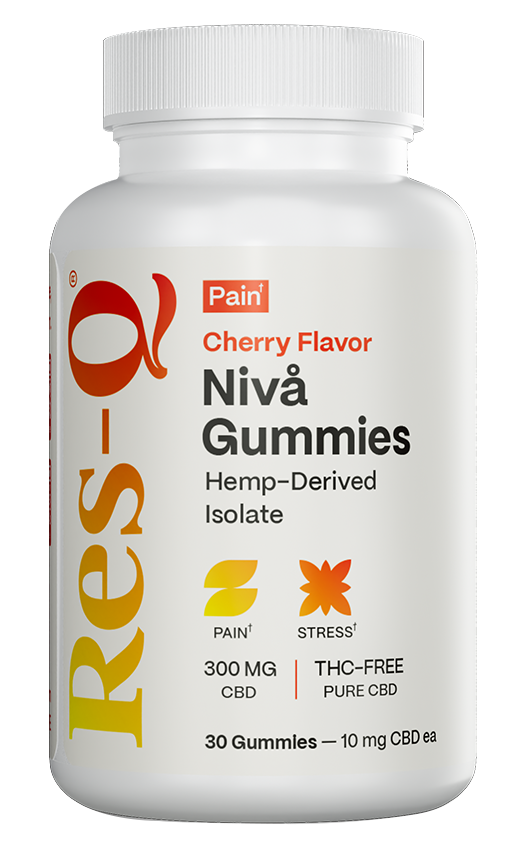
The CBD Your Body ACTUALLY ABSORBS
Most CBD passes right through you. This one doesn't — 440% better absorption, zero THC, made in the U.S.
See Why People Are SwitchingCommon Questions About Cornbread Hemp
Is Cornbread Hemp third-party tested?
Yes. Every batch is tested by an ISO 17025 accredited lab. Results are published on cornbreadhemp.com and cover cannabinoid potency, pesticides, heavy metals, and microbial content.
Does Cornbread Hemp ship to all 50 states?
Cornbread Hemp ships to all 50 states. Hemp-derived CBD with less than 0.3% THC is federally legal. However, some states have local restrictions on CBD products, so checking your state regulations is worth doing before ordering.
Will Cornbread Hemp CBD oil make me fail a drug test?
Full spectrum CBD contains trace THC. While the concentration is very low, sensitive drug tests can potentially detect it. If you face regular drug testing, discuss CBD use with your employer or testing provider.
What is the return policy?
Cornbread Hemp offers a 30-day satisfaction guarantee. If you are not satisfied with a product, you can contact their support team through cornbreadhemp.com for a refund or exchange.
How long does shipping take?
Standard shipping typically takes three to five business days within the continental United States. Expedited shipping options are available at checkout.
Final Thoughts on Cornbread Hemp
Cornbread Hemp has built its reputation on a narrow, quality-focused approach. USDA Organic certification, flower-only extraction, full spectrum formulation, and Kentucky sourcing. Those four pillars define the brand. In a CBD market that is still crowded with poorly tested, vaguely labeled products, that level of specificity stands out. The company is not trying to be everything to everyone. They are trying to make the best organic full spectrum CBD they can, and the evidence — from certifications to lab reports to customer feedback — suggests they are doing it well.
Read the rest of our articles and more useful info down below for deeper comparisons, dosing guides, and reviews of other top CBD brands on the market in 2026.