

What Receptors Does CBD Affect — And Why Should You Care?
If you’ve ever taken CBD oil and felt calmer, slept better, or noticed less soreness after a workout, something happened inside your body at the receptor level. But what receptors does CBD affect, exactly? The answer is more complex than most articles let on. CBD doesn’t just hit one target. It interacts with multiple receptor systems across your brain and body. Some of those interactions are direct. Some are indirect. And a few of them are still being studied as of 2026.
This article breaks down the specific receptors CBD influences, how those interactions create the effects people report, and why your body was built with cannabinoid receptors in the first place. No hype. No vague hand-waving. Just the biology, explained plainly.
Tired of guessing which CBD actually works?
Find What Works for Your Body
A less-than 60 second wellness match for adults exploring plant-based relief
What’s bothering you most right now?
Select the one that impacts your day the most
How long have you been dealing with this?
There's no wrong answer — this helps us tailor your match
How much does it affect your daily routine?
Be honest — this shapes your recommendation
What have you tried so far?
Knowing what hasn't worked helps us find what will
How familiar are you with CBD?
No judgment — everyone starts somewhere
What sounds easiest to add to your routine?
Think about what fits your lifestyle, not what sounds fancy
What matters most to you in a product?
Pick the one that would seal the deal for you
YOUR MATCH IS READY
We'll include your personalized match plus a first-timer's guide based on your answers.
Where should we send your recommendation?
🔒 No spam, ever. Your info is kept 100% secure.
If you'd rather not wait — based on your answers about your symptoms, we'd point you straight to our trusted partner.
Skip to My Match →A Quick Primer on Receptors
Before diving into CBD specifically, it helps to understand what a receptor actually is. Think of receptors as tiny protein structures sitting on the surface of your cells. They receive chemical signals — from hormones, neurotransmitters, or compounds like CBD — and trigger a response inside the cell.
Your body has billions of receptors. Different types respond to different chemicals. When the right molecule binds to the right receptor, it’s like a key fitting into a lock. That binding event starts a chain reaction. It might reduce inflammation. It might change your mood. It might slow down a pain signal before it reaches your brain.
CBD interacts with several receptor families. Not all of these interactions work the same way. In some cases, CBD binds directly to a receptor. In others, it changes the shape of a receptor so that other molecules bind differently. And in a few cases, CBD blocks a receptor entirely.
The Endocannabinoid System: Where It All Starts
The endocannabinoid system (ECS) was discovered in the early 1990s by researchers studying how THC works. What they found was a whole signaling network built into the human body — one that existed long before anyone consumed cannabis. The ECS plays a role in regulating sleep, appetite, pain, immune response, mood, and memory.
The system has three main parts:
Endocannabinoids — chemicals your body makes naturally, like anandamide and 2-AG.
Receptors — primarily CB1 and CB2, which are spread across your tissues and organs.
Enzymes — FAAH and MAGL, which break down endocannabinoids after they’ve done their job.
The endocannabinoid receptors are the docking stations. When anandamide or 2-AG binds to them, the ECS kicks into gear and starts adjusting whatever system is out of balance. This is called homeostasis — your body’s way of keeping things stable internally, even when external conditions change.
Why Do We Have Cannabinoid Receptors?
This is one of the most common questions people ask. Why do we have cannabinoid receptors if cannabis is an external plant? The answer is straightforward: cannabinoid receptors in the body didn’t evolve for cannabis. They evolved for endocannabinoids — the ones your body produces on its own.
Anandamide, for example, was named after the Sanskrit word “ananda,” meaning bliss. Your body releases it during exercise, stress recovery, and certain social interactions. It binds to CB1 receptors in the brain and helps regulate mood and pain perception. 2-AG is more abundant and works across both CB1 and CB2 receptors, influencing immune function and inflammation.
The reason plant-derived cannabinoids like CBD and THC affect us at all is because their molecular shapes are similar enough to our own endocannabinoids that they can interact with the same receptor systems. It’s a coincidence of chemistry, not design.
Research published in the journal Pharmacological Reviews has shown that the ECS exists in nearly all animals with a vertebral column. Fish, birds, reptiles, mammals — they all have it. The system is estimated to be over 500 million years old. So the question of why do we have cannabinoid receptors has a simple evolutionary answer: because regulating internal balance is critical to survival, and this system does it well.
CB1 Receptors: The Brain and Central Nervous System
CB1 receptors are found primarily in the brain and spinal cord, though they also appear in smaller numbers in the gut, liver, and fat tissue. They are among the most abundant G-protein coupled receptors in the entire central nervous system.
THC binds directly to CB1 receptors. That’s what produces the “high” associated with marijuana. CBD does not bind to CB1 receptors in the same way. Instead, CBD acts as a negative allosteric modulator of CB1. That means it changes the shape of the receptor slightly, making it harder for other molecules — including THC — to activate it fully.
This is one reason why CBD can reduce the psychoactive intensity of THC when the two are taken together. A 2015 study in the British Journal of Pharmacology confirmed this modulatory effect. CBD doesn’t block CB1 entirely. It just dials down the receptor’s responsiveness.
CB1 receptors influence:
— Pain signaling in the spinal cord and brain
— Mood regulation, particularly anxiety pathways
— Appetite and metabolism
— Motor control
— Memory formation and retrieval
Because CBD modulates CB1 without directly activating it, users don’t experience euphoria, impaired coordination, or memory disruption. The interaction is subtler. More like turning down the volume on a speaker than unplugging it.
CB2 Receptors: Immune Cells and Peripheral Tissues
CB2 receptors are concentrated in the immune system — in the spleen, tonsils, white blood cells, and throughout the gastrointestinal tract. They also appear in bone tissue and skin cells. Their primary role is regulating inflammation and immune response.
CBD has a more measurable affinity for CB2 receptors than CB1, though it still doesn’t bind as strongly as THC or synthetic cannabinoids do. What CBD appears to do is act as an inverse agonist at CB2. In plain language, it binds to the receptor but produces the opposite effect of a full activator. This can reduce inflammatory signaling.
A 2020 review in Frontiers in Pharmacology examined CBD’s influence on CB2-mediated immune responses. The findings showed reduced cytokine production — cytokines being the chemical messengers that drive inflammation — in cell cultures treated with CBD. This has implications for autoimmune conditions, inflammatory bowel disease, and chronic pain linked to tissue inflammation.
People dealing with conditions like rheumatoid arthritis or Crohn’s disease often report improvement with CBD use. While clinical trials are still catching up to anecdotal evidence, the CB2 receptor interaction provides a plausible biological mechanism for those reports.
Looking For Something Pure & Potent?
If your current CBD isn't full-spectrum and U.S.-sourced, you're wasting money
Check Out This Full-Spectrum, American Made CBDSerotonin Receptors: The 5-HT1A Connection
One of the most significant receptor interactions CBD has — and one that often gets overlooked — is with the serotonin 5-HT1A receptor. This receptor is located throughout the brain and plays a major role in anxiety, depression, nausea, and pain perception.
CBD acts as a direct agonist at 5-HT1A. That means it binds to the receptor and activates it, mimicking the effect of serotonin to a degree. This is a big deal. Most anti-anxiety medications (SSRIs like sertraline or fluoxetine) work by increasing serotonin availability in the brain. CBD appears to achieve some of the same downstream effects through a completely different mechanism — direct receptor activation rather than reuptake inhibition.
A frequently cited 2011 study in Neuropsychopharmacology tested CBD on participants with social anxiety disorder. Subjects given 600 mg of CBD before a simulated public speaking test showed significantly reduced anxiety, cognitive impairment, and discomfort compared to a placebo group. Brain imaging confirmed changes in blood flow to limbic and paralimbic areas — regions associated with fear and stress processing.
The 5-HT1A interaction also helps explain why some people use CBD for nausea relief. Serotonin receptors in the brainstem control the vomit reflex, and activating 5-HT1A can suppress it. Cancer patients undergoing chemotherapy have been part of ongoing research exploring CBD as a complementary anti-nausea agent.
TRPV1 Receptors: Pain and Temperature Sensing
TRPV1 — also called the vanilloid receptor — is the same receptor that responds to capsaicin, the compound that makes chili peppers burn. It detects heat, acidity, and certain types of pain. TRPV1 receptors are located on sensory nerve endings throughout your body, particularly in the skin, gut, and bladder.
CBD is a TRPV1 agonist. It binds to and activates this receptor. That might sound counterintuitive — why would activating a pain receptor reduce pain? The answer lies in desensitization. When TRPV1 is activated repeatedly or for sustained periods, it becomes less responsive. The receptor essentially goes quiet. This process is called defunctionalization.
Capsaicin creams work on the exact same principle. The initial application might sting or burn. But over time, the nerve endings stop sending pain signals. CBD achieves a similar effect at TRPV1 without the burning sensation on the skin, because it activates the receptor at a different threshold.
A 2019 paper in the European Journal of Pain reviewed preclinical data on CBD and TRPV1 in neuropathic pain models. The results were consistent: CBD reduced hypersensitivity in nerve-damaged tissue, and the mechanism traced back to TRPV1 desensitization. For people with chronic nerve pain, fibromyalgia, or migraine, this receptor pathway matters.
GPR55: The Orphan Receptor
GPR55 is sometimes called the “third cannabinoid receptor,” though it hasn’t been officially classified as one. It’s found in the brain, bones, GI tract, and adrenal glands. Unlike CB1 and CB2, GPR55 is activated by a compound called lysophosphatidylinositol (LPI), not by endocannabinoids.
CBD acts as an antagonist at GPR55. It blocks the receptor. Why does this matter? GPR55 activation has been linked to cancer cell proliferation, bone reabsorption, and blood pressure regulation. Blocking it could, in theory, slow tumor growth and support bone density.
Research from the University of Aberdeen found that GPR55 signaling promotes the migration and proliferation of certain cancer cell lines. CBD’s ability to block that signal has generated interest in oncology research. A 2013 study in Oncogene showed that CBD inhibited the growth of aggressive breast cancer cells in vitro, partly through GPR55 antagonism.
This is still early-stage science. No one should treat CBD as a cancer cure. But the GPR55 interaction adds to the growing picture of CBD as a compound with activity across multiple receptor systems, not just the endocannabinoid receptors people usually hear about.
PPARγ Receptors: Metabolism and Neuroprotection
Peroxisome proliferator-activated receptor gamma — PPARγ — is a nuclear receptor. Unlike the surface receptors discussed so far, PPARγ sits inside the cell, in the nucleus. When activated, it changes gene expression. It turns certain genes on and others off.
CBD activates PPARγ. The downstream effects include reduced inflammation, improved insulin sensitivity, and neuroprotection. PPARγ activation is one of the mechanisms behind a class of diabetes drugs called thiazolidinediones. CBD appears to trigger some of the same metabolic pathways without the side effects those drugs carry (weight gain, fluid retention, increased heart failure risk).
In neuroscience, PPARγ activation has been shown to reduce beta-amyloid plaque accumulation — a hallmark of Alzheimer’s disease. A 2014 study in the Journal of Alzheimer’s Disease demonstrated that CBD’s activation of PPARγ reduced neuroinflammation and promoted neurogenesis in rodent models.
People taking CBD for metabolic health or cognitive decline may be benefiting from this receptor interaction without knowing it. Most consumer-facing CBD information skips over PPARγ entirely, which is a miss. It’s one of the more promising pathways for long-term therapeutic use.
Adenosine Receptors: Sleep and Relaxation
Adenosine is the neurotransmitter that builds up in your brain the longer you stay awake. It’s what makes you feel sleepy at the end of the day. Caffeine works by blocking adenosine receptors — that’s why coffee keeps you alert.
CBD inhibits the reuptake of adenosine. It doesn’t bind to adenosine receptors directly. Instead, it slows down the process by which adenosine gets cleared from the synaptic space. More adenosine hanging around means stronger activation of adenosine A1 and A2A receptors.
The A1 receptor promotes sedation and reduces anxiety. The A2A receptor has anti-inflammatory and vasodilatory effects — meaning it widens blood vessels and reduces tissue swelling. This dual effect may explain why CBD users frequently report improved sleep quality and reduced muscle tension.
A 2021 randomized controlled trial published in the Journal of Clinical Sleep Medicine evaluated CBD at doses between 25 mg and 175 mg in adults with insomnia. At the 160 mg dose, participants reported sleeping significantly longer and waking up fewer times during the night. The adenosine pathway is one plausible explanation for that result, alongside CBD’s effects on serotonin and GABA systems.
Glycine Receptors: Pain Without Inflammation
Glycine receptors are inhibitory receptors in the spinal cord and brainstem. They help regulate pain signaling at the most basic level — before the signal even reaches the brain. CBD has been shown to potentiate α3 glycine receptors, which are specifically involved in chronic inflammatory and neuropathic pain.
A 2012 study published in the Journal of Experimental Medicine found that CBD significantly suppressed chronic inflammatory and neuropathic pain in rodent models by targeting α3 glycine receptors. The researchers noted that the effect occurred without producing tolerance — meaning the body didn’t adapt to the compound and require higher doses over time, which is a common problem with opioid-based pain management.
This receptor target is particularly relevant for people dealing with nerve damage from diabetes, chemotherapy, or spinal injuries. Conventional pain drugs often fail to address neuropathic pain adequately. The glycine receptor pathway offers a different angle that doesn’t involve opioid receptors at all.
How CBD’s Multi-Receptor Activity Creates a Combined Effect
What makes CBD unusual among supplements and pharmaceuticals is that it doesn’t have a single mechanism. Most drugs target one receptor type. An SSRI targets serotonin reuptake. An NSAID targets cyclooxygenase enzymes. CBD touches CB1, CB2, 5-HT1A, TRPV1, GPR55, PPARγ, adenosine pathways, and glycine receptors — at minimum.
This multi-target profile is sometimes called a “shotgun pharmacology” approach, and it carries both advantages and complications. The advantage is that a single compound can address pain, anxiety, inflammation, and sleep disturbance simultaneously. The complication is that dosing becomes harder to standardize, because individual variation in receptor density, genetics, and enzyme activity means two people taking the same dose may have very different experiences.
A person with high CB2 receptor density in their gut might notice strong anti-inflammatory effects. Another person with more active FAAH enzymes — which break down anandamide quickly — might benefit more from CBD’s indirect ECS support. This is why dosing advice for CBD is all over the map and why starting low and titrating slowly remains the most responsible recommendation.
Cannabinoid Receptors in the Body: A Full Map
Understanding where cannabinoid receptors in the body are located helps explain why CBD’s effects are so wide-ranging.
Brain: High CB1 density in the hippocampus (memory), amygdala (fear), basal ganglia (movement), and prefrontal cortex (decision-making). 5-HT1A receptors scattered throughout cortical and subcortical structures.
Spinal cord: CB1 and glycine receptors modulating pain signals before they ascend to the brain.
Immune system: CB2 receptors concentrated in the spleen, bone marrow, and circulating white blood cells. PPARγ present in macrophages and T-cells.
Gut: Both CB1 and CB2, plus TRPV1 and serotonin receptors along the enteric nervous system. Over 90% of the body’s serotonin is produced in the gut, making the GI tract a major site of CBD activity.
Skin: TRPV1 and CB2 receptors in keratinocytes and sensory nerve endings. This is why topical CBD products can reduce localized pain and inflammation.
Bones: CB2 and GPR55 receptors in osteoblasts and osteoclasts — the cells responsible for bone formation and breakdown.
Cardiovascular system: Adenosine A2A receptors in blood vessel walls. CB1 receptors in cardiac tissue.
The sheer distribution of these receptors across organ systems is why CBD doesn’t behave like a single-purpose drug. It’s interacting with your body at dozens of sites simultaneously.
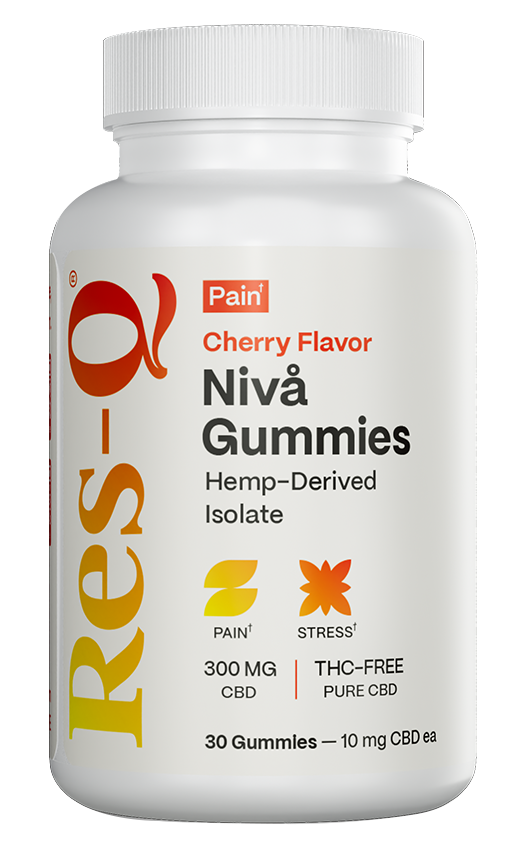
The CBD Your Body ACTUALLY ABSORBS
Most CBD passes right through you. This one doesn't — 440% better absorption, zero THC, made in the U.S.
See Why People Are SwitchingSupporting Your Endocannabinoid System Long-Term
CBD supplementation is one way to interact with these receptor systems. But it works best alongside a healthy endocannabinoid system. Chronic stress, poor diet, lack of exercise, and sleep deprivation can all downregulate your endocannabinoid receptors — meaning fewer receptors are available and the ones you have become less responsive.
If you’re interested in how to repair cannabinoid receptors, there are several evidence-backed strategies. Regular aerobic exercise increases circulating anandamide levels and upregulates CB1 receptor expression. Omega-3 fatty acids from fish oil or flaxseed serve as precursors for endocannabinoid synthesis. Reducing alcohol consumption helps — ethanol impairs CB1 signaling and chronic heavy drinking shrinks receptor availability over time.
Cold exposure, meditation, and adequate sleep have all shown measurable effects on ECS tone in published research. Combining these lifestyle factors with responsible CBD use creates a compounding benefit. You’re not just adding external cannabinoids — you’re strengthening the receptor infrastructure that makes them useful.
If you’re experiencing diminished effects from CBD over time, receptor health may be the issue. Look into how to repair cannabinoid receptors through diet, movement, and stress management before simply increasing your dose. The receptors themselves need to be functioning well for any cannabinoid — endogenous or plant-derived — to do its job.
Frequently Asked Questions
What receptors does CBD affect most directly?
CBD most directly affects the serotonin 5-HT1A receptor (as an agonist), TRPV1 vanilloid receptor (as an agonist), and GPR55 (as an antagonist). It also modulates CB1 and CB2 endocannabinoid receptors indirectly through allosteric modulation and inverse agonism, respectively.
Why do we have cannabinoid receptors if they respond to a plant?
Cannabinoid receptors evolved to respond to endocannabinoids — chemicals your body produces naturally, like anandamide and 2-AG. Plant cannabinoids happen to share enough structural similarity to interact with the same receptors. The system is over 500 million years old and exists across nearly all vertebrate species.
Does CBD bind to CB1 receptors like THC does?
No. THC binds directly to CB1 receptors and activates them, producing psychoactive effects. CBD acts as a negative allosteric modulator of CB1 — it changes the receptor’s shape so that other molecules, including THC, bind less effectively. CBD does not produce a high.
Can CBD help with pain through receptor activity?
Yes. CBD interacts with at least three receptor systems involved in pain: TRPV1 (which it desensitizes over time), glycine α3 receptors (which it potentiates to suppress neuropathic pain), and CB2 receptors (which modulate inflammatory pain signaling).
How many receptor systems does CBD interact with?
CBD has documented interactions with at least eight receptor types: CB1, CB2, 5-HT1A, TRPV1, GPR55, PPARγ, adenosine receptors (via reuptake inhibition), and α3 glycine receptors. Research continues to identify additional targets as of 2026.
What are endocannabinoid receptors?
Endocannabinoid receptors are protein structures — primarily CB1 and CB2 — that form part of the endocannabinoid system. CB1 receptors are concentrated in the brain and central nervous system. CB2 receptors are found mainly in immune cells and peripheral tissues. Together, they regulate pain, inflammation, mood, appetite, and immune function.