

So You Want to Buy CBD Gummies Locally — Here’s What You Actually Need to Know
If you’ve been asking yourself “where can I buy CBD gummies locally?” you’re not alone. Millions of adults across the U.S. are turning to CBD gummies for chronic pain, anxiety, and sleep trouble — and most of them start by looking for a shop they can walk into. Makes sense. You want to see the product. Read the label. Maybe ask someone a question face to face. But finding a reliable local source is harder than it sounds. Not every store selling CBD is selling good CBD. And the difference between a quality gummy and a waste of money often comes down to things most people never think to check.
This guide breaks it all down. Where to look locally, what to watch for, how local compares to online, and what real buyers have learned the hard way. No hype. Just practical info for people who want to make a smart purchase.
Tired of guessing which CBD actually works?
Find What Works for Your Body
A less-than 60 second wellness match for adults exploring plant-based relief
What’s bothering you most right now?
Select the one that impacts your day the most
How long have you been dealing with this?
There's no wrong answer — this helps us tailor your match
How much does it affect your daily routine?
Be honest — this shapes your recommendation
What have you tried so far?
Knowing what hasn't worked helps us find what will
How familiar are you with CBD?
No judgment — everyone starts somewhere
What sounds easiest to add to your routine?
Think about what fits your lifestyle, not what sounds fancy
What matters most to you in a product?
Pick the one that would seal the deal for you
YOUR MATCH IS READY
We'll include your personalized match plus a first-timer's guide based on your answers.
Where should we send your recommendation?
🔒 No spam, ever. Your info is kept 100% secure.
If you'd rather not wait — based on your answers about your symptoms, we'd point you straight to our trusted partner.
Skip to My Match →Types of Local Stores That Sell CBD Gummies
The first thing to understand is that CBD gummies show up in very different types of stores. And the quality, pricing, and staff knowledge vary wildly depending on where you go.
Dedicated CBD and Hemp Shops
These are your best bet locally. A shop that focuses specifically on hemp-derived products typically carries third-party tested brands. Staff members tend to know the difference between full-spectrum, broad-spectrum, and isolate. They can usually pull up a certificate of analysis (COA) — that’s a lab report showing exactly what’s in the product — right there on the spot. In cities like Denver, Austin, Portland, and even mid-size towns across the Southeast, dedicated CBD shops have become common. A 2025 Brightfield Group report estimated over 12,000 specialty CBD retail locations operating across the United States.
One user on Reddit’s r/CBD forum described her experience at a local hemp shop in Chattanooga, Tennessee. She’d been dealing with sciatic nerve pain for three years. Her doctor had suggested gabapentin. She didn’t want it. She walked into a small CBD store, spent twenty minutes talking to the owner, and left with a 1500mg full-spectrum gummy jar for around $55. Within two weeks, she reported noticeable improvement in both pain levels and sleep quality. That doesn’t mean everyone gets the same result. But the in-person guidance mattered to her decision.
Pharmacies and Wellness Stores
CVS, Walgreens, and some regional pharmacy chains now stock CBD topicals and gummies. The selection is limited. You’ll mostly find isolate-based products from larger brands like Charlotte’s Web or cbdMD. Pricing tends to be higher per milligram compared to specialty shops. Staff knowledge is hit or miss — pharmacists understand drug interactions but often have minimal training on hemp extract specifics.
Whole Foods, Sprouts, and local co-ops also carry CBD gummies. These lean toward organic, vegan, non-GMO formulations. If ingredient sourcing matters to you — and for a lot of chronic pain sufferers it does — these stores tend to stock cleaner products. Expect to pay a premium. A 30-count jar of 25mg gummies at a health food store often runs $40 to $65.
Smoke Shops and Gas Stations
This is where things get dicey. Smoke shops and convenience stores do sell CBD gummies. Some of them are fine. Many of them are not. A 2023 study published in the Journal of the American Medical Association found that nearly 70% of CBD products sold online were mislabeled. The numbers for unregulated retail shelves are likely worse. Gas station CBD is notorious for containing less CBD than advertised, or in some cases, synthetic cannabinoids that aren’t CBD at all.
If you’re buying from a smoke shop, ask to see a COA. If they can’t produce one — or don’t know what you’re talking about — walk out. Your body deserves better than a mystery gummy wrapped in flashy packaging.
What to Look for on the Label Before You Buy
Whether you’re standing in a store or browsing online, the label tells you almost everything. Here’s what matters.
CBD Type and Milligram Strength
Full-spectrum means the gummy contains CBD plus other cannabinoids like CBG, CBN, and trace amounts of THC (under 0.3%). Many chronic pain users prefer full-spectrum because of the entourage effect — the idea that cannabinoids work better together than alone. Research from the Hebrew University of Jerusalem supports this, showing enhanced anti-inflammatory response when multiple cannabinoids are present.
Broad-spectrum removes the THC but keeps other cannabinoids. Isolate is pure CBD only. For anxiety and sleep, some users find broad-spectrum or full-spectrum more effective. For people subject to drug testing, isolate is the safest choice.
Milligram strength matters more than people realize. A gummy labeled “500mg” on the front might contain 500mg total for the entire jar — not per gummy. That’s a common point of confusion. Flip the jar over. Look at the per-serving milligrams. Most effective dosing for adults starts around 25mg per gummy for general wellness. Chronic pain users often need 50mg or more per dose, based on anecdotal reports and emerging clinical data.
Third-Party Lab Testing
Non-negotiable. Every reputable CBD brand sends batches to independent labs. The COA should confirm CBD content, THC levels, and the absence of heavy metals, pesticides, and residual solvents. If a brand doesn’t publish COAs on their website or provide them in-store, skip them. Period. The FDA does not regulate CBD products the way it regulates pharmaceuticals. Third-party testing is the closest thing consumers have to a safety net.
Hemp Source
U.S.-grown hemp is subject to the 2018 Farm Bill and state agricultural regulations. Colorado, Oregon, Kentucky, and Vermont are major growing regions with established testing protocols. Imported hemp — particularly from China or Eastern Europe — may be grown in contaminated soil. Hemp is a bioaccumulator. It absorbs whatever is in the ground. That includes lead, cadmium, and mercury. Ask where the hemp was grown. If nobody can answer, that’s a red flag.
Looking For Something Pure & Potent?
If your current CBD isn't full-spectrum and U.S.-sourced, you're wasting money
Check Out This Full-Spectrum, American Made CBDShould I Buy CBD Gummies Online or In-Person?
This is one of the most common questions people ask after they’ve decided to try CBD. And the honest answer is: it depends on what you value most.
The Case for Buying Locally
You get the product same day. No shipping wait. No worrying about heat damage during transit — CBD gummies can melt and degrade in hot delivery trucks, especially during summer months. You can inspect packaging, read labels, and ask questions in real time. For first-time buyers, that face-to-face interaction can be the difference between a confident purchase and a confused one.
Local shops also let you start small. Buy a single jar. Try it for two weeks. Go back and talk to the same person about your experience. That feedback loop matters when you’re experimenting with dosage.
The Case for Buying Online
Selection is the biggest advantage. Online retailers and direct-from-brand websites carry far more products than any single store can stock. You can compare dozens of brands in an hour. Read hundreds of user reviews. Cross-reference COAs. And pricing is almost always lower online. Brands selling direct to consumer cut out the retail markup. A jar that costs $60 locally might be $38 on the brand’s website, with free shipping over a certain amount.
Online buying also makes it easier if you’re wondering where can I buy CBD gummies in bulk. Most brands offer subscription discounts of 15% to 30%. Bulk packs — three or six jars at a time — drop the per-milligram cost significantly. For someone using CBD daily for chronic pain management, that savings adds up fast. We’re talking $200 to $400 per year in difference for a moderate user.
A Hybrid Approach That Works
Many experienced CBD users do both. They buy their first jar locally. Figure out what works. Then switch to ordering that same product online at a lower price. If a local shop carries the exact brand you want and the price difference is small, supporting that local business is worth considering. They’re often the ones educating your community about CBD in the first place.
Dosage Guidance That Actually Helps
Dosage is where most people get stuck. There’s no FDA-approved dosage chart for over-the-counter CBD gummies. What exists is a growing body of clinical research and a massive amount of user-reported data.
Starting Low and Adjusting
The general recommendation from most healthcare practitioners familiar with cannabinoid therapy is to start at 10mg to 25mg per day. Take it at the same time each day for at least seven to ten days before adjusting. CBD builds up in your system. A single dose on a random Tuesday won’t tell you much.
For anxiety, many users report benefit in the 25mg to 50mg range. A 2019 study in The Permanente Journal followed 72 adults with anxiety and poor sleep. After one month of 25mg CBD capsules taken daily, 79.2% reported decreased anxiety scores and 66.7% reported improved sleep. Those numbers held at the two-month follow-up.
For chronic pain — especially inflammatory conditions like arthritis, fibromyalgia, or lower back pain — doses tend to be higher. User communities on forums like r/CBD and Leafly report effective ranges between 50mg and 100mg daily, often split into two doses. Morning and evening.
What Affects How CBD Works in Your Body
Body weight plays a role. A 130-pound person and a 220-pound person won’t respond to the same dose identically. Metabolism matters too. If you metabolize things quickly — caffeine hits you fast and fades fast — CBD may process similarly. Fat content in your recent meal affects absorption. CBD is fat-soluble. Taking a gummy with a meal that contains some healthy fat (avocado, nuts, olive oil) can increase bioavailability by up to 2.5 times, according to research from the University of Minnesota published in Epilepsia.
Medications interact with CBD. CBD inhibits certain cytochrome P450 enzymes in the liver — the same enzymes that process blood thinners, certain antidepressants, and some blood pressure medications. If you take prescription drugs, talk to your doctor or pharmacist before adding CBD. Not because CBD is dangerous. Because the interaction can change how your other medications work.
Real User Experiences Worth Reading
Numbers and studies matter. So do stories from people who’ve actually lived with these products.
Mark, 43, Construction Worker, Ohio
Mark herniated a disc in 2022. Surgery helped but didn’t eliminate the pain. He was prescribed oxycodone. Took it for four months. Hated how it made him feel — foggy, constipated, dependent. His wife found a local CBD shop in Columbus. He started with 25mg full-spectrum gummies before bed. Moved to 50mg after three weeks. Within two months, he’d tapered off the oxycodone entirely with his doctor’s supervision. He now orders a three-pack of 60-count jars online every two months. That’s his bulk buy. Costs him about $105 shipped.
“I’m not saying CBD fixed my back,” Mark wrote in a product review. “But it took the edge off enough that I could function. I could sleep. I could play with my kids without wincing every time I bent down.”
Danielle, 34, Teacher, Georgia
Danielle dealt with generalized anxiety for over a decade. She’d tried three different SSRIs. Each one came with side effects she couldn’t tolerate — weight gain, sexual dysfunction, emotional flatness. A colleague mentioned CBD gummies. Danielle found a wellness store near her school that carried a broad-spectrum brand with 30mg gummies. She takes one each morning with breakfast.
“It’s not a miracle cure,” she said in a forum post. “I still have anxious days. But the baseline dropped. Like, my resting anxiety went from a 7 to a 3 or 4 most days. That’s enough to change how your whole day feels.”
Ray, 55, Retired, Arizona
Ray has osteoarthritis in both knees. He was spending over $300 a month on anti-inflammatory prescriptions and physical therapy co-pays. A friend gave him a jar of CBD gummies at a barbecue. Ray was skeptical. Tried them for a month. Noticed his morning stiffness lasted 20 minutes instead of an hour. He now buys locally from a shop in Scottsdale that he trusts. He pays more than he would online, but he likes talking to the owner, who has arthritis himself.
“I asked him straight up — does this stuff actually work or am I fooling myself?” Ray recalled. “He said, ‘Come back in 30 days and tell me.’ So I did. And I kept coming back.”
Where Can I Buy CBD Gummies in Bulk?
Buying in bulk makes sense if you’ve already found a product that works for you. Experimenting in bulk is a waste. Committing in bulk saves real money.
Online Bulk Options
Most established CBD brands offer multi-jar discounts directly on their websites. Common structures include buy-two-get-one, tiered percentage discounts, or subscription models that ship every 30, 60, or 90 days. Some brands offer wholesale accounts for individuals buying six or more units at a time. Pricing drops to roughly $0.04 to $0.08 per milligram at bulk rates — compared to $0.10 to $0.15 per milligram at standard retail.
Marketplace sites like CBD.co and DirectCBDOnline aggregate multiple brands and occasionally run bulk deals. Check COAs independently when buying through aggregators. Don’t assume the marketplace verified them for you.
Local Bulk Options
Some local CBD shops offer loyalty programs or bulk pricing if you ask. It’s not always advertised. A shop owner in Nashville told a podcaster in 2025 that roughly 30% of his repeat customers buy three or more jars at a time, and he gives them a flat 20% discount for doing so. If you’ve built a relationship with a local store, ask about it. The worst they say is no.
Common Mistakes People Make Buying CBD Gummies
These come up over and over in forums, reviews, and conversations with retail staff.
Buying Based on Price Alone
The cheapest gummy on the shelf is almost never the best value. Low price often means low potency, poor extraction methods, or no third-party testing. Calculate cost per milligram of CBD — not cost per jar. A $30 jar with 300mg total CBD costs $0.10/mg. A $50 jar with 1500mg total CBD costs $0.03/mg. The more expensive jar is actually three times cheaper per dose.
Ignoring the THC Content
Full-spectrum gummies contain up to 0.3% THC by dry weight. That’s federally legal. But it can still show up on a drug test, especially with daily use at higher doses. A 2020 Johns Hopkins study found that participants using full-spectrum CBD products with 0.3% THC tested positive on standard urine drug screenings 50% of the time after prolonged use. If your job requires drug testing, choose broad-spectrum or isolate.
Expecting Instant Results
CBD gummies are not ibuprofen. They don’t work in 30 minutes. Edible CBD has to pass through your digestive system and liver before entering your bloodstream. Onset is typically 45 minutes to two hours. And the cumulative effect — the real benefit — builds over days and weeks of consistent use. People who try one gummy, feel nothing dramatic, and quit are missing the point entirely.
Not Talking to Their Doctor
CBD is generally well-tolerated. The World Health Organization stated in a 2018 report that CBD exhibits no effects indicative of abuse or dependence potential. Side effects are mild — occasional drowsiness, dry mouth, slight digestive upset. But drug interactions are real. If you take blood thinners like warfarin, anti-seizure medications, or certain heart drugs, CBD can amplify or reduce their effects. A five-minute conversation with your doctor or pharmacist can prevent a serious problem.
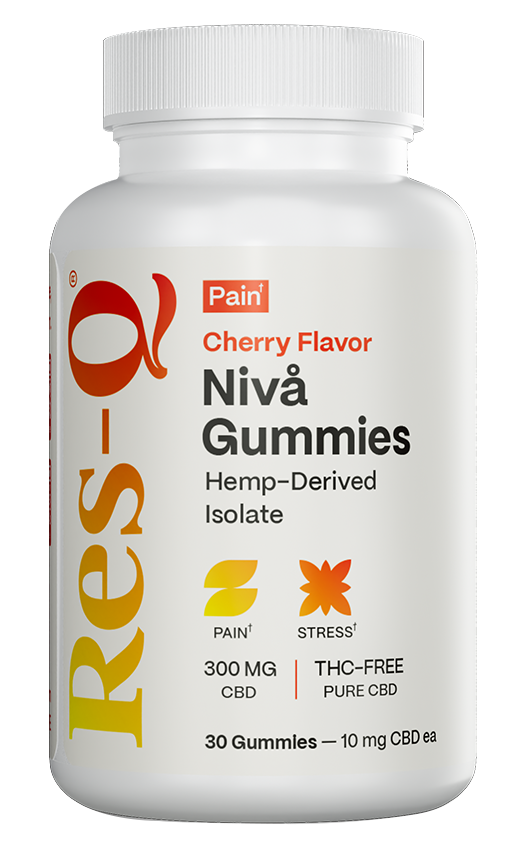
The CBD Your Body ACTUALLY ABSORBS
Most CBD passes right through you. This one doesn't — 440% better absorption, zero THC, made in the U.S.
See Why People Are SwitchingFinding the Right CBD Gummy Locally Comes Down to Homework
Figuring out where can I buy CBD gummies locally isn’t hard once you know what to look for. Dedicated hemp shops offer the best combination of product quality and staff knowledge. Pharmacies and health food stores are solid backup options. Smoke shops and gas stations are risky unless you verify testing yourself. And for many buyers, a combination of local first purchases and online bulk ordering hits the sweet spot of quality, convenience, and value.
The CBD market is projected to reach $47.22 billion globally by 2028, according to Grand View Research. That growth means more options, more stores, and unfortunately, more low-quality products flooding shelves. Being an informed buyer protects your health and your wallet.
Whether you’re managing chronic back pain, trying to sleep through the night without pharmaceuticals, or looking for something to quiet the constant hum of anxiety — CBD gummies are worth a serious, informed try. Start local. Ask hard questions. Read the lab reports. Give it time.
Read the rest of our articles and more useful info down below!