

Fat Loss Tips That Actually Change How Your Body Works
Most fat loss tips you find online are recycled nonsense from 2014. Eat less, move more, drink water. That advice isn’t wrong — it’s just incomplete. And incomplete advice is why people start strong in January and quit by March. According to a 2023 study published in the journal Obesity, roughly 80% of people who lose significant weight regain it within two years. That number hasn’t improved much going into 2026.
This article covers what actually matters. Not trends. Not supplements. Real, evidence-based fat loss tips grounded in how human metabolism, appetite regulation, and behavior change actually function. If you want tips to lose body fat and keep it off, you need to understand what’s happening beneath the surface — hormonally, psychologically, and practically.
Get GLP-1 Online
Check which trusted sites and pharmacies in our database allow you to get GLP in your state.
Enter your ZIP code to check availability of GLP in your area:
🔒 Your information is kept 100% secure and will never be shared with anyone.
✓ GLP Treatment Found!
GREAT NEWS - We found available stock nearby.
Enter your details below to register to the limited GLP-1 waiting list
Don't want to wait? You can also go directly to this GLP-1 provider while stock is still available.
🔒 We respect your privacy. You will never receive spam and your information will never be shared. It is kept 100% secure.
✓ Confirmed - You Can Get GLP Near You - But Check Your Eligibility Below!
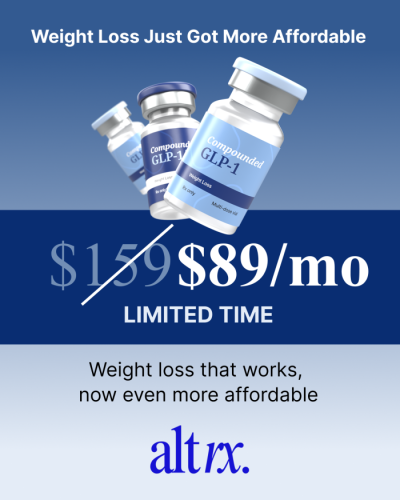
Your ZIP offers a massive saving of $89/mo instead of $159/mo.
Check Stock (Limited) →Support by Alt RX - a American Weight Loss service. Results are not a substitute for physician care.
Why Most People Fail at Fat Loss Before They Even Start
Here’s a pattern that plays out constantly. Someone decides to lose fat. They slash calories to 1,200 a day. They do cardio six days a week. They lose eight pounds in two weeks. Then their energy crashes. Sleep gets worse. Hunger becomes unbearable. By week four, they’re eating more than they were before the diet started.
This isn’t a willpower problem. It’s a biology problem. When you cut calories too aggressively, your body responds with a set of hormonal shifts designed to protect you from starvation. Leptin — the hormone that tells your brain you’ve eaten enough — drops. Ghrelin — the hormone that drives hunger — increases. Your metabolic rate slows down. A study from the National Institutes of Health tracking contestants from “The Biggest Loser” found that participants’ metabolic rates were still suppressed six years after the show ended. Six years.
So the first real fat loss tip is this: don’t start with a massive calorie deficit. A moderate deficit of 300 to 500 calories below your maintenance level is enough to lose about 0.5 to 1 pound of fat per week. That sounds slow. It is slow. But it’s the rate that your hormones and metabolism can actually tolerate without fighting back hard.
Protein Is the Most Important Macronutrient for Fat Burning
If there’s one thing that separates people who successfully lose body fat from those who don’t, it’s protein intake. Not supplements. Not protein shakes specifically. Just total daily protein.
Protein does three things that directly support fat loss:
First, it has the highest thermic effect of food. That means your body burns more calories digesting protein than it does digesting carbs or fat. About 20 to 30% of the calories in protein get used up during digestion. For carbohydrates, that number is 5 to 10%. For dietary fat, it’s 0 to 3%.
Second, protein preserves lean muscle mass when you’re in a calorie deficit. This matters because muscle is metabolically active tissue. Lose muscle and your metabolic rate drops even further. A 2016 study in the American Journal of Clinical Nutrition had two groups eat in the same calorie deficit. The high-protein group (1.1 grams per pound of bodyweight) lost more fat and actually gained muscle. The lower-protein group lost both fat and muscle.
Third, protein is the most satiating macronutrient. It keeps you full longer. When you eat enough protein, the constant gnawing hunger that wrecks most diets becomes much more manageable.
A practical target: aim for 0.7 to 1 gram of protein per pound of your target bodyweight each day. If you weigh 200 pounds and want to get to 170, eat around 120 to 170 grams of protein daily. Chicken breast, eggs, Greek yogurt, lean beef, fish, cottage cheese, lentils — the source matters less than the total amount.
What About Protein Timing?
It’s less important than total intake. But spreading your protein across 3 to 4 meals does seem to support better muscle protein synthesis compared to eating it all in one or two sittings. A 2018 review in the Journal of the International Society of Sports Nutrition confirmed that distributing protein evenly throughout the day produced slightly better body composition outcomes. Not a massive difference. But if you’re optimizing, it’s worth doing.
Strength Training Burns More Fat Than You Think
People default to cardio when they want fat burning tips. Running, cycling, elliptical machines. And cardio does burn calories. But it’s not the most effective tool for changing your body composition.
Strength training — lifting weights, using resistance bands, bodyweight exercises done with progressive overload — creates a metabolic environment that cardio doesn’t. After a hard resistance training session, your body continues burning calories at an elevated rate for up to 38 hours. This is called excess post-exercise oxygen consumption, or EPOC. A 2015 study in the Journal of Strength and Conditioning Research measured this effect and found that resistance training produced significantly more EPOC than steady-state cardio of equal duration.
Beyond that, building or maintaining muscle increases your basal metabolic rate. Every pound of muscle burns roughly 6 to 7 calories per day at rest. That doesn’t sound like much until you consider that adding 10 pounds of muscle over a couple of years means an extra 60 to 70 calories burned daily just existing. Over a year, that’s over 25,000 additional calories — the equivalent of about 7 pounds of fat.
You don’t need to live in the gym. Three to four sessions per week, 45 to 60 minutes each, focused on compound movements like squats, deadlifts, bench press, rows, and overhead presses. That’s enough for most people to see meaningful changes in body composition within 12 to 16 weeks.
A Real Example
A client I worked with — 38-year-old woman, 5’6″, 185 pounds — had been doing group cardio classes five times a week for over a year with no visible change. We switched her to three days of strength training, two days of walking, and adjusted her protein to 130 grams a day. In 14 weeks she lost 16 pounds of fat and gained about 4 pounds of muscle. The scale only moved 12 pounds, but she dropped two full clothing sizes. Her body looked completely different. The scale is a terrible measurement tool on its own.
Sleep Deprivation Will Sabotage Everything
This one gets dismissed constantly. People will spend hours meal prepping and tracking macros but sleep five and a half hours a night and wonder why progress stalls.
Sleep deprivation directly impairs fat loss. A landmark study from the University of Chicago put participants in a calorie deficit under two conditions: 8.5 hours of sleep opportunity and 5.5 hours. Both groups lost weight. But the sleep-deprived group lost 55% less fat and 60% more lean mass. Same calorie deficit. Same food. The only variable was sleep.
When you don’t sleep enough, cortisol rises. Insulin sensitivity drops. Growth hormone — which plays a major role in fat metabolism and muscle repair — gets suppressed. Your prefrontal cortex, the part of the brain responsible for impulse control and decision-making, functions at a reduced capacity. That’s why you crave high-calorie food when you’re tired. It’s not weakness. Your brain is literally operating in a compromised state.
Aim for 7 to 9 hours per night. If you can’t get that, even improving from 5.5 to 7 hours will produce noticeable differences in appetite regulation, energy, and fat loss outcomes.
Tips to Lose Body Fat With Better Calorie Awareness
You don’t have to track calories forever. But you should track them for at least two to four weeks when you’re starting out. Most people drastically underestimate how much they eat. A study published in the New England Journal of Medicine found that participants underreported their calorie intake by an average of 47%. Almost half their food intake was invisible to them.
Use an app like MyFitnessPal or Cronometer. Weigh your food with a kitchen scale for the first couple of weeks. You’ll be shocked. That “small handful” of almonds is probably 300 calories. That “drizzle” of olive oil is 120. The peanut butter you eyeballed on your toast is closer to 250 calories than the 90 you assumed.
Once you develop awareness of portion sizes and caloric density, you can stop tracking and use portion-based methods instead. A palm-sized portion of protein. A fist-sized portion of vegetables. A cupped hand of carbohydrates. A thumb-sized portion of fats. This approach, developed and validated by Precision Nutrition in studies with over 100,000 clients, is accurate enough for most people to maintain a deficit without the mental load of calorie counting.
Calorie Density Is an Underused Concept
Some foods pack a lot of calories into a small volume. Others give you a large volume for very few calories. Understanding this changes how you eat without requiring willpower.
A medium-sized potato has about 160 calories and weighs 213 grams. A small bag of chips has about 300 calories and weighs 42 grams. You’d feel much fuller after the potato. It takes up more space in your stomach. It has fiber. It triggers stretch receptors that tell your brain you’ve eaten a substantial amount of food.
Building meals around low-calorie-density foods — vegetables, fruits, lean proteins, whole grains, legumes — lets you eat larger portions while staying in a deficit. You feel satisfied instead of deprived. This is one of the most practical fat burning tips that almost no one talks about in a useful way.
Cardio Has a Place — But It’s Not Where Most People Put It
Cardio isn’t useless. It supports cardiovascular health, improves mood, helps with recovery, and burns additional calories. The issue is when people use it as their primary fat loss tool and do too much of it.
Excessive cardio — especially steady-state endurance work — can increase cortisol, stimulate appetite beyond the calories burned, and interfere with recovery from strength training. A 2012 meta-analysis in the Journal of Sports Sciences found that combining high volumes of endurance training with resistance training compromised strength and muscle gains. This phenomenon is called the “interference effect.”
For fat loss, the best approach is to use cardio strategically:
Walk more. Daily step count is an underappreciated variable. Walking 8,000 to 10,000 steps per day can burn 300 to 500 additional calories depending on your weight and pace. It doesn’t spike cortisol. It doesn’t increase appetite much. It doesn’t require recovery. A 2020 study in JAMA found that people who averaged 8,000 steps per day had a 51% lower risk of all-cause mortality compared to those who took 4,000 steps. Fat loss aside, walking is arguably the single best thing you can do for your health.
If you enjoy higher-intensity cardio, 2 to 3 sessions per week of 20 to 30 minutes is plenty for most people. Sprint intervals, cycling, rowing — pick what you like because adherence matters more than the specific modality.
Stress and Fat Loss Have a Complicated Relationship
Chronic stress elevates cortisol. Elevated cortisol promotes fat storage, particularly around the midsection. It also increases water retention, which masks fat loss on the scale and makes people think their diet isn’t working when it actually is.
A 2017 study in the journal Obesity found that participants with higher perceived stress levels lost significantly less weight over a 24-week period compared to those with lower stress — even when calorie intake was controlled. Stress also disrupts sleep, increases cravings for high-calorie food, and reduces motivation for physical activity. It creates a cascade of negative effects that compound over time.
Managing stress isn’t optional when pursuing fat loss. It’s as important as your nutrition and training. Practical strategies that have research support include: 10 to 20 minutes of daily meditation or deep breathing exercises, regular time spent outdoors (a 2019 study in Scientific Reports found that 120 minutes per week in nature significantly improved wellbeing markers), limiting social media consumption, maintaining social connections, and setting boundaries around work hours.
Common Fat Loss Mistakes That Waste Months of Effort
Relying on the Scale Alone
Body weight fluctuates by 2 to 5 pounds daily based on water retention, sodium intake, carbohydrate intake, bowel contents, and hormonal cycles. If you weigh yourself once a week and happen to catch a high day, you’ll think you gained fat when you didn’t. Weigh yourself daily at the same time — first thing in the morning, after using the bathroom, before eating — and look at the weekly average. The trend over 3 to 4 weeks tells the real story.
Drinking Calories Without Realizing It
A large latte with flavored syrup can contain 350 to 500 calories. A glass of orange juice has about 110 calories with almost no fiber to slow absorption. Two glasses of wine at dinner adds 250 calories. Sugary sodas, energy drinks, sweetened teas — these add up fast and don’t register the same way solid food does in your appetite signaling system. A 2009 study in the American Journal of Clinical Nutrition confirmed that liquid calories produce weaker satiety responses than solid food calories.
Switch to water, black coffee, unsweetened tea, and zero-calorie beverages as your defaults. Save caloric drinks for intentional occasions rather than daily habits.
Doing Everything at Once
People try to overhaul their entire life on day one. New diet, new workout program, new sleep schedule, new supplements, no alcohol, no sugar. It lasts about 10 days. Then everything falls apart because you’ve exceeded your capacity for behavior change.
Pick one or two things to focus on first. Get protein intake right. Start strength training three times a week. Once those become habits — which usually takes about 3 to 6 weeks — add the next layer. This approach is slower but produces results that last years instead of weeks.
Ignoring Neat
NEAT stands for non-exercise activity thermogenesis. It’s all the calories you burn through movement that isn’t structured exercise. Fidgeting, walking to the kitchen, standing while working, taking stairs, carrying groceries. NEAT can account for 200 to 900 calories per day depending on the person and their lifestyle. When you diet, NEAT unconsciously decreases — you move less without realizing it. Consciously maintaining your daily activity through step counts and regular movement breaks can offset this metabolic adaptation significantly.

- Summer Discounts Applied! $150 OFF Semaglutide | $200 OFF Tirzepatide
- Prescription & Telemed Visits Included. No Insurance Required
- Free Shipping. Get it in 1-2 working days
- Same price for each dose. No hidden fees.

- New Customer Offer: $150 Off Every Month for Life!
- Tirzepatide & Semaglutide GLP-1 Plans Available
- Messaging with U.S Licensed Clinicians
- Free and Discreet Shipping

- Limited Time: $140 Off All Weight Loss Plans
- Injections and Oral Treatment Available
- HSA/FSA Eligible
- No hidden fees

- Medically supervised, doctor-prescribed GLP-1
- 100% online doctor visits and prescriptions
- HSA/FSA Eligible
- No hidden fees - available in all 50 states

- Personalized GLP-1's Shipped right to your door
- They run new patient special offers
- No insurance required
- FDA-Regulated Pharmacies
Fat Loss Tips for Different Situations
If You Work a Desk Job
Set a timer to stand or walk for 5 minutes every hour. Use a standing desk for part of the day if available. Take walking meetings when possible. Park farther from the entrance. These small changes can add 1,500 to 2,000 extra steps to your day without structured exercise time.
If You Have a Limited Budget
Eggs, canned tuna, frozen vegetables, rice, oats, bananas, canned beans, and chicken thighs are cheap and effective for fat loss nutrition. You don’t need grass-fed organic anything. A dozen eggs costs about $3 to $5 and provides 72 grams of protein. A bag of frozen broccoli is under $2. Fat loss doesn’t require expensive food. It requires consistent calorie and protein targets from whatever sources you can afford.
If You’re Over 40
Metabolic rate does decline with age, but most of that decline is attributable to loss of muscle mass — not aging itself. A 2021 study in Science found that metabolism actually remains relatively stable between ages 20 and 60 when adjusted for body composition. The primary intervention is the same: strength train, eat adequate protein (which may need to be higher — closer to 1 gram per pound — since older adults have reduced muscle protein synthesis response), prioritize sleep, and maintain a moderate calorie deficit.
What the Research Says About Popular Fat Burning Tips
Intermittent Fasting
Intermittent fasting works for fat loss — but not because of any special metabolic effect. It works because restricting your eating window often leads to eating less total food. A 2020 systematic review in the Annual Review of Nutrition found that intermittent fasting produced comparable fat loss to continuous calorie restriction when calories were matched. If skipping breakfast makes it easier for you to stay in a deficit, do it. If it makes you ravenous by noon and you overeat at lunch, don’t. The best eating schedule is the one you can follow consistently.
Fat Burner Supplements
The fat burner supplement industry generates billions of dollars annually. Most products contain caffeine, green tea extract, and various herbal ingredients with minimal evidence behind them. Caffeine does slightly increase metabolic rate — by about 3 to 11% depending on the dose and the study. Green tea extract may contribute a small additional effect. But we’re talking about an extra 50 to 100 calories burned per day at best. That’s the equivalent of walking for 15 minutes. Save your money. Drink coffee if you want the caffeine benefit.
Targeted Fat Loss
You cannot spot-reduce fat. Doing 500 crunches will not burn belly fat. A 2011 study in the Journal of Strength and Conditioning Research had participants do ab exercises for six weeks with no change in abdominal fat. Fat loss happens systemically — your body decides where it comes off based on genetics, hormonal profile, and sex. You can build muscle in specific areas to change how your body looks, but you can’t choose where fat leaves.
Putting It All Together: A Practical Framework
Here’s what effective fat loss actually looks like in practice for most people:
Eat in a moderate calorie deficit of 300 to 500 calories below maintenance. Get 0.7 to 1 gram of protein per pound of target bodyweight daily. Strength train 3 to 4 times per week using compound movements with progressive overload. Walk 8,000 to 10,000 steps per day. Sleep 7 to 9 hours per night. Manage stress actively. Track your intake for the first few weeks to build awareness. Weigh daily and watch the weekly average trend over months.
None of this is complicated. All of it requires consistency over time. The people who get lasting results are the ones who do these basic things well for six months, a year, two years. Not the ones who find some secret trick or magic supplement.
These fat loss tips aren’t new or exciting. They’re effective. And that’s the only thing that matters when you’re standing in front of the mirror a year from now, either satisfied with the changes you made or wishing you’d started when you first read an article like this one.
Read the rest of our articles and more useful info down below for everything you need to keep making progress.