

Can You Actually Lose 5 Pounds in a Week?
Let’s get right into it. If you’re searching how to lose 5 pounds in a week, you probably have a reason. A wedding. A vacation. Clothes that used to fit and don’t anymore. Maybe you just want to feel different when you look in the mirror next Monday. Whatever it is, the question is real and deserves a real answer.
Yes, you can lose 5 pounds in a week. But — and this matters — not all of that weight will be pure body fat. Some of it will be water. Some will come from reduced bloating and less food sitting in your digestive tract. According to the Mayo Clinic, a safe rate of fat loss is about 1 to 2 pounds per week. So when someone drops 5 pounds in seven days, roughly 1.5 to 2 pounds of that is likely actual fat. The rest is water weight and waste.
That doesn’t mean the results aren’t real. Your pants fit looser. The scale moves. You feel lighter. Those changes are measurable and visible. You just need to understand what’s happening inside your body so you don’t crash or rebound the following week.
Get GLP-1 Online
Check which trusted sites and pharmacies in our database allow you to get GLP in your state.
Enter your ZIP code to check availability of GLP in your area:
🔒 Your information is kept 100% secure and will never be shared with anyone.
✓ GLP Treatment Found!
GREAT NEWS - We found available stock nearby.
Enter your details below to register to the limited GLP-1 waiting list
Don't want to wait? You can also go directly to this GLP-1 provider while stock is still available.
🔒 We respect your privacy. You will never receive spam and your information will never be shared. It is kept 100% secure.
✓ Confirmed - You Can Get GLP Near You - But Check Your Eligibility Below!
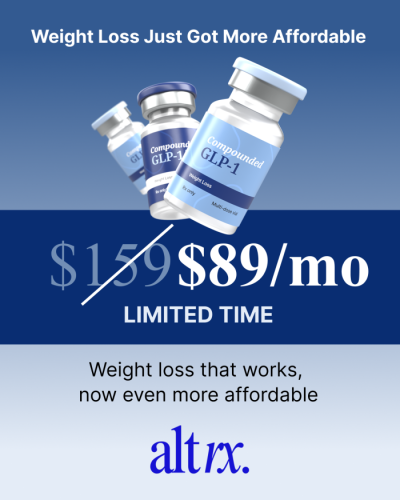
Your ZIP offers a massive saving of $89/mo instead of $159/mo.
Check Stock (Limited) →Support by Alt RX - a American Weight Loss service. Results are not a substitute for physician care.
The Math Behind Losing 5 Pounds
One pound of body fat equals roughly 3,500 calories. To lose 5 pounds of pure fat, you’d need a deficit of 17,500 calories in seven days. That’s 2,500 calories per day below what your body burns. For most people, that’s not realistic or safe.
But here’s what actually happens. When you cut carbohydrates and sodium, your body releases stored water. Each gram of glycogen (the stored form of carbs in your muscles and liver) holds about 3 grams of water. The average person stores around 400 to 500 grams of glycogen. Do the math — that’s over 3 pounds of water weight alone that can drop within the first 48 to 72 hours of a calorie and carb reduction.
So the real target is a calorie deficit of about 750 to 1,000 calories per day through a combination of eating less and moving more. That gets you 1.5 to 2 pounds of fat loss. Add the water weight shift, reduced bloating, and digestive clearing, and 5 pounds on the scale is very achievable.
What to Eat When You Want to Lose 5 Pounds in a Week
I helped my friend Sarah do this before her sister’s wedding last March. She didn’t starve. She didn’t juice cleanse. She ate real food. Three meals a day, every day. Here’s what changed.
She cut processed carbs — bread, pasta, crackers, cereal. Replaced them with vegetables, lean protein, and small portions of fruit. She kept her calories between 1,200 and 1,400 per day (she’s 5’4″, 155 pounds, moderately active). That put her in a deficit of roughly 800 to 900 calories daily below her maintenance level of about 2,100.
Protein was the anchor. She ate about 100 to 120 grams per day. Chicken breast, eggs, Greek yogurt, canned tuna. Protein keeps you full longer because it takes more energy to digest — this is called the thermic effect of food. Protein’s thermic effect is 20 to 30 percent, compared to 5 to 10 percent for carbs and 0 to 3 percent for fat. That means if you eat 100 calories of protein, your body burns 20 to 30 of those calories just processing it.
A Sample Day of Eating
Breakfast: Two scrambled eggs with spinach and half an avocado. Around 320 calories. High protein, healthy fat, almost no processed carbs.
Lunch: Grilled chicken salad with mixed greens, cucumber, cherry tomatoes, olive oil, and lemon juice. About 400 calories. Simple and filling.
Dinner: Baked salmon (6 ounces) with roasted broccoli and cauliflower. Roughly 450 calories. Omega-3 fatty acids from the salmon also help reduce inflammation, which can contribute to water retention.
Snack: A small handful of almonds (about 15) and a cup of raw celery. Around 180 calories.
Total: approximately 1,350 calories. That leaves room for minor adjustments without going over. No deprivation. No weird shakes. Just food.
How Water Intake Affects Your Results
This sounds backward, but drinking more water helps you lose water weight. When you’re dehydrated, your body holds onto fluid. When you’re well-hydrated, it releases it. A 2014 study published in the Journal of Natural Science, Biology and Medicine found that participants who increased their water intake to about 500 milliliters (roughly 17 ounces) 30 minutes before meals lost 44 percent more weight over 8 weeks compared to those who didn’t.
Aim for at least 80 to 100 ounces of water per day during the week you’re trying to lose 5 pounds. More if you’re exercising heavily or sweating a lot. Plain water is best. Black coffee and unsweetened tea count toward your total. Sodas, juices, and anything with added sugar do not.
Sodium is the other factor. The average American consumes about 3,400 milligrams of sodium per day, according to the CDC. The recommended limit is 2,300 milligrams. When you drop your sodium to around 1,500 to 2,000 milligrams for a week, the reduction in water retention is noticeable. Sometimes dramatically so. I’ve seen people drop 2 to 3 pounds in 48 hours just from cutting sodium and increasing water. No dietary changes beyond that.
Exercise That Actually Moves the Scale in 7 Days
You don’t need to live in a gym. But movement helps — a lot. The goal is to increase your daily calorie burn without destroying your recovery or making you so hungry that you overeat.
Walking — The Most Underrated Fat Burner
A 160-pound person burns about 314 calories per hour walking at a brisk pace (3.5 mph), according to Harvard Health Publishing. That’s roughly 45 calories per 10 minutes. If you walk for 45 minutes a day — which is achievable for most people — that’s an extra 2,000 or so calories burned over the week. That alone accounts for more than half a pound of fat.
Walking also doesn’t spike your appetite the way intense cardio does. A 2012 study in the journal Appetite found that moderate-intensity exercise (like walking) suppressed hunger hormones more effectively than high-intensity exercise in overweight individuals. You burn calories without the rebound hunger that makes you raid the fridge at 9 PM.
Strength Training for Metabolic Boost
Add two to three strength training sessions during the week. Full-body workouts using compound movements — squats, deadlifts, presses, rows. Each session doesn’t need to be longer than 30 to 40 minutes.
Strength training preserves lean muscle mass while you’re in a calorie deficit. This matters because muscle is metabolically active tissue. Each pound of muscle burns roughly 6 calories per day at rest, compared to about 2 calories per pound of fat. Over time, maintaining or building muscle keeps your metabolism from dropping — a common problem during calorie restriction.
A study published in Obesity in 2017 showed that participants who combined calorie restriction with resistance training retained significantly more muscle mass than those who only dieted. They also had higher resting metabolic rates at the end of the study period.
Sleep and Stress — The Factors Most People Ignore
This part isn’t glamorous but it’s critical. Poor sleep wrecks your weight loss efforts. A 2010 study in the Annals of Internal Medicine found that when participants slept 5.5 hours per night versus 8.5 hours, they lost 55 percent less fat — even though they ate the same number of calories. Their bodies burned more muscle instead.
Sleep deprivation increases ghrelin (the hunger hormone) and decreases leptin (the fullness hormone). You feel hungrier. You crave higher-calorie foods. Your willpower erodes. Seven to nine hours per night is the target during your weight loss week. Non-negotiable if you want to lose 5 pounds in a week without feeling miserable.
Cortisol and Water Retention
Stress raises cortisol. Elevated cortisol promotes water retention and increases visceral fat storage over time. A 2017 review in Obesity found a strong correlation between chronic stress, high cortisol, and increased abdominal fat.
During your weight loss week, manage stress deliberately. Even 10 minutes of deep breathing, a short walk outside, or turning off your phone an hour before bed can lower cortisol levels. These small changes won’t show up on a calorie tracker, but they directly influence how much water your body holds and how efficiently it burns fat.
Common Mistakes That Sabotage a 5-Pound Week
Eating Too Little
Going below 1,000 calories per day for most adults is counterproductive. Your metabolism downregulates. A phenomenon called adaptive thermogenesis kicks in — your body reduces energy expenditure to match the low intake. A 2016 study on former “Biggest Loser” contestants, published in Obesity, found that participants who aggressively restricted calories experienced metabolic slowdowns lasting years after the show ended. Their bodies burned 500 or more fewer calories per day than expected for their size.
Moderate deficits work better. A 500 to 1,000 calorie daily deficit is aggressive enough to produce results but sustainable enough that your body doesn’t fight you.
Relying on Cardio Alone
People think they need to run five miles a day to lose weight fast. Cardio burns calories during the activity, but excessive cardio without strength training leads to muscle loss, increased appetite, and metabolic adaptation. A 2012 study in the Journal of the American Medical Association found that participants who did cardio only lost both fat and muscle. Those who combined cardio and strength training lost more fat and maintained their muscle.
Ignoring Fiber
Fiber fills you up, slows digestion, and feeds beneficial gut bacteria. Most Americans eat about 15 grams of fiber per day. The recommendation is 25 to 38 grams. During your weight loss week, aim for at least 25 grams. Vegetables, berries, flaxseed, and chia seeds are high-fiber options that don’t add many calories. A single tablespoon of chia seeds has about 5 grams of fiber and only 60 calories.
How to Lose 5 Pounds in 2 Weeks — A Slower Alternative
Not everyone needs to rush. If you have two weeks instead of one, the process becomes more comfortable and the results tend to stick longer. To lose 5 pounds in 2 weeks, your daily deficit only needs to be about 500 to 750 calories. That’s far more manageable.
A two-week timeline lets you eat more food. You can include moderate portions of whole grains — brown rice, oats, quinoa — without stalling your results. You have more flexibility for social meals. The psychological pressure is lower, which means cortisol stays down and compliance stays up.
My neighbor Mike chose the two-week approach last January. He’s 42, works a desk job, and hadn’t exercised regularly in over a year. He cut his calories from about 2,600 to 2,000 per day, walked 30 minutes after dinner, and did two short dumbbell workouts in his garage each week. He lost 5.8 pounds in 14 days. More importantly, he kept it off because the habits he built were sustainable. He’s still walking after dinner seven months later.
What Happens After the First Week
Here’s where most people stumble. They lose 5 pounds, feel great, then go back to eating exactly how they were before. The water weight comes back in 48 hours. The bloating returns. The scale climbs and they feel like the whole effort was pointless.
The first week is a launchpad. Use the momentum. After your initial drop, transition to a moderate deficit of 300 to 500 calories per day. Keep protein high. Maintain your walking habit. Gradually reintroduce complex carbs but keep processed food low. A reasonable expectation after week one is losing 1 to 1.5 pounds per week going forward.
If you lost 5 pounds in the first week and then continue losing 1 pound per week for the next 8 weeks, that’s 13 pounds in just over two months. That’s a meaningful, visible transformation that started with one focused week.
Supplements — Do Any of Them Work?
Most weight loss supplements don’t do what they claim. The Federal Trade Commission has fined dozens of supplement companies for misleading advertising. That said, a few things have modest research backing.
Caffeine increases metabolic rate by 3 to 11 percent, according to a review published in the American Journal of Clinical Nutrition. A cup of black coffee before your morning walk can marginally increase calorie burn. Not life-changing. But real.
Fiber supplements like psyllium husk can help with fullness if you struggle to eat enough vegetables. A 2020 meta-analysis in the European Journal of Clinical Nutrition found that glucomannan (a soluble fiber) produced modest but consistent weight loss in overweight adults.
Green tea extract contains both caffeine and catechins, which may slightly increase fat oxidation. The effects are small — maybe 80 to 100 extra calories burned per day. Not a magic pill. But stacked on top of diet and exercise, it’s an incremental boost.
Nothing replaces a calorie deficit. No pill, powder, or tea will override physics. If you eat more than you burn, you gain weight. Every supplement that works does so by marginally increasing your burn or reducing your intake.
Tracking Progress the Right Way
Weigh yourself every morning, after using the bathroom, before eating or drinking anything. Same scale. Same spot on the floor. Record the number.
Then ignore individual days. Look at 3-day or 7-day averages. Body weight fluctuates by 2 to 4 pounds daily based on hydration, sodium, sleep, hormones, and bowel movements. A single weigh-in means almost nothing. The trend over a week tells the real story.
Take photos on day one and day seven, same lighting, same clothing. The mirror and scale sometimes disagree. Photos don’t lie. Measurements help too — waist circumference is the most telling. Grab a flexible tape measure and wrap it around your bare waist at the navel. Record it. Even a half-inch reduction in a week confirms that something is working beneath the surface.
Alternative GLP-1s

- Summer Discounts Applied! $150 OFF Semaglutide | $200 OFF Tirzepatide
- Prescription & Telemed Visits Included. No Insurance Required
- Free Shipping. Get it in 1-2 working days
- Same price for each dose. No hidden fees.

- New Customer Offer: $150 Off Every Month for Life!
- Tirzepatide & Semaglutide GLP-1 Plans Available
- Messaging with U.S Licensed Clinicians
- Free and Discreet Shipping

- Limited Time: $140 Off All Weight Loss Plans
- Injections and Oral Treatment Available
- HSA/FSA Eligible
- No hidden fees

- Medically supervised, doctor-prescribed GLP-1
- 100% online doctor visits and prescriptions
- HSA/FSA Eligible
- No hidden fees - available in all 50 states

- Personalized GLP-1's Shipped right to your door
- They run new patient special offers
- No insurance required
- FDA-Regulated Pharmacies
Frequently Asked Questions
Is it safe to lose 5 pounds in one week?
For most healthy adults, losing 5 pounds in a week is safe when done through a combination of moderate calorie restriction, increased activity, and reduced sodium. Much of the initial loss is water weight. If you have a medical condition, diabetes, or a history of eating disorders, consult your doctor before starting any aggressive weight loss plan.
How much of the 5 pounds is actually fat?
Typically 1.5 to 2.5 pounds of a 5-pound weekly loss is body fat. The rest is water weight from glycogen depletion and reduced sodium intake. The fat loss is permanent as long as you maintain a reasonable calorie balance afterward.
Can I lose 5 pounds in a week without exercise?
Yes. Diet alone can create the necessary calorie deficit. Exercise accelerates results and helps preserve muscle mass, but it isn’t strictly required for the scale to move. Cutting 750 to 1,000 calories per day from your food intake — primarily by reducing processed carbs, sugar, and sodium — can produce a 5-pound loss in seven days for many people.
Will I gain the weight back after the week ends?
Some water weight will return when you reintroduce carbs and sodium. Usually 1 to 2 pounds. The fat you lost stays gone unless you return to a calorie surplus. Transitioning to a moderate long-term deficit after your initial week prevents a full rebound.
What’s the difference between trying to lose 5 pounds in a week versus 2 weeks?
A one-week timeline requires a larger daily deficit (750-1,000+ calories) and stricter carb and sodium control. A two-week timeline allows a gentler deficit (500-750 calories), more food variety, and less psychological pressure. Both work. The two-week version is easier to sustain and typically produces more lasting habits.
Do I need to cut carbs completely?
No. You don’t need to eliminate all carbohydrates. Reducing processed and refined carbs — white bread, pasta, sugary snacks, soda — is enough to trigger glycogen depletion and water weight loss. Keeping vegetables, small amounts of fruit, and high-fiber foods in your diet provides essential nutrients and energy for workouts.
Start Now and Build From Here
Learning how to lose 5 pounds in a week isn’t complicated. Eat in a moderate calorie deficit. Prioritize protein. Cut sodium and processed carbs. Drink plenty of water. Walk daily. Sleep enough. Manage stress. These aren’t secrets. They’re basics that work every single time when applied consistently.
The harder part is what comes after — turning a one-week push into a lifestyle that doesn’t require constant willpower. That’s where real change lives. One week gets you started. The weeks after determine whether you keep going.
Read the rest of our articles and more useful info down below for guides on meal planning, workout routines, and long-term strategies that build on the momentum you create this week.