

Saxenda and Weight Loss: What You Need to Know Before You Start
If you’re looking into saxenda and weight loss, you probably already know the basics. Saxenda is a brand-name injectable prescription medication. The active ingredient is liraglutide at a 3.0 mg dose. The FDA approved it in 2014 specifically for chronic weight management in adults with a BMI of 30 or higher — or 27 and above if they have at least one weight-related condition like high blood pressure, type 2 diabetes, or high cholesterol.
The drug works by mimicking a hormone called GLP-1 (glucagon-like peptide-1). Your gut naturally releases GLP-1 after you eat. It tells your brain you’re full. Saxenda does the same thing, but at a much stronger and more sustained level. That’s why it falls under the GLP-1 receptor agonist category — the same drug class that includes Ozempic and Wegovy, though those use a different active compound called semaglutide.
What matters right now is whether saxenda is the right fit for you, what it actually costs, and how to find a provider near you who can prescribe it. You can enter your zip code below to find GLP-1 weight loss providers in your area.
NEW tool for our readersGet GLP-1 Online
Check which trusted sites and pharmacies in our database allow you to get GLP in your state.
Enter your ZIP code to check availability of GLP in your area:
🔒 Your information is kept 100% secure and will never be shared with anyone.
✓ GLP Treatment Found!
GREAT NEWS - We found available stock nearby.
Enter your details below to register to the limited GLP-1 waiting list
Don't want to wait? You can also go directly to this GLP-1 provider while stock is still available.
🔒 We respect your privacy. You will never receive spam and your information will never be shared. It is kept 100% secure.
✓ Confirmed - You Can Get GLP Near You - But Check Your Eligibility Below!
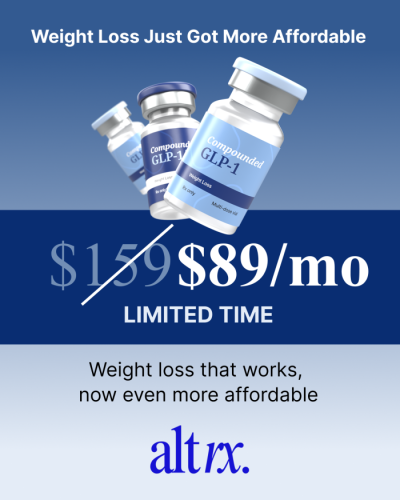
Your ZIP offers a massive saving of $89/mo instead of $159/mo.
Check Stock (Limited) →Support by Alt RX - a American Weight Loss service. Results are not a substitute for physician care.
How the Saxenda Shot for Weight Loss Actually Works
The saxenda shot for weight loss is a once-daily injection you give yourself, usually in the stomach, thigh, or upper arm. It comes in a pre-filled pen. You don’t mix anything. You don’t need to go to a clinic for it. You do it at home.
You start at a low dose — 0.6 mg per day for the first week. Then you increase by 0.6 mg each week until you hit the full 3.0 mg dose. That ramp-up takes about five weeks. The reason for the gradual increase is side effects. Nausea is the most common one, and starting low helps your body adjust.
Here’s what happens inside your body. Liraglutide binds to GLP-1 receptors in the hypothalamus. That’s the part of the brain that regulates appetite. When those receptors activate, you feel less hungry. You eat less without white-knuckling it. Clinical trials published in the New England Journal of Medicine showed that participants on saxenda lost an average of 8% of their body weight over 56 weeks, compared to 2.6% in the placebo group.
That’s a meaningful difference. For someone who weighs 250 pounds, 8% is 20 pounds. Not overnight. Over about a year. With a reduced-calorie diet and increased physical activity alongside it.
What the Saxenda Dosing Schedule Looks Like
Week 1: 0.6 mg daily. Week 2: 1.2 mg daily. Week 3: 1.8 mg daily. Week 4: 2.4 mg daily. Week 5 and beyond: 3.0 mg daily. If you can’t tolerate the dose increase, your doctor might slow the schedule. But the target is always 3.0 mg. If you don’t reach it, the drug is less effective. The FDA label is clear on that.
Each pen contains enough medication for multiple doses at the lower levels, but at 3.0 mg you’ll go through about five pens per month. That matters when we talk about saxenda cost — and we will.
Saxenda and Weight Loss Results: What Clinical Data Shows
Three major trials shaped what we know about saxenda and weight loss. The SCALE (Satiety and Clinical Adiposity — Liraglutide Evidence) program ran multiple studies across thousands of participants.
SCALE Obesity and Prediabetes enrolled 3,731 adults. After 56 weeks, 63.2% of participants on saxenda lost at least 5% of their body weight. In the placebo group, that number was 27.1%. More than a third of saxenda users lost over 10%.
SCALE Diabetes focused on people with type 2 diabetes. Weight loss was more modest — about 6% on average — which is expected because diabetes medications and metabolic changes make losing weight harder. But the results were still statistically significant compared to placebo.
SCALE Maintenance looked at whether saxenda could help people keep weight off after they’d already lost some through diet alone. It could. Participants who switched to saxenda after an initial diet phase lost an additional 6.2% of body weight. Those on placebo regained about 0.2%.
A Real-World Example
A 42-year-old woman — let’s call her Dana — started saxenda at 218 pounds with a BMI of 34. She had tried calorie counting, keto, intermittent fasting. She lost weight each time, then gained it back plus a few extra pounds. Her doctor prescribed saxenda alongside a 500-calorie deficit diet and walking 30 minutes a day.
After 12 weeks, Dana was down 14 pounds. After 6 months, she’d lost 26 pounds. She reported that the biggest change wasn’t willpower. It was that she stopped thinking about food constantly. The mental noise around eating got quieter. That’s what GLP-1 receptor activation does — it doesn’t burn fat directly. It changes the signal your brain sends about hunger.
Dana’s experience lines up with what researchers call “reduced food noise.” It’s not a clinical term yet, but it shows up consistently in patient reports.
Side Effects of the Saxenda Shot for Weight Loss
Nausea is the big one. In clinical trials, 39.3% of people on saxenda reported nausea versus 13.8% on placebo. It usually peaks during dose escalation and fades after a few weeks. Some people also experience diarrhea, constipation, vomiting, or headaches.
More concerning but less common: pancreatitis. Saxenda carries a boxed warning about thyroid C-cell tumors based on animal studies. In rats, liraglutide caused thyroid tumors. Whether that applies to humans isn’t confirmed, but the warning exists. If you have a personal or family history of medullary thyroid carcinoma or Multiple Endocrine Neoplasia syndrome type 2, saxenda is contraindicated.
Gallbladder problems also come up. Rapid weight loss in general increases the risk of gallstones, and saxenda-assisted weight loss is no different. In the SCALE trials, 2.5% of saxenda patients reported gallbladder-related events compared to 1.0% on placebo.
Low blood sugar is a risk mainly if you’re also taking insulin or sulfonylureas for diabetes. On its own, saxenda doesn’t typically cause hypoglycemia.
What to Watch For
If you develop persistent severe abdominal pain that radiates to your back, stop the medication and contact your doctor. That could indicate pancreatitis. If you notice a lump or swelling in your neck, hoarseness, or trouble swallowing, get evaluated for thyroid issues.
Most people tolerate saxenda well. But you need medical supervision. This isn’t a supplement. It’s a prescription medication that changes how your endocrine system functions.
Saxenda Cost: What You’ll Actually Pay
Let’s talk about saxenda cost because it’s one of the biggest barriers. The retail price without insurance is roughly $1,300 to $1,500 per month. That’s for five pens at the 3.0 mg maintenance dose.
Insurance coverage varies widely. Some commercial plans cover it. Many don’t. Medicare Part D does not cover saxenda or any anti-obesity medication as of early 2026. Medicaid coverage depends on your state. Some states cover it. Others list it as excluded.
Novo Nordisk — the manufacturer — offers a savings card for commercially insured patients. With the card, eligible patients might pay as little as $25 per 30-day supply. But that only works if your insurance covers saxenda in the first place. If your plan excludes it, the savings card won’t help.
For cash-pay patients, some telehealth platforms and compounding pharmacies offer liraglutide at lower prices. Compounded liraglutide isn’t the brand-name Saxenda pen. It’s the same active ingredient prepared by a compounding pharmacy. Prices can range from $300 to $600 per month depending on the source and dosage. The FDA has expressed concerns about compounded GLP-1 medications — quality control and sterility are the main issues — so if you go that route, make sure the pharmacy is accredited.
Buying Saxenda Online: What’s Legit and What Isn’t
Buying saxenda online is possible through licensed telehealth providers. Platforms like Ro, Calibrate, and Found connect you with a prescribing physician remotely. You do a video consultation or fill out a health questionnaire. If you qualify, they send the prescription to a pharmacy — either retail or mail-order.
What you want to avoid: websites that sell saxenda without a prescription. If a site doesn’t require any medical evaluation, it’s either selling counterfeit medication or operating illegally. Counterfeit GLP-1 pens have been seized by the FDA in recent years. Some contained no active ingredient. Others contained incorrect doses. One batch seized in 2023 contained insulin instead of liraglutide, which could be fatal for a non-diabetic person.
Stick with verified pharmacies. Check the NABP (National Association of Boards of Pharmacy) website to confirm legitimacy. If you’re buying saxenda online, the pharmacy should be VIPPS-accredited or verified through your state board.
Who Qualifies for Saxenda
FDA criteria are straightforward. You need a BMI of 30 or higher. Or a BMI of 27 or higher with at least one comorbidity — hypertension, dyslipidemia, type 2 diabetes, or obstructive sleep apnea.
Your doctor will also consider your medication history. If you’re on insulin for type 2 diabetes, saxenda can be used alongside it but the insulin dose usually needs adjustment. Saxenda should not be used with Victoza (which is the same drug, liraglutide, but at a lower dose for diabetes) or with any other GLP-1 receptor agonist.
There’s no upper age limit in the adult approval. Saxenda is also FDA-approved for adolescents aged 12 and older with a body weight above 132 pounds and obesity. That approval came in 2020.
How to Find a Provider Near You
Not every doctor prescribes GLP-1 medications for weight loss. Primary care physicians can prescribe saxenda, but many aren’t comfortable doing so or don’t have the time for the follow-up that weight management requires. Obesity medicine specialists, endocrinologists, and some bariatric programs are better bets.
The fastest way to find one is to enter your zip code above. The tool connects you with licensed GLP-1 providers in your area who can evaluate whether saxenda and weight loss treatment is appropriate for your situation. It covers both in-person clinics and telehealth options depending on your location.
Saxenda vs. Other GLP-1 Medications for Weight Loss
Saxenda isn’t the only option anymore. Wegovy (semaglutide 2.4 mg weekly) entered the market in 2021 and generally produces more weight loss — about 15% of body weight on average in the STEP trials, compared to saxenda’s 8%. Zepbound (tirzepatide), approved in 2023 for weight loss, shows even higher numbers — up to 22.5% in some trial arms.
So why would anyone choose saxenda? A few reasons.
Availability. Wegovy and Zepbound have had significant supply shortages since launch. Saxenda has been on the market for over a decade and supply is generally stable.
Insurance. Some plans cover saxenda but not Wegovy or Zepbound. Coverage decisions often lag behind FDA approvals by years.
Daily dosing preference. Some patients prefer a daily injection they control over a weekly one. It sounds counterintuitive, but a few people report that daily dosing helps them stay consistent with the routine.
Prior authorization. Many insurers require step therapy — meaning you have to try saxenda first before they’ll approve a newer, more expensive GLP-1. That’s frustrating but common.
Can You Switch Between GLP-1 Drugs
Yes. If you start on saxenda and your doctor later determines that semaglutide or tirzepatide would be more effective, you can switch. There’s typically a washout period of a few days. The dose escalation process starts over with the new medication. Your provider will guide the transition.
Common Mistakes People Make with Saxenda
Skipping the dose ramp-up. Some people try to jump straight to 3.0 mg because they want faster results. This almost always backfires. The nausea can be severe enough to make them quit entirely. Follow the schedule.
Not changing their diet. Saxenda reduces appetite, but it doesn’t make you immune to caloric surplus. If you eat calorie-dense foods in smaller amounts, you can still maintain your weight or even gain. The drug works best paired with structured dietary changes — a 500-calorie daily deficit is the standard recommendation.
Stopping abruptly and expecting the weight to stay off. Data from the SCALE Maintenance trial showed that people who discontinued saxenda regained about two-thirds of the weight they’d lost within a year. GLP-1 medications manage obesity. They don’t cure it. That’s an important distinction. If you stop, the hunger signals return to baseline.
Ignoring follow-up appointments. Your doctor needs to check your weight trajectory, adjust doses if needed, and monitor for side effects. Saxenda isn’t a set-it-and-forget-it treatment.
What Happens During the First Month on Saxenda
Week one is usually uneventful. The 0.6 mg dose is low enough that most people don’t feel much. Maybe slight nausea after the injection. Maybe nothing at all.
By week two or three, as the dose climbs, appetite suppression kicks in. Food starts to feel less urgent. You might notice you forget to eat lunch. Or that you feel full after half a plate when you used to clear the whole thing. That’s the GLP-1 receptor activation working.
Nausea tends to peak around weeks two through four. Eating smaller, more frequent meals helps. Avoiding greasy or heavy foods helps. Staying hydrated helps. If nausea is severe, your doctor can slow the titration.
Weight loss in the first month varies. Some people drop 4 to 8 pounds. Others see less. The meaningful, consistent loss tends to show up after you’ve been on the full 3.0 mg dose for several weeks. Don’t judge the medication by week two.
Long-Term Use: How Long Do You Stay on Saxenda
The FDA approval doesn’t specify a maximum duration. Saxenda is intended for long-term use. In clinical practice, many patients stay on it for years.
There’s an important checkpoint at 16 weeks on the full dose. If you haven’t lost at least 4% of your body weight by that point, the FDA labeling recommends discontinuation because you’re unlikely to achieve meaningful results with continued use.
For those who do respond, the question becomes: how long is sustainable? That depends on insurance coverage, saxenda cost, side effect tolerance, and whether your weight and metabolic markers remain improved. Some people use saxenda for two to three years and then taper off with close monitoring. Others stay on it indefinitely, similar to how someone might stay on blood pressure medication.
The American Association of Clinical Endocrinology recognizes obesity as a chronic disease requiring ongoing treatment. That framing supports long-term GLP-1 use for people who respond to it.
Frequently Asked Questions About Saxenda and Weight Loss
How much weight can you lose on saxenda
Clinical trials show an average of 8% body weight loss over 56 weeks. Individual results vary. Some lose 5%, others exceed 15%. Diet, exercise, starting weight, and adherence to the dosing schedule all affect outcomes.
Does insurance cover saxenda
Some commercial insurance plans cover saxenda for weight loss. Medicare does not. Medicaid coverage varies by state. Check with your insurer or use the zip code tool on this page to find providers who can help navigate coverage in your area.
Is the saxenda shot for weight loss painful
The needle is very thin — 32-gauge, similar to an insulin pen. Most people describe it as a slight pinch. Injecting into fatty tissue on the stomach tends to be the least painful site. Rotating injection sites prevents irritation.
Can you take saxenda if you don’t have diabetes
Yes. Saxenda is specifically approved for weight management, not diabetes. Victoza is the diabetes version of the same drug at a lower dose. You don’t need a diabetes diagnosis to qualify for saxenda.
What happens if you miss a dose
If you miss a dose and it’s been less than 12 hours, take it. If it’s been more than 12 hours, skip that day and take the next dose at your regular time. Don’t double up. If you miss more than three days in a row, you may need to restart the dose escalation to reduce nausea risk. Talk to your provider.
Is buying saxenda online safe
Buying saxenda online is safe when you use a licensed telehealth provider and a verified pharmacy. Avoid sites that don’t require a prescription. Counterfeit GLP-1 pens exist and have caused harm. Always verify the pharmacy through the NABP or your state board of pharmacy.
Alternative GLP-1s

- Summer Discounts Applied! $150 OFF Semaglutide | $200 OFF Tirzepatide
- Prescription & Telemed Visits Included. No Insurance Required
- Free Shipping. Get it in 1-2 working days
- Same price for each dose. No hidden fees.

- New Customer Offer: $150 Off Every Month for Life!
- Tirzepatide & Semaglutide GLP-1 Plans Available
- Messaging with U.S Licensed Clinicians
- Free and Discreet Shipping

- Limited Time: $140 Off All Weight Loss Plans
- Injections and Oral Treatment Available
- HSA/FSA Eligible
- No hidden fees

- Medically supervised, doctor-prescribed GLP-1
- 100% online doctor visits and prescriptions
- HSA/FSA Eligible
- No hidden fees - available in all 50 states

- Personalized GLP-1's Shipped right to your door
- They run new patient special offers
- No insurance required
- FDA-Regulated Pharmacies
Find a GLP-1 Provider and Check Your Saxenda Cost Per Month
Saxenda and weight loss treatment is accessible in most parts of the country now. Between telehealth expansion and growing provider networks, finding someone who can prescribe and monitor your treatment is easier than it was even two years ago. The first step is knowing what’s available where you live and what your saxenda cost per month will actually look like based on your insurance, your provider, and your pharmacy options.
Enter your zip code at the top of this page to see GLP-1 weight loss providers near you. You’ll get matched with clinics and telehealth services that can walk you through eligibility, pricing, and next steps. Whether you’re exploring the saxenda shot for weight loss for the first time or comparing it against newer options, a qualified provider can help you make the call based on your health history and your budget.
Your provider can also run through what buying saxenda online would look like through their affiliated pharmacy network versus picking it up at a local retail pharmacy — and which route gets you the better price. Start with your zip code and go from there.