

Why Cannabidiol for Diabetes Is Getting So Much Attention
Cannabidiol for diabetes is one of the most discussed health topics in 2026. Over 537 million adults worldwide live with diabetes, according to the International Diabetes Federation. That number is expected to pass 780 million by 2045. People are looking for anything that might help manage blood sugar, reduce inflammation, or ease the nerve pain that comes with long-term diabetes.
CBD — short for cannabidiol — is a compound found in the cannabis plant. It does not get you high. That distinction matters. Unlike THC, CBD does not produce psychoactive effects. But it does interact with systems in the body that regulate inflammation, pain, and metabolism. So the real question becomes: does it actually do anything useful for people with diabetes?
This article breaks down the research. Not the hype. We cover clinical trials, animal studies, real-world reports, and practical concerns like dosing, drug interactions, and product quality. Whether you have heard about cbd gummies for diabetes or you are wondering can cbd oil help diabetes, this is where the facts live.
Tired of guessing which CBD actually works?
Find What Works for Your Body
A less-than 60 second wellness match for adults exploring plant-based relief
What’s bothering you most right now?
Select the one that impacts your day the most
How long have you been dealing with this?
There's no wrong answer — this helps us tailor your match
How much does it affect your daily routine?
Be honest — this shapes your recommendation
What have you tried so far?
Knowing what hasn't worked helps us find what will
How familiar are you with CBD?
No judgment — everyone starts somewhere
What sounds easiest to add to your routine?
Think about what fits your lifestyle, not what sounds fancy
What matters most to you in a product?
Pick the one that would seal the deal for you
YOUR MATCH IS READY
We'll include your personalized match plus a first-timer's guide based on your answers.
Where should we send your recommendation?
🔒 No spam, ever. Your info is kept 100% secure.
If you'd rather not wait — based on your answers about your symptoms, we'd point you straight to our trusted partner.
Skip to My Match →What Cannabidiol Actually Is — And What It Is Not
Cannabidiol is one of over 100 cannabinoids found in the Cannabis sativa plant. It was first isolated in 1940 by chemist Roger Adams at the University of Illinois. But it did not receive real scientific attention until decades later.
CBD is not marijuana. It is a single compound extracted from the plant. Most commercial CBD products come from hemp, which contains less than 0.3% THC by dry weight. That is the legal threshold in the United States under the 2018 Farm Bill.
How CBD Interacts with the Body
CBD works through the endocannabinoid system, or ECS. The ECS is a network of receptors spread throughout the body — in the brain, gut, immune cells, and pancreas. It helps regulate appetite, pain, mood, and immune response.
There are two main receptors in this system: CB1 and CB2. CB1 receptors sit mostly in the brain and central nervous system. CB2 receptors concentrate in the immune system and peripheral organs.
CBD does not bind directly to these receptors the way THC does. Instead, it influences them indirectly. It also interacts with serotonin receptors, TRPV1 receptors (involved in pain perception), and PPARgamma receptors (involved in fat storage and glucose metabolism).
That last one — PPARgamma — is worth a pause. Thiazolidinediones, a class of diabetes drugs that includes pioglitazone, work by activating PPARgamma. CBD appears to do something similar, though at a much lower potency. This overlap is what first caught researchers’ attention regarding cannabidiol for diabetes.
How Diabetes Works — A Quick Refresher
Diabetes comes in two primary forms. Understanding the difference matters because CBD may affect each type through different pathways.
Type 1 Diabetes
Type 1 is an autoimmune condition. The immune system attacks and destroys the insulin-producing beta cells in the pancreas. Without insulin, the body cannot move glucose from blood into cells for energy. Type 1 typically develops in childhood or early adulthood and accounts for about 5 to 10 percent of all diabetes cases.
Type 2 Diabetes
Type 2 is far more common — roughly 90 to 95 percent of cases. Here, the body still produces insulin, but cells become resistant to it. Over time, the pancreas cannot keep up with demand. Blood sugar stays elevated. Chronic inflammation is a major driver of this process.
Complications from both types include heart disease, kidney damage, nerve damage (neuropathy), vision loss, and slow-healing wounds. These complications kill more people than the elevated blood sugar itself.
Can CBD Oil Help Diabetes — What Researchers Have Found
This is the core question. The honest answer: the research is promising but still early. There are no large-scale, long-term human trials that prove CBD treats or cures diabetes. But several smaller studies and animal trials show results worth examining.
Blood Sugar and Insulin Sensitivity
A 2016 randomized controlled trial published in Diabetes Care tested the effects of CBD and THCV on 62 patients with type 2 diabetes. The results were mixed but notable.
CBD alone did not significantly lower fasting blood sugar in this trial. However, it did decrease resistin levels. Resistin is a protein linked to insulin resistance. Lower resistin could mean improved insulin sensitivity over time.
CBD also increased levels of glucose-dependent insulinotropic peptide, or GIP. GIP is an incretin hormone that stimulates insulin release after eating. Higher GIP levels could improve post-meal blood sugar control. These are not dramatic headline results. They are mechanistic clues that something is happening at the cellular level.
THCV, a different cannabinoid tested in the same study, did significantly reduce fasting plasma glucose. This has led some researchers to explore CBD and THCV combination therapies.
Inflammation and Insulin Resistance
Chronic low-grade inflammation is one of the primary drivers of type 2 diabetes. Inflammatory molecules like TNF-alpha, interleukin-6, and interleukin-12 damage cells and reduce insulin sensitivity over months and years.
CBD has demonstrated anti-inflammatory effects across multiple studies. A 2016 study published in PLOS ONE found that CBD reduced interleukin-12 levels in diabetic subjects. Rajesh et al. (2010), published in the Journal of the American College of Cardiology, showed that CBD reduced oxidative stress and inflammation in the hearts of diabetic mice.
These findings suggest that cannabidiol for diabetes management might work not by directly lowering blood sugar, but by addressing the underlying inflammation that drives insulin resistance in the first place. That would make CBD a support tool rather than a direct treatment — an important distinction.
Diabetic Neuropathy and Pain
Nerve damage is one of the most painful and common complications of diabetes. It affects up to 50 percent of people with the condition. Symptoms include burning, tingling, and numbness — usually starting in the feet and hands, then creeping upward.
A 2010 study in Neuroscience Letters by Toth et al. found that CBD reduced neuropathic pain in mice with chemically induced diabetes. The treatment worked through serotonin receptors (5-HT1A), not through opioid pathways. That matters because it suggests a lower addiction risk compared to traditional painkillers like oxycodone or gabapentin.
For many people asking can cbd oil help diabetes, neuropathic pain relief is the most immediate and tangible benefit they are looking for — even if the blood sugar research remains inconclusive.
Pancreatic Health and Type 1 Prevention
In 2006, Weiss et al. published a study in the journal Autoimmunity showing that CBD reduced the incidence of diabetes in non-obese diabetic (NOD) mice from 86 percent down to 30 percent. The mice that received CBD also showed significantly lower levels of inflammatory cytokines — the molecules responsible for the autoimmune attack on beta cells.
This study is frequently cited in discussions about cannabidiol for diabetes prevention, specifically type 1. The theory is that CBD’s immunomodulatory effects could slow or prevent the autoimmune destruction of beta cells before the disease fully develops. This has not been replicated in human trials. But for a compound with a strong safety profile, it raises real questions worth pursuing.
CBD Gummies for Diabetes — Do They Actually Work
CBD gummies are the most popular way people consume CBD in 2026. They are easy to dose. They do not require measuring oil with a dropper. They taste better than tinctures. But there are trade-offs that matter if you are using them for a specific health condition.
Bioavailability and Absorption
When you eat a CBD gummy, it passes through your digestive system and liver before reaching your bloodstream. This process is called first-pass metabolism. It reduces the amount of CBD that actually makes it into circulation.
Oral bioavailability of CBD is estimated at 6 to 19 percent, depending on the study and formulation. That means if you take a 25mg gummy, your body might only absorb 1.5 to 4.75mg of actual CBD.
Compare that to sublingual tinctures held under the tongue, which bypass first-pass metabolism. These may reach bioavailability closer to 20 to 35 percent. The difference is significant when you are trying to reach therapeutic doses.
Why Gummies Remain Popular
Convenience is the main reason. For someone already managing diabetes — juggling medications, glucose monitors, dietary restrictions, and doctor visits — adding another complex supplement routine is a tough sell. CBD gummies for diabetes appeal to people who want simplicity without extra cognitive load.
Some gummies are now formulated with added ingredients like chromium, berberine, or cinnamon extract. Each of these has its own body of research supporting modest blood sugar benefits. These combination products are increasingly common in the CBD market.
Dosing Considerations for Gummies
There is no FDA-approved dose of CBD for diabetes. Clinical studies have used widely varying amounts — from 100mg to 600mg per day. The 2016 Diabetes Care trial used 100mg of CBD twice daily, totaling 200mg per day.
Most gummies come in 10mg to 50mg per piece. If you are following the dose used in the clinical trial, you would need multiple gummies per day. That gets expensive fast — a quality 30-count bottle of 25mg gummies can run 40 to 80 dollars.
A reasonable starting point: 10 to 20mg per day. Track your blood sugar before and after. Adjust from there over two to four weeks. And talk to your doctor, especially if you take insulin, metformin, or sulfonylureas.
Looking For Something Pure & Potent?
If your current CBD isn't full-spectrum and U.S.-sourced, you're wasting money
Check Out This Full-Spectrum, American Made CBDReal-World Experiences with Cannabidiol for Diabetes
Clinical trials tell one part of the story. Real people tell another. Neither gives you the complete picture, but both are worth hearing.
A 2019 survey published in the Journal of Cannabis Research collected self-reported data from over 2,400 CBD users. Among those using CBD for a chronic health condition, 36 percent said it worked “very well by itself.” Pain and inflammation were the most commonly cited reasons for use.
Diabetes-specific anecdotal reports are harder to quantify. But online communities — particularly on forums like Reddit’s diabetes and CBD subreddits — contain hundreds of posts from people describing their experiences. One pattern shows up repeatedly: people with type 2 diabetes say CBD helps them manage stress and sleep. Those benefits have a downstream effect on blood sugar. Cortisol, the stress hormone, raises blood sugar. Poor sleep increases insulin resistance. If CBD improves either of those, glucose management may follow.
Another common report involves nerve pain. People with diabetic neuropathy describe CBD oil or topical CBD creams reducing the burning and tingling in their extremities. These self-reports align with the animal study data from Toth et al.
One thing you will not find many of: stories where CBD alone replaced insulin or metformin. That matters. CBD appears to function as a complementary support, not a standalone treatment. The people getting the most benefit seem to be those using it alongside their existing diabetes management plan, not instead of it.
How to Use CBD Alongside Diabetes Medications
This is where practical use meets real risk. And it is where mistakes happen most often.
Drug Interactions You Need to Know
CBD is metabolized by the cytochrome P450 enzyme system in the liver. So are many common diabetes medications, including metformin (partially), sulfonylureas like glipizide and glyburide, and statins that are often prescribed alongside diabetes drugs.
When CBD competes for the same enzymes, it can slow down the metabolism of these medications. That means higher concentrations of the drug in your bloodstream for longer periods. For blood sugar-lowering drugs, this increases the risk of hypoglycemia — dangerously low blood sugar that can cause confusion, seizures, and loss of consciousness.
A 2020 review in the journal Cannabis and Cannabinoid Research flagged this as a serious clinical concern. It is not theoretical. If you take diabetes medication and add CBD, you need medical supervision. Full stop.
Choosing a Quality Product
The CBD market remains poorly regulated. A 2017 study published in JAMA found that 69 percent of CBD products tested were mislabeled. Some contained more CBD than listed. Some contained less. And 21 percent contained detectable levels of THC — which could be a problem for drug testing or people sensitive to THC effects.
When shopping for CBD products, look for third-party lab testing with a Certificate of Analysis (COA) available on the company website. Choose products made from U.S.-grown hemp using CO2 extraction. Make sure the label states CBD content per serving in milligrams, not in vague terms like “proprietary blend.” Avoid products that make diabetes cure claims — that is illegal under FDA rules and a sign of a low-quality company.
If you are exploring cannabidiol for diabetes management, product quality is not a luxury. A contaminated or mislabeled product could interfere with your medications or deliver zero actual CBD.
Common Mistakes People Make with CBD and Diabetes
The first and most dangerous mistake: replacing prescribed medication with CBD. CBD is not approved to treat diabetes. Stopping metformin or insulin without medical guidance can result in diabetic ketoacidosis, hospitalization, or death. No CBD product has demonstrated the ability to replace these medications.
The second mistake is ignoring dosage. Taking random amounts without recording what you took and measuring your blood sugar afterward tells you nothing. Keep a simple log — date, CBD dose, time taken, fasting glucose, and post-meal glucose. After three to four weeks, you will have actual data to review with your doctor.
Third: buying cheap products. Low-cost CBD often means low quality. Independent testing has found pesticides, heavy metals, and residual solvents in poorly manufactured CBD. These contaminants are especially dangerous for people whose kidneys and liver are already under strain from diabetes.
Fourth: expecting overnight results. CBD’s potential effects on inflammation and insulin sensitivity — if they occur — develop over weeks of consistent use. One gummy before bed is not going to change your A1C reading.
Fifth: not telling your doctor. CBD interacts with diabetes drugs through the CYP450 enzyme system. Your healthcare provider needs to know what you are taking so they can monitor for interactions and adjust your medications if needed.
Frequently Asked Questions About Cannabidiol for Diabetes
Is cannabidiol FDA-approved for diabetes?
No. As of 2026, the only FDA-approved CBD product is Epidiolex, which treats certain seizure disorders. No CBD product is FDA-approved for diabetes. Any company marketing CBD as a diabetes cure is making an illegal claim.
Can CBD oil help diabetes symptoms like nerve pain?
Animal studies suggest it can. Toth et al. (2010) showed CBD reduced neuropathic pain in diabetic mice through serotonin receptor pathways, not opioid pathways. Many people report similar relief anecdotally. Large-scale human clinical trials specifically for diabetic neuropathy and CBD are still needed.
Are cbd gummies for diabetes safe to use every day?
For most adults, CBD gummies are generally well-tolerated with mild side effects like dry mouth, drowsiness, and occasional digestive discomfort. However, if you take diabetes medications — particularly sulfonylureas or insulin — daily gummies could affect how your body processes those drugs. Medical consultation is essential before starting.
How much CBD should I take for diabetes?
There is no established standard dose. The 2016 Diabetes Care trial used 200mg per day (100mg twice daily). Many people start lower, around 10 to 25mg per day, and adjust based on blood sugar monitoring over several weeks. Individual responses vary widely.
Can CBD replace insulin or metformin?
No. There is zero clinical evidence that CBD can replace any diabetes medication. It may serve as a complementary tool for managing inflammation, pain, or stress — but it is not a substitute for proven medical treatments that control blood sugar directly.
Does CBD lower blood sugar directly?
Based on current evidence, not significantly. The 2016 clinical trial found CBD did not reduce fasting blood sugar on its own. But it did lower resistin (linked to insulin resistance) and raise GIP (a hormone that stimulates insulin release after meals). Any blood sugar effects from cannabidiol for diabetes likely work through these indirect pathways over time.
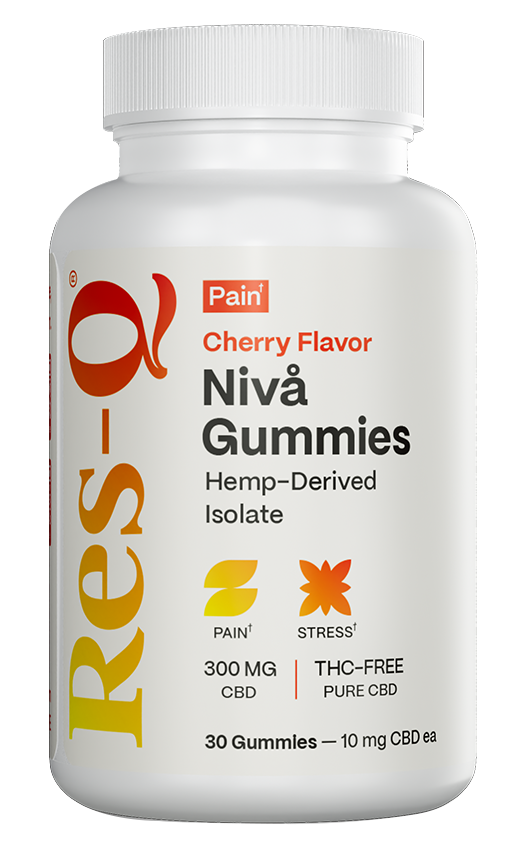
The CBD Your Body ACTUALLY ABSORBS
Most CBD passes right through you. This one doesn't — 440% better absorption, zero THC, made in the U.S.
See Why People Are SwitchingWhere Things Stand with Cannabidiol for Diabetes
Cannabidiol for diabetes is not a cure. No credible source claims otherwise. But the research reveals real biological mechanisms that matter — reduced inflammatory markers, improved insulin sensitivity indicators, and measurable pain relief in neuropathy models. Those are not nothing. They are the kind of early findings that justify larger trials and closer attention.
The science has not caught up to the public interest yet. Larger human trials with longer durations and standardized dosing protocols are needed. Better regulation of CBD products would help too. What exists right now is a collection of animal studies, a handful of small human trials, and a growing stack of anecdotal evidence that all point in the same direction.
If you are considering CBD as part of your diabetes management, do it with your doctor’s knowledge. Track your blood sugar consistently. Choose products with verified third-party lab results. Keep your prescribed medications unless your doctor says otherwise.
Read the rest of our articles and more useful info down below for everything you need to stay informed about cannabidiol, diabetes management, and your health.