

What You Actually Need to Know About Cannabidiol Isolate
Cannabidiol isolate is the purest commercially available form of CBD. We’re talking 99% purity or higher. It contains no THC. No other cannabinoids. No terpenes. No plant waxes. Just CBD in crystalline or powdered form. That’s it.
And yet, a surprising number of people still confuse it with other types of CBD products. Or they buy it without knowing what they’re actually getting. Or they use it wrong and wonder why they don’t notice anything. This guide exists to fix that. We’re going to cover what cannabidiol isolate actually is, how it’s produced, how to use it, how to buy cannabidiol products safely, and the specific mistakes people keep making. No vague promises. No hype. Just the information that matters.
Tired of guessing which CBD actually works?
Find What Works for Your Body
A less-than 60 second wellness match for adults exploring plant-based relief
What’s bothering you most right now?
Select the one that impacts your day the most
How long have you been dealing with this?
There's no wrong answer — this helps us tailor your match
How much does it affect your daily routine?
Be honest — this shapes your recommendation
What have you tried so far?
Knowing what hasn't worked helps us find what will
How familiar are you with CBD?
No judgment — everyone starts somewhere
What sounds easiest to add to your routine?
Think about what fits your lifestyle, not what sounds fancy
What matters most to you in a product?
Pick the one that would seal the deal for you
YOUR MATCH IS READY
We'll include your personalized match plus a first-timer's guide based on your answers.
Where should we send your recommendation?
🔒 No spam, ever. Your info is kept 100% secure.
If you'd rather not wait — based on your answers about your symptoms, we'd point you straight to our trusted partner.
Skip to My Match →What Exactly Is Cannabidiol Isolate?
Cannabidiol isolate is CBD that has been separated from every other compound found in the hemp plant. The final product is a fine white powder or crystalline solid. Under lab testing, genuine cannabidiol isolate registers at 99% or higher purity for CBD content. There is zero detectable THC.
To understand why this matters, you need to know that the hemp plant contains over 100 different cannabinoids. It also contains terpenes, flavonoids, fatty acids, and chlorophyll. Full-spectrum CBD products keep most of those compounds intact. Broad-spectrum removes the THC but keeps other cannabinoids and terpenes. Cannabidiol isolate strips everything away except the CBD molecule itself.
The result is a product with a very specific use case. It’s odorless. It’s tasteless. It dissolves into carrier oils easily. And because it contains no THC whatsoever — not even the 0.3% allowed in full-spectrum products under the 2018 Farm Bill — it has become the go-to option for people who need to avoid THC entirely.
Who Uses Cannabidiol Isolate and Why
There are a few groups of people who consistently gravitate toward isolate over other forms of CBD. The first is anyone subject to drug testing. Military personnel, federal employees, commercial drivers, athletes governed by WADA or similar bodies. Even trace THC in a full-spectrum product can, in rare cases, accumulate enough to trigger a positive result on a urine immunoassay. A 2020 study published in the Journal of Analytical Toxicology confirmed that daily use of full-spectrum CBD oil containing less than 0.3% THC led to positive urine screens in some participants within four weeks. Cannabidiol isolate eliminates that variable.
The second group includes people who are sensitive to other cannabinoids or terpenes. Some individuals report headaches, stomach discomfort, or increased anxiety from full-spectrum products. Whether that’s a terpene sensitivity, a minor THC reaction, or something else entirely isn’t always clear. But switching to cannabidiol isolate removes the guesswork.
The third group is formulators. People making their own cannabidiol isolate oil at home, or small-batch producers creating edibles, tinctures, topicals, or capsules. Isolate gives them a clean starting material with a known potency, which makes dosing straightforward.
Cannabidiol Isolate vs Full-Spectrum vs Broad-Spectrum CBD
This comparison comes up constantly, and the answer isn’t one-size-fits-all. Each type of CBD extract serves a different purpose.
Full-spectrum CBD contains the full range of cannabinoids (including up to 0.3% THC), terpenes, and flavonoids from the hemp plant. Proponents point to the “entourage effect” — a theory proposed by Dr. Raphael Mechoulam suggesting that cannabinoids work more effectively together than in isolation. A 2015 study from the Lautenberg Center for Immunology and Cancer Research in Jerusalem found that full-spectrum CBD extract produced a stronger anti-inflammatory response in mice compared to pure CBD isolate at equivalent doses.
Broad-spectrum CBD keeps most cannabinoids and terpenes but removes THC through additional processing. It’s a middle ground. The entourage effect may still partially apply, though the removal of THC alters the compound profile.
Cannabidiol isolate offers precision. You know exactly what you’re getting: CBD and nothing else. The trade-off is the absence of other potentially beneficial compounds. But for people who need THC-free assurance or who want granular control over what goes into their body, isolate is the logical choice.
When Isolate Makes More Sense Than Full-Spectrum
If you’re in a situation where even trace THC is a problem — legally, professionally, or personally — cannabidiol isolate is the safer path. Period. That’s not debatable. Full-spectrum products, even compliant ones, carry a nonzero risk of THC accumulation with regular use.
Isolate also makes more sense when you’re mixing it into recipes or formulations. Say you’re adding CBD to a batch of gummies. You need a precise milligram count per piece. Cannabidiol isolate powder lets you weigh exact amounts on a milligram scale and distribute them evenly. Trying to do the same with a full-spectrum oil that contains varying concentrations of multiple compounds is significantly harder.
How Cannabidiol Isolate Is Produced
The production process for cannabidiol isolate involves multiple stages of extraction and refinement. Here’s how it works at a commercial level.
Step One: Initial Extraction
Industrial hemp biomass — typically the flower and upper leaves — is processed using either supercritical CO2 extraction or ethanol extraction. CO2 extraction uses pressurized carbon dioxide to pull cannabinoids and other compounds from the plant material. It’s considered the cleanest method because CO2 evaporates completely, leaving no solvent residue. Ethanol extraction is faster and less expensive but requires additional steps to remove the solvent afterward.
The output at this stage is a crude extract. It’s dark, thick, and contains CBD along with THC, other cannabinoids, terpenes, waxes, lipids, and chlorophyll.
Step Two: Winterization and Filtration
The crude extract is mixed with ethanol and frozen, typically at temperatures between -20°C and -80°C. This causes fats, waxes, and lipids to solidify and separate from the liquid. The mixture is then filtered — often through a Buchner funnel or similar vacuum filtration setup — to remove those solids. What remains is a cleaner, more concentrated solution.
Step Three: Decarboxylation
Raw hemp extract contains CBD in its acidic form: CBDa. Decarboxylation applies heat (typically 100–120°C for 60–90 minutes) to convert CBDa into CBD. This step is necessary because CBDa and CBD interact with the body differently. Most of the research on CBD’s effects involves the decarboxylated form.
Looking For Something Pure & Potent?
If your current CBD isn't full-spectrum and U.S.-sourced, you're wasting money
Check Out This Full-Spectrum, American Made CBDStep Four: Distillation
The extract goes through short-path distillation or wiped-film distillation. These processes use heat and vacuum pressure to separate compounds by their boiling points. CBD distillate — a golden, viscous liquid — is the result. At this point, the product is typically 80–90% CBD, with small amounts of other cannabinoids still present.
Step Five: Isolation and Crystallization
This is where the isolate is actually formed. The distillate is dissolved in a solvent (commonly pentane or heptane), then slowly cooled under controlled conditions. CBD molecules crystallize out of the solution. The crystals are washed and dried, producing a white powder that tests at 99%+ CBD purity. Residual solvents are removed through vacuum evaporation and verified through third-party lab testing.
The entire process, from biomass to finished cannabidiol isolate, takes several days at a commercial facility. Reputable manufacturers run each batch through independent lab analysis to confirm purity, potency, and the absence of contaminants like heavy metals, pesticides, and residual solvents.
Cannabidiol Isolate Oil: What It Is and How It’s Made
Cannabidiol isolate oil is simply cannabidiol isolate powder dissolved into a carrier oil. The most common carrier oils are MCT oil (derived from coconut), hemp seed oil, and olive oil. MCT is the most popular because it has a neutral flavor and CBD dissolves into it readily.
Making cannabidiol isolate oil is straightforward. You measure out the desired amount of isolate powder, add it to a measured volume of carrier oil, and apply gentle heat (around 60°C) while stirring until the powder fully dissolves. No chemical reactions are taking place here — it’s purely a physical dissolution.
The advantage of making or buying cannabidiol isolate oil over raw powder is convenience. Oil is easier to dose sublingually (under the tongue) using a dropper. It’s also easier to add to food and beverages. Many people who buy cannabidiol isolate powder end up converting it into oil anyway, so pre-made cannabidiol isolate oil saves a step.
Typical Concentrations in Cannabidiol Isolate Oil
Commercial cannabidiol isolate oil tinctures commonly come in concentrations of 500mg, 1000mg, 1500mg, or 3000mg of CBD per 30mL bottle. A 1000mg/30mL bottle contains approximately 33.3mg of CBD per full dropper (1mL). That math matters when you’re trying to control your dose.
If you’re making your own, the formula is simple: divide the total milligrams of isolate by the total milliliters of oil. So 1000mg of cannabidiol isolate dissolved into 30mL of MCT oil gives you the same 33.3mg/mL concentration as the commercial product, often at a fraction of the cost.
How to Buy Cannabidiol Products Without Getting Burned
The CBD market in 2026 is substantially larger and more regulated than it was five years ago, but gaps in oversight still exist. When you go to buy cannabidiol isolate — whether as powder or oil — there are specific things to look for and specific red flags to avoid.
Third-Party Certificates of Analysis (COAs)
This is non-negotiable. Any reputable CBD company publishes third-party lab results for every batch of product they sell. These Certificates of Analysis (COAs) are issued by independent, ISO 17025-accredited laboratories. They should confirm:
— CBD potency matches what’s on the label (within ±10%)
— THC content is below 0.3% (or non-detectable for isolate)
— No detectable heavy metals (lead, arsenic, mercury, cadmium)
— No pesticide residues above acceptable limits
— No residual solvents above USP limits
— Microbial testing within safe parameters
If a company can’t or won’t provide a current COA, walk away. No exceptions. In a 2022 analysis conducted by the University of Pennsylvania, nearly 70% of CBD products sold online were mislabeled — some containing significantly more or less CBD than stated, and some containing detectable levels of THC despite labeling claims to the contrary. Third-party testing is the only way to verify what you’re actually putting in your body.
Where to Buy Cannabidiol Isolate
You have three main options when you want to buy cannabidiol products:
Direct from manufacturers. This is typically the best route for quality assurance. Companies that grow or source their own hemp, extract in-house, and sell directly to consumers tend to have the tightest quality controls. Look for companies based in states with established hemp programs — Colorado, Oregon, Kentucky, and North Carolina are among the most developed.
Online specialty retailers. Platforms that specialize in CBD and hemp products often vet their suppliers and require COAs before listing products. The advantage here is the ability to compare multiple brands in one place. The disadvantage is that vetting standards vary between platforms.
Local dispensaries and wellness stores. Availability of cannabidiol isolate in brick-and-mortar stores depends heavily on your state’s regulations. The advantage is the ability to inspect packaging and ask questions in person. The disadvantage is typically higher pricing due to retail markup.
Price Expectations for Cannabidiol Isolate
As of early 2026, wholesale cannabidiol isolate powder ranges from $800 to $2,500 per kilogram, depending on the supplier and volume. For consumers buying smaller quantities, expect to pay roughly $25–$60 per gram for verified, lab-tested isolate from a reputable source. If you see prices dramatically below that range, question the quality and testing. Cheap isolate often means corners were cut somewhere — whether in sourcing, extraction, or testing.
Cannabidiol isolate oil tinctures (30mL, 1000mg) typically retail between $30 and $80, depending on the brand and carrier oil used.
How to Use Cannabidiol Isolate
One of the biggest advantages of cannabidiol isolate is its versatility. Because it’s a pure, flavorless, odorless powder, you can use it in multiple ways.
Sublingual Use
Place the measured powder directly under your tongue and hold it there for 60–90 seconds before swallowing. The sublingual mucosa absorbs CBD directly into the bloodstream, bypassing first-pass liver metabolism. This results in faster onset (15–30 minutes) and higher bioavailability compared to swallowing it. Alternatively, use pre-made cannabidiol isolate oil with a dropper for easier measurement.
Mixing Into Food and Drinks
Cannabidiol isolate dissolves into fats and oils. Add it to coffee with cream, smoothies with nut butter, salad dressings, or baked goods. It won’t change the flavor profile. The caveat: when CBD passes through the digestive system, bioavailability drops to roughly 6–19% according to published pharmacokinetic data. So oral doses generally need to be higher than sublingual doses to achieve comparable effects.
DIY Topicals
Dissolve cannabidiol isolate into a carrier oil (coconut oil, shea butter, or a commercial lotion base) and apply it directly to the skin. CBD does not cross the dermal barrier into systemic circulation in meaningful amounts, so topical application targets localized areas. Some people combine it with menthol or camphor for additional sensation.
Dabbing and Vaporizing
Cannabidiol isolate in crystalline or “slab” form can be vaporized using a dab rig or concentrate vaporizer at temperatures between 160–180°C. This method provides the fastest onset — effects within minutes — and the highest bioavailability of any consumption method. The trade-off is that effects also dissipate more quickly, typically within 1–2 hours.
Dosing Guidelines for Cannabidiol Isolate
There is no universally agreed-upon dose for CBD. The FDA-approved medication Epidiolex (which treats Lennox-Gastaut syndrome, Dravet syndrome, and tuberous sclerosis complex) uses doses of 2.5–20mg per kilogram of body weight per day. But that’s a pharmaceutical product used for specific neurological conditions under medical supervision.
For general wellness use, most manufacturers and practitioners suggest starting low — 5 to 10mg of cannabidiol isolate per day — and increasing gradually over one to two weeks until you find your individual response threshold. A 2017 review published in Cannabis and Cannabinoid Research noted that CBD doses up to 1,500mg per day appear to be well-tolerated in humans, though few people use anywhere near that amount for non-medical purposes.
Keep a log. Write down how much you take, when you take it, and what you notice. CBD affects people differently based on body weight, metabolism, tolerance, and what you’ve eaten. A systematic approach saves time and money compared to guessing.
Common Mistakes People Make With Cannabidiol Isolate
Having been around this industry for a while, certain errors come up over and over. Here are the ones that actually matter.
Mistake #1: Expecting immediate, dramatic results. CBD is not a pharmaceutical painkiller. It doesn’t produce a noticeable “effect” in the way that THC, alcohol, or caffeine does. Many people try cannabidiol isolate once, feel nothing obvious, and conclude it doesn’t work. But CBD’s mechanisms — primarily involving the endocannabinoid system’s CB1 and CB2 receptors, serotonin 5-HT1A receptors, and TRPV1 vanilloid receptors — operate on subtle physiological pathways. Consistent use over days or weeks is typically needed before drawing conclusions.
Mistake #2: Not checking COAs. Already covered above, but it bears repeating. An uncertified cannabidiol isolate product could contain residual THC, heavy metals, pesticides, or significantly less CBD than claimed. Lab testing is the baseline for safety.
Mistake #3: Storing it improperly. Cannabidiol isolate should be kept in an airtight container, away from direct sunlight, heat, and moisture. CBD degrades when exposed to UV light and high temperatures. A cool, dark cabinet or drawer is fine. The refrigerator works too, though you may need to let the powder return to room temperature before measuring, as cold isolate can clump.
Mistake #4: Assuming isolate is always “better” because it’s purer. Purity and effectiveness are not the same thing. The 2015 Jerusalem study mentioned earlier found a bell-shaped dose-response curve for CBD isolate — meaning that beyond a certain dose, increasing the amount of pure CBD did not increase the effect. Full-spectrum extract, in that same study, showed a linear dose-response. This suggests that for some applications, full-spectrum may actually be more effective. Cannabidiol isolate is the right tool for certain situations, but it’s not automatically superior in every context.
Mistake #5: Buying based on price alone. The cheapest cannabidiol isolate on the market often comes from questionable sources with inadequate testing. When you buy cannabidiol products — isolate or otherwise — factor in the cost of lab testing, quality sourcing, and proper extraction when evaluating price. A $15 gram of isolate with no COA is not a deal. It’s a gamble.
Legal Status of Cannabidiol Isolate in 2026
Under federal law, cannabidiol isolate derived from industrial hemp (Cannabis sativa L. with less than 0.3% THC by dry weight) is legal in the United States following the Agriculture Improvement Act of 2018 (the Farm Bill). The 2018 Farm Bill removed hemp-derived cannabinoids from the Controlled Substances Act.
However, state laws vary. Some states have imposed additional restrictions on CBD products, particularly those sold as dietary supplements or food additives. The FDA has not approved CBD as a dietary supplement ingredient and has issued warning letters to companies making unapproved health claims. In 2026, several proposed regulatory frameworks are under review at the federal level, but as of this writing, the legal landscape remains a patchwork of federal and state rules.
If you plan to buy cannabidiol isolate, check your state’s specific regulations. And if you’re traveling with CBD products, be aware that regulations differ by country. Many nations — including several in Asia, the Middle East, and parts of Europe — prohibit CBD entirely or restrict it to prescription-only access.
Frequently Asked Questions About Cannabidiol Isolate
Will cannabidiol isolate show up on a drug test?
No. Genuine cannabidiol isolate contains no detectable THC. Standard drug tests screen for THC metabolites (specifically 11-nor-9-carboxy-THC), not CBD. As long as the product truly is pure isolate — verified by a third-party COA showing non-detectable THC levels — it should not trigger a positive drug test result.
Is cannabidiol isolate oil the same as CBD oil?
Not exactly. “CBD oil” is a broad term that can refer to full-spectrum, broad-spectrum, or isolate-based products. Cannabidiol isolate oil specifically means CBD isolate dissolved into a carrier oil, containing no other cannabinoids or terpenes. When shopping, always check whether a product is isolate-based, broad-spectrum, or full-spectrum — the label should specify.
Can you cook with cannabidiol isolate?
Yes. Cannabidiol isolate is heat-stable up to approximately 160–180°C (320–356°F). You can add it to baked goods, sauces, butters, and other recipes. Dissolve it into a fat-based ingredient first for even distribution. Be aware that high heat (above 200°C) can begin to degrade CBD, so avoid direct exposure to extreme cooking temperatures.
How much cannabidiol isolate should I take per day?
There is no standardized dose. Most people start with 5–10mg per day and adjust based on individual response. Published research has used doses ranging from 15mg to 1,500mg per day for various conditions. Start low, increase gradually, and keep a record of your dosing and observations.
What does cannabidiol isolate look like?
Pure cannabidiol isolate is a white, crystalline powder. Some forms come as larger crystal “slabs” or chunks. It has no smell and no taste. If a product labeled as cannabidiol isolate appears yellow, green, or has a strong plant-like odor, it may not be properly refined or may contain residual compounds.
Is cannabidiol isolate legal to buy online?
In the United States, yes — provided it is derived from hemp containing less than 0.3% THC, in compliance with the 2018 Farm Bill. Most states allow online purchase and shipment of hemp-derived CBD products. However, a few states have restrictions. Always verify your local and state laws before ordering.
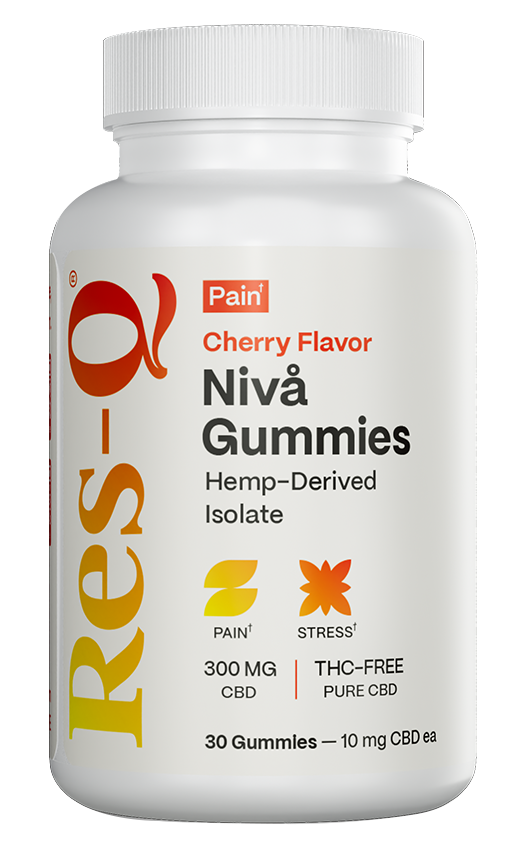
The CBD Your Body ACTUALLY ABSORBS
Most CBD passes right through you. This one doesn't — 440% better absorption, zero THC, made in the U.S.
See Why People Are SwitchingMoving Forward With Cannabidiol Isolate
Cannabidiol isolate occupies a specific and important position in the broader CBD market. It’s the purest form available. It offers zero THC exposure. It gives users and formulators precise control over dosing. And when sourced from a reputable manufacturer with transparent third-party testing, it’s a reliable product backed by a well-understood extraction and purification process.
Whether you’re looking to buy cannabidiol isolate for personal use, to make your own cannabidiol isolate oil tinctures at home, or to incorporate it into a product line — the fundamentals covered here apply. Know what you’re buying. Verify the lab results. Store it properly. Dose methodically. And choose the right type of CBD for your specific needs rather than assuming one form is universally best.
Read the rest of our articles and more useful info down below for deeper dives into CBD extraction methods, carrier oil comparisons, dosing protocols, and updated regulatory news.