

CBD Oil and Cancer: What You Need to Know Right Now
CBD oil and cancer is one of the most searched health topics online right now. And for good reason. Millions of people diagnosed with cancer are looking for anything — beyond standard treatment — that might help. CBD oil keeps coming up. But what does the science actually say? Is there real evidence behind the claims? This article breaks it all down. No hype. Just what the research shows, what doctors think, and what real people are experiencing.
Tired of guessing which CBD actually works?
Find What Works for Your Body
A less-than 60 second wellness match for adults exploring plant-based relief
What’s bothering you most right now?
Select the one that impacts your day the most
How long have you been dealing with this?
There's no wrong answer — this helps us tailor your match
How much does it affect your daily routine?
Be honest — this shapes your recommendation
What have you tried so far?
Knowing what hasn't worked helps us find what will
How familiar are you with CBD?
No judgment — everyone starts somewhere
What sounds easiest to add to your routine?
Think about what fits your lifestyle, not what sounds fancy
What matters most to you in a product?
Pick the one that would seal the deal for you
YOUR MATCH IS READY
We'll include your personalized match plus a first-timer's guide based on your answers.
Where should we send your recommendation?
🔒 No spam, ever. Your info is kept 100% secure.
If you'd rather not wait — based on your answers about your symptoms, we'd point you straight to our trusted partner.
Skip to My Match →Before we go further, a quick note. CBD oil is not approved by the FDA as a cancer treatment. That matters. But it does not mean the research is empty. There is a growing body of preclinical evidence that has caught the attention of oncologists and researchers around the world. Let’s walk through it piece by piece.
What the Research Says About CBD Oil and Cancer
The relationship between CBD oil and cancer has been studied in labs for over two decades. Most of the data comes from preclinical work — meaning test tubes and animal models. Human clinical trials are limited but slowly expanding. Here is what we know so far.
Preclinical Studies on CBD and Cancer Cells
Researchers have tested CBD against a wide range of cancer cell lines. These include breast cancer, lung cancer, colon cancer, prostate cancer, glioblastoma (a type of brain cancer), leukemia, and pancreatic cancer. The results across many of these studies are consistent. CBD appears to trigger a process called apoptosis — programmed cell death — in certain cancer cells.
A 2011 study published in Molecular Cancer Therapeutics found that CBD inhibited the growth of breast cancer cells and reduced tumor mass in animal models. The researchers noted CBD worked through multiple pathways, including the generation of reactive oxygen species and the downregulation of the mTOR/Akt signaling pathway.
In plain language? CBD seemed to flip switches inside cancer cells that told them to stop growing and start dying.
Another study, published in 2018 in the journal Cancers, reviewed the anti-tumor properties of cannabinoids across multiple cancer types. The review concluded that CBD demonstrated anti-proliferative, pro-apoptotic, and anti-migratory effects. It also noted CBD’s ability to inhibit angiogenesis — the process by which tumors grow new blood vessels to feed themselves.
A 2019 study in the Journal of Pancreatic Cancer looked at CBD combined with gemcitabine, a common chemotherapy drug used for pancreatic cancer. The combination improved survival rates in mice compared to gemcitabine alone. The CBD appeared to enhance the chemotherapy’s effectiveness.
Does CBD Oil Kill Cancer Cells? What Lab Results Show
So does CBD oil kill cancer cells? In a lab setting, the answer is yes — under certain conditions. Multiple studies have demonstrated that CBD induces apoptosis in cancer cell lines. It has also shown the ability to slow cancer cell migration and reduce tumor growth in animal models.
However, there is a critical difference between killing cancer cells in a petri dish and doing the same inside a living human body. Many substances destroy cancer cells in vitro. That includes things like bleach, high heat, and alcohol. The challenge is always whether a substance can target cancer cells selectively inside a complex human system without causing unacceptable harm.
What makes CBD interesting to researchers is its relatively low toxicity profile. Unlike many chemotherapy drugs that damage healthy cells alongside cancerous ones, CBD appears to have a preferential effect on cancer cells in preclinical models. A 2013 study published in the British Journal of Clinical Pharmacology described CBD’s anti-cancer mechanisms and emphasized its favorable safety profile compared to conventional treatments.
That said, we are still early. The preclinical data is promising, not conclusive.
Can CBD Oil Cause Cancer? Addressing the Concern
This question comes up often: can CBD oil cause cancer? It is a fair thing to ask, especially if you are already dealing with a diagnosis and want to avoid anything that could make things worse.
What the World Health Organization Says
In 2017, the World Health Organization released a comprehensive report on cannabidiol. Their conclusion was clear. CBD is generally well tolerated with a good safety profile. They found no evidence that CBD causes cancer or has any significant potential for abuse or dependence.
The WHO report also noted that CBD does not produce psychoactive effects. It is not the same as THC, which is the compound in cannabis responsible for the “high.”
No published study to date has established a causal link between CBD oil and the development of cancer. In fact, the existing preclinical evidence points in the opposite direction — toward anti-cancer properties.
CBD Oil vs. Smoking Cannabis
Part of the confusion around this topic comes from conflating CBD oil with smoking cannabis. Smoking anything — cannabis included — introduces carcinogens into the lungs through combustion. That is a cancer risk. But CBD oil taken orally, sublingually, or topically does not involve combustion. It does not carry the same respiratory risks.
The method of consumption matters enormously. Pure CBD oil extracted from hemp and taken by mouth is a completely different exposure profile than smoking a joint. If you are concerned about cancer risk, avoid inhaled products and stick to tinctures, capsules, or edibles.
How CBD Oil May Support Cancer Treatment
Even if CBD oil is not a standalone cancer cure, there is strong evidence it can play a supportive role during treatment. Many cancer patients use CBD oil not to fight the cancer directly, but to manage the brutal side effects of chemotherapy and radiation.
Managing Chemotherapy Side Effects
Chemotherapy is effective at killing cancer cells. It is also effective at making patients feel terrible. Nausea, vomiting, loss of appetite, and fatigue are among the most common complaints. CBD has demonstrated antiemetic properties — it helps reduce nausea and vomiting.
A study published in the British Journal of Pharmacology in 2011 found that CBD reduced nausea and vomiting in animal models by interacting with serotonin receptors. This mechanism is similar to how some prescription anti-nausea medications work.
Patients undergoing chemotherapy have reported that CBD oil helps them eat, sleep, and get through treatment days with less suffering. These reports are anecdotal, but they are widespread and consistent.
Looking For Something Pure & Potent?
If your current CBD isn't full-spectrum and U.S.-sourced, you're wasting money
Check Out This Full-Spectrum, American Made CBDPain and Inflammation Relief
Cancer-related pain is a significant quality-of-life issue. It can come from the tumor itself, from treatment, or from secondary conditions like nerve damage. CBD interacts with the endocannabinoid system and has well-documented anti-inflammatory properties.
A 2020 study published in the Journal of Pain Research surveyed cancer patients using CBD for pain management. Over 60% of respondents reported meaningful improvement in their pain levels. Many were able to reduce their use of opioid medications.
That finding alone is significant. Opioid dependence is a serious risk for cancer patients on long-term pain management. If CBD oil can help reduce opioid use — even partially — that is a meaningful benefit.
Sleep and Anxiety During Treatment
A cancer diagnosis creates enormous psychological stress. Anxiety, depression, and insomnia are extremely common. CBD has been studied for its anxiolytic (anxiety-reducing) and sleep-promoting effects.
A 2019 study published in The Permanente Journal followed 72 adults with anxiety and poor sleep. Within the first month, 79.2% of participants experienced reduced anxiety scores, and 66.7% reported improved sleep. While this study was not cancer-specific, the results are relevant to anyone dealing with high-stress medical conditions.
Better sleep and lower anxiety do not cure cancer. But they improve the body’s ability to heal, and they make the treatment process more bearable. That matters.
Can CBD Oil Kill Cancer? Understanding the Limits
Let’s address the big question directly. Can CBD oil kill cancer in a living person? Right now, we do not have enough clinical evidence to say yes with certainty. We have strong preclinical signals. We have encouraging early-stage clinical data. We have thousands of patient-reported outcomes. But we do not yet have the large-scale, randomized, controlled human trials that would be required for a definitive answer.
The Gap Between Lab Results and Human Trials
This gap frustrates patients and researchers alike. The preclinical results are promising enough that many scientists believe large-scale clinical trials are warranted. But clinical trials are expensive, slow, and heavily regulated. Cannabis-derived compounds face additional regulatory hurdles in many countries.
The result is a bottleneck. The lab data says CBD has real anti-cancer potential. The clinical infrastructure has not caught up yet. This does not mean CBD oil does not work against cancer. It means we are still in the process of confirming and quantifying its effects in humans.
Key Clinical Trials Worth Knowing About
One of the most notable human trials involving cannabinoids and cancer was conducted by GW Pharmaceuticals (now owned by Jazz Pharmaceuticals). The phase 2 trial combined a THC:CBD formulation called nabiximols with temozolomide, a standard chemotherapy drug, in patients with recurrent glioblastoma multiforme. The results, published in 2021, showed that patients receiving the cannabinoid combination had a one-year survival rate of 83%, compared to 44% in the placebo group.
That is a dramatic difference. The study was small — only 27 patients — but the data was strong enough to justify further investigation. A phase 3 trial has been discussed.
Another clinical trial at the Rambam Health Care Campus in Israel studied CBD’s effects on various solid tumors. Preliminary results showed tumor shrinkage or stabilization in some patients who had not responded to conventional treatment. These findings are still being analyzed, but they add to the growing evidence base.
How to Choose the Right CBD Oil for Cancer Support
If you decide to try CBD oil as part of your cancer care plan, quality matters more than most people realize. The CBD market is unregulated in many areas, and not all products are created equal.
Full-Spectrum vs. Isolate
Full-spectrum CBD oil contains CBD along with other cannabinoids, terpenes, and flavonoids found in the hemp plant. Some researchers believe these compounds work together through what is called the “entourage effect,” potentially enhancing each other’s benefits.
CBD isolate is pure CBD with no other compounds. It is a good option for people who need to avoid any trace of THC — for example, due to drug testing or personal preference.
For cancer support, many experts lean toward full-spectrum products. The entourage effect may amplify the anti-inflammatory and anti-cancer properties of CBD. But individual needs vary, and you should discuss this with your oncologist.
Dosage Considerations
There is no universally agreed-upon dose of CBD oil for cancer patients. Research doses have ranged from 5 milligrams per day to over 600 milligrams per day, depending on the study and the condition being treated.
Most practitioners who work with CBD recommend starting low — around 10 to 20 milligrams per day — and increasing gradually. This allows you to assess tolerance and find the dose that provides the most benefit with the fewest side effects.
Common side effects of CBD include fatigue, changes in appetite, diarrhea, and dry mouth. These are generally mild and dose-dependent. More importantly, CBD can interact with certain medications through the CYP450 enzyme system in the liver. This includes some chemotherapy drugs. Always tell your oncologist if you are using CBD oil.
Third-Party Testing
Only buy CBD oil that has been tested by an independent, third-party laboratory. The Certificate of Analysis (COA) should confirm the CBD content matches what is on the label. It should also verify the product is free of heavy metals, pesticides, residual solvents, and mold.
Products without third-party testing are a gamble. A 2017 study published in JAMA found that nearly 70% of CBD products sold online were mislabeled. Some contained more CBD than stated. Others contained less. Some contained significant amounts of THC that were not disclosed on the label.
When you are dealing with cancer, you cannot afford to gamble on product quality. Look for brands that publish their COAs openly on their website.
Real Stories From People Using CBD Oil During Cancer Treatment
The clinical data tells one part of the story. Patient experiences tell another.
A woman named Sarah, diagnosed with stage 3 breast cancer in 2024, started using full-spectrum CBD oil after her second round of chemotherapy. She took 40 milligrams daily, split into morning and evening doses. Within two weeks, she reported a noticeable reduction in nausea. She was eating more. Sleeping better. Her oncologist noted her bloodwork remained stable throughout treatment.
Sarah did not credit CBD with curing her cancer. She credited it with helping her survive the treatment. “I could actually function on chemo days,” she said. “Before CBD, those days were just gone. I would lie in bed and wait for it to pass. After starting CBD, I could sit up, eat lunch, talk to my kids.”
A man named David, diagnosed with stage 4 colon cancer in 2023, used CBD oil alongside his prescribed treatment protocol. He took a higher dose — 100 milligrams per day — under the supervision of a naturopathic oncologist. His tumors stabilized over a six-month period. His conventional oncologist described the outcome as “better than expected” but stopped short of attributing it to CBD.
These are individual cases. They are not proof. But they represent a pattern that researchers are paying attention to. When thousands of cancer patients independently report similar benefits, it signals something worth investigating rigorously.
What Doctors Are Saying in 2026
The medical community’s attitude toward CBD oil and cancer has shifted noticeably over the past few years. In 2020, most oncologists would not discuss CBD with patients at all. By 2026, surveys suggest that over 40% of oncologists are at least open to the conversation.
Dr. Donald Abrams, an integrative oncologist at the University of California San Francisco, has been a vocal advocate for studying cannabinoids in cancer treatment. He has stated publicly that the preclinical evidence is too strong to ignore and that patients deserve access to well-designed clinical trials.
The National Cancer Institute (NCI) now lists cannabinoids on its website as having potential anti-cancer properties. The page acknowledges the preclinical findings and notes that cannabinoids have been studied for their ability to cause cell death, block cell growth, block blood vessel development in tumors, and reduce inflammation.
This is not an endorsement of CBD as a cancer cure. But it is a recognition from one of the most authoritative cancer research institutions in the world that the evidence base is real and growing.
Frequently Asked Questions About CBD Oil and Cancer
Does CBD oil kill cancer cells?
In laboratory settings, CBD has been shown to induce apoptosis (programmed cell death) in several types of cancer cells, including breast, lung, colon, and glioblastoma cells. However, results in test tubes and animal models do not automatically translate to the same effects in humans. More clinical trials are needed to confirm these findings in people.
Can CBD oil cause cancer?
There is no published evidence that CBD oil causes cancer. The World Health Organization concluded in 2017 that CBD has a good safety profile. Confusion sometimes arises because smoking cannabis introduces combustion-related carcinogens, but oral CBD oil does not carry that risk.
Is CBD oil safe to use during chemotherapy?
CBD oil is generally considered safe, but it can interact with certain medications through the CYP450 liver enzyme pathway. This includes some chemotherapy drugs. If you are undergoing chemotherapy, talk to your oncologist before starting CBD oil. They can check for potential drug interactions specific to your treatment plan.
How much CBD oil should I take for cancer support?
There is no standardized dose. Research has used amounts ranging from 5 milligrams to over 600 milligrams per day. Most practitioners recommend starting at 10 to 20 milligrams per day and gradually increasing based on your response and tolerance. Work with a healthcare provider who is familiar with cannabinoid therapy.
Can CBD oil replace chemotherapy or radiation?
No. CBD oil should not be used as a replacement for proven cancer treatments like chemotherapy, radiation, surgery, or immunotherapy. The existing evidence supports CBD as a potential complementary therapy — something that works alongside standard treatment to improve side effects and possibly enhance outcomes. Abandoning conventional treatment in favor of CBD alone is not supported by current evidence.
What type of CBD oil is best for cancer patients?
Many experts recommend full-spectrum CBD oil for cancer patients because of the potential entourage effect — the idea that multiple cannabinoids and terpenes work better together than CBD alone. Always choose products that have been third-party tested and come with a Certificate of Analysis confirming purity and potency.
Moving Forward With CBD Oil and Cancer
The conversation around CBD oil and cancer is not going away. The preclinical research is too compelling. The patient reports are too consistent. The early clinical data is too encouraging. We are at a point where the question is no longer “Is there anything here?” but rather “How do we figure out exactly how to use it?”
If you or someone you love is dealing with cancer, CBD oil deserves a serious look. Talk to your oncologist. Research high-quality products. Start with a low dose and track your response. Use CBD oil alongside your prescribed treatment — not instead of it.
The evidence supporting CBD oil to treat cancer continues to build every year. Preclinical studies keep accumulating. Clinical trials are expanding. More doctors are engaging with the data. The landscape in 2026 looks very different from where it was even five years ago.
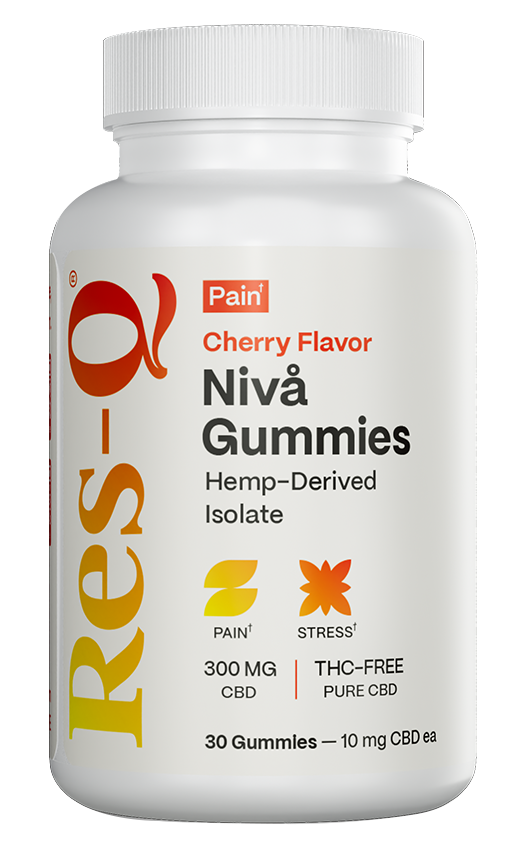
The CBD Your Body ACTUALLY ABSORBS
Most CBD passes right through you. This one doesn't — 440% better absorption, zero THC, made in the U.S.
See Why People Are SwitchingTake the time to educate yourself, choose a reputable CBD oil product, and bring the conversation to your medical team. You owe it to yourself to explore every option available — and CBD oil has earned its place on that list.