

What This Texas CBD Oil Guide Actually Covers
If you live in Texas or plan to visit, you probably have questions about CBD oil. What’s legal. What’s not. Whether you can bring it on a plane. This Texas CBD oil guide breaks down everything you need to know — from the actual text of state law to practical buying advice. No fluff, no filler. Just the stuff that matters.
Texas has a complicated relationship with hemp and cannabis products. The rules changed significantly in 2019, and there have been ongoing updates since. A lot of misinformation floats around online. Some of it is outdated. Some of it was never accurate to begin with. This guide exists to cut through that noise and give you reliable, sourced information you can actually use.
Tired of guessing which CBD actually works?
Find What Works for Your Body
A less-than 60 second wellness match for adults exploring plant-based relief
What’s bothering you most right now?
Select the one that impacts your day the most
How long have you been dealing with this?
There's no wrong answer — this helps us tailor your match
How much does it affect your daily routine?
Be honest — this shapes your recommendation
What have you tried so far?
Knowing what hasn't worked helps us find what will
How familiar are you with CBD?
No judgment — everyone starts somewhere
What sounds easiest to add to your routine?
Think about what fits your lifestyle, not what sounds fancy
What matters most to you in a product?
Pick the one that would seal the deal for you
YOUR MATCH IS READY
We'll include your personalized match plus a first-timer's guide based on your answers.
Where should we send your recommendation?
🔒 No spam, ever. Your info is kept 100% secure.
If you'd rather not wait — based on your answers about your symptoms, we'd point you straight to our trusted partner.
Skip to My Match →Is CBD Oil Legal in Texas?
Yes. CBD oil is legal in Texas — but with conditions. The legality hinges on one key factor: THC content. Under Texas House Bill 1325, signed into law on June 10, 2019, hemp-derived products that contain no more than 0.3% delta-9 THC by dry weight are legal to buy, sell, possess, and use in the state.
This law aligned Texas with the federal 2018 Farm Bill, which removed hemp from the Controlled Substances Act at the national level. Before HB 1325, possessing any amount of CBD oil in Texas was technically a legal gray area. Law enforcement didn’t always know how to handle it. Prosecutors had a hard time distinguishing hemp from marijuana without expensive lab testing.
So, is CBD oil legal in Texas right now in 2026? Yes. As long as the product is derived from hemp and stays at or under the 0.3% THC threshold, you’re within the law. That applies whether you buy it online, in a retail store, or at a farmers market.
What the Law Actually Says
HB 1325 amended the Texas Health and Safety Code and the Texas Agriculture Code. It created a state hemp program overseen by the Texas Department of Agriculture (TDA). The TDA issues licenses to growers and processors, sets testing requirements, and enforces compliance. Products sold in Texas must come from licensed operations and carry lab-tested certificates of analysis (COAs) proving they meet the THC limit.
If a CBD oil product tests above 0.3% delta-9 THC, it’s classified as marijuana under Texas law. That’s a different legal category entirely. Marijuana remains illegal for recreational use in Texas. The Compassionate Use Program allows low-THC cannabis for qualifying medical patients, but that’s a separate system with its own rules and registry.
CBD Oil Texas Legality for Different Product Types
The cbd oil texas legality question gets more nuanced when you look at specific product categories. Here’s a breakdown:
Full-spectrum CBD oil: Legal, as long as total delta-9 THC stays at or below 0.3%. Full-spectrum products contain trace amounts of THC along with other cannabinoids, terpenes, and flavonoids. They must have lab testing to verify compliance.
Broad-spectrum CBD oil: Legal. These products have THC removed entirely (or reduced to undetectable levels) while keeping other hemp compounds intact. Lower legal risk for consumers concerned about THC content.
CBD isolate: Legal. Pure CBD with no other cannabinoids. Contains 0% THC. Often used in products marketed toward people who undergo drug testing.
CBD edibles and gummies: Legal under HB 1325, provided they meet THC limits. However, the Texas Department of State Health Services (DSHS) has created some confusion around CBD in food products. In 2020, DSHS initially stated that adding CBD to food and beverages was not permitted under state food regulations. This position softened over time, and enforcement has been inconsistent. As of 2026, CBD edibles are widely sold across the state without significant enforcement action.
Delta-8 THC: This is where things get complicated. Delta-8 is a psychoactive cannabinoid derived from hemp. Texas courts have been involved in legal battles over its status. In 2021, the Texas DSHS attempted to classify delta-8 as a Schedule I controlled substance. A temporary injunction blocked that move. The legal status of delta-8 in Texas has remained contested. Check the most current court rulings before purchasing delta-8 products.
Where to Buy CBD Oil in Texas
CBD oil is available almost everywhere in Texas. Gas stations, pharmacies, specialty shops, grocery stores, and online retailers all carry it. The question isn’t where to find it. The question is where to find it from a source you can trust.
Retail Stores
Dedicated CBD shops have opened in every major Texas metro area — Houston, Dallas, San Antonio, Austin, Fort Worth, El Paso. These stores typically employ staff who can explain product differences and show you COAs on the spot. Some of the better shops even keep their lab reports in binders at the counter.
I walked into a CBD shop in Austin a while back, just off South Congress. The guy behind the counter pulled out three different COAs for three different tinctures without me even asking. He explained the difference between full-spectrum and isolate using a whiteboard behind the register. That’s the kind of store you want to buy from. If they can’t show you a lab report, walk out.
Online Retailers
Buying CBD oil online gives you access to a wider range of products and usually better pricing. Reputable online brands publish their COAs directly on their product pages. You can verify the lab that performed the testing, check for contaminants like heavy metals and pesticides, and confirm THC levels before you buy.
Look for these things when buying online:
— Third-party lab testing from an ISO 17025-accredited laboratory
— Clear labeling of CBD content per serving and per container
— A scannable QR code on the packaging that links to the COA
— U.S.-grown hemp (preferably from states with strong agricultural programs like Colorado, Oregon, or Kentucky)
— No medical claims on the product page or label
Places to Avoid
Gas station CBD. Convenience store CBD. Any product that doesn’t list the milligram content on the front label. Any brand without a website. Any product that claims to cure cancer, anxiety, epilepsy, or chronic pain on the label itself. The FDA has not approved CBD oil as a treatment for any condition other than certain rare forms of epilepsy (via the prescription drug Epidiolex). Companies that make therapeutic claims are violating federal regulations and that should tell you something about their standards.
Looking For Something Pure & Potent?
If your current CBD isn't full-spectrum and U.S.-sourced, you're wasting money
Check Out This Full-Spectrum, American Made CBDCan You Fly with CBD Oil in Texas?
This is one of the most common questions people ask. Can you fly with CBD oil in Texas? The short answer: yes, under specific conditions.
The Transportation Security Administration (TSA) updated its policy in 2019 to allow hemp-derived CBD products that contain no more than 0.3% THC. That policy is still in effect. If your CBD oil meets this threshold, you can pack it in your carry-on or checked luggage when flying out of any Texas airport — DFW, Houston Hobby, Austin-Bergstrom, San Antonio International, or any other.
Practical Tips for Flying with CBD Oil
TSA agents are screening for security threats, not searching for CBD oil. But if they happen to find a product during a bag search and it raises questions, here’s what protects you:
— Keep the original packaging with the label intact
— Carry a printed or digital copy of the COA showing THC content
— Make sure liquid CBD oil complies with TSA’s 3-1-1 rule for carry-on liquids (3.4 ounces or less per container, all containers in a single quart-sized clear bag)
— CBD capsules, gummies, and topicals don’t fall under the liquid rule
A friend of mine flies out of DFW regularly with a CBD tincture in her carry-on. She keeps it in the liquids bag next to her face moisturizer. She’s never been stopped or questioned about it. Not once in over forty flights.
Flying Into Other States
Here’s where it gets tricky. Your CBD oil is legal in Texas and legal under federal law for air travel. But when you land, you’re subject to that state’s laws. Most states have legalized hemp-derived CBD under terms similar to the 2018 Farm Bill. But a few states have their own restrictions on certain cannabinoids or product types. Do ten minutes of research on your destination state before you fly. It can save you a headache.
How CBD Oil Is Regulated in Texas
The Texas Department of Agriculture runs the state hemp program. Any entity that grows, processes, or handles hemp in Texas must hold a TDA license. The licensing process includes background checks, facility inspections, and annual renewals.
Testing Requirements
All hemp crops in Texas must be tested within 30 days of harvest. The testing checks for delta-9 THC levels. If a crop tests above 0.3% but below 1.0%, the grower can apply for a re-test or a remediation plan. If it tests above 1.0%, the crop must be destroyed. These rules come from the USDA’s Final Rule on hemp production, which Texas adopted into its own framework.
Finished CBD oil products sold in retail must also carry COAs from independent labs. Texas doesn’t mandate a specific testing protocol for finished goods at the state level, which is a gap in oversight. This is why buying from brands that voluntarily test at ISO-accredited labs matters so much.
Labeling Standards
Texas doesn’t have CBD-specific labeling regulations as detailed as some other states. However, general food and consumer product labeling laws apply. Products must not be mislabeled or adulterated. The FTC and FDA also have jurisdiction over marketing claims made by CBD companies nationwide.
A 2020 study published in the Journal of the American Medical Association found that nearly 70% of CBD products sold online were mislabeled — containing either more or less CBD than advertised. Some contained significantly more THC than the label stated. This is why COAs from independent labs aren’t optional. They’re the only way to verify what’s in the bottle.
Medical Use of CBD Oil in Texas
Texas has a limited medical cannabis program called the Compassionate Use Program (CUP). It was originally signed into law in 2015 as SB 339 and has been expanded several times since.
Who Qualifies
The CUP now covers a broader range of conditions than it did at launch. Qualifying conditions include epilepsy, seizure disorders, multiple sclerosis, spasticity, amyotrophic lateral sclerosis (ALS), autism, terminal cancer, and incurable neurodegenerative diseases. PTSD was added to the list in 2021 under HB 1535.
Patients must be registered in the Compassionate Use Registry of Texas (CURT) by a qualified physician. Only physicians registered with CURT can prescribe low-THC cannabis products. These are dispensed through licensed dispensing organizations — there are currently three companies authorized to operate dispensaries in Texas.
CUP Products vs. Over-the-Counter CBD Oil
Products available through the CUP can contain up to 1% THC — higher than the 0.3% limit for over-the-counter hemp CBD products. This distinction matters. CUP products are only available at licensed dispensaries with a valid prescription and patient registration. Over-the-counter CBD oil (0.3% THC or less) is available to anyone without a prescription.
For most people using CBD oil for general wellness — sleep support, everyday stress, exercise recovery — over-the-counter hemp CBD products are accessible and legal without entering the medical program.
Common Mistakes People Make with CBD Oil in Texas
Getting CBD oil wrong in Texas usually isn’t a legal disaster, but it can waste your money or put you in an awkward situation. Here are the mistakes that come up most often.
Buying Without Checking the COA
This is the number one mistake. People grab a bottle off the shelf because the label looks professional or the price is right. They never scan the QR code or ask for the lab report. A COA tells you the exact cannabinoid profile, the THC content, and whether the product was tested for pesticides, heavy metals, residual solvents, and microbial contaminants. Without it, you’re guessing.
Assuming All CBD Products Are the Same
They’re not. A 1000mg full-spectrum tincture from a reputable brand with third-party testing is a completely different product than a 1000mg bottle from an unknown brand with no verifiable lab data. The extraction method matters. The hemp source matters. The carrier oil matters. The storage conditions matter. Two bottles sitting side by side on a shelf can be wildly different in quality.
Confusing Hemp Seed Oil with CBD Oil
Hemp seed oil is pressed from hemp seeds. It contains zero CBD and zero THC. It’s a nutritional oil — rich in omega fatty acids, used in cooking and skincare. CBD oil is extracted from the flowers, leaves, and stalks of the hemp plant. It contains cannabidiol and other active compounds. Some companies (intentionally or not) market hemp seed oil as if it’s CBD oil. Check the ingredients list. If it says “hemp seed oil” or “cannabis sativa seed oil” and doesn’t list cannabidiol content in milligrams, it’s not CBD oil.
Taking Too Much Too Soon
CBD affects everyone differently. Body weight, metabolism, the specific product formulation, and individual endocannabinoid system variation all play a role. Most manufacturers recommend starting with a low dose — typically 10 to 25 milligrams — and increasing gradually over a week or two. Taking a large dose on day one doesn’t give you useful information about how the product works for you.
Not Considering Drug Testing
Full-spectrum CBD oil contains trace amounts of THC. For most people, this won’t trigger a positive drug test. But if you use full-spectrum products at high doses over an extended period, THC metabolites can accumulate to detectable levels. If your employer conducts drug testing, consider broad-spectrum CBD oil or CBD isolate instead. Both are legal in Texas and contain no measurable THC.
CBD Oil and Texas Law Enforcement
After HB 1325 passed, Texas law enforcement faced a real problem. Marijuana and hemp look identical. They smell identical. Field test kits couldn’t distinguish between the two. The Texas Department of Public Safety had to invest in lab equipment capable of measuring THC concentrations to differentiate legal hemp products from illegal marijuana.
Several counties in Texas dropped low-level marijuana possession cases in 2019 and 2020 because prosecutors couldn’t prove the substance in question exceeded 0.3% THC without lab confirmation. This created a temporary enforcement gap that made national news.
As of 2026, most Texas law enforcement agencies have adapted. Crime labs are better equipped. But the practical reality is that carrying labeled, commercially packaged CBD oil is unlikely to cause problems with police. Carrying loose hemp flower — which looks and smells like marijuana — is a different story. Even though hemp flower under 0.3% THC is technically legal in Texas, it can lead to detainment while authorities sort out the THC content.
Keep your CBD oil in its original packaging. Keep the receipt. If you want to be extra cautious, carry the COA on your phone.
How to Read a CBD Oil Label in Texas
Understanding the label on your CBD oil bottle gives you a lot of power as a consumer. Here’s what to look for.
Total CBD per container: This is the total milligram count for the entire bottle. A 30ml tincture labeled “1500mg” contains 1500 milligrams of CBD in the whole bottle.
CBD per serving: This tells you how much CBD you get in a single dose. For a 1500mg bottle with 30 servings, that’s 50mg per serving.
Type of CBD: Full-spectrum, broad-spectrum, or isolate. This should be stated clearly on the front or back label.
Other ingredients: Most tinctures use a carrier oil — MCT oil (from coconut), hemp seed oil, or olive oil. Some add flavorings. Check for artificial additives if that matters to you.
Batch number or lot number: This connects the product to a specific production run and its corresponding COA. If the label doesn’t have a batch number, the lab report can’t be verified.
QR code: Reputable brands include a scannable code that links directly to the COA for that specific batch. Scan it before you buy if possible.
What Happens If Texas CBD Laws Change
Laws shift. Texas has introduced multiple cannabis-related bills in recent legislative sessions. Some pushed for broader legalization. Others attempted to restrict specific cannabinoids like delta-8 or THCA. The Texas legislature meets biennially — every two years — in odd-numbered years. The next regular session is in 2027.
Between sessions, regulatory agencies like the TDA and DSHS can issue rule changes and enforcement guidance. Court decisions can also alter the legal landscape. The ongoing delta-8 litigation is a clear example of how the courts and regulatory bodies interact on cannabinoid policy in Texas.
Staying informed means checking the TDA website, following Texas NORML or other cannabis policy organizations, and paying attention to any legislative bills filed during session years. The cbd oil texas legality landscape isn’t static. It moves.
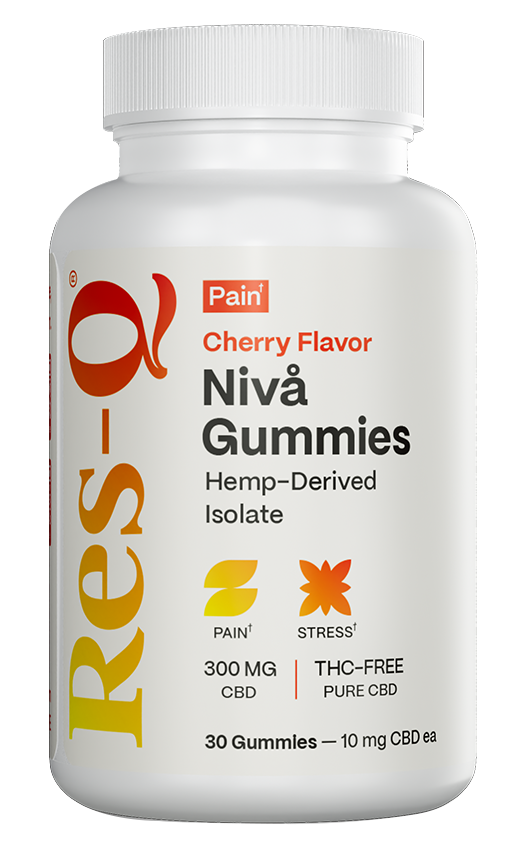
The CBD Your Body ACTUALLY ABSORBS
Most CBD passes right through you. This one doesn't — 440% better absorption, zero THC, made in the U.S.
See Why People Are SwitchingYour Next Steps
This Texas CBD oil guide covered the law, where to buy, how to fly with it, what to watch out for, and how to protect yourself as a consumer. The legal framework supports hemp-derived CBD oil with 0.3% THC or less. The products are accessible. The market is large. Your job is to buy smart and stay current.
If you want to stay on top of every development — new legislation, court rulings, regulatory shifts — make it a habit to check the latest on CBD oil law Texas. Bookmark the TDA hemp program page. Follow credible policy trackers. Know what you’re buying and know what the law says about it. That’s the most reliable way to use CBD oil in Texas with confidence, and it starts with one decision: choosing to stay informed.