

Does CBD Help With Appetite — And What Does the Science Say?
Does CBD help with appetite? It is one of the most common questions people ask when they start looking into cannabidiol. And the answer is not as simple as yes or no. CBD interacts with your body’s endocannabinoid system, which plays a direct role in hunger, metabolism, and how your brain signals fullness. But depending on the person, the dose, and the product type, CBD can either reduce appetite or support it. That distinction matters a lot if you are using it for a specific goal like weight management or recovering from appetite loss.
This article breaks down exactly how CBD affects appetite, what current research shows, and what real users are reporting. No vague promises. Just the facts you need to make an informed decision.
Tired of guessing which CBD actually works?
Find What Works for Your Body
A less-than 60 second wellness match for adults exploring plant-based relief
What’s bothering you most right now?
Select the one that impacts your day the most
How long have you been dealing with this?
There's no wrong answer — this helps us tailor your match
How much does it affect your daily routine?
Be honest — this shapes your recommendation
What have you tried so far?
Knowing what hasn't worked helps us find what will
How familiar are you with CBD?
No judgment — everyone starts somewhere
What sounds easiest to add to your routine?
Think about what fits your lifestyle, not what sounds fancy
What matters most to you in a product?
Pick the one that would seal the deal for you
YOUR MATCH IS READY
We'll include your personalized match plus a first-timer's guide based on your answers.
Where should we send your recommendation?
🔒 No spam, ever. Your info is kept 100% secure.
If you'd rather not wait — based on your answers about your symptoms, we'd point you straight to our trusted partner.
Skip to My Match →How CBD Interacts With Your Body’s Appetite System
Your body has something called the endocannabinoid system, or ECS. It was discovered in the early 1990s by researchers studying how cannabis compounds interact with the human body. The ECS has two main receptor types — CB1 and CB2. CB1 receptors are concentrated in the brain and central nervous system. CB2 receptors are mostly found in the immune system and gut.
THC, the compound in cannabis that gets you high, binds directly to CB1 receptors. That is why THC causes the “munchies.” It flips a switch in your brain that says you are hungry even when you are not. CBD does not work the same way. It does not bind directly to CB1 receptors. Instead, it acts as a modulator. It influences how those receptors behave without activating them the same way THC does.
A 2018 review published in the International Journal of Molecular Sciences explained that CBD can actually block CB1 receptors in certain contexts. This is significant. Blocking CB1 activity is associated with reduced food intake and lower body weight in animal studies. That mechanism is part of the reason some researchers have studied CBD as a potential appetite suppressant.
CBD also interacts with serotonin receptors, specifically the 5-HT1A receptor. Serotonin plays a role in mood, nausea, and appetite regulation. When serotonin signaling improves, people who have lost their appetite due to anxiety or nausea often find it easier to eat again. So CBD’s effect on appetite depends heavily on what is causing the appetite issue in the first place.
Does CBD Increase Appetite or Suppress It?
This is where it gets interesting. The honest answer is — it depends. Some clinical data points toward appetite suppression. Other data shows appetite improvement. The difference usually comes down to context.
What the Research Says About CBD and Hunger
A 2012 study published in Psychopharmacology tested CBD on rats and found that it significantly reduced food consumption compared to a control group. The rats given CBD ate less over a measured period. The researchers attributed this to CBD’s interaction with CB1 and CB2 receptors.
Another study from 2016, published in Molecular and Cellular Biochemistry, found that CBD promoted “fat browning.” That means it helped convert white fat cells (which store energy) into brown fat cells (which burn energy). The researchers noted that this process was linked to reduced appetite and improved metabolic markers. That finding gave more weight to the idea that CBD may function as a cbd appetite suppressant for some people.
On the other side, the FDA-approved CBD medication Epidiolex lists both decreased appetite and increased appetite as potential side effects. In clinical trials for Epidiolex, about 16 percent of participants in one study experienced decreased appetite, while a smaller percentage reported feeling hungrier. So even within controlled pharmaceutical settings, CBD affects appetite differently from person to person.
Why Some People Feel Hungrier on CBD
If CBD does not directly activate hunger receptors, why do some users report increased appetite? A few reasons come up in the literature and in user reports.
First, CBD can reduce nausea. If someone has been feeling too nauseous to eat — from chemotherapy, medication side effects, or chronic gastrointestinal issues — and CBD alleviates that nausea, their appetite naturally returns. They are not hungrier because CBD stimulated hunger. They are hungrier because a barrier to eating has been removed.
Second, CBD may lower anxiety. Anxiety suppresses appetite in many people. When anxiety decreases, normal hunger signals return. A 2019 study in The Permanente Journal found that 79.2 percent of participants experienced reduced anxiety after taking CBD. For those individuals, improved appetite could be a downstream benefit of lower stress levels.
Third, some CBD products contain trace amounts of THC — especially full-spectrum products. Even small amounts of THC (under 0.3 percent) can slightly activate CB1 receptors in sensitive individuals. That could trigger mild hunger cues. This is why the type of CBD product matters when people ask does cbd increase appetite.
CBD as an Appetite Suppressant — What the Data Shows
The idea of using CBD as a cbd appetite suppressant has gained traction over the past few years. And there is some science behind it, though the research is still developing.
The fat browning study mentioned earlier is one of the stronger pieces of evidence. By converting white adipose tissue into beige or brown adipose tissue, CBD may help the body burn calories more efficiently. Brown fat is metabolically active. It generates heat and burns energy. White fat is metabolically sluggish. It stores energy and contributes to weight gain when accumulated in excess.
A 2022 review in Cannabis and Cannabinoid Research noted that CBD’s effect on metabolism appears to involve multiple pathways — not just CB1 antagonism but also mitochondrial function and lipid metabolism. The review cautioned that most of this data comes from animal models and cell studies, not large-scale human trials. But the direction of the evidence is consistent enough that researchers consider it worth pursuing.
There is also anecdotal data. In online communities and product reviews, many users report that taking CBD oil or capsules before meals reduces their desire to snack or overeat. Some describe it as a subtle feeling of fullness or reduced food-focused thoughts. These are not peer-reviewed findings, but they align with the biological mechanisms that have been studied.
One important distinction — CBD does not appear to cause the kind of dramatic appetite suppression associated with pharmaceutical weight loss drugs. It is not comparable to GLP-1 agonists like semaglutide. The effect is milder. More of a nudge than a shove. For people looking for moderate support with cravings or emotional eating, that subtlety might actually be a benefit.
Looking For Something Pure & Potent?
If your current CBD isn't full-spectrum and U.S.-sourced, you're wasting money
Check Out This Full-Spectrum, American Made CBDDo CBD Gummies Curb Appetite?
Gummies are the most popular CBD format in the United States. They taste good, they are easy to dose, and they do not require any equipment. But do cbd gummies curb appetite specifically? The answer comes down to a few factors.
CBD gummies are edibles. That means the CBD passes through your digestive system before entering your bloodstream. This process, called first-pass metabolism, reduces the bioavailability of CBD. Estimates vary, but oral CBD bioavailability is generally between 6 and 19 percent. That means if you take a 25 mg gummy, your body may only absorb 1.5 to 4.75 mg of actual CBD.
That lower absorption rate does not mean gummies are useless. It means dosing matters more. Someone taking a 10 mg gummy and expecting strong appetite suppression may be disappointed. Someone taking 50 mg or more may notice a more distinct effect. Individual metabolism, body weight, and tolerance all play a role.
Another factor is what else is in the gummy. Some CBD gummies contain added sugar — sometimes 3 to 5 grams per piece. If you are using CBD to manage appetite or support weight goals, eating sugar-laden gummies multiple times a day works against that purpose. Look for products sweetened with monk fruit, stevia, or erythritol if appetite management is the goal.
Full-spectrum gummies contain trace THC and other cannabinoids. Broad-spectrum gummies have other cannabinoids but no THC. Isolate gummies contain only CBD. For appetite suppression specifically, isolate or broad-spectrum may be the better choice because you avoid even trace amounts of THC that could counteract the appetite-dampening effects of CBD.
A user named Mark, who participates in a well-known CBD forum, shared that he switched from full-spectrum gummies to broad-spectrum ones after noticing that the full-spectrum version made him crave snacks in the evening. After the switch, he said the late-night cravings decreased noticeably. Anecdotal, but it illustrates how formulation matters.
CBD for Appetite Loss — When It Might Actually Help
Not everyone looking into CBD and appetite wants to eat less. Many people struggle with appetite loss due to medical conditions, treatments, or mental health challenges. In these situations, CBD may offer support — not by directly stimulating hunger, but by addressing the root causes of appetite suppression.
Chemotherapy-Induced Nausea and Appetite Loss
Cancer patients undergoing chemotherapy frequently lose their appetite due to severe nausea and vomiting. A 2020 study in the Journal of Clinical Oncology found that cannabinoid-based therapies reduced nausea in a significant percentage of patients. While THC tends to be the more studied cannabinoid for this purpose, CBD’s anti-nausea effects through serotonin receptor activity make it a relevant option, especially for patients who do not want psychoactive effects.
Some oncology clinics now discuss CBD as a complementary option alongside standard anti-nausea medications. It is not a replacement for ondansetron or other prescription antiemetics. But for patients who still feel nauseous despite conventional treatment, adding CBD has shown promise in case reports.
Anxiety-Related Appetite Suppression
Chronic anxiety can shut down appetite for weeks or months. The body’s stress response diverts resources away from digestion. Cortisol levels stay elevated. The stomach feels tight. Food becomes unappealing. CBD’s anxiolytic properties — demonstrated in multiple human studies — may help restore normal eating patterns by calming the nervous system enough for hunger signals to get through.
A 28-year-old woman named Sarah described her experience on a health forum. She had lost 12 pounds over two months due to anxiety that made eating feel impossible. Her doctor suggested trying CBD oil alongside her existing treatment. Within three weeks, she said her appetite started returning — not dramatically, but enough that she could finish meals again. She attributed the change to feeling less “wired” throughout the day.
Inflammatory Conditions and Gut Health
Conditions like Crohn’s disease, irritable bowel syndrome, and ulcerative colitis can destroy appetite because eating causes pain or discomfort. CBD has anti-inflammatory properties that may reduce gut inflammation. A 2019 study in the journal Clinical and Translational Gastroenterology found improvements in quality of life measures for Crohn’s patients using CBD-rich cannabis. While the study used full-spectrum products, the CBD component was identified as a key contributor to reduced inflammation.
When gut inflammation goes down, eating becomes less painful. When eating becomes less painful, appetite returns. It is a straightforward chain of cause and effect.
What Type of CBD Works Best for Appetite Goals
Not all CBD products are created equal. The type you choose should match your specific appetite goal.
For Appetite Suppression
CBD isolate or broad-spectrum products are generally better for people looking to reduce appetite. These formats avoid THC entirely or remove it during processing. Without THC triggering CB1 receptors, you get the appetite-modulating effects of CBD without the hunger stimulation that even trace THC can cause.
Tinctures and capsules tend to offer more precise dosing than gummies. If you are trying to find the minimum effective dose for appetite management, a tincture with a measured dropper gives you more control. Start with 15 to 25 mg and adjust from there based on how your body responds over a two-week period.
For Appetite Stimulation
Full-spectrum CBD products may work better for people trying to recover lost appetite. The combination of CBD, trace THC, and other cannabinoids like CBG and CBN creates what researchers call the entourage effect. These compounds work together in ways that individual isolates do not replicate.
CBG (cannabigerol) in particular has shown appetite-stimulating properties in early research. A 2023 survey published in Scientific Reports found that 73.9 percent of CBG users reported increased appetite. Full-spectrum products that include CBG alongside CBD may provide a more well-rounded approach for people dealing with appetite loss.
Common Mistakes People Make With CBD and Appetite
Getting the wrong result from CBD often comes down to avoidable mistakes. Here are the ones that show up most frequently.
Taking too low a dose. Many people start with 5 or 10 mg and give up after a few days because they feel nothing. CBD’s effects on appetite tend to require higher doses — often 25 mg or more for most adults. Some studies have used doses of 300 to 600 mg for anxiety, though appetite-specific dosing research is less established.
Choosing the wrong product type. Someone wanting appetite suppression who buys full-spectrum gummies with THC is working against their own goal. Product selection should align with the desired outcome.
Not giving it enough time. CBD builds up in the body over days and weeks. A single dose is unlikely to produce noticeable appetite changes. Most users report that consistent daily use for two to four weeks is when they start noticing shifts in eating patterns.
Ignoring other ingredients. Some CBD products include melatonin, L-theanine, or herbal blends that can independently affect appetite. Always read the full ingredient list. Melatonin, for instance, has been linked to reduced appetite in some studies, which could confound your perception of what the CBD itself is doing.
Expecting pharmaceutical-level results. CBD is a supplement, not a drug. It supports biological processes. It does not override them. Realistic expectations lead to better experiences and more accurate self-assessment.
Dosage Guidelines Based on Current Evidence
There is no FDA-established dose for CBD and appetite. But compiled data from clinical studies and user reports suggests general ranges.
For mild appetite modulation — 15 to 25 mg daily. This range is where many casual users report subtle changes in snacking habits or mild fullness between meals.
For moderate appetite management — 25 to 50 mg daily. Users in this range more frequently report reduced cravings and easier portion control. Split dosing — half in the morning, half in the afternoon — may distribute effects more evenly.
For appetite recovery (low appetite) — 25 to 75 mg daily of full-spectrum CBD. The higher range and full-spectrum format provide broader cannabinoid support. Timing doses 30 to 45 minutes before meals may help prime the digestive system.
These are guidelines, not prescriptions. Individual responses vary significantly. Body weight, metabolism, existing medications, and ECS receptor density all influence outcomes.
Safety and Side Effects to Know About
CBD is generally well-tolerated. The World Health Organization stated in a 2017 report that CBD has a good safety profile and is not associated with abuse potential. But side effects exist.
The most commonly reported side effects include dry mouth, drowsiness, diarrhea, and changes in appetite — which makes sense given the topic of this article. In Epidiolex trials, liver enzyme elevations occurred in some participants, particularly those taking high doses alongside other medications. If you are on prescription drugs, consult your doctor before starting CBD.
CBD can interact with medications metabolized by the cytochrome P450 enzyme system. That includes common drugs like blood thinners, certain antidepressants, and some anticonvulsants. The interaction can increase or decrease the effectiveness of those medications. This is not a minor concern. It is a real pharmacological interaction that requires professional guidance.
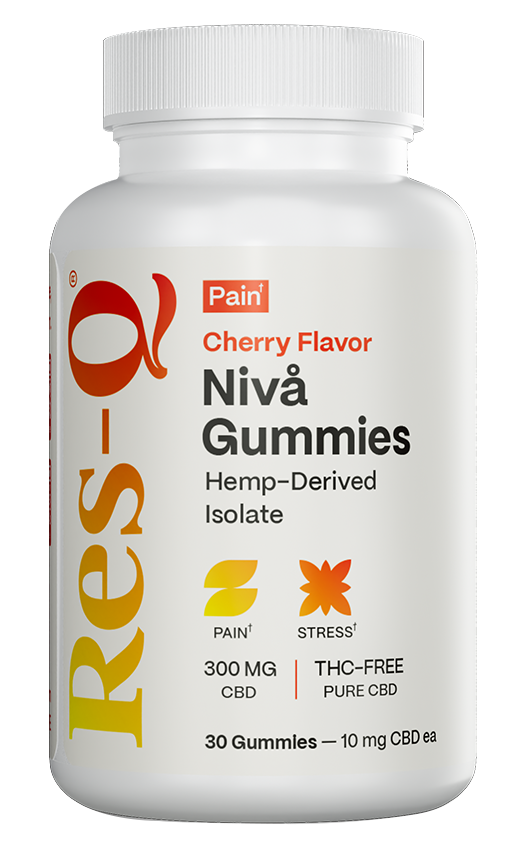
The CBD Your Body ACTUALLY ABSORBS
Most CBD passes right through you. This one doesn't — 440% better absorption, zero THC, made in the U.S.
See Why People Are SwitchingFrequently Asked Questions
Does CBD help with appetite in people with eating disorders?
There is limited but growing research on CBD and eating disorders. A 2019 pilot study explored CBD’s potential for anorexia nervosa and found that participants tolerated it well, though appetite outcomes were mixed. CBD may help by reducing the anxiety that often accompanies eating disorders, but it should only be used as part of a broader treatment plan supervised by a healthcare provider.
Can CBD make you gain weight?
CBD itself is not calorie-dense and does not directly cause weight gain through fat storage. However, if CBD increases your appetite — particularly through anxiety reduction or nausea relief — you may eat more and gain weight as a result. The weight gain would come from increased caloric intake, not from the CBD molecule itself.
How long does it take for CBD to affect appetite?
Most users report noticing appetite changes after one to three weeks of consistent daily use. Single doses rarely produce obvious appetite shifts. CBD accumulates in fat tissue over time, and its effects on the endocannabinoid system become more pronounced with regular exposure.
Is CBD better than THC for appetite control?
For appetite suppression, CBD appears to be the better option because it does not activate CB1 receptors the way THC does. For appetite stimulation — particularly in cases like cancer cachexia — THC has more robust clinical evidence. Some patients use both in combination under medical supervision.
Do CBD gummies curb appetite better than CBD oil?
CBD oil (taken sublingually) has higher bioavailability than gummies — roughly 13 to 35 percent compared to 6 to 19 percent for edibles. That means more CBD reaches your bloodstream per milligram with oil. For appetite suppression, oil may be more efficient per dose. Gummies offer convenience and consistent dosing but require higher milligram counts to match the effective absorption of sublingual oil.
The Bottom Line on CBD and Appetite
Does CBD help with appetite? The evidence says it can — in both directions. For some people, CBD functions as a mild appetite suppressant by modulating CB1 receptors and promoting metabolic changes like fat browning. For others, it restores lost appetite by reducing nausea, calming anxiety, or lowering gut inflammation. The outcome depends on your individual biology, the type of CBD product you use, and the underlying reason for your appetite issue.
The research is still evolving. Large-scale human clinical trials specifically focused on CBD and appetite are limited. But the existing animal studies, cell research, clinical side effect data, and user reports all point in a consistent direction — CBD has a real effect on appetite regulation, and that effect is worth exploring if you are dealing with appetite-related challenges.
If you have been struggling with appetite loss or simply want to understand how cannabidiol fits into your wellness routine, consider trying CBD for appetite loss with a product that matches your specific needs. Start low, stay consistent, and track your results over at least three to four weeks before drawing conclusions. Your endocannabinoid system is unique to you, and finding the right approach takes a bit of patience and honest self-observation.