

Does CBD Help With Depression — Or Is It More Complicated Than That?
A lot of people ask does cbd help with depression, and the honest answer is: we don’t fully know yet. There’s preliminary research. There are thousands of personal reports. But there’s no FDA-approved CBD product for depression as of 2026. That distinction matters. What we can do is walk through the existing evidence, the biological mechanisms that look promising, and the risks — including whether cbd oil can make depression worse in certain situations.
This article pulls from peer-reviewed studies, clinical observations, and real-world accounts. No hype. No miracle claims. Just what we actually know right now.
Tired of guessing which CBD actually works?
Find What Works for Your Body
A less-than 60 second wellness match for adults exploring plant-based relief
What’s bothering you most right now?
Select the one that impacts your day the most
How long have you been dealing with this?
There's no wrong answer — this helps us tailor your match
How much does it affect your daily routine?
Be honest — this shapes your recommendation
What have you tried so far?
Knowing what hasn't worked helps us find what will
How familiar are you with CBD?
No judgment — everyone starts somewhere
What sounds easiest to add to your routine?
Think about what fits your lifestyle, not what sounds fancy
What matters most to you in a product?
Pick the one that would seal the deal for you
YOUR MATCH IS READY
We'll include your personalized match plus a first-timer's guide based on your answers.
Where should we send your recommendation?
🔒 No spam, ever. Your info is kept 100% secure.
If you'd rather not wait — based on your answers about your symptoms, we'd point you straight to our trusted partner.
Skip to My Match →What CBD Actually Is (And What It Isn’t)
CBD stands for cannabidiol. It’s one of over 100 cannabinoids found in the Cannabis sativa plant. Unlike THC — the compound that gets you high — CBD does not produce intoxication. It interacts with the body’s endocannabinoid system, which plays a role in regulating mood, sleep, appetite, pain, and immune response.
CBD is sold as oils, tinctures, capsules, gummies, topicals, and even beverages. The 2018 Farm Bill legalized hemp-derived CBD products containing less than 0.3% THC at the federal level in the United States. State laws vary. Quality varies even more.
One thing to get straight early: CBD is not marijuana. It’s a single compound extracted from hemp in most commercial products. People conflate the two constantly, and that confusion shapes a lot of the stigma and misinformation around using cbd for depression.
How Depression Works in the Brain
Depression isn’t just feeling sad. It involves measurable changes in brain chemistry, neural connectivity, and inflammatory markers. The most commonly discussed model is the monoamine hypothesis — the idea that depression stems from low levels of serotonin, norepinephrine, or dopamine. That’s the basis for SSRIs and SNRIs, the most prescribed antidepressants.
But that model is incomplete. Researchers now recognize that neuroinflammation, impaired neuroplasticity, HPA axis dysregulation (your stress response system), and gut-brain signaling all play roles. Depression is not one thing. It’s a constellation of overlapping dysfunctions that vary from person to person.
This matters because CBD doesn’t operate the same way an SSRI does. It targets different pathways. Understanding those pathways is essential to evaluating whether cbd for depression has any scientific legs to stand on.
The Science Behind CBD and Depression
Serotonin Receptor Activation
A 2019 study published in the journal Neuroscience & Biobehavioral Reviews found that CBD acts as an agonist at the 5-HT1A serotonin receptor. This is the same receptor targeted by buspirone, a prescription anti-anxiety medication. In animal models, CBD administration produced rapid antidepressant-like effects — faster onset than traditional SSRIs, which typically take two to six weeks.
A 2018 study from the University of São Paulo demonstrated that a single dose of CBD reduced immobility time in mice during the forced swim test — a standard measure of depressive behavior in preclinical research. The effect was dose-dependent and blocked when 5-HT1A receptors were antagonized, confirming the serotonergic mechanism.
These are animal studies. They aren’t proof that CBD treats depression in humans. But they establish a plausible biological pathway.
Neuroplasticity and BDNF
Brain-derived neurotrophic factor (BDNF) is a protein that supports the growth and survival of neurons. People with depression often have lower BDNF levels, particularly in the hippocampus — a brain region involved in memory and emotional regulation.
Research published in Molecular Neurobiology in 2019 showed that CBD increased BDNF expression in the hippocampus of stressed rodents. This suggests CBD may promote neuroplasticity — the brain’s ability to form new neural connections — which is also how ketamine and psilocybin are believed to exert their antidepressant effects.
Anti-Inflammatory Effects
Chronic low-grade inflammation is increasingly linked to treatment-resistant depression. Elevated levels of pro-inflammatory cytokines like IL-6 and TNF-alpha have been found in a significant percentage of depressed patients. CBD has well-documented anti-inflammatory properties. A 2020 review in Frontiers in Immunology cataloged CBD’s ability to reduce cytokine production and modulate immune cell activity.
If inflammation contributes to someone’s depression, CBD’s anti-inflammatory action could theoretically provide relief. That’s a big “if,” and it highlights why depression treatment is never one-size-fits-all.
Human Studies — What We Have So Far
Human clinical trials specifically examining does cbd help with depression are limited. Most existing human data comes from studies on anxiety, chronic pain, or sleep disorders where depression was measured as a secondary outcome.
A 2020 retrospective study published in the Journal of Cannabis Research surveyed 397 adults in New Zealand who were prescribed CBD for various conditions. Among participants with depression symptoms, 56% reported improvements after three weeks of CBD use. Self-report data. No placebo control. But notable.
A 2019 case series published in The Permanente Journal followed 72 adults given CBD for anxiety and sleep complaints. Anxiety scores improved in 79.2% of patients during the first month and remained improved. Depression was not the primary measure, but several participants reported mood improvements as well.
Harvard Medical School and Massachusetts General Hospital initiated a randomized controlled trial in 2022 examining CBD’s effects on major depressive disorder. Preliminary results presented at the 2025 American Psychiatric Association meeting showed modest but statistically significant improvements in depression scores compared to placebo over eight weeks. The full peer-reviewed publication is still pending as of early 2026.
We need more. Larger sample sizes. Longer durations. Diverse populations. The evidence is promising but not conclusive.
Looking For Something Pure & Potent?
If your current CBD isn't full-spectrum and U.S.-sourced, you're wasting money
Check Out This Full-Spectrum, American Made CBDCan CBD Oil Make Depression Worse?
This is a question people don’t ask often enough. And yes — there are scenarios where cbd oil can make depression worse.
Low-Quality Products With Contaminants
The CBD market is poorly regulated. A 2020 study in the Journal of the American Medical Association tested 84 CBD products purchased online and found that 26% contained less CBD than labeled, while 43% contained significantly more. Some contained detectable levels of THC not listed on the label. Heavy metals, pesticides, and residual solvents have been found in cheaper products.
Consuming contaminated CBD could worsen mood, disrupt sleep, and introduce toxins that increase oxidative stress — all of which can aggravate depression. If someone buys a cheap tincture from a gas station and feels worse, the product quality is likely the culprit, not CBD itself.
THC Contamination
THC at higher doses is associated with increased anxiety and, in some individuals, depressive symptoms. Full-spectrum CBD products legally contain up to 0.3% THC. That’s a small amount, but in high-dose usage or with mislabeled products, THC exposure can become meaningful. For people sensitive to THC, this can trigger or worsen depressive episodes.
Drug Interactions
CBD inhibits certain cytochrome P450 enzymes in the liver — the same enzymes that metabolize many antidepressants including sertraline, fluoxetine, and citalopram. Taking CBD alongside an SSRI without medical supervision could alter drug levels in unpredictable ways. Too much antidepressant circulating in the bloodstream can cause serotonin syndrome. Too little renders the medication ineffective.
A person who adds CBD to their antidepressant regimen without telling their doctor and then experiences worsening symptoms might blame the CBD. The actual issue could be a drug interaction changing how their prescribed medication works.
Using CBD as a Replacement for Proven Treatment
One of the most dangerous patterns is someone stopping their antidepressant medication cold turkey and switching to CBD. Antidepressant withdrawal — sometimes called discontinuation syndrome — can produce severe mood destabilization, brain zaps, insomnia, and suicidal ideation. If someone attributes those withdrawal symptoms to “CBD not working,” they may spiral further.
CBD is not a substitute for psychiatric medication in moderate-to-severe depression. Anyone considering it should work with a healthcare provider.
CBD Causing Depression — Is There Direct Evidence?
The concern around cbd causing depression comes up in online forums frequently. Someone starts taking CBD, feels worse, and concludes that CBD caused their depression to deepen. The clinical picture is rarely that simple.
There is no published peer-reviewed evidence showing that CBD directly causes depression in otherwise healthy individuals. A 2017 review in Cannabis and Cannabinoid Research examined CBD’s safety profile and found that common side effects included tiredness, diarrhea, and changes in appetite — but depression was not identified as a direct side effect.
That said, fatigue and sedation from CBD — especially at higher doses — can mimic or overlap with depressive symptoms. Feeling sluggish, unmotivated, and mentally foggy after taking a large CBD dose could easily be mistaken for worsening depression. Dose matters. Timing matters. Individual biochemistry matters.
There’s also the disappointment factor. Someone pins their hopes on CBD after reading glowing testimonials, tries it for two weeks, feels nothing, and the resulting frustration and hopelessness compounds their existing depression. That’s not a pharmacological effect. It’s a psychological one. But it’s real.
What Dosing Looks Like in Practice
There is no standardized dose of cbd for depression. Clinical studies have used anywhere from 25 mg to 600 mg per day, depending on the condition being studied. Most practitioners who recommend CBD suggest starting low — around 10 to 20 mg per day — and increasing gradually over several weeks.
A commonly referenced approach is called “start low, go slow.” Increase by 5 to 10 mg every five to seven days. Track your mood, sleep, appetite, and energy in a journal. If you notice improvements, hold at that dose. If side effects emerge — excessive drowsiness, GI issues, increased irritability — scale back.
Sublingual tinctures (drops held under the tongue for 60 to 90 seconds) tend to have faster onset than capsules or edibles. Bioavailability varies by delivery method. Sublingual absorption bypasses first-pass liver metabolism, meaning more CBD reaches your bloodstream compared to swallowing a capsule.
A woman named Rachel, a 34-year-old graphic designer in Portland, shared her experience in a 2025 interview with Leafly. She had been on sertraline for three years and wanted to explore adjunct options. With her psychiatrist’s oversight, she added 25 mg of CBD oil sublingually each evening. Over six weeks, she reported improved sleep quality and a slight but noticeable lift in her baseline mood. She did not stop her sertraline. She described the CBD as “taking the rough edges off the evenings” — not a cure, but a useful addition.
How to Choose a CBD Product That Won’t Make Things Worse
Product selection is not trivial. Poor quality CBD is one of the primary reasons people report negative experiences. Here’s what to look for:
Third-party lab testing. Every reputable CBD company publishes Certificates of Analysis (COAs) from independent laboratories. These verify CBD content, THC levels, and screen for pesticides, heavy metals, and microbial contaminants. If a brand doesn’t provide COAs, don’t buy from them.
Extraction method. CO2 extraction is considered the gold standard. It produces clean, solvent-free CBD. Ethanol extraction is acceptable. Avoid products made using butane or propane extraction — these can leave harmful residues.
Hemp source. Domestically grown hemp from states with strict agricultural regulations (Colorado, Oregon, Kentucky) tends to be higher quality. Hemp is a bioaccumulator — it absorbs whatever is in the soil, including heavy metals and pesticides.
Spectrum type. Full-spectrum contains all cannabinoids including trace THC. Broad-spectrum removes THC but retains other cannabinoids and terpenes. CBD isolate is pure CBD with nothing else. For people concerned about THC sensitivity or drug testing, broad-spectrum or isolate is the safer choice.
CBD Compared to Traditional Antidepressants
SSRIs work. That’s backed by decades of large-scale clinical trials. They reduce symptoms in roughly 40 to 60% of patients with major depressive disorder. They also come with side effects — sexual dysfunction, weight gain, emotional blunting, and withdrawal difficulties — that push many people to seek alternatives.
CBD does not have the same level of evidence. Comparing the two head-to-head is premature. What CBD does offer is a different mechanism of action (5-HT1A agonism, anti-inflammatory modulation, neuroplasticity support) that could be useful for people who don’t respond well to conventional medications.
A psychiatrist named Dr. James Fadiman, known for his work on psychedelic microdosing, noted in a 2025 podcast interview that many of his patients who tried CBD reported the most benefit when using it alongside — not instead of — their existing treatment. “It’s additive,” he said. “Not a replacement. People who treat it like a replacement usually end up worse off.”
That framing is important. CBD for depression may work best as part of a broader strategy that includes therapy, lifestyle changes, social connection, and possibly medication.
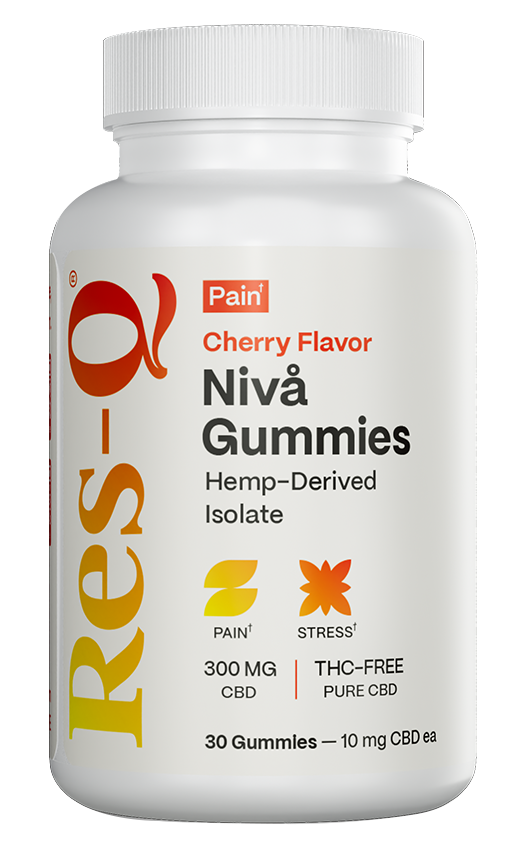
The CBD Your Body ACTUALLY ABSORBS
Most CBD passes right through you. This one doesn't — 440% better absorption, zero THC, made in the U.S.
See Why People Are SwitchingWhat the Legal and Regulatory Landscape Looks Like
As of 2026, the FDA has approved only one CBD-based medication: Epidiolex, for certain types of epilepsy. The FDA has not approved CBD for depression, anxiety, or any psychiatric condition. This means CBD products sold as supplements cannot legally claim to treat depression.
The lack of FDA regulation also means inconsistent product quality across the market. Some states have implemented their own testing and labeling requirements. California, Colorado, and New York have relatively robust frameworks. Others have minimal oversight.
The European Union has been moving toward stricter CBD regulation under Novel Food guidelines. In the UK, CBD products must be authorized by the Food Standards Agency. These frameworks are slowly improving product reliability, but the global market remains fragmented.
Frequently Asked Questions About CBD and Depression
Does CBD help with depression long-term?
Long-term data is limited. Most studies have followed participants for four to twelve weeks. Anecdotal reports suggest sustained benefit for some users, but tolerance, dosing adjustments, and individual variability make it impossible to generalize. Ongoing monitoring with a healthcare provider is recommended.
Can I take CBD with my antidepressant?
Possibly, but only under medical supervision. CBD interacts with liver enzymes that metabolize many antidepressants. Your doctor can monitor blood levels and adjust doses accordingly. Do not combine them on your own.
How quickly does CBD work for mood?
Some people notice subtle changes within a few days. Others need several weeks. Sublingual administration tends to produce effects within 15 to 45 minutes. Capsules and edibles take longer — one to two hours. Consistency matters more than any single dose.
Is CBD addictive?
The World Health Organization published a 2018 report stating that CBD exhibits no effects indicative of abuse or dependence potential. It is not considered addictive. Stopping CBD does not produce withdrawal symptoms comparable to antidepressants or benzodiazepines.
Can CBD oil make depression worse in teenagers?
Research on CBD use in adolescents is extremely limited. The developing brain may respond differently to cannabinoids. Parents should consult a pediatric psychiatrist before giving CBD to anyone under 18. The risk-benefit calculation is different for younger populations.
Bringing It All Together
The question of does cbd help with depression doesn’t have a clean yes or no answer yet. The preclinical evidence is encouraging. Early human data is cautiously positive. The biological mechanisms — serotonin receptor activation, BDNF upregulation, anti-inflammatory effects — align with what we know about depression’s underlying pathology.
But the risks are real too. Low-quality products, drug interactions, and the temptation to abandon proven treatments in favor of something unregulated can all backfire. Anyone exploring cbd for depression should do so with medical guidance, realistic expectations, and a commitment to tracking their own response carefully.
If you or someone you know is navigating postpartum depression, CBD may be worth discussing with your OB-GYN or psychiatrist as part of a comprehensive treatment plan. Explore our resources on cbd for postpartum depression to learn more about what the research says and how to approach that conversation with your care team.