

Full Spectrum CBD vs Broad Spectrum — The Difference Nobody Explains Well
If you’ve spent more than five minutes shopping for CBD, you’ve probably run into the terms full spectrum cbd vs broad spectrum. They’re plastered on every label. Every website. And almost nobody breaks down what they actually mean in a way that helps you decide.
Here’s the short version. Full spectrum CBD contains all the naturally occurring compounds in the hemp plant — cannabinoids, terpenes, flavonoids, and yes, trace amounts of THC (up to 0.3% by federal law). Broad spectrum CBD contains most of those same compounds, but with the THC removed or reduced to non-detectable levels.
That sounds simple. But the implications for how each type works inside your body are not simple at all. And this is where most people get steered wrong — either by marketing copy or by someone on Reddit who tried one product once and now has opinions.
We’re going to walk through what actually matters when comparing full spectrum vs broad spectrum. Not hype. Not brand loyalty. Just the biology, the lab data, and the practical stuff that affects your experience.
Tired of guessing which CBD actually works?
Find What Works for Your Body
A less-than 60 second wellness match for adults exploring plant-based relief
What’s bothering you most right now?
Select the one that impacts your day the most
How long have you been dealing with this?
There's no wrong answer — this helps us tailor your match
How much does it affect your daily routine?
Be honest — this shapes your recommendation
What have you tried so far?
Knowing what hasn't worked helps us find what will
How familiar are you with CBD?
No judgment — everyone starts somewhere
What sounds easiest to add to your routine?
Think about what fits your lifestyle, not what sounds fancy
What matters most to you in a product?
Pick the one that would seal the deal for you
YOUR MATCH IS READY
We'll include your personalized match plus a first-timer's guide based on your answers.
Where should we send your recommendation?
🔒 No spam, ever. Your info is kept 100% secure.
If you'd rather not wait — based on your answers about your symptoms, we'd point you straight to our trusted partner.
Skip to My Match →What “Full Spectrum” Actually Means at the Molecular Level
Full spectrum CBD is an extract that preserves the full chemical profile of the hemp plant. That includes over 100 identified cannabinoids — CBD being the most abundant, but also CBG, CBN, CBC, and delta-9 THC in amounts that stay under the 0.3% threshold set by the 2018 Farm Bill.
It also includes terpenes. These are aromatic compounds found in all plants. In hemp, the dominant terpenes are myrcene, limonene, linalool, beta-caryophyllene, and pinene. Each one has documented biological activity. Myrcene, for example, has been studied for its sedative and muscle-relaxant properties. Beta-caryophyllene binds directly to CB2 receptors in the endocannabinoid system — making it functionally a cannabinoid even though it’s classified as a terpene.
Then there are flavonoids. Cannflavin A and Cannflavin B are unique to cannabis. A 2019 study published in Phytochemistry found that cannflavins showed anti-inflammatory activity roughly 30 times greater than aspirin in preclinical models. That doesn’t mean you should throw out your ibuprofen. But it means these compounds aren’t filler. They do things.
When all of these compounds are present together, they produce what’s called the entourage effect. This concept was first described by Dr. Raphael Mechoulam and Dr. Shimon Ben-Shabat in 1998. The basic idea is that cannabinoids and terpenes work synergistically — each compound modifying the effects of the others. A 2011 review in the British Journal of Pharmacology confirmed that whole-plant extracts produced different and often superior outcomes compared to isolated cannabinoids in several preclinical models.
That entourage effect is the main selling point for full spectrum products. And it’s backed by real science. But it also comes with the THC question — which we’ll get to.
What “Broad Spectrum” Actually Means — And How It’s Made
Broad spectrum CBD starts the same way. Same hemp plant. Same initial extraction. But then an additional processing step removes THC from the final product.
There are a few ways manufacturers do this. The most common is chromatography — specifically, a technique called liquid chromatography where the extract is passed through a column that separates THC from the other compounds based on molecular polarity. Done well, this preserves the terpenes and minor cannabinoids. Done poorly, it strips a lot of those out too.
Another method involves starting with CBD isolate (pure CBD, nothing else) and then reintroducing specific cannabinoids and terpenes back in. This is sometimes called a “broad spectrum blend” or “enhanced broad spectrum.” It’s technically broad spectrum by definition, but the profile is artificially reconstructed rather than naturally preserved.
The quality gap between these two methods is enormous. A naturally processed broad spectrum extract might retain 85-90% of the original terpene and cannabinoid profile minus the THC. A reconstituted blend might have five or six added terpenes and two minor cannabinoids. On a Certificate of Analysis (COA), they might look similar at a glance. But they’re not the same product.
This is the biggest trap in the cbd broad spectrum vs full spectrum debate. Not all broad spectrum is equal. Not even close.
How to Read a COA for Broad Spectrum Products
Every reputable CBD company provides third-party lab results. When you’re looking at broad spectrum, check three things:
First — the cannabinoid panel. You want to see CBD as the dominant cannabinoid, but you also want measurable levels of CBG, CBC, and CBN. If the only detectable cannabinoid is CBD and everything else reads “ND” (not detected), you’re probably looking at isolate with added terpenes, not true broad spectrum.
Second — the terpene panel. Not all labs test for terpenes, and not all companies pay for that panel. But if it’s available, look for at least five or six identified terpenes with quantified amounts. A total terpene content of 1-4% is typical for a well-preserved extract.
Third — the THC reading. For broad spectrum, you want to see THC at either “ND” or below the limit of quantification (LOQ). Be aware that “ND” doesn’t necessarily mean zero. It means below the detection threshold of the lab’s equipment. Most labs have a detection limit between 0.01% and 0.05%.
The Entourage Effect — Overhyped or Underrated?
This is where the full spectrum vs broad spectrum conversation gets interesting. Because the entourage effect is real — but it’s also been used as a marketing sledgehammer in ways that go beyond what the research actually says.
The original Mechoulam and Ben-Shabat paper focused on endogenous cannabinoids (ones your body makes), not plant cannabinoids. Subsequent research, particularly the 2011 Russo review, extended the concept to phytocannabinoids. But most of this work has been in vitro (lab dishes) or in animal models. Human clinical trials specifically comparing full spectrum extracts to broad spectrum extracts are limited.
One frequently cited piece of evidence comes from a 2015 study out of the Lautenberg Center for Immunology and Cancer Research at Hebrew University. Researchers compared purified CBD to a full-plant extract in a mouse inflammation model. The full-plant extract showed a dose-dependent response — meaning it worked better at higher doses in a linear fashion. Purified CBD showed a bell-curve response, where effectiveness actually decreased at very high and very low doses.
That’s a meaningful finding. It suggests that the additional compounds in full spectrum extracts may help CBD work more predictably across dosage ranges. But it’s one study. In mice. The leap from that data to “full spectrum is always better for everyone” is bigger than most articles admit.
Here’s what I’ve seen personally. I tried broad spectrum tinctures for about three months before switching to full spectrum. The broad spectrum worked. Noticeably. Sleep improved. Shoulder tension eased up. But the full spectrum hit differently — faster onset, longer duration, and a more complete sense of calm. That’s one person’s experience. It’s not a clinical trial. But it lines up with what thousands of users report.
Looking For Something Pure & Potent?
If your current CBD isn't full-spectrum and U.S.-sourced, you're wasting money
Check Out This Full-Spectrum, American Made CBDTHC Content — The Practical Reality
The 0.3% THC in full spectrum CBD is a small number. But it’s not nothing.
Let’s do the math. A standard full spectrum tincture might contain 50mg of CBD per 1mL dropper. At 0.3% THC relative to total cannabinoid content, that same dropper could contain roughly 1-2mg of THC. That’s a small dose. For context, a recreational cannabis edible in a legal state is typically 5-10mg of THC per serving.
At 1-2mg, most people won’t feel psychoactive effects. But “most” isn’t “all.” People with very low body weight, no prior THC exposure, or genetic variations in how they metabolize cannabinoids (specifically CYP2C9 and CYP3A4 enzyme activity) might notice mild effects — slight drowsiness, a faint buzz, or altered perception of time.
Then there’s drug testing. Standard urine immunoassays for workplace drug screens test for THC-COOH, a metabolite of THC. The federal cutoff is 50 ng/mL for an initial screen and 15 ng/mL for a confirmatory GC-MS test. Regular use of full spectrum CBD at typical doses (25-75mg CBD daily) can and does cause positive drug tests. A 2019 study in the Journal of Analytical Toxicology found that daily doses of full spectrum hemp extract containing just 0.39mg of THC per dose produced positive urine results in some participants within days.
This is not hypothetical. People have lost jobs over this. If you’re subject to drug testing — military, federal employment, DOT-regulated positions, certain athletic organizations — broad spectrum or isolate is the safer choice. Period.
Who Should Choose Full Spectrum
People who are not subject to drug testing and want the most complete extract available. People who’ve tried broad spectrum or isolate and felt underwhelmed. Anyone looking for sleep support specifically — the trace THC may contribute to sedation at low doses. People who respond well to terpene-rich products and can verify third-party lab results.
Who Should Choose Broad Spectrum
Anyone subject to zero-tolerance drug testing. People with documented sensitivity to THC, including those prone to anxiety or paranoia at very low doses. Parents of children using CBD for pediatric conditions — many clinicians prefer THC-free options for minors. Anyone who lives in a state with stricter THC regulations than the federal standard.
Does the Extraction Method Matter?
Yes. Significantly. The two dominant commercial extraction methods are CO2 extraction and ethanol extraction. Both can produce quality full spectrum and broad spectrum products. But the details matter.
Supercritical CO2 extraction uses pressurized carbon dioxide to pull cannabinoids and terpenes from plant material. It’s considered the gold standard because it produces clean extracts without solvent residue and allows for tunable selectivity — operators can adjust pressure and temperature to target specific compounds. The downside is equipment cost. A commercial CO2 extraction setup runs $100,000 to $500,000 or more.
Ethanol extraction is simpler and cheaper. Cold ethanol extraction, specifically, does a good job preserving terpenes and minor cannabinoids. Warm ethanol extraction is faster but tends to pull more chlorophyll and plant waxes, requiring additional filtration (winterization) that can strip terpenes.
A less common but growing method is hydrocarbon extraction using butane or propane. This produces excellent terpene preservation and is widely used in the recreational cannabis industry. In the hemp CBD space, it’s less popular due to regulatory scrutiny around residual solvents and the perception issue — consumers associate butane extraction with poorly made concentrates.
For the full spectrum cbd vs broad spectrum comparison, the extraction method affects what survives in the final product. A poorly extracted full spectrum oil might have fewer beneficial compounds than a well-made broad spectrum oil. The label isn’t everything. The process behind it determines the actual quality.
Price Differences and What Drives Them
Full spectrum products are generally cheaper to produce than broad spectrum. The reason is simple — broad spectrum requires an additional processing step (chromatography or distillation) to remove THC. That extra step adds labor, equipment time, and material loss. Some THC-removal processes lose 10-15% of the total cannabinoid content, which means the manufacturer needs more raw extract to achieve the same CBD concentration in the final product.
Despite this, retail pricing doesn’t always reflect production costs. Some brands charge more for full spectrum because they market it as “premium” or “whole plant.” Others price broad spectrum higher because of the additional processing. Neither pricing strategy necessarily correlates with quality.
A better way to evaluate price is cost per milligram of CBD. Take the total CBD content listed on the bottle (say, 1500mg), divide by the price (say, $60), and you get $0.04 per mg. Compare that across products. For quality full spectrum tinctures from reputable brands, expect to pay between $0.03 and $0.08 per mg of CBD. Broad spectrum falls in the same range, sometimes slightly higher.
Anything below $0.02 per mg should raise questions about sourcing and testing. Anything above $0.12 per mg is likely inflated by branding rather than ingredient quality.
Common Mistakes People Make When Choosing Between the Two
The first mistake is assuming full spectrum is automatically better. The entourage effect research is compelling but incomplete. Some individuals genuinely respond better to THC-free formulations. A friend of mine — mid-40s, generally healthy, moderate anxiety — tried three different full spectrum oils and felt jittery and slightly paranoid on all of them. Switched to a high-quality broad spectrum from a brand that uses chromatographic THC removal, and her results improved immediately. The trace THC was working against her, not for her.
The second mistake is buying broad spectrum without checking the COA. As mentioned earlier, some “broad spectrum” products are just CBD isolate with a few terpenes added back. These products are missing the dozens of minor cannabinoids and flavonoids that make broad spectrum worthwhile in the first place. If your broad spectrum COA only shows CBD, you got sold a relabeled isolate.
The third mistake is ignoring the carrier oil. CBD extract is typically dissolved in MCT oil (from coconut), hemp seed oil, or olive oil. MCT oil has the highest bioavailability for fat-soluble cannabinoids. Hemp seed oil adds its own nutritional benefits (omega fatty acids) but may slightly reduce CBD absorption. This doesn’t change whether full spectrum or broad spectrum is right for you, but it affects how much of what you’re paying for actually reaches your bloodstream.
The fourth mistake is dosing based on someone else’s experience. Cannabinoid metabolism varies hugely between individuals. Start at 10-15mg of CBD per day, hold for a week, and increase by 5-10mg increments. This applies to both full spectrum and broad spectrum. The “right” dose for you has nothing to do with what worked for your coworker.
What the Research Says About Specific Conditions
Anxiety
A 2019 retrospective study published in The Permanente Journal followed 72 adults using CBD for anxiety. Within the first month, 79.2% reported decreased anxiety scores. The study used full spectrum hemp extract. No comparable large-scale study has been conducted with broad spectrum specifically, though smaller trials and user surveys suggest similar anxiolytic effects when THC sensitivity isn’t a factor.
Pain and Inflammation
Preclinical data favors full spectrum for pain. The 2015 Lautenberg Center study mentioned earlier showed superior anti-inflammatory response from whole-plant extracts. A 2020 review in Frontiers in Pharmacology noted that CBD combined with minor cannabinoids like CBC and CBG showed enhanced analgesic effects in several animal models. However, individual case reports from chronic pain patients show positive outcomes with both full spectrum and broad spectrum, suggesting that the dose and consistency of use may matter more than the spectrum type for many people.
Sleep
THC at very low doses (1-2.5mg) has documented sedative effects. A 2022 randomized crossover study in the journal Sleep found that low-dose THC combined with CBD improved sleep onset latency more effectively than CBD alone. This gives full spectrum a theoretical edge for sleep. CBN, another minor cannabinoid present in aged full spectrum extracts, has also shown mild sedative properties in preliminary research, though the evidence base for CBN specifically remains thin.
Legal Considerations in 2026
Federally, both full spectrum (under 0.3% THC) and broad spectrum CBD are legal under the 2018 Farm Bill. But state laws vary, and some have changed since the bill passed. As of early 2026, Idaho still requires CBD products to contain zero THC — not 0.3%, but zero. In practice, this means only broad spectrum and isolate products are compliant there.
Several states have enacted additional labeling requirements, testing mandates, and sales restrictions for hemp-derived products. If you’re buying online and having products shipped across state lines, the seller is responsible for compliance with the destination state’s laws. But enforcement has been inconsistent, and consumers should be aware of their own state’s rules.
For international travel, carrying any CBD product across national borders remains risky. Many countries — Japan, South Korea, the UAE — classify all cannabinoids including CBD as controlled substances. Even a broad spectrum product with zero THC could result in legal trouble in certain jurisdictions.
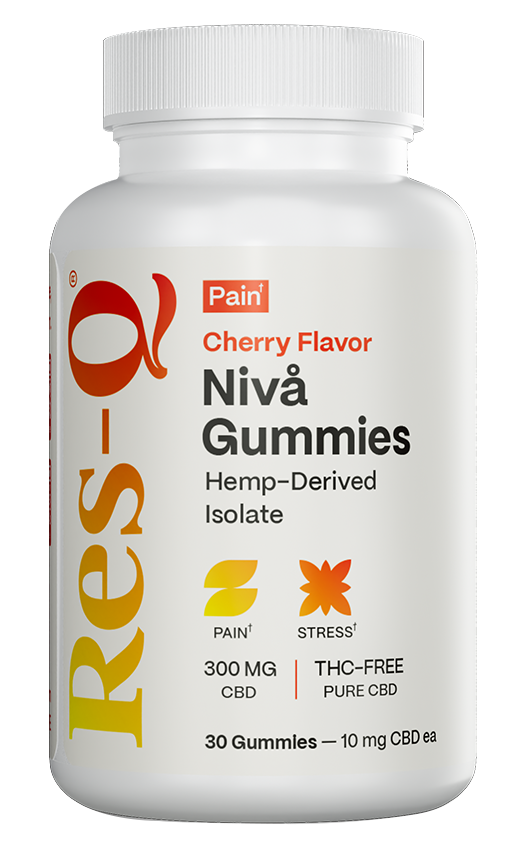
The CBD Your Body ACTUALLY ABSORBS
Most CBD passes right through you. This one doesn't — 440% better absorption, zero THC, made in the U.S.
See Why People Are SwitchingMaking Your Decision
The full spectrum cbd vs broad spectrum question doesn’t have one right answer. It depends on your biology, your legal situation, your sensitivity to THC, and what you’re trying to accomplish. Full spectrum offers the most complete chemical profile and the strongest theoretical support from entourage effect research. Broad spectrum removes the THC variable while preserving most of the plant’s beneficial compounds — when it’s made correctly.
Either way, quality matters more than category. A well-made broad spectrum oil from transparent producers will outperform a cheap full spectrum product from a brand that can’t produce a current COA. Buy from companies that publish batch-specific third-party lab results, use identified extraction methods, and source from domestic hemp grown under state agricultural programs.
Start low, go slow, and pay attention to what your body tells you. The best CBD product is the one that works for your specific situation — not the one with the most impressive label.
Read the rest of our articles and more useful info down below!