

Hemp Oil vs CBD Oil — They Sound the Same, But They’re Not
Hemp oil vs CBD oil is one of the most confusing comparisons in the wellness space right now. People use them interchangeably. Brands blur the lines on purpose. And a lot of shoppers end up buying the wrong product because nobody explained the difference clearly enough. That’s what this article does. No vague wellness speak. Just the actual, practical breakdown of what separates these two oils, when each one matters, and which one might be right for you depending on what you’re trying to accomplish.
Here’s the short version before we dig in: hemp oil comes from the seeds of the hemp plant. CBD oil comes from the flowers, leaves, and stalks. They come from the same plant species — Cannabis sativa — but different parts. And that changes everything about what’s inside the bottle.
Tired of guessing which CBD actually works?
Find What Works for Your Body
A less-than 60 second wellness match for adults exploring plant-based relief
What’s bothering you most right now?
Select the one that impacts your day the most
How long have you been dealing with this?
There's no wrong answer — this helps us tailor your match
How much does it affect your daily routine?
Be honest — this shapes your recommendation
What have you tried so far?
Knowing what hasn't worked helps us find what will
How familiar are you with CBD?
No judgment — everyone starts somewhere
What sounds easiest to add to your routine?
Think about what fits your lifestyle, not what sounds fancy
What matters most to you in a product?
Pick the one that would seal the deal for you
YOUR MATCH IS READY
We'll include your personalized match plus a first-timer's guide based on your answers.
Where should we send your recommendation?
🔒 No spam, ever. Your info is kept 100% secure.
If you'd rather not wait — based on your answers about your symptoms, we'd point you straight to our trusted partner.
Skip to My Match →Where Each Oil Actually Comes From
Hemp seed oil is produced by cold-pressing the seeds of the hemp plant. That’s it. No extraction of cannabinoids involved. The seeds contain virtually zero CBD and zero THC. What you get is a nutritional oil — rich in omega-3 and omega-6 fatty acids, vitamin E, and a handful of minerals. It’s been used in food products and skincare for decades. You’ll find it in salad dressings, moisturizers, and protein powders.
CBD oil is extracted from the aerial parts of the hemp plant — stalks, leaves, and especially the flower. The extraction process typically uses CO2 or ethanol to pull out cannabinoids, terpenes, and flavonoids. The primary active compound is cannabidiol, or CBD. Depending on the product type, it may also contain trace amounts of THC (under 0.3% to remain federally legal in the U.S.), along with other minor cannabinoids like CBG, CBN, and CBC.
So when you see “hemp oil” on a label, you need to check the back. If there’s no milligram count for CBD, it’s almost certainly hemp seed oil. Some brands deliberately label CBD products as “hemp oil” or “hemp extract” to skirt advertising restrictions. This is where a lot of consumer confusion starts.
The Chemical Profiles Are Completely Different
Hemp seed oil contains no significant cannabinoids. A 2020 study published in the Journal of Food Composition and Analysis confirmed that commercially available hemp seed oils contained CBD concentrations below 0.0025%, which is functionally zero. What hemp seed oil does contain is a favorable ratio of omega-6 to omega-3 fatty acids — roughly 3:1 — which aligns with recommendations from nutrition researchers for supporting cardiovascular health.
CBD oil, depending on whether it’s full-spectrum, broad-spectrum, or isolate, can contain anywhere from 5 mg to 100+ mg of CBD per milliliter. Full-spectrum products retain the full range of cannabinoids and terpenes from the plant. Broad-spectrum removes THC but keeps other compounds. Isolate is pure CBD — nothing else.
The presence of multiple cannabinoids matters because of something called the entourage effect. Research from the Hebrew University of Jerusalem, led by Dr. Raphael Mechoulam, suggests that cannabinoids work more effectively together than in isolation. This is why many users report stronger results from full-spectrum CBD products compared to isolates.
What About Terpenes?
Terpenes are aromatic compounds found throughout the plant kingdom. In cannabis, they contribute to both scent and therapeutic effect. Linalool, for example, is also found in lavender and has been studied for its calming properties. Myrcene, found in hops and mangoes, may enhance CBD’s ability to cross the blood-brain barrier. Hemp seed oil doesn’t contain terpenes in meaningful concentrations. CBD oil — especially full-spectrum — does.
CBD Oil vs Hemp Oil for Anxiety: What the Research Says
This is the comparison that drives the most questions. People want to know: does hemp oil help with anxiety? And does CBD oil actually do anything measurable?
Hemp seed oil has no direct anxiolytic (anti-anxiety) properties based on current evidence. It’s a nutritional supplement. It supports general health through its fatty acid content, but it doesn’t interact with the endocannabinoid system (ECS) in a way that would influence mood, stress, or anxiety pathways.
CBD oil is different. A 2019 study published in The Permanente Journal followed 72 adults with anxiety and poor sleep. After one month of taking 25 mg of CBD daily, 79.2% of participants reported lower anxiety scores, and 66.7% reported improved sleep. These are not enormous doses. And the results were consistent across the study period.
Another study — a 2011 trial published in Neuropsychopharmacology — examined CBD’s effects on social anxiety disorder. Participants received either 600 mg of CBD or a placebo before a simulated public speaking test. The CBD group showed significantly reduced anxiety, cognitive impairment, and discomfort during their speech. The placebo group did not.
So when people search for hemp oil vs CBD oil for anxiety, the answer is clear based on available evidence. CBD oil interacts with serotonin receptors (specifically 5-HT1A) and modulates activity in the amygdala and prefrontal cortex — brain regions directly involved in anxiety processing. Hemp seed oil does not.
I had a friend — let’s call her Dana — who bought a bottle labeled “organic hemp oil” at a grocery store, thinking it would help with her generalized anxiety. She took it for six weeks, felt nothing different, and concluded that “CBD doesn’t work.” Except she never took CBD. She took hemp seed oil. This happens more often than you’d think.
Looking For Something Pure & Potent?
If your current CBD isn't full-spectrum and U.S.-sourced, you're wasting money
Check Out This Full-Spectrum, American Made CBDHow They’re Used Day to Day
Hemp Seed Oil Uses
Hemp seed oil works well as a cooking oil for low-heat applications. It has a nutty flavor and a smoke point around 330°F (165°C), which makes it unsuitable for frying but fine for drizzling over salads or mixing into smoothies. It’s also used topically. Many skincare brands include it in formulations for dry skin and eczema because of its moisturizing fatty acid content. The gamma-linolenic acid (GLA) in hemp seed oil has been linked to reduced skin inflammation in a 2005 study published in the Journal of Dermatological Treatment.
People also use hemp seed oil as a dietary supplement for heart health. A randomized controlled trial from the University of Kuopio in Finland found that daily consumption of hemp seed oil for four weeks improved participants’ blood lipid profiles — specifically, it raised beneficial HDL cholesterol levels.
CBD Oil Uses
CBD oil is typically taken sublingually — a few drops under the tongue, held for 60 to 90 seconds before swallowing. This allows the CBD to absorb through the mucous membranes and reach the bloodstream faster than if swallowed directly. Onset time is usually 15 to 45 minutes.
People use CBD oil for a range of issues: anxiety, chronic pain, inflammation, sleep disturbances, epilepsy, and nausea. The FDA has approved one CBD-based pharmaceutical — Epidiolex — for the treatment of seizures associated with Lennox-Gastaut syndrome and Dravet syndrome. That approval came in 2018, and it remains the only FDA-approved CBD medication as of early 2026.
CBD oil also comes in capsules, gummies, topicals, and even beverages. The delivery method affects bioavailability. Sublingual administration has roughly 13–19% bioavailability according to a review in Frontiers in Pharmacology. Oral ingestion (like gummies) drops that to around 6–13% because of first-pass metabolism in the liver.
Price Differences You Should Expect
Hemp seed oil is cheap. You can buy a 16 oz bottle at most grocery stores for $8 to $15. It’s a commodity product at this point, widely produced and easy to manufacture.
CBD oil costs significantly more. A quality 30 mL bottle containing 1000 mg of CBD typically runs between $40 and $80, depending on the brand, extraction method, and whether it’s full-spectrum or isolate. High-potency products — 2500 mg or above — can easily exceed $120.
The price difference reflects the complexity of extraction. CO2 extraction equipment costs hundreds of thousands of dollars. Third-party lab testing, which reputable CBD brands pay for on every batch, adds to overhead. If a product labeled “CBD oil” costs $12 for a large bottle, that’s a red flag. You’re probably looking at hemp seed oil with misleading packaging.
Legal Status: Not as Simple as You’d Think
Hemp seed oil is legal everywhere. It contains no controlled substances. No restrictions on sale, transport, or possession in any U.S. state or in most countries worldwide.
CBD oil derived from hemp (containing less than 0.3% THC) became federally legal in the United States under the 2018 Farm Bill. But state-level regulations vary. Some states restrict the sale of ingestible CBD products. Others require specific labeling or licensing. As of 2026, the FDA still has not established a comprehensive regulatory framework for CBD in food and dietary supplements, though rulemaking has been in progress since 2023.
In the European Union, CBD products are legal but must comply with Novel Food regulations, which require pre-market authorization. The UK’s Food Standards Agency has a similar pathway. In Canada, CBD is regulated under the Cannabis Act regardless of THC content.
If you travel with CBD oil, check the laws of your destination. In some countries — the UAE, for example — CBD is classified as a controlled substance regardless of THC content. Possession can result in criminal charges.
How to Read Labels Without Getting Tricked
This matters more than most people realize. The hemp oil vs CBD oil confusion is often manufactured by brands that know exactly what they’re doing.
Here’s what to look for:
Check for a milligram count. If the label says “500 mg hemp extract” or “1000 mg CBD,” that’s a CBD product. If the label only mentions “hemp seed oil” in the ingredients and lists no milligram potency, it’s a seed oil.
Look at the ingredients list. CBD products should list “cannabidiol,” “hemp extract,” “full-spectrum hemp extract,” or “broad-spectrum hemp extract” as an ingredient. Hemp seed oil products will list “Cannabis sativa seed oil” or simply “hemp seed oil.”
Check for a Certificate of Analysis (COA). Any legitimate CBD brand provides third-party lab results. These show the exact cannabinoid content — CBD, THC, CBG, and others — as well as testing for pesticides, heavy metals, and residual solvents. If a brand can’t produce a COA, walk away.
Watch out for Amazon. Amazon’s policy prohibits the sale of CBD products. So every “hemp oil” listing on Amazon is either hemp seed oil or a product making implied CBD claims without actually containing CBD. Some of these products have tens of thousands of five-star reviews. People think they’re buying CBD. They’re not.
A 2020 investigation by the Associated Press found that dozens of hemp products sold on Amazon made thinly veiled CBD claims — using phrases like “may help with anxiety” or listing milligram amounts of “hemp extract” — without containing any detectable CBD. This is still happening in 2026.
Can You Use Both at the Same Time?
Yes. There’s no contraindication between hemp seed oil and CBD oil. They serve different functions. Some people use hemp seed oil in their diet for its nutritional profile and take CBD oil separately for targeted relief — anxiety, pain, sleep.
Some CBD products actually use hemp seed oil as a carrier oil. Others use MCT oil (derived from coconut) or olive oil. The carrier oil affects absorption slightly and flavor significantly. Hemp seed oil as a carrier adds a nuttier, earthier taste. MCT oil is more neutral.
Using both doesn’t amplify or diminish the effects of either one. They work through entirely different mechanisms. Hemp seed oil is nutrition. CBD oil is pharmacology.
Who Should Use Hemp Oil and Who Should Use CBD Oil
If you’re looking for a healthy cooking oil, a source of plant-based omega fatty acids, or a natural moisturizer — hemp seed oil is a solid, affordable option. It’s well-studied as a food product and topical agent. There’s nothing controversial about it.
If you’re dealing with anxiety, chronic pain, inflammation, sleep problems, or any condition where the endocannabinoid system plays a role — CBD oil is the relevant product. The research base is growing rapidly. Thousands of peer-reviewed studies now exist on CBD’s pharmacology, safety, and efficacy across various conditions.
Talk to your doctor before starting CBD, especially if you take other medications. CBD inhibits certain cytochrome P450 enzymes in the liver — the same enzymes responsible for metabolizing drugs like warfarin, clobazam, and some statins. This can increase or decrease the effectiveness of those medications.
Common Mistakes People Make
Buying “hemp oil” and expecting CBD effects. This is the number one mistake and it happens daily.
Underdosing CBD. Many people try 5 or 10 mg, feel nothing, and give up. Clinical studies typically use 25 mg as a starting dose for anxiety and 300–600 mg for acute situations. Start at 25 mg, hold for a week, then adjust.
Ignoring bioavailability. A 25 mg CBD gummy delivers roughly 1.5–3.25 mg of actual CBD to your bloodstream after first-pass metabolism. A 25 mg sublingual dose delivers approximately 3.25–4.75 mg. This is why many people prefer sublingual tinctures over edibles for targeted effects.
Storing oils improperly. Both hemp seed oil and CBD oil degrade with exposure to light, heat, and oxygen. Keep them in dark glass bottles, in a cool place, cap tightened after each use. Expired CBD oil won’t harm you, but it loses potency.
Assuming all CBD brands are equal. A 2017 study in JAMA found that 69% of CBD products tested were mislabeled — either containing more or less CBD than stated on the label. Some contained significant levels of THC. Third-party testing exists specifically because of this widespread quality control problem.
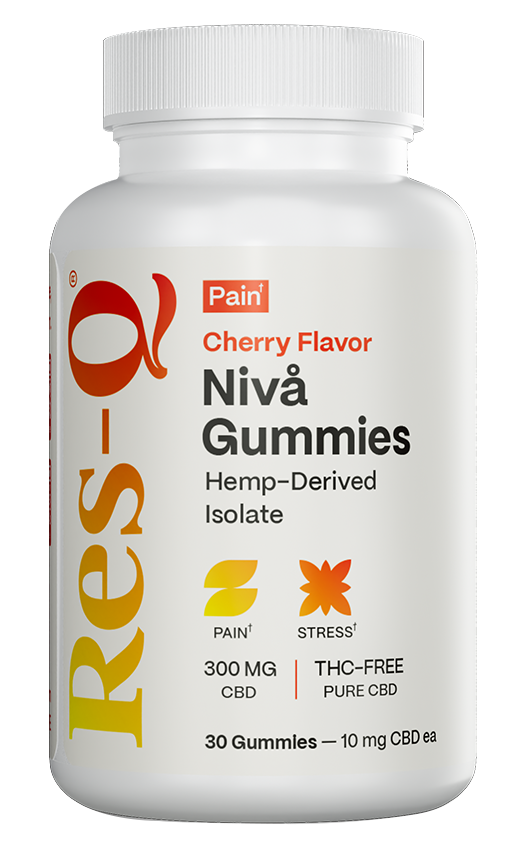
The CBD Your Body ACTUALLY ABSORBS
Most CBD passes right through you. This one doesn't — 440% better absorption, zero THC, made in the U.S.
See Why People Are SwitchingWhere Things Stand in 2026
The hemp oil vs CBD oil distinction is getting easier to navigate, but only if you know what to look for. Regulatory bodies are slowly catching up. The FDA’s CBD rulemaking process continues. The FTC has issued warning letters to brands making unsupported health claims. And consumer awareness is higher than it was five years ago.
But the confusion persists at the retail level. In-store staff often can’t explain the difference. Online marketplaces remain cluttered with mislabeled products. And marketing language is still deliberately vague in many cases.
Your best tools are the COA, the ingredient list, and a basic understanding of what each product actually contains. If you walked away from this article knowing the difference between CBD oil vs hemp oil — where each comes from, what each does, and how to verify what’s in the bottle — you’re ahead of most buyers.
Read the rest of our articles and more useful info down below for deeper dives into CBD dosing, product reviews, and the latest research updates.