

What Is Mission Farms CBD and Why Does It Keep Coming Up
Mission Farms CBD is an Oregon-based CBD company that grows its own hemp on-site. That detail matters more than most people think. A large number of CBD brands out there source hemp from third-party farms, sometimes overseas, and slap their label on it. Mission Farms CBD controls the process from seed to shelf. They plant it, harvest it, extract it, and bottle it — all within their own operation in the coastal range of Oregon. Their products are available directly through missionfarmscbd.com, and they’ve built a following among people who want to know exactly where their CBD comes from.
Tired of guessing which CBD actually works?
Find What Works for Your Body
A less-than 60 second wellness match for adults exploring plant-based relief
What’s bothering you most right now?
Select the one that impacts your day the most
How long have you been dealing with this?
There's no wrong answer — this helps us tailor your match
How much does it affect your daily routine?
Be honest — this shapes your recommendation
What have you tried so far?
Knowing what hasn't worked helps us find what will
How familiar are you with CBD?
No judgment — everyone starts somewhere
What sounds easiest to add to your routine?
Think about what fits your lifestyle, not what sounds fancy
What matters most to you in a product?
Pick the one that would seal the deal for you
YOUR MATCH IS READY
We'll include your personalized match plus a first-timer's guide based on your answers.
Where should we send your recommendation?
🔒 No spam, ever. Your info is kept 100% secure.
If you'd rather not wait — based on your answers about your symptoms, we'd point you straight to our trusted partner.
Skip to My Match →The company focuses on a few core product lines: tinctures (oils you drop under your tongue), topicals (creams and balms you rub on your skin), gummies, and capsules. Each one targets a specific use case — sleep, relief from discomfort, relaxation, or general daily wellness. They don’t try to be everything to everyone. That focused approach is part of what sets them apart from the hundreds of CBD companies flooding the market right now.
The Farm Behind the Brand
Mission Farms CBD operates out of the Oregon Coast Range. The climate there — cool, wet winters and mild summers — creates growing conditions that hemp tends to thrive in. Hemp is a bioaccumulator. That means it absorbs whatever is in the soil. Pesticides, heavy metals, toxins. If the soil is clean, the plant is clean. If it isn’t, the plant pulls all of that into its fibers and flowers.
This is why where hemp is grown matters so much. Mission Farms CBD uses organic farming practices on their own land. They don’t use synthetic pesticides or herbicides. Oregon has some of the strictest agricultural regulations in the country for hemp cultivation, which adds another layer of oversight that brands sourcing from less regulated regions don’t have.
The farm-to-product pipeline also means shorter time between harvest and extraction. Fresher hemp generally yields a more complete cannabinoid and terpene profile. Terpenes are the aromatic compounds in the plant that contribute to what researchers call the “entourage effect” — the idea that CBD works better when it’s accompanied by other naturally occurring compounds from the hemp plant rather than isolated on its own.
Why Farming Practices Directly Affect What You Put in Your Body
A 2020 study published in the Journal of Cannabis Research found that hemp products from farms using organic methods had significantly lower levels of residual contaminants compared to conventionally grown hemp. That study looked at over 60 commercially available CBD products. Nearly a third of the conventionally grown samples exceeded acceptable limits for at least one contaminant.
Mission Farms CBD publishes third-party lab results — called Certificates of Analysis or COAs — for every batch they produce. These are tested by independent laboratories that check for cannabinoid potency, pesticide residue, heavy metals, microbial contamination, and residual solvents. You can access these directly on missionfarmscbd.com by scanning the QR code on any product or navigating to their lab results page.
Not every company does this. Some publish partial results. Some don’t publish any. When comparing CBD companies like Mission Farms CBD to others in the space, third-party testing transparency is one of the fastest ways to gauge legitimacy.
Breaking Down the Mission Farms CBD Product Line
CBD Oils and Tinctures
Their tincture line is probably their most recognizable product category. Mission Farms CBD offers tinctures in several formulations. The “Rest” blend includes CBN, which is a cannabinoid that has shown promise in early research for supporting sleep. The “Relief” blend uses a higher concentration of full-spectrum CBD — meaning it contains trace amounts of THC (under 0.3%, which is the federal legal limit) along with other cannabinoids and terpenes.
Full-spectrum is different from broad-spectrum or isolate. Full-spectrum keeps everything the plant produces. Broad-spectrum removes the THC. Isolate strips it all away and leaves only pure CBD. Each has its place. But the research that does exist tends to favor full-spectrum for overall effectiveness. A 2015 study out of the Hebrew University of Jerusalem found that full-spectrum CBD produced a more significant response at various doses compared to CBD isolate.
Mission Farms CBD tinctures typically come in 30mL bottles. Dosing is done with a dropper, and most of their products list the per-serving milligram count clearly on the label. Their standard potency options range from around 750mg to 2400mg per bottle depending on the product.
Topicals — Creams, Balms, and Roll-Ons
Their topical line targets localized discomfort. The Relief Balm and Relief Cream are designed to be applied directly to areas where you feel tension, soreness, or stiffness. CBD topicals don’t enter the bloodstream the same way tinctures do. Instead, they interact with cannabinoid receptors in the skin and underlying tissue.
Mission Farms CBD topicals include additional active ingredients like menthol, arnica, and camphor — all of which have long-standing use in pain relief products. The CBD acts as an added layer. One thing worth noting: the concentration of CBD in topicals matters. A cream with 200mg of CBD in a large container is going to deliver far less per application than one with 1000mg in the same size container. Mission Farms CBD lists exact milligram counts, which makes comparison straightforward.
They also make a roll-on product that’s meant for quicker, mess-free application. Practical for people who want to use it at work or on the go without dealing with greasy residue.
Looking For Something Pure & Potent?
If your current CBD isn't full-spectrum and U.S.-sourced, you're wasting money
Check Out This Full-Spectrum, American Made CBDGummies
CBD gummies are probably the most popular CBD product format in the United States right now. Mission Farms CBD makes gummies in a few different blends — Rest, Relief, and Relax. Each gummy contains a pre-measured dose of CBD, usually between 25mg and 50mg per piece. This takes the guesswork out of dosing, which is one reason gummies have become so widely used.
Their gummies use pectin instead of gelatin, making them suitable for people who avoid animal products. They’re also made without high-fructose corn syrup. The flavoring comes from natural fruit extracts. These aren’t health-food-store-level clean, but compared to a lot of CBD gummies on the market that are basically candy with a spritz of hemp extract, Mission Farms CBD puts more effort into the formulation.
Capsules and Softgels
For people who don’t want any taste at all, Mission Farms CBD offers softgel capsules. Same full-spectrum CBD, just in a swallowable format. These are convenient for daily routine use — you take them like a vitamin. Absorption is slightly slower than sublingual tinctures because the capsule has to pass through the digestive system before the CBD enters the bloodstream. But for consistency and ease, capsules work well.
How CBD Companies Like Mission Farms CBD Compare to the Rest of the Market
The CBD industry has a transparency problem. The FDA does not regulate CBD products the same way it regulates pharmaceuticals or even dietary supplements. That means quality varies wildly from brand to brand. A 2017 study published in JAMA found that nearly 70% of CBD products sold online were mislabeled — either containing more or less CBD than stated on the label.
CBD companies like Mission Farms CBD that grow their own hemp, extract in-house, and publish full COAs represent a small minority. Most brands are what the industry calls “white label” — they buy bulk CBD extract from a wholesaler, put it in a bottle, design a label, and sell it. There’s nothing inherently wrong with that model, but it introduces more variables and less control.
Mission Farms CBD also participates in the U.S. Hemp Authority certification program. This is a voluntary self-regulatory program that requires companies to meet certain standards around testing, labeling, and manufacturing practices. It’s not a government certification, but it does involve third-party auditing. Not many companies go through the process because it costs money and takes time.
Pricing and Value
Mission Farms CBD isn’t the cheapest option. Their tinctures and topicals sit in the mid-to-upper price range compared to other direct-to-consumer CBD brands. A 30mL bottle of their full-spectrum tincture runs anywhere from $50 to $130 depending on potency. Gummies are typically in the $40 to $70 range for a 30-count bag.
The way to evaluate CBD pricing isn’t by the sticker on the bottle. It’s by cost per milligram. Take the total CBD content in the product and divide the price by that number. Mission Farms CBD tends to come in around $0.04 to $0.07 per milligram of CBD, which is competitive for a vertically integrated, organic farm operation. Cheaper brands exist, but you’d want to check what you’re actually getting inside the bottle.
They run a subscription model through missionfarmscbd.com that drops the price by about 20% on recurring orders. For someone who uses CBD daily, that adds up over the course of a year.
Who Actually Uses Mission Farms CBD Products
The customer base skews toward adults over 35 who deal with chronic discomfort, sleep issues, or stress-related tension. That’s not unique to this brand — it tracks with the broader CBD consumer demographic. But Mission Farms CBD has carved out a specific niche among people who care about sourcing and ingredients.
Athletes and active adults are another segment. Their topicals are popular among runners, CrossFit practitioners, and weekend warriors dealing with joint and muscle soreness. The roll-on format in particular has shown up in gym bags and recovery kits. CBD isn’t a painkiller. It doesn’t numb anything. But the anti-inflammatory properties shown in preclinical research suggest it can help support the body’s natural recovery process.
Older adults dealing with age-related stiffness have also become a growing portion of their customer base. CBD is appealing to this group because it’s plant-derived, non-intoxicating, and doesn’t carry the side effect profile of many over-the-counter anti-inflammatory drugs like NSAIDs, which can cause stomach issues with long-term use.
Common Mistakes People Make When Buying CBD
Not Checking Lab Results
This is the biggest one. If a brand doesn’t provide accessible third-party lab results, walk away. Full stop. Lab results tell you if the product actually contains what the label says. They also tell you if it’s free from contaminants. Mission Farms CBD makes these available on every product page on missionfarmscbd.com.
Choosing Based on Price Alone
A $15 bottle of CBD oil from a random online store is almost certainly not going to deliver meaningful results. The extraction process for quality full-spectrum CBD is expensive. Organic farming is expensive. Third-party testing is expensive. If a product is dramatically cheaper than the rest of the market, something was cut — and it’s usually quality.
Wrong Product for the Wrong Problem
Topicals work locally. Tinctures and capsules work systemically. If your goal is to address general anxiety or sleep issues, rubbing a cream on your shoulder isn’t going to help. And if you’ve got a sore knee, a tincture alone might not deliver targeted relief the way a topical could. CBD companies like Mission Farms CBD label their products by intended use, which helps guide that decision. But a surprising number of people buy whatever’s on sale and then wonder why it didn’t work.
Taking Too Little for Too Short a Time
CBD isn’t like ibuprofen. You don’t take it once and feel a dramatic shift. Most research and anecdotal evidence suggests that consistent daily use over two to four weeks is when people start noticing meaningful changes. Starting with a lower dose and gradually increasing is the standard recommendation. Mission Farms CBD provides dosing guidance on each product label, but the effective dose varies from person to person based on body weight, metabolism, and the condition being addressed.
What the Research Actually Says About CBD
The FDA has approved one CBD-based drug: Epidiolex, used for specific forms of epilepsy. Beyond that, most of the evidence for CBD’s benefits comes from preclinical studies (animal models and lab research) and observational data. That doesn’t mean it doesn’t work. It means the clinical trial infrastructure hasn’t caught up yet.
A large-scale survey published in Cannabis and Cannabinoid Research in 2018 found that 62% of CBD users reported using it to treat a medical condition — the top three being chronic pain, anxiety, and insomnia. Of those users, 36% said it worked “very well by itself.”
The World Health Organization released a report stating that CBD exhibits no effects indicative of abuse or dependence potential, and that it’s generally well-tolerated with a good safety profile. Side effects that do occur — drowsiness, dry mouth, changes in appetite — tend to be mild.
None of this constitutes medical advice. If you’re on prescription medication, talk to a doctor before adding CBD to your routine. CBD can interact with certain medications, particularly those processed by the liver’s cytochrome P450 enzyme system. That includes some blood thinners, antidepressants, and anti-seizure medications.
How to Get Started with Mission Farms CBD
If you’re new to CBD entirely, start with a mid-potency tincture. The sublingual delivery method (drops under the tongue, held for 60–90 seconds before swallowing) allows for relatively fast absorption and makes it easier to adjust your dose incrementally. Mission Farms CBD’s Relax or Rest tinctures are a reasonable entry point.
For localized physical discomfort, pair a tincture with one of their topicals. Using CBD both internally and externally addresses the issue from two directions — systemic and local.
Order directly through missionfarmscbd.com to make sure you’re getting genuine product and not a counterfeit. Counterfeit CBD products have become a real issue on third-party marketplace sites. Going direct also gives you access to subscription pricing and their full lab result database.
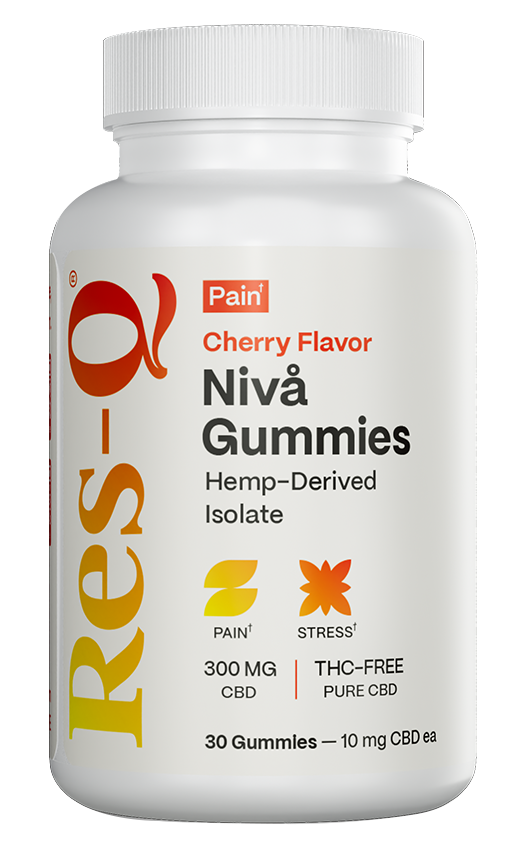
The CBD Your Body ACTUALLY ABSORBS
Most CBD passes right through you. This one doesn't — 440% better absorption, zero THC, made in the U.S.
See Why People Are SwitchingFinal Thoughts on Mission Farms CBD
Mission Farms CBD does a few things that most CBD brands don’t. They grow their own hemp. They control extraction. They publish complete lab results. They hold U.S. Hemp Authority certification. And they formulate products with specific use cases in mind rather than selling generic one-size-fits-all bottles. That combination of vertical integration and transparency puts them in a small category within a crowded and often confusing market.
No CBD product is a miracle cure. But if you’re going to spend money on CBD, spending it on a product you can trace from farm to bottle is a smarter bet than gambling on an unknown brand with no testing data. CBD companies like Mission Farms CBD represent what the industry should look like — accountable, testable, and rooted in actual agriculture rather than marketing hype.
Read the rest of our articles and more useful info down below for deeper dives into CBD research, product comparisons, and practical wellness guides.