

Why CBD Oil Instead of Gummies
If you’re figuring out where to buy CBD oil, you’ve probably noticed gummies dominating every shelf and sponsored ad. They’re everywhere. But here’s the thing — CBD oil (tinctures, specifically) offers something gummies can’t: dosing precision, faster absorption, and fewer added ingredients. Most gummies contain 10–25 mg of CBD per piece, sugar, artificial flavors, and fillers. A tincture lets you dial in 5 mg or 50 mg with a single dropper. That matters when you’re trying to manage sleep, soreness, or daily stress without guessing.
This guide exists because buying CBD oil is genuinely confusing. The market hit an estimated $7.5 billion in the U.S. by the end of 2025, according to Brightfield Group projections. Thousands of brands. No FDA approval for most products. Wild claims. And the difference between a legitimate full-spectrum tincture and a bottle of flavored hemp seed oil can be hard to spot if you don’t know what to look for.
We’re going to cover exactly where to buy CBD oil — online and in person — what to check before you spend a dollar, and how to avoid the junk. No gummy talk.
Tired of guessing which CBD actually works?
Find What Works for Your Body
A less-than 60 second wellness match for adults exploring plant-based relief
What’s bothering you most right now?
Select the one that impacts your day the most
How long have you been dealing with this?
There's no wrong answer — this helps us tailor your match
How much does it affect your daily routine?
Be honest — this shapes your recommendation
What have you tried so far?
Knowing what hasn't worked helps us find what will
How familiar are you with CBD?
No judgment — everyone starts somewhere
What sounds easiest to add to your routine?
Think about what fits your lifestyle, not what sounds fancy
What matters most to you in a product?
Pick the one that would seal the deal for you
YOUR MATCH IS READY
We'll include your personalized match plus a first-timer's guide based on your answers.
Where should we send your recommendation?
🔒 No spam, ever. Your info is kept 100% secure.
If you'd rather not wait — based on your answers about your symptoms, we'd point you straight to our trusted partner.
Skip to My Match →What CBD Oil Actually Is (And What It Isn’t)
CBD oil is a liquid extract from the hemp plant, typically suspended in a carrier oil like MCT (coconut-derived), hemp seed oil, or olive oil. The CBD — cannabidiol — is one of over 100 cannabinoids found in cannabis. It doesn’t get you high. THC does that. Legal hemp-derived CBD oil must contain less than 0.3% THC by dry weight, per the 2018 Farm Bill.
There are three main types you’ll encounter:
Full-spectrum CBD oil contains CBD plus other cannabinoids, terpenes, and trace THC (under 0.3%). Many users and some researchers point to what’s called the “entourage effect” — the idea that these compounds work better together. A 2015 study from the Lautenberg Center for Immunology and Cancer Research in Jerusalem found full-spectrum extracts provided more consistent relief at varying doses compared to isolated CBD.
Broad-spectrum CBD oil includes multiple cannabinoids and terpenes but has the THC removed. This is a middle ground for people who want synergy without any THC exposure — useful if you’re subject to drug testing.
CBD isolate oil is pure CBD, nothing else. Typically 99%+ cannabidiol. No flavor, no entourage effect. Some people prefer it for its predictability.
What CBD oil is NOT: hemp seed oil. That’s a nutritional oil pressed from hemp seeds. It contains zero CBD. Some brands — intentionally or not — blur this line. Check the label. If it says “hemp oil” and doesn’t list milligrams of cannabidiol anywhere, walk away.
Where Can I Buy CBD Oil Online
Online is where most people end up, and for good reason. You get wider selection, better pricing, and access to third-party lab reports (Certificates of Analysis, or COAs). When you’re trying to figure out where can I buy CBD oil from a trustworthy source, online shopping gives you the tools to verify before purchasing.
Direct From the Brand’s Website
This is the gold standard. Buying directly from a CBD company’s own website means you’re getting the freshest stock, the full product line, and usually the best price. Most reputable brands run subscription discounts — typically 15–25% off — and publish their COAs right on the product page.
Look for brands that use U.S.-grown hemp. Colorado, Oregon, Kentucky, and North Carolina are the top hemp-producing states and have stricter agricultural standards. The brand should list extraction method — CO2 extraction is considered the cleanest and most efficient. Ethanol extraction is also acceptable. Avoid anything that doesn’t tell you how they extract at all.
A few things to verify on any brand’s site before you buy:
• Third-party lab results (COA) — not in-house testing. Look for labs like SC Labs, ProVerde, or ACS Laboratory.
• Milligrams of CBD per bottle AND per serving clearly stated.
• A scannable QR code on the bottle linking to batch-specific results.
• No disease claims. If a brand says their oil “cures” anything, that’s a red flag and an FDA violation.
Online Marketplaces
Amazon technically prohibits CBD product sales. But sellers get around this by listing products as “hemp extract” or “hemp oil.” Some of these contain actual CBD. Many don’t. You have no reliable way to verify. A 2022 study published in the Journal of the American Medical Association found that 26% of CBD products purchased online were mislabeled — containing significantly more or less CBD than advertised. Amazon’s marketplace, with its lack of CBD-specific verification, likely skews worse.
Other marketplaces like specialized CBD aggregator sites can be decent if they vet their brands. But always cross-reference with the brand’s own site and check for COAs independently.
Online Dispensaries and CBD-Specific Retailers
Sites that exclusively sell hemp-derived products tend to curate their inventory more carefully. They often carry multiple brands, which lets you compare formulations, concentrations, and prices side by side. Some even publish editorial reviews and lab comparisons. These can be a good starting point if you’re overwhelmed by choice.
Where Can I Buy CBD Tincture in a Physical Store
Not everyone wants to order online. If you’re asking where can I buy CBD tincture in person, you’ve got several options — but they come with tradeoffs.
Pharmacies and Drugstores
Chains like CVS, Walgreens, and Rite Aid began carrying topical CBD products in 2019–2020. Some locations stock tinctures, but selection is limited and varies by state. The upside is a baseline of product vetting. The downside is you’ll pay retail markup — often 30–50% more than buying direct online.
Health Food Stores and Supplement Shops
Places like Sprouts, Whole Foods (in select states), and local health food co-ops often carry CBD tinctures. Staff may have some product knowledge, though it varies wildly. Ask to see the COA. If the store can’t produce one or point you to where to find it, that’s not a great sign.
Dedicated CBD Shops
These popped up in huge numbers between 2019 and 2023. Some are excellent — knowledgeable staff, curated product lines, COAs on display. Others are glorified gas station counters selling cheap isolate at full-spectrum prices. The quality range is enormous.
A dedicated shop can be worth visiting if you want to smell the product, read the label in person, or ask detailed questions. Just don’t assume “specialized” means “trustworthy.” Apply the same scrutiny you’d use online.
Gas Stations, Vape Shops, and Convenience Stores
Avoid. The CBD tinctures sold at gas stations and low-end vape shops are overwhelmingly the lowest quality products on the market. A 2023 FDA warning letter roundup showed that products sold through these channels were among the most frequently mislabeled, with some containing synthetic cannabinoids or undisclosed THC levels above the legal limit. Price might seem low, but you have no idea what’s in the bottle.
Looking For Something Pure & Potent?
If your current CBD isn't full-spectrum and U.S.-sourced, you're wasting money
Check Out This Full-Spectrum, American Made CBDHow to Evaluate a CBD Oil Brand Before Buying
Knowing where to buy CBD oil is only half the equation. The other half is knowing how to judge what you’re buying. Here’s a practical framework.
Third-Party Lab Testing
Non-negotiable. Every bottle should have a Certificate of Analysis from an independent, ISO 17025-accredited laboratory. The COA should confirm:
• Cannabinoid profile (how much CBD, THC, CBG, CBN, etc.)
• Heavy metals testing (lead, arsenic, cadmium, mercury)
• Pesticide screening
• Residual solvent testing
• Microbial contamination check
If a brand doesn’t provide COAs or only shows partial results, move on. Period.
Hemp Source and Extraction
U.S.-grown hemp from licensed farms operating under state agricultural programs is the safest bet. The 2018 Farm Bill created a federal framework, but state-level programs in Colorado, Oregon, and Kentucky tend to enforce stricter growing standards.
CO2 supercritical extraction is the industry benchmark — it uses pressurized carbon dioxide to pull cannabinoids without leaving toxic residues. Ethanol extraction is the second most common and perfectly fine when done properly. Hydrocarbon extraction (butane, propane) is cheaper and more common in low-end products. It can leave residual solvents if not thoroughly purged.
Concentration and Pricing
CBD oil is typically sold in 30 mL bottles ranging from 300 mg to 3000 mg total CBD. The useful metric is cost per milligram. Here’s a rough benchmark for 2026 pricing:
• Budget tier: $0.04–$0.07 per mg (isolate-based, minimal testing)
• Mid-range: $0.07–$0.12 per mg (broad or full-spectrum, solid COAs)
• Premium: $0.12–$0.20 per mg (organic, full-spectrum, extensive testing, U.S.-grown)
If you’re paying above $0.20 per mg, you’re either buying a very niche formulation or you’re overpaying. If you’re paying below $0.04, question everything about that product.
Ingredients List
A clean CBD tincture should have a short ingredients list. CBD extract (or hemp extract) and a carrier oil. Maybe natural flavoring — peppermint oil, citrus extract. That’s it. If you see artificial colors, sweeteners, preservatives, or a paragraph of ingredients you can’t pronounce, that’s a supplement masquerading as a tincture.
Common Mistakes When Buying CBD Oil
I’ve personally made some of these. My first CBD purchase in 2021 was a $19 bottle of “hemp oil” from a marketplace listing that turned out to be plain hemp seed oil with zero cannabidiol content. The label was deliberately vague. I didn’t check for milligram counts or a COA. Forty-five dollars and two weeks later I had a proper full-spectrum tincture from a Colorado brand, and the difference — both on the label and in actual effect — was night and day.
Here are the mistakes I see most often:
Buying based on price alone. Cheap CBD oil is almost always cheap for a reason — low-quality hemp, isolate passed off as full-spectrum, or no independent testing. A $15 tincture from an unknown brand is a gamble you’ll likely lose.
Ignoring the type of CBD. Full-spectrum, broad-spectrum, and isolate aren’t interchangeable. If you need zero THC exposure, full-spectrum is the wrong choice regardless of how good the brand is.
Confusing milligrams per bottle with milligrams per dose. A 3000 mg bottle sounds potent. But if it’s 30 mL with a 1 mL dropper, each dose is 100 mg. A 1000 mg bottle in the same size gives you about 33 mg per dropper. Know what dose you’re targeting and do the math before buying.
Not checking the manufacture or expiration date. CBD oil degrades over time, especially if stored improperly. Most tinctures have a shelf life of 12–24 months. If a product doesn’t list a date, that’s a problem.
Assuming “organic” means everything is fine. The USDA organic certification for hemp does exist, and it’s meaningful. But “organic” on a label without USDA certification is just a word. Anyone can print it. Verify the certification if it’s a deciding factor for you.
State Legality and Shipping Considerations
Hemp-derived CBD oil with less than 0.3% THC is federally legal under the 2018 Farm Bill. But state laws vary and have continued to shift through 2025 and into 2026. Idaho, for example, requires CBD products to contain 0.0% THC — not just under 0.3%. Some states restrict certain product types or require products to be sold only through licensed retailers.
When you’re deciding where to buy CBD oil, check your state’s current regulations. Most reputable online brands list which states they ship to and will flag any restrictions during checkout. If a brand ships everywhere with no disclaimers, that’s either laziness or ignorance — neither inspires confidence.
International shipping adds another layer. Many countries ban CBD entirely or require specific import permits. Canada, the UK, and most of the EU have their own frameworks. Don’t assume U.S. legality means global legality.
CBD Oil Dosing Basics
This is where tinctures genuinely outperform gummies. A graduated dropper lets you start at 5–10 mg and increase by 5 mg increments every few days until you find what works. Gummies lock you into fixed doses — usually 10 or 25 mg per piece — and splitting a gummy in half is imprecise at best.
There’s no universal CBD dose. Body weight, metabolism, the condition you’re addressing, and the product’s bioavailability all factor in. Sublingual absorption (holding the oil under your tongue for 60–90 seconds) bypasses first-pass liver metabolism and typically delivers effects within 15–30 minutes. Gummies go through digestion, which delays onset to 45–90 minutes and reduces overall bioavailability by an estimated 13–19%, according to pharmacokinetic data published in Frontiers in Pharmacology.
A practical starting point for most adults: 10–20 mg of full-spectrum CBD oil taken sublingually, once or twice daily. Adjust from there. Keep a simple log — date, dose, time, what you noticed. After two weeks, you’ll have enough data to fine-tune.
Red Flags That Should Make You Walk Away
Some warning signs are obvious. Some aren’t. Here’s a concentrated list:
• No COA available, or the COA is more than 12 months old.
• Disease or cure claims anywhere on the site or packaging (“cures anxiety,” “treats epilepsy,” “eliminates pain”). The FDA has issued over 100 warning letters to CBD companies for making unapproved drug claims since 2015.
• Customer reviews that are overwhelmingly generic and positive, especially if they read like templates. Real reviews mention specific experiences, doses, and timeframes.
• No physical address or contact information on the website.
• “Proprietary blend” without disclosing cannabinoid milligrams. This is a way to hide low CBD content behind vague terminology.
• Pricing that seems too good to be true. A 3000 mg full-spectrum tincture for $25 is not a deal. It’s a warning.
Storing CBD Oil Properly
Once you’ve figured out where to buy CBD oil and you’ve made your purchase, storage matters. CBD degrades when exposed to heat, light, and air. Keep your tincture in a cool, dark place — a medicine cabinet, a pantry shelf, or a drawer. Not a windowsill. Not the dashboard of your car.
Most tinctures come in amber or dark glass bottles specifically to block UV light. Don’t transfer the oil to a clear container. Make sure the cap is tightly sealed after each use. If stored properly, your tincture should maintain potency for 12–18 months. Some brands report up to 24 months, but cannabinoid degradation starts accelerating around the 14-month mark under typical conditions.
Refrigeration isn’t required but can extend shelf life slightly. The oil may thicken in the fridge — just let it sit at room temperature for a few minutes before dosing.
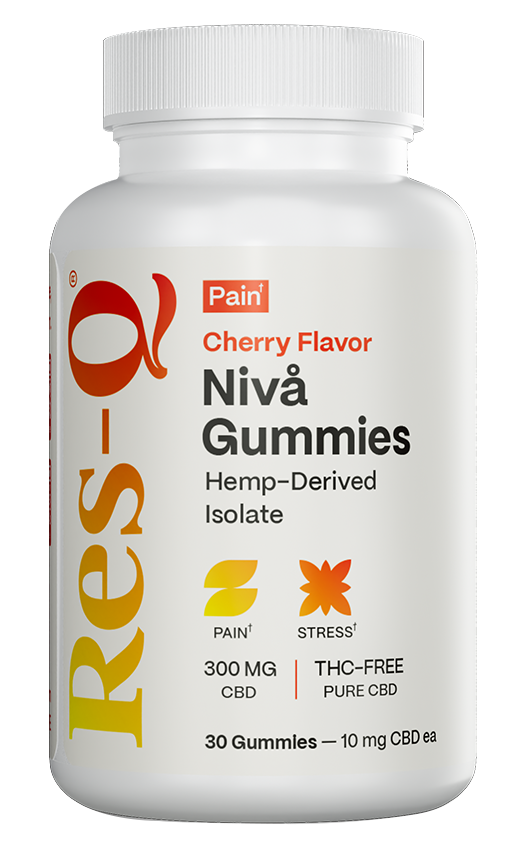
The CBD Your Body ACTUALLY ABSORBS
Most CBD passes right through you. This one doesn't — 440% better absorption, zero THC, made in the U.S.
See Why People Are SwitchingFrequently Asked Questions About Buying CBD Oil
Is it legal to buy CBD oil in all 50 states?
Hemp-derived CBD oil with less than 0.3% THC is legal at the federal level. However, some states impose additional restrictions on THC content, product types, or retail channels. Always check your state’s current laws before purchasing.
Where can I buy CBD oil that’s been third-party tested?
Most reputable brands sell directly through their own websites and publish COAs (Certificates of Analysis) from independent labs. Look for ISO 17025-accredited lab results that cover cannabinoid potency, heavy metals, pesticides, and solvents.
What’s the difference between CBD oil and CBD tincture?
In common usage, they mean the same thing — a liquid CBD extract in a carrier oil, dispensed with a dropper. Technically, a “tincture” uses alcohol as the solvent, but most products labeled as tinctures today are oil-based. The terms are used interchangeably by nearly every brand on the market.
Can I buy CBD oil on Amazon?
Amazon’s policy prohibits the sale of CBD products. Some sellers list products as “hemp extract,” which may or may not contain CBD. There’s no reliable verification system on the platform for cannabinoid content. Purchasing from brand websites or vetted CBD retailers is significantly safer.
How much CBD oil should I take as a beginner?
Start with 10–20 mg taken sublingually once daily. Hold the oil under your tongue for 60–90 seconds before swallowing. Increase by 5 mg increments every 3–5 days until you notice the desired effect. Keep a dosing journal to track results.
Where can I buy CBD tincture near me?
Pharmacies like CVS and Walgreens carry select CBD products in some states. Health food stores, supplement shops, and dedicated CBD retail stores are other in-person options. Call ahead to confirm they carry tinctures specifically, as many locations only stock topicals or gummies.
Final Thoughts
Figuring out where to buy CBD oil doesn’t have to be overwhelming. Stick to brands that publish third-party lab results, use U.S.-grown hemp, clearly list cannabinoid content per serving, and don’t make medical claims. Whether you buy online or in a local shop, the evaluation criteria stay the same — transparency, testing, and honest labeling.
CBD tinctures give you control that gummies simply can’t match. You choose your dose down to the milligram. You absorb it faster. You skip the sugar and the additives. For anyone serious about using CBD as part of their daily routine, oil is the format that makes the most practical sense.
If this guide helped you make a more informed decision, share it with someone else who’s sorting through the same confusion. Bookmark it, send the link, or save it for the next time someone asks you where to find a quality tincture. The more people buying based on facts instead of flashy labels, the better the market gets for everyone.